
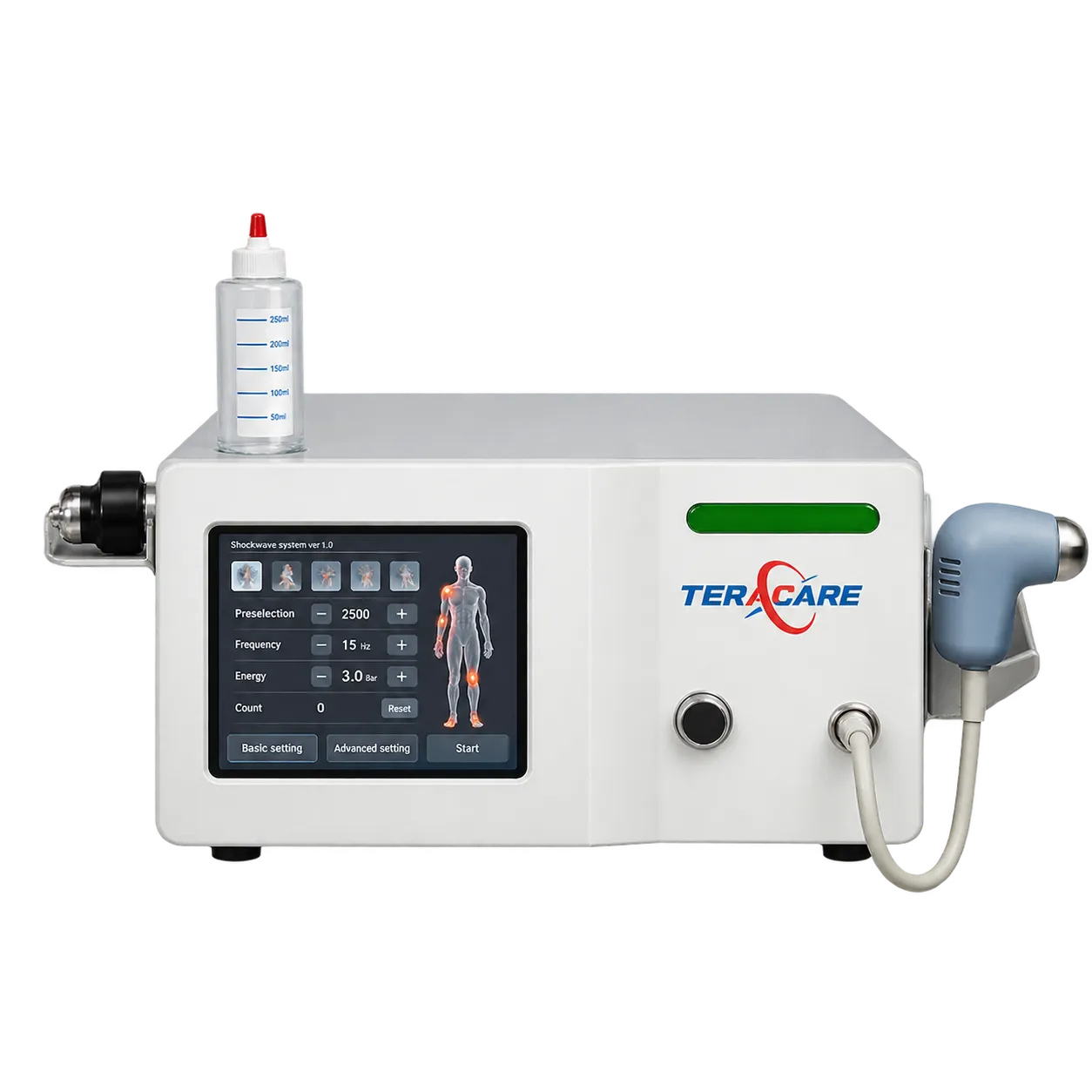
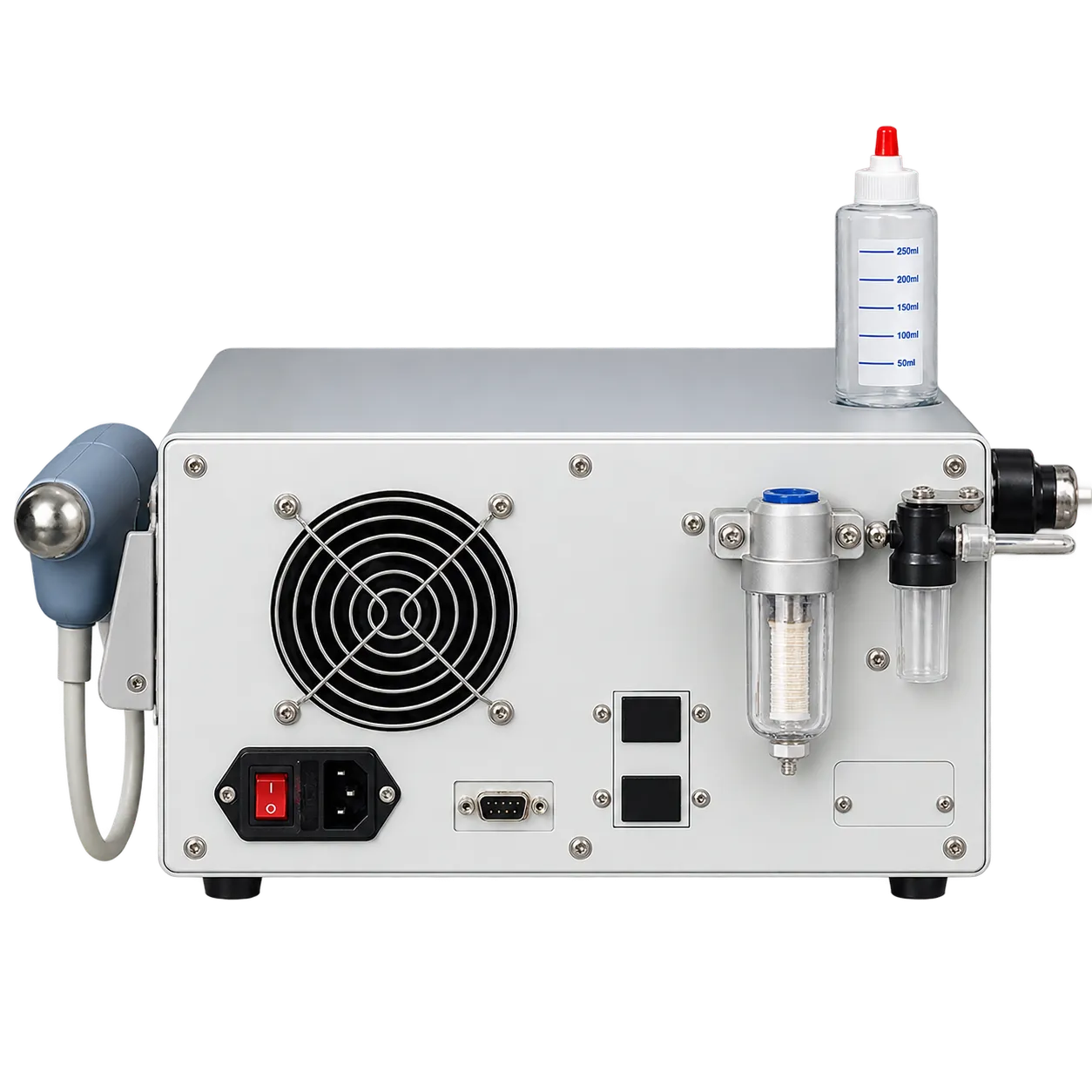

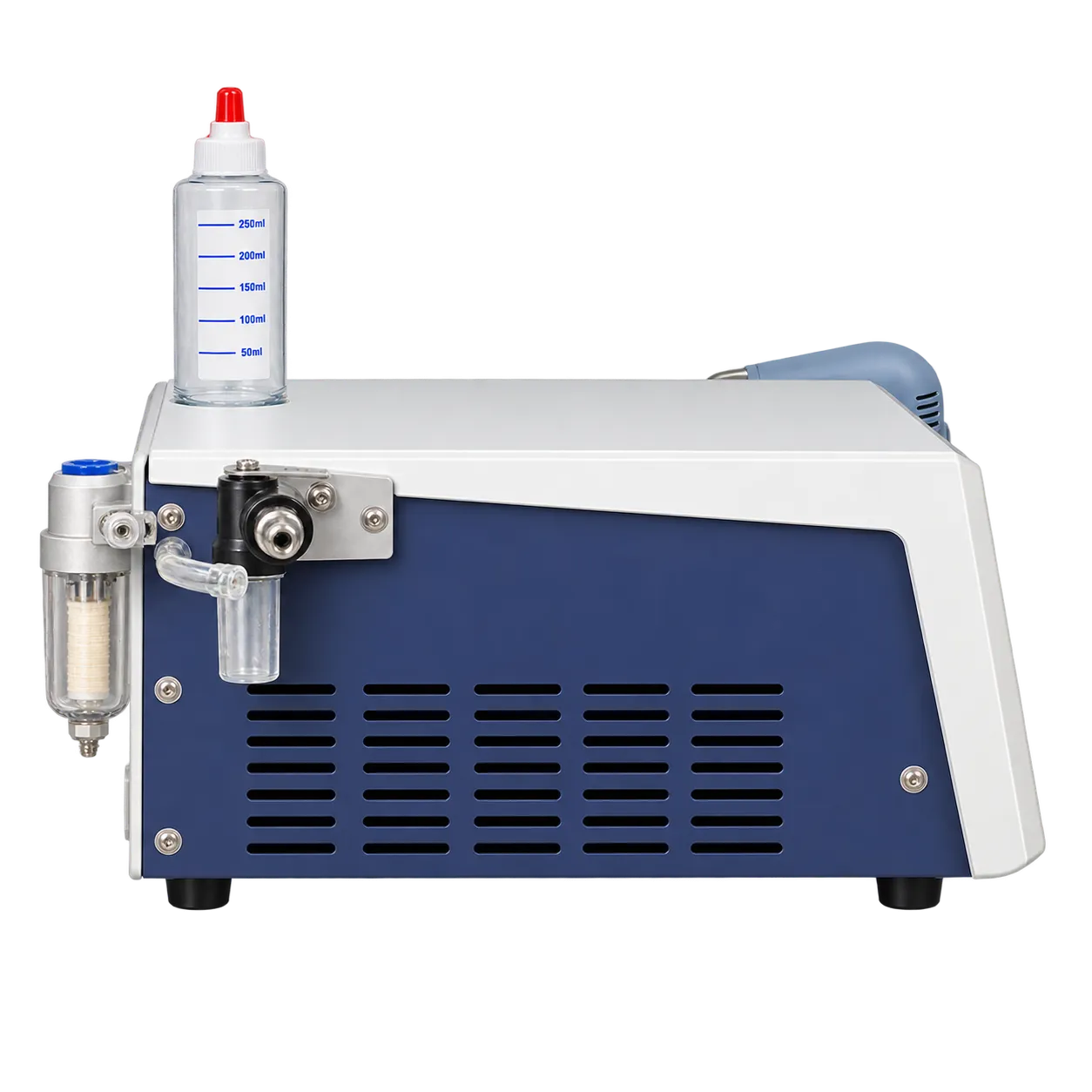
The T701 suits a room that treats shockwave in one place. Podiatry clinics managing heel pain lists, musculoskeletal services with a dedicated treatment room, sports medicine practices, and physiotherapy departments that allocate a bay to shockwave all fit that pattern. Shockwave is most often used for Achilles tendinopathy, plantar fasciitis, tennis elbow, and greater trochanteric pain syndrome, generally after conservative treatment has not resolved the problem.
Heel pain is where this configuration reads best. Plantar fasciitis at the calcaneal insertion is a superficial target within easy reach of radial output; the half-bar and single-hertz increments allow the gradual titration most protocols describe, and seven probes offer a choice of face for the insertion and surrounding tissue. Which probe suits which target is a question for the seller, since none is described.
Siting deserves as much thought as the clinical fit. A console of this mass wants a bench rated to carry it, at a height that avoids stooping during treatment, with the delivery route to that bench planned before the carton arrives. Once it is in place, it should not need moving again, which is the point.
The governance expectation applies throughout. Guidance attaches special arrangements for clinical governance, consent and audit to shockwave across tendon indications, so a service needs those in place before the first list. Procurement runs through trust musculoskeletal and podiatry services, private practices and sports medicine providers under their own rules, with a Class IIa or IIb device clearing clinical governance alongside finance. Adverse incidents go to the MHRA through the Yellow Card scheme.