
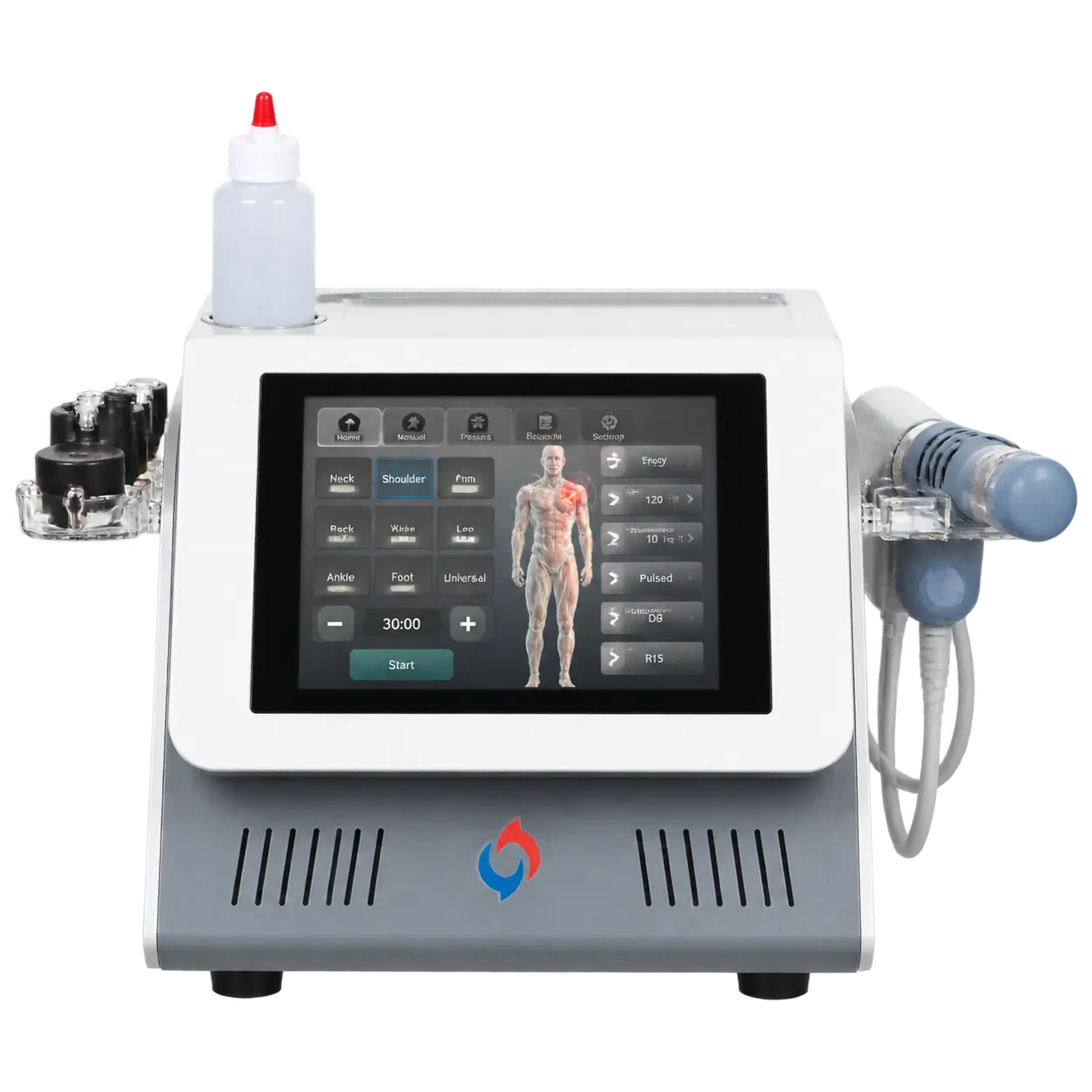
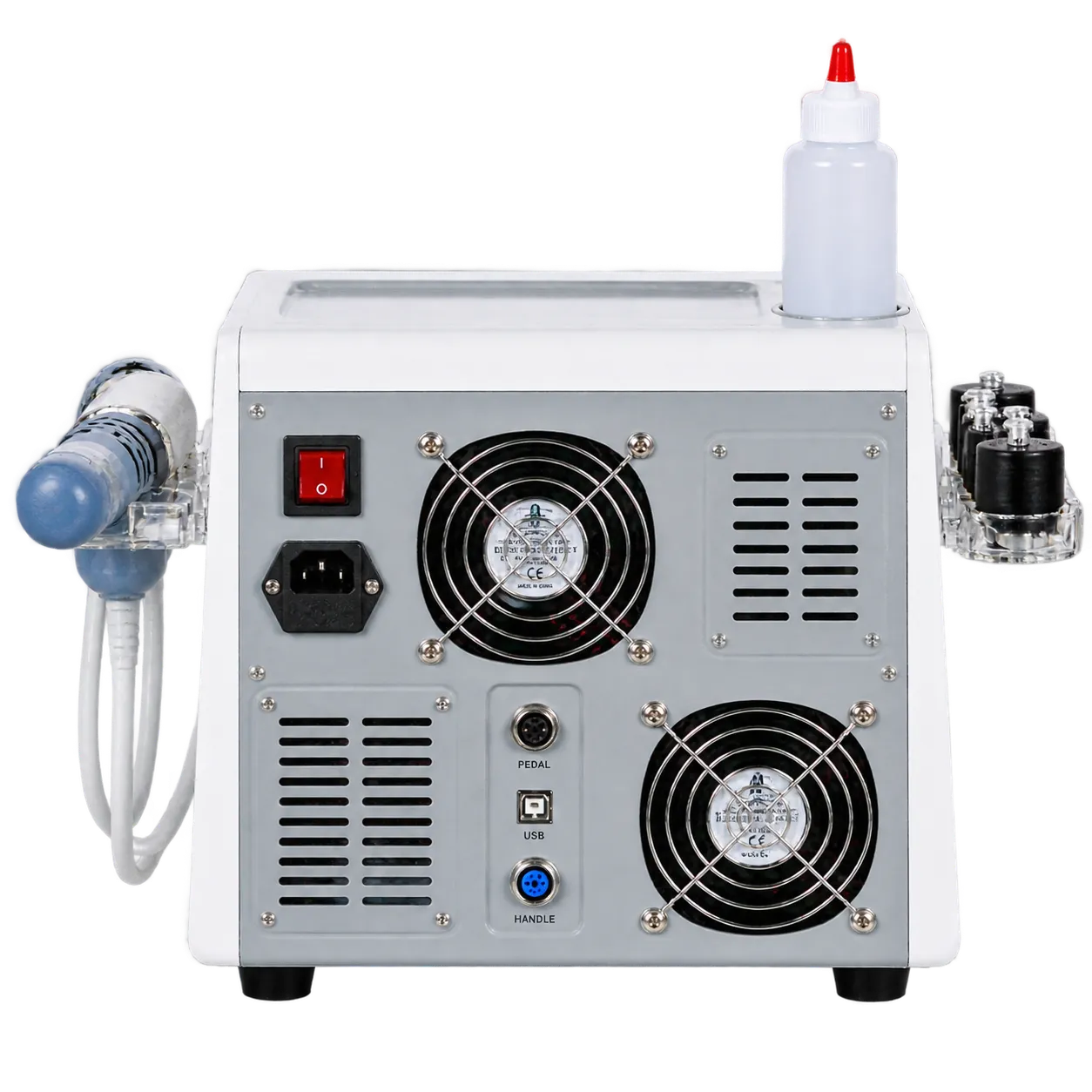
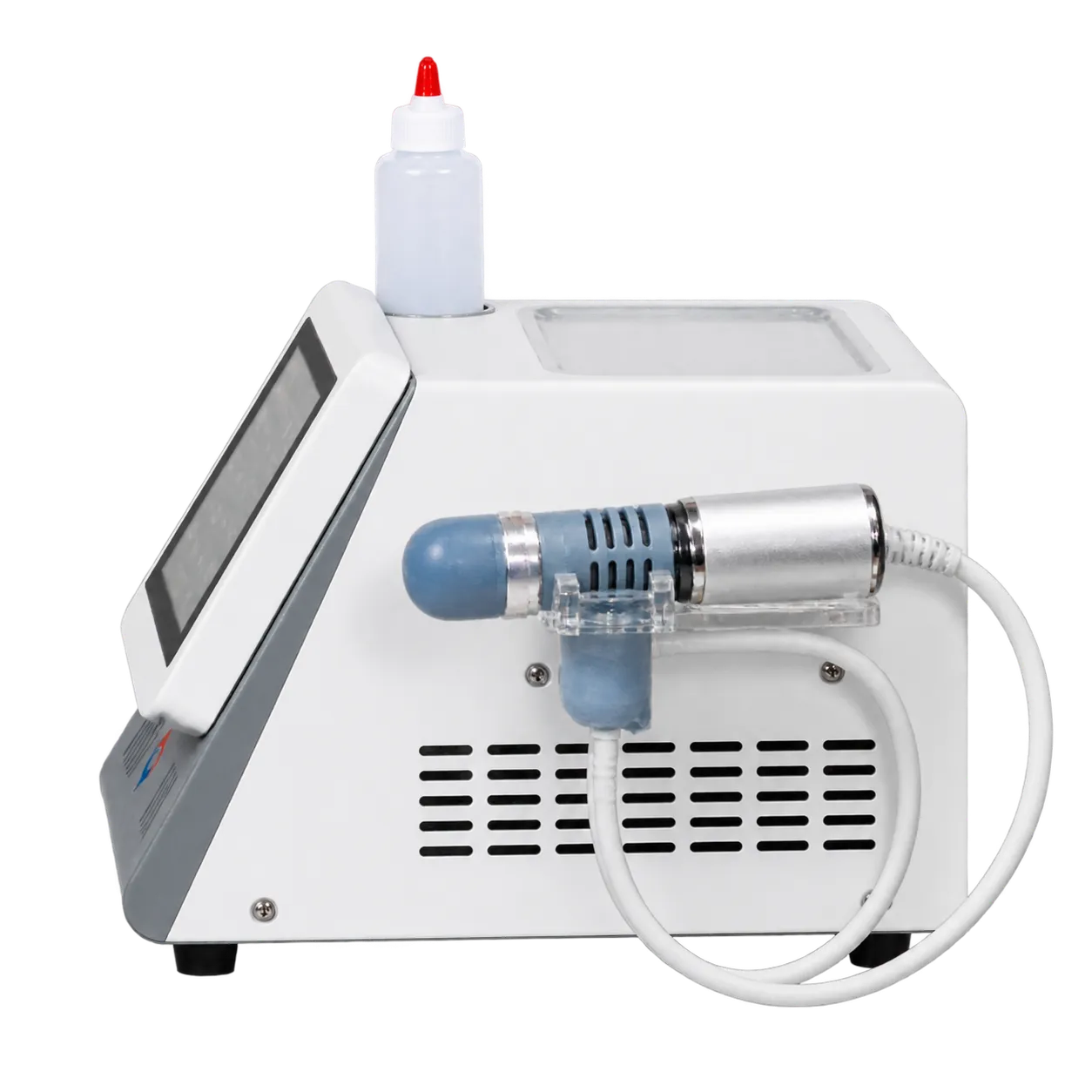
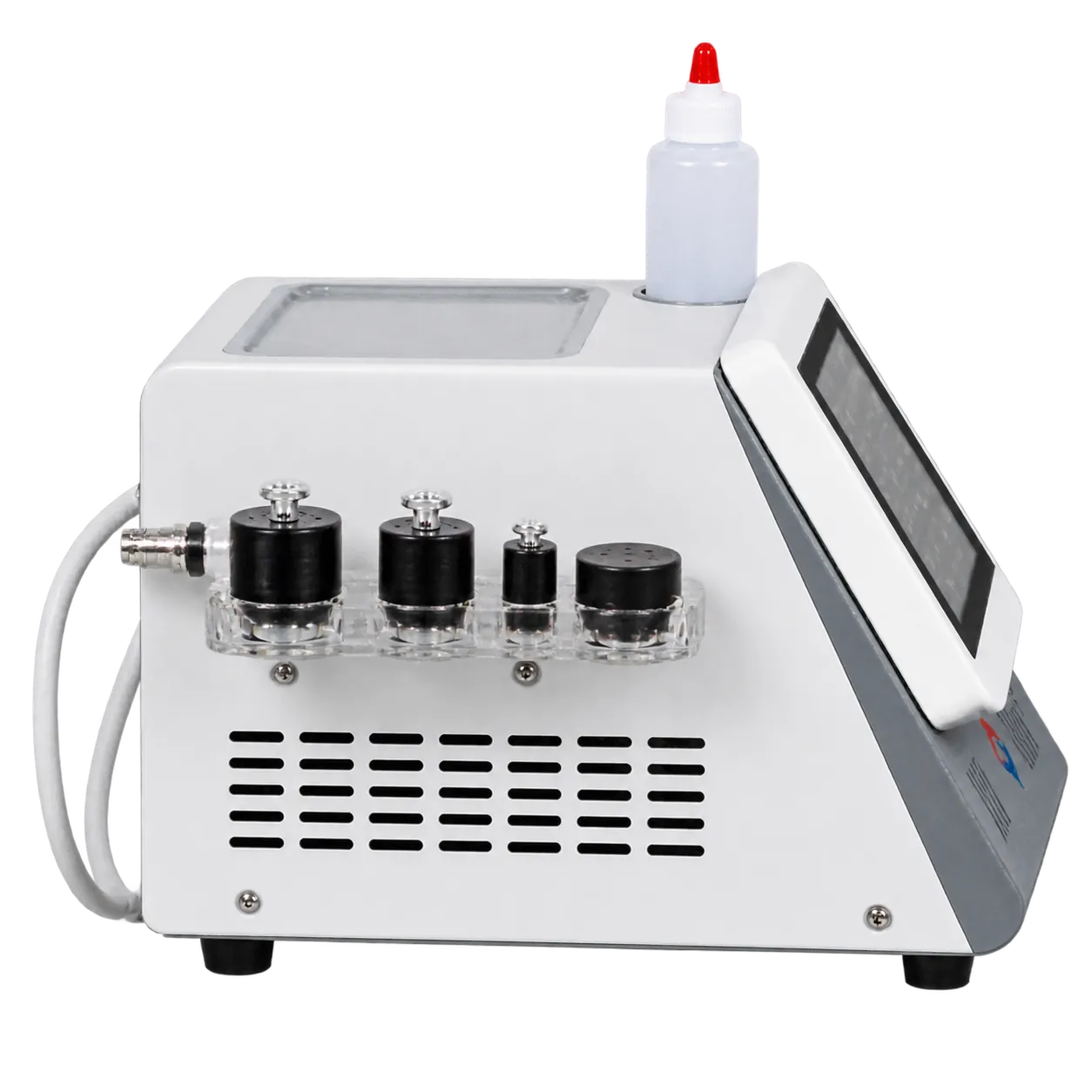
Podiatry and foot clinics are where the T606 fits most naturally, followed by small physiotherapy practices, sports injury rooms and musculoskeletal services that treat in a single room. Registered clinicians deliver the treatment within their scope of practice, and the service answers to the provider regulator for its setting.
Plantar heel pain is the core indication. Placebo-controlled trials pooled in a 2019 meta-analysis favoured medium-energy shockwave therapy over placebo, and the same review found local anaesthesia reduced the effect at low and high energy. NICE's guidance on refractory plantar fasciitis (IPG311) remains cautious, describing efficacy evidence as inconsistent and asking for special arrangements for consent and audit. A foot clinic can work within both findings by offering shockwave after first-line care and recording outcomes from the first patient.
Achilles tendinopathy falls under the same NICE arrangements (IPG571). Lateral elbow pain is where the evidence turns against the treatment: a Cochrane review of nine placebo-controlled trials found little or no benefit for pain or function. NICE restricts calcific tendinopathy of the shoulder to research (IPG742). A clinic should decide which of these it will offer before the unit arrives, not after the first referral.
For a bench-top unit, the practical questions are placement and reach. The unit needs a firm surface beside the couch and a lead long enough to reach the heel with the patient prone; the room should be checked for this setup. The shock counter lets a clinician fix each session in advance, which keeps treatment consistent when locum or part-time staff share the unit.
Record probe, pressure, frequency and shock count for every session so the audit NICE asks for is possible. The conformity documentation required for those procurement routes is issued by the manufacturer and provided by the seller.