
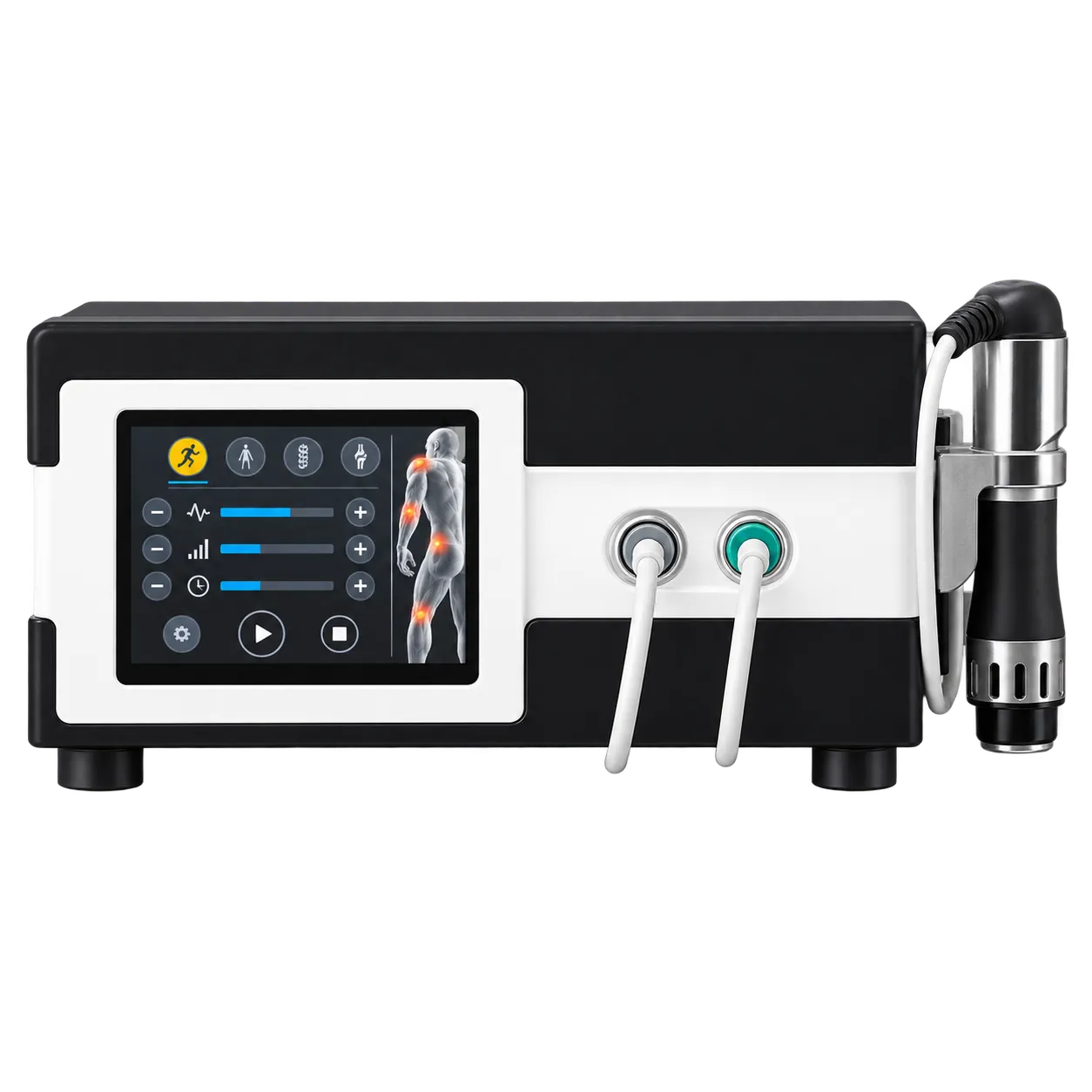
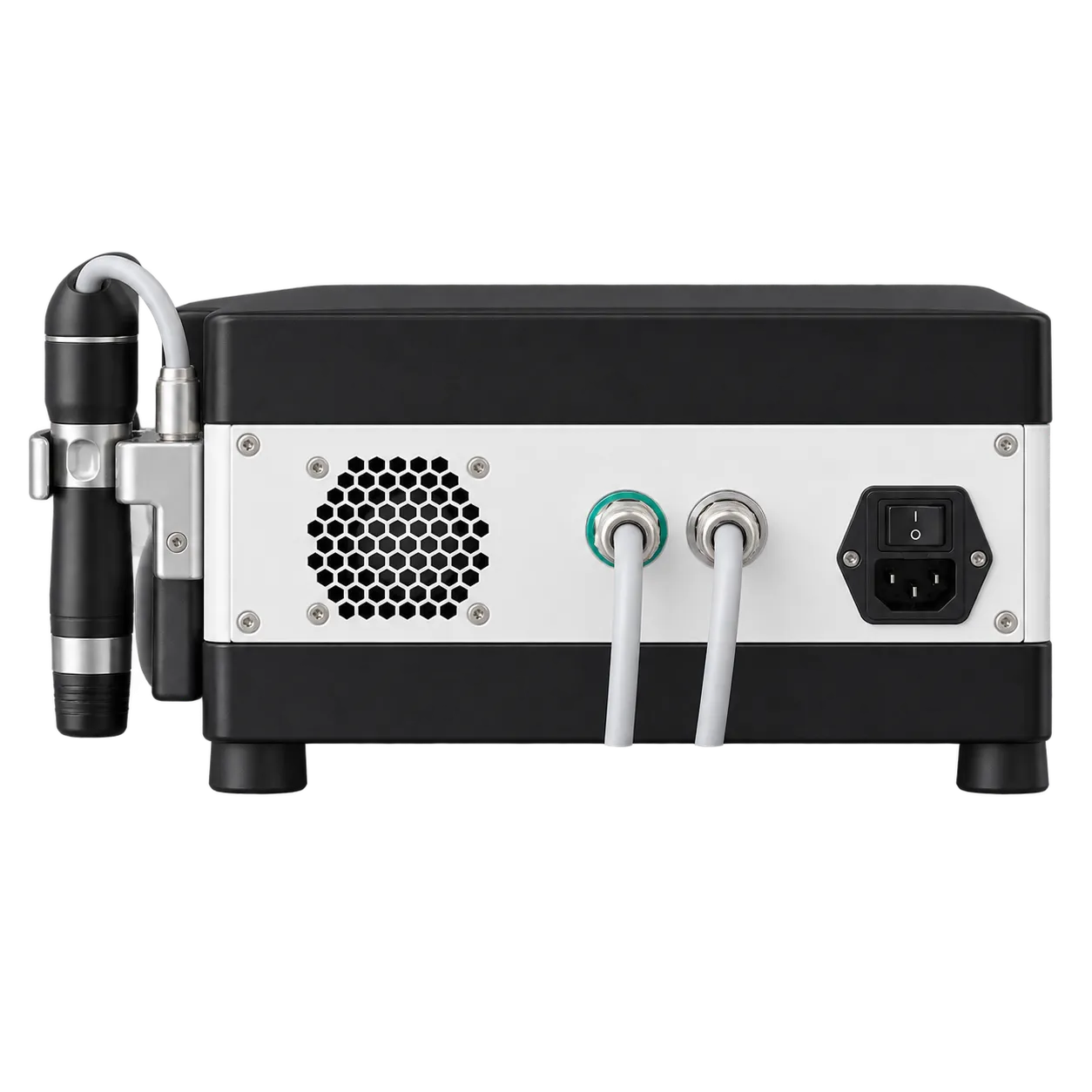
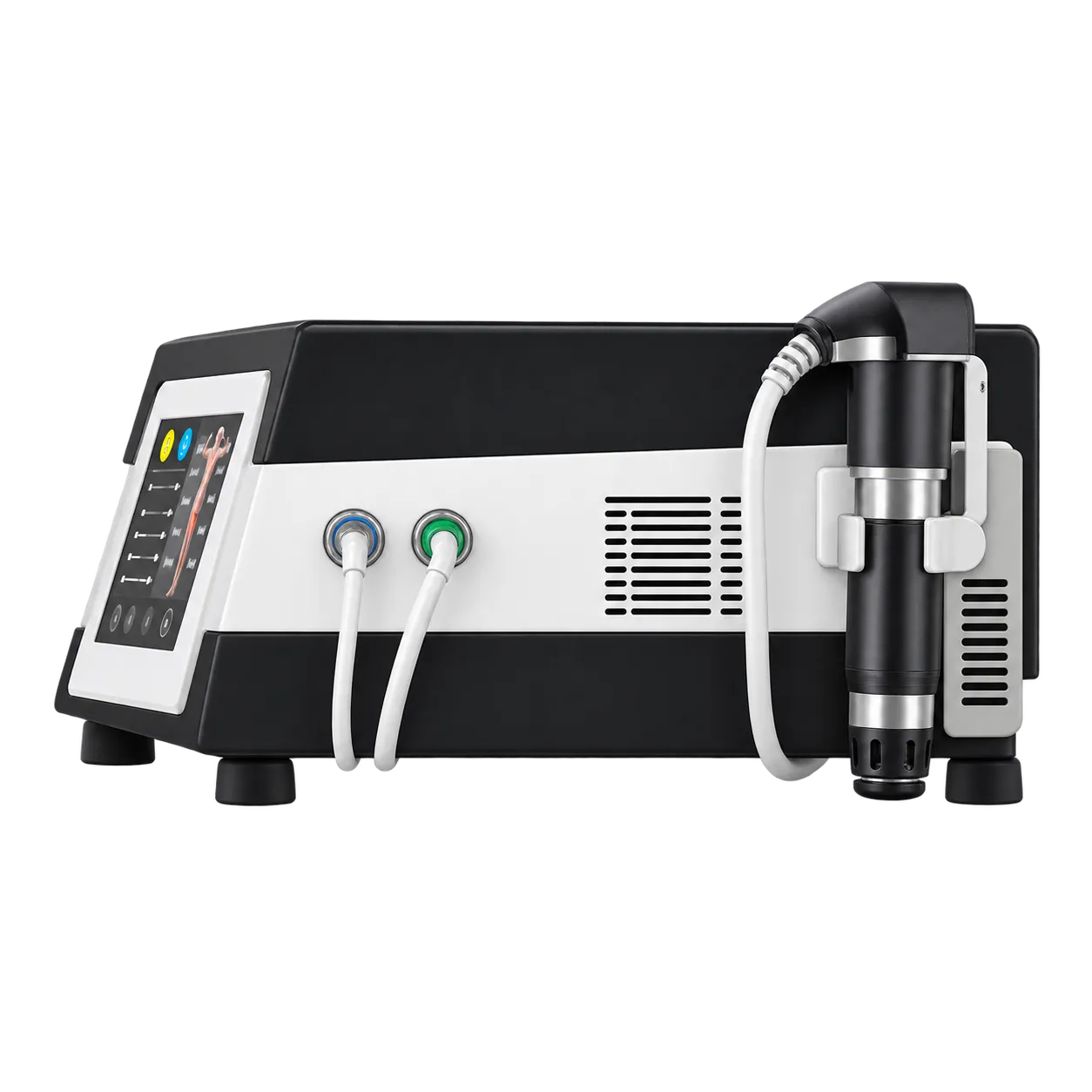
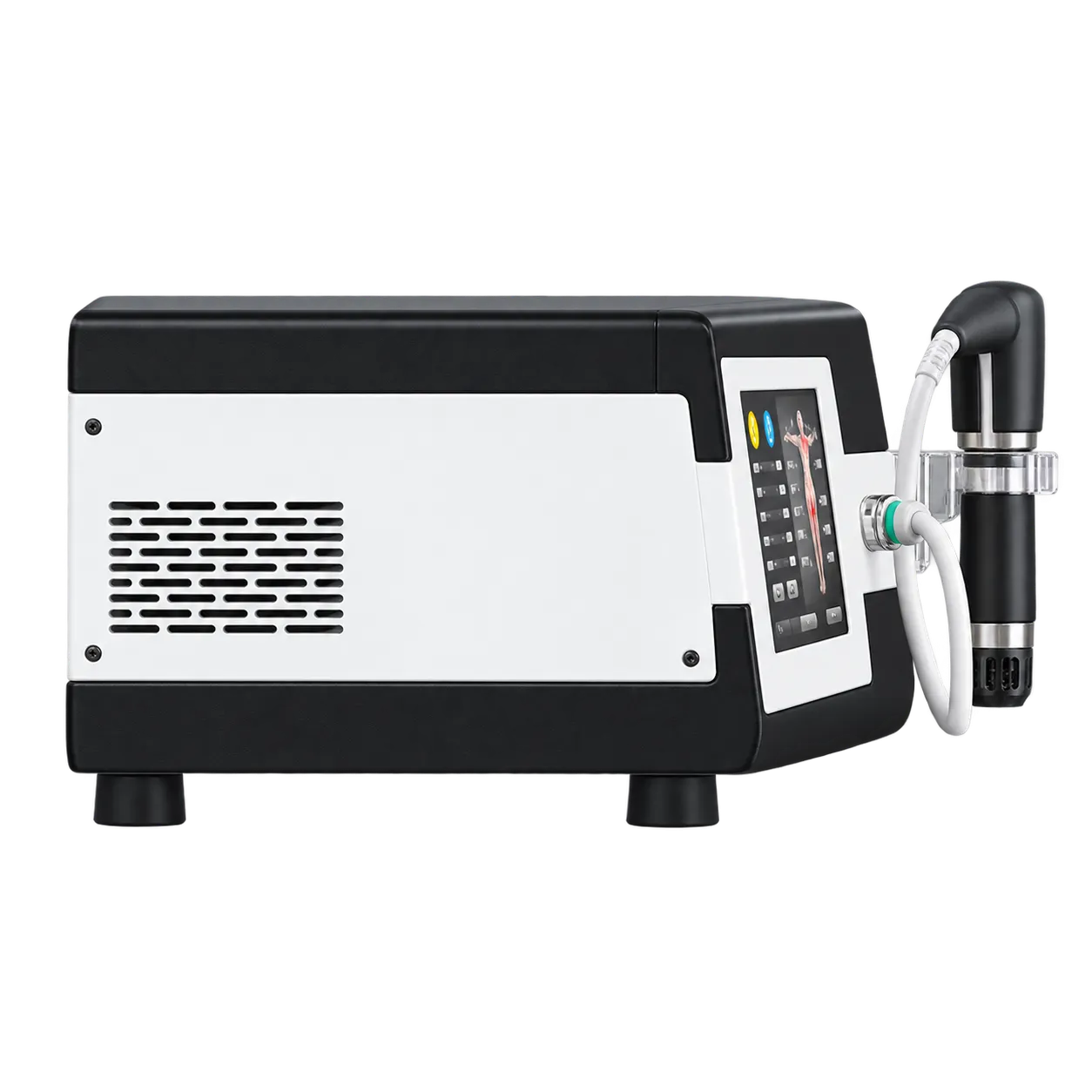
Physiotherapy and sports rehabilitation practices are the obvious buyers, along with podiatry and osteopathy clinics wanting a second modality without a second machine on the bench. The appeal is one footprint, one plug and one screen, which matters most where treatment rooms are small and shared.
Clinically, the combination suits chronic tendon and soft-tissue presentations where a mechanical stimulus and an adjunct are both wanted in one visit. Common examples include elbow and Achilles tendinopathy, plantar heel pain, and smaller joints such as the wrist, with swelling and stiffness often driving the choice of a second modality.
The caution belongs in the same breath. Evidence for combining these modalities is weaker than for either on its own, so a service should set conservative protocols, measure outcomes at baseline and discharge, and be willing to drop the second modality if the numbers do not justify it.
Workflow discipline is what makes the room work. Decide the order of the two halves, write both parameter sets into the record, keep coupling medium and wipes at the bench, and build cleaning time into the slot rather than borrowing it from the next patient.
Room layout is worth a moment as well. Two handles mean two cables, and a bench arranged so neither crosses the working side of the couch prevents the small tangles that interrupt a session. Sole practitioners buy direct as a rule, while group practices route it through a practice manager. The manufacturer issues the conformity documentation and provides it to the seller; here, that should include the ultrasound output data before anything is scheduled.