
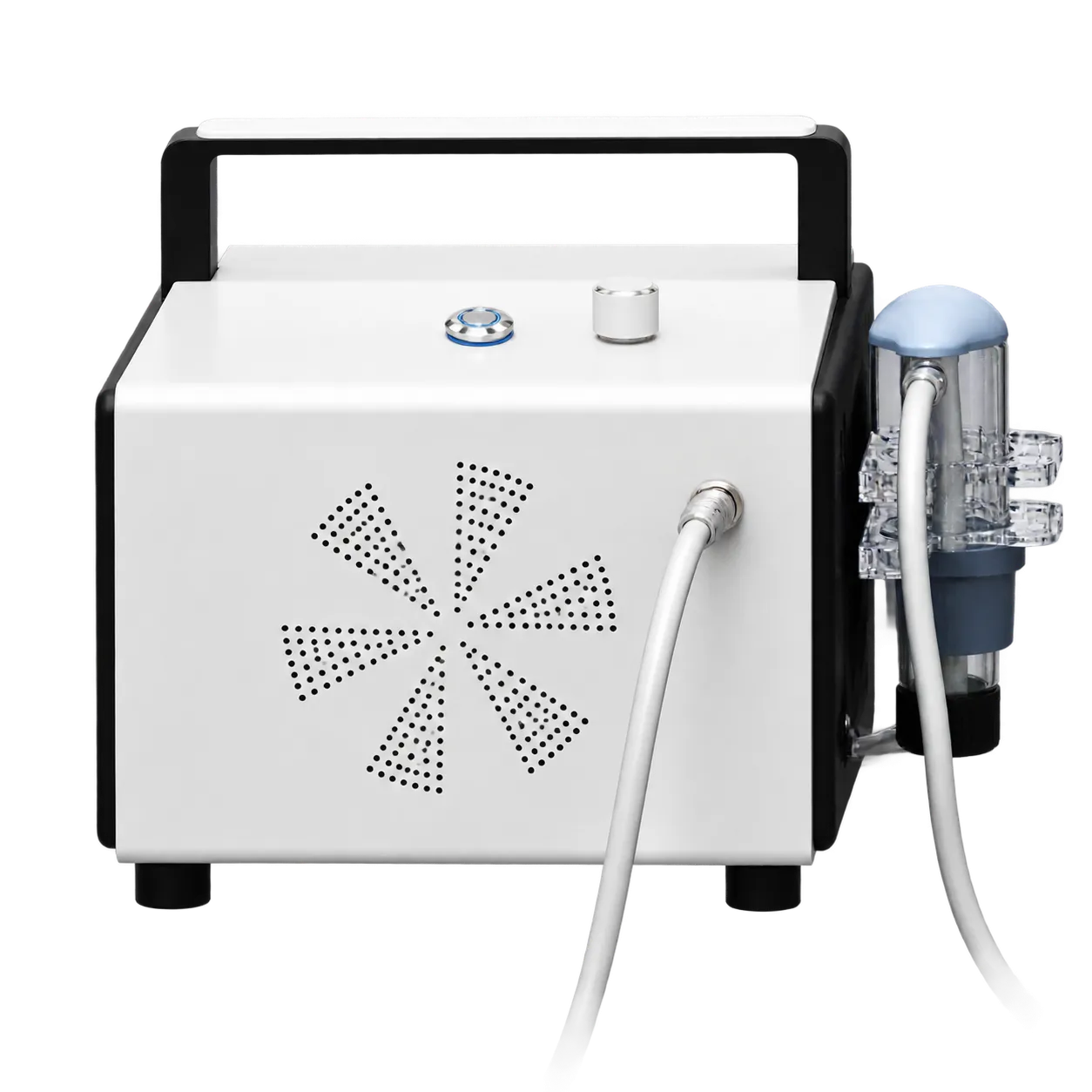
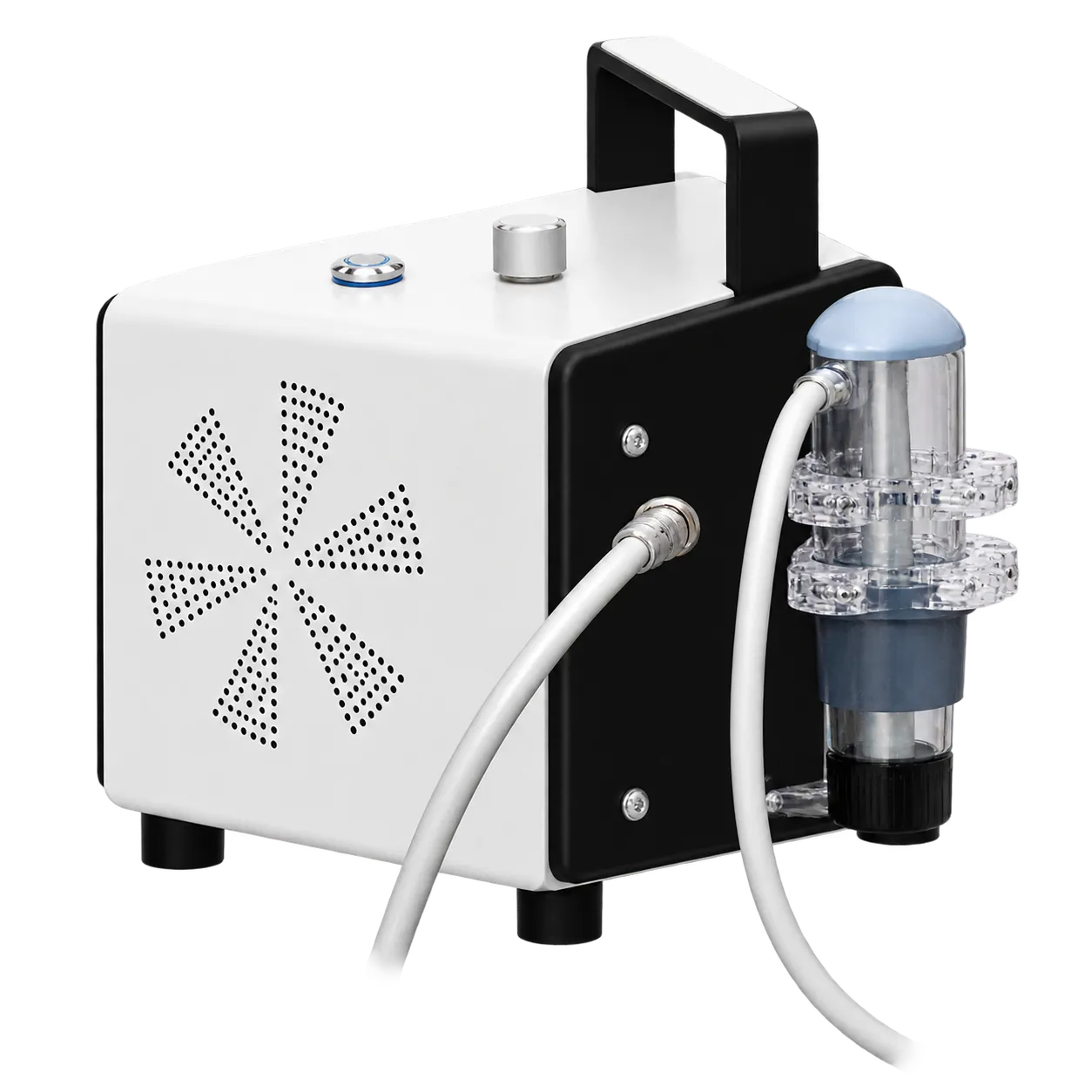
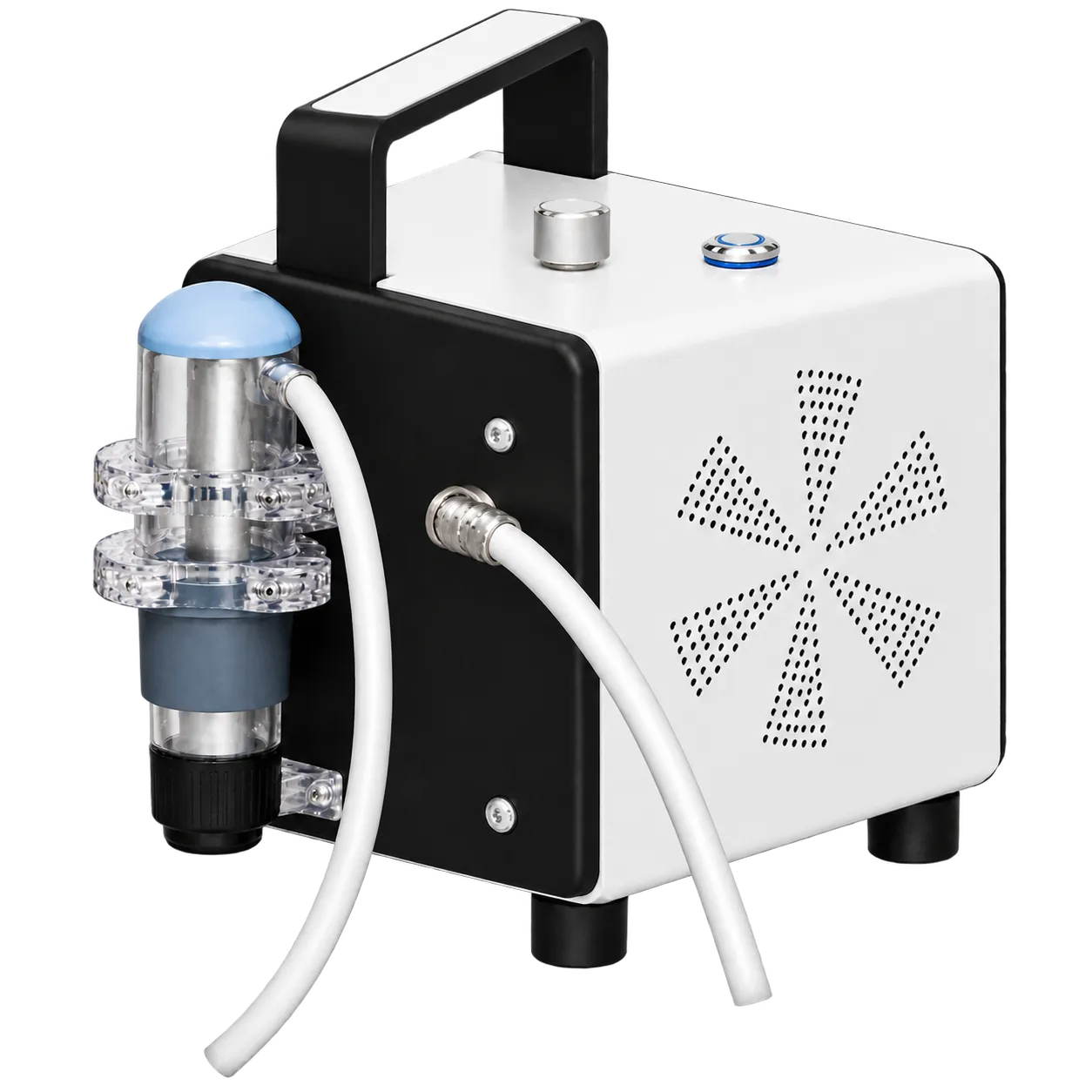
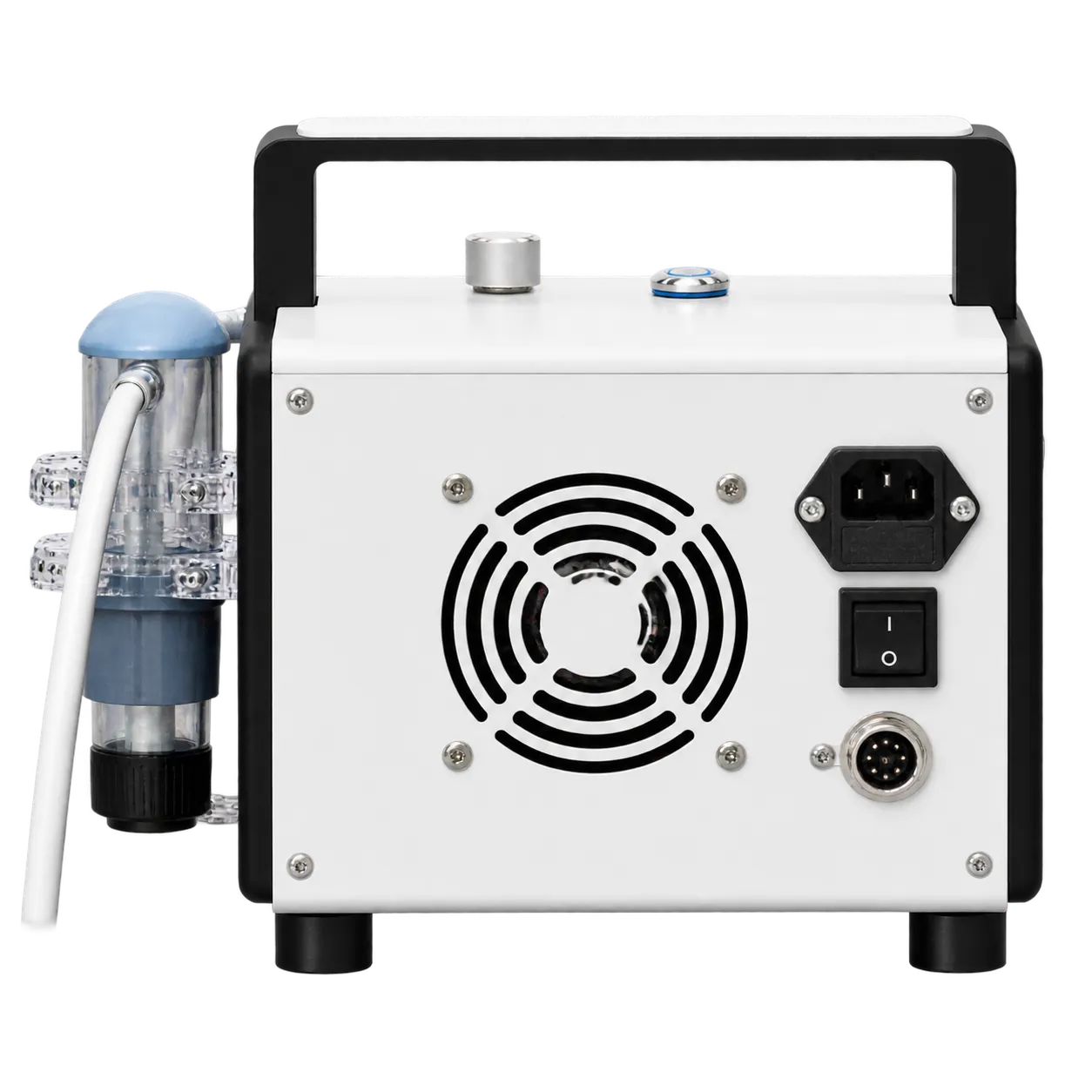
The T202 suits services that treat soft tissue in any available room. Physiotherapy departments, podiatry clinics, sports injury practices and musculoskeletal services all run lists across several rooms, and a twelve-kilogram machine moves with the clinician instead of the clinician moving patients to it. Shockwave therapy is most often used for Achilles tendinopathy, plantar fasciitis, tennis elbow, and greater trochanteric pain syndrome, generally after conservative treatment has been tried without resolving the problem.
Five probes widen what one machine covers within that list. Probe face and diameter determine the treated area and how energy spreads from the contact point. So, a set supplied with the machine can handle trigger-point work on a muscle belly and a focal tendon insertion in the same visit, without ordering anything first. What each probe suits is a question for the seller, since the sheet gives a count and no descriptions.
Radial output shapes where it fits clinically. Energy is highest at the skin and disperses with depth, which suits superficial tendon and muscle targets and behaves differently on deeper structures. A service planning deeper work should establish what this modality reaches before committing, because the specification makes no claim in either direction.
Buying runs through the usual routes. NHS musculoskeletal services, private physiotherapy and podiatry groups, sports medicine practices and veterinary users each apply their own procurement rules, and a Class IIa or IIb device clears clinical governance alongside finance. Conformity documentation is issued by the manufacturer and provided by the seller. Report adverse incidents involving the device to the MHRA through the Yellow Card scheme.