
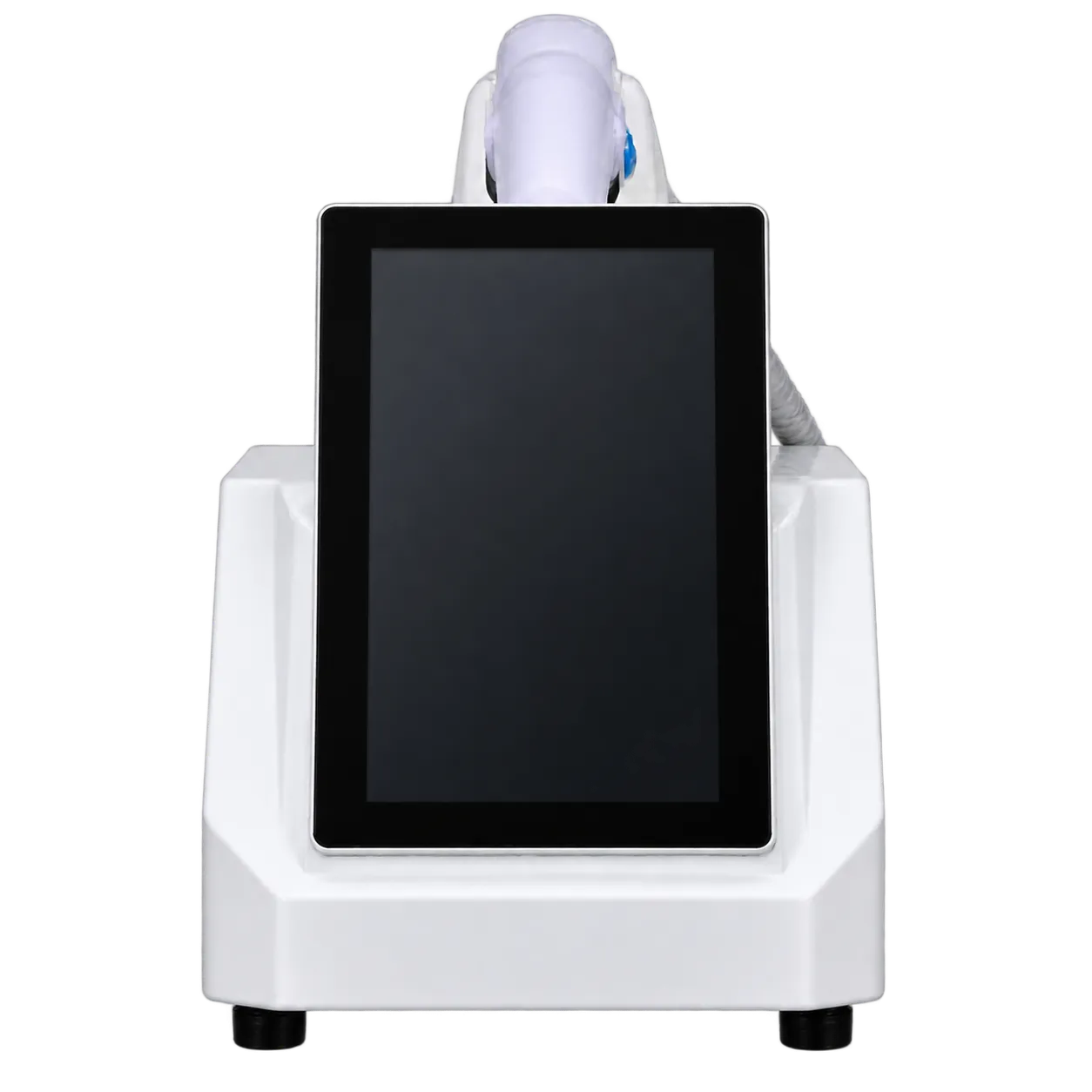
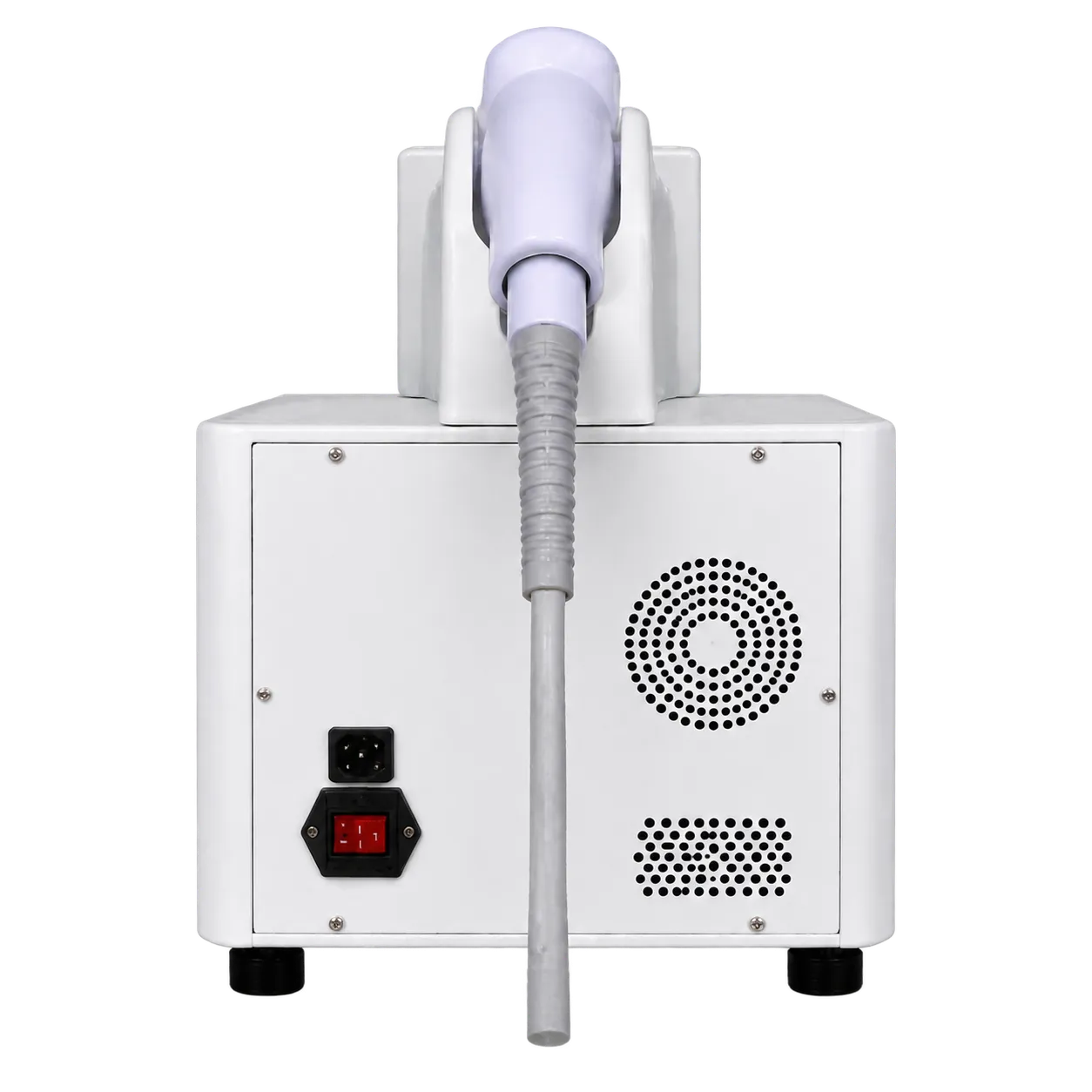
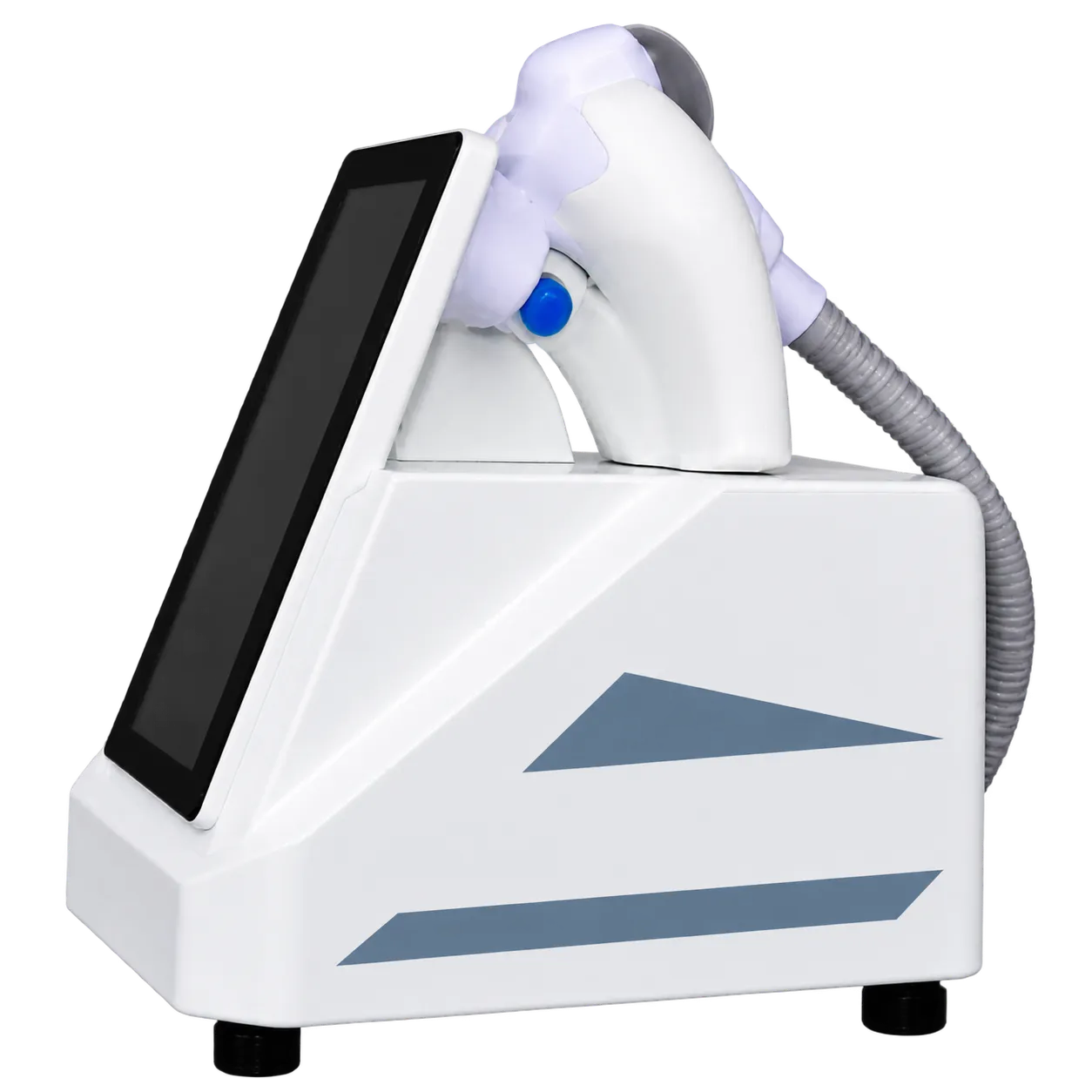
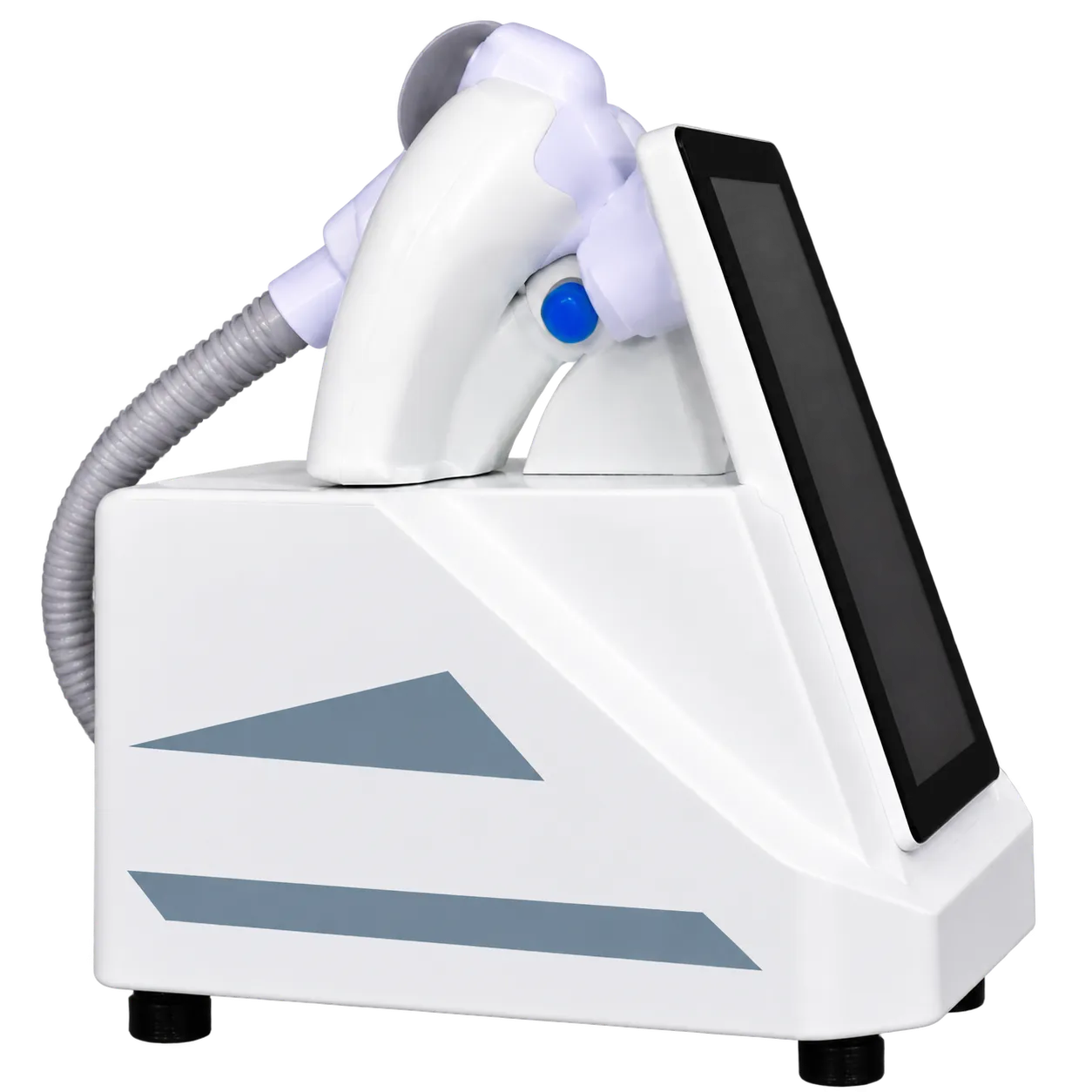
Podiatry is a natural home for the R23. NHS podiatry services already offer shockwave therapy for plantar heel pain, and a benchtop console can share a room with the podiatry chair. Patients usually reach this step after at least three to six months when physiotherapy, rest, orthotics, painkillers, or a steroid injection have not settled their symptoms, and the referral should record which of these they have tried.
Musculoskeletal physiotherapy and sports medicine services use radial shockwave for Achilles tendinopathy, lateral elbow pain and greater trochanteric pain syndrome, usually alongside a loading programme. NICE asks these services to inform their clinical governance leads, give patients clear written information about the uncertain evidence and audit every outcome. Its guidance on hip pain adds that clinicians should have specific training in the procedure and follow the manufacturer's instructions.
Orthopaedic outpatient departments that run shockwave lists work to the same arrangements, and one specialist NHS orthopaedic trust monitors every patient before and after treatment. Calcific shoulder tendinopathy is the exception, since NICE limits its use to research studies.
In England, a clinic where registered physiotherapists or podiatrists treat patients generally needs CQC registration to treat disease, disorder, or injury, while care given at a sports ground or gym solely for people taking part in sport is excluded. Both professions register with the HCPC.
Independent clinics usually buy direct, and NHS trusts apply their own medical device management checks before a console enters service. The conformity documentation those procurement routes require is issued by the manufacturer and provided by the seller.