
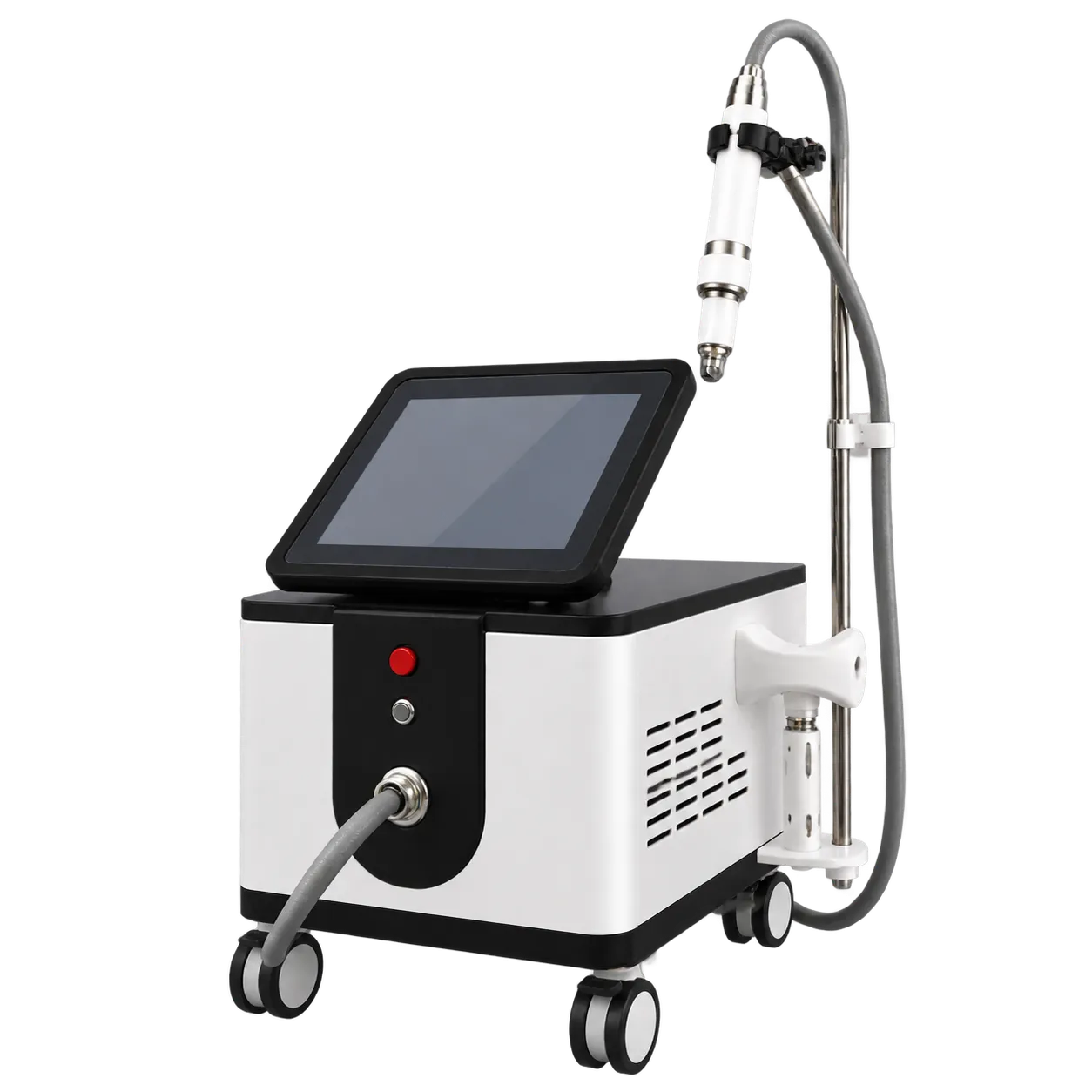
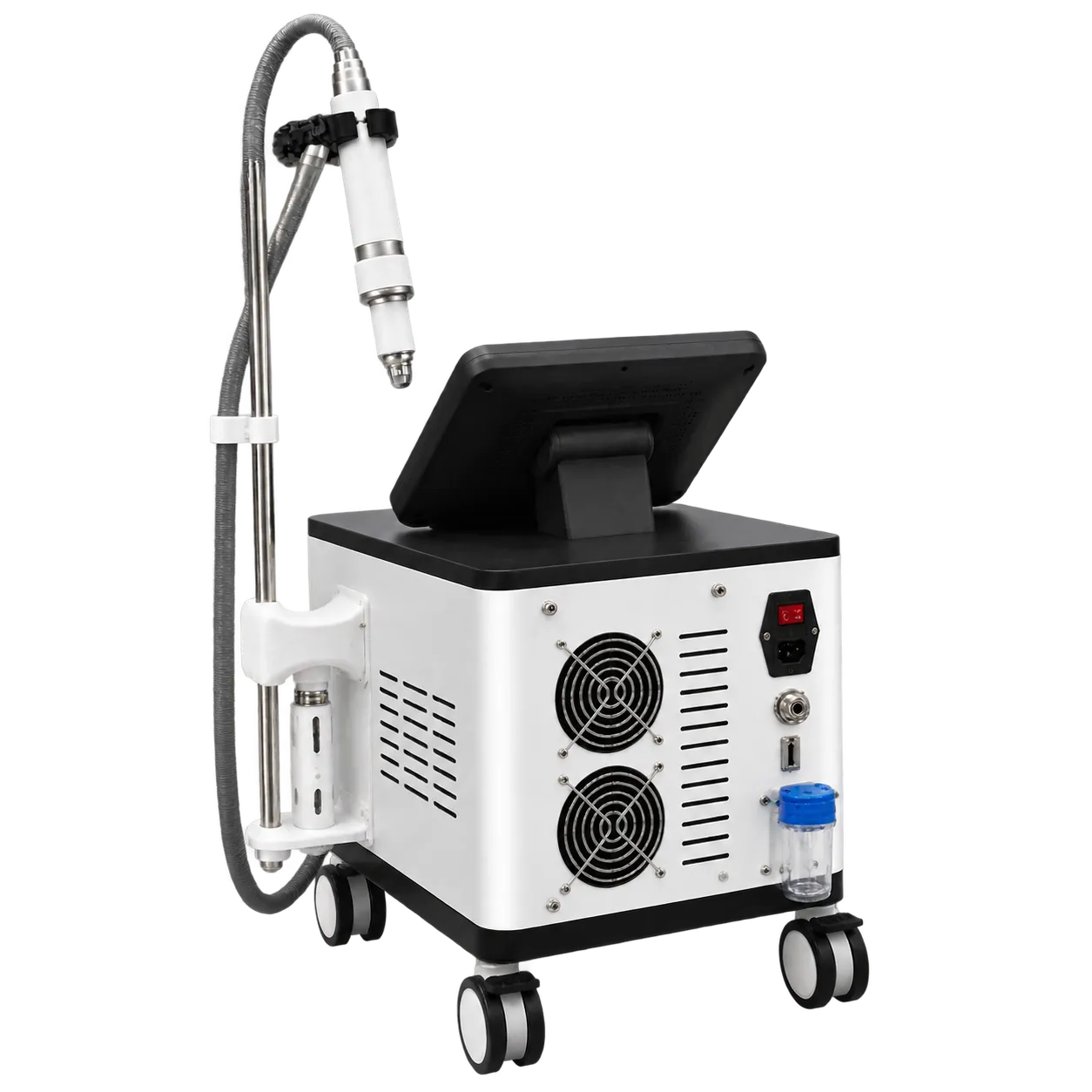
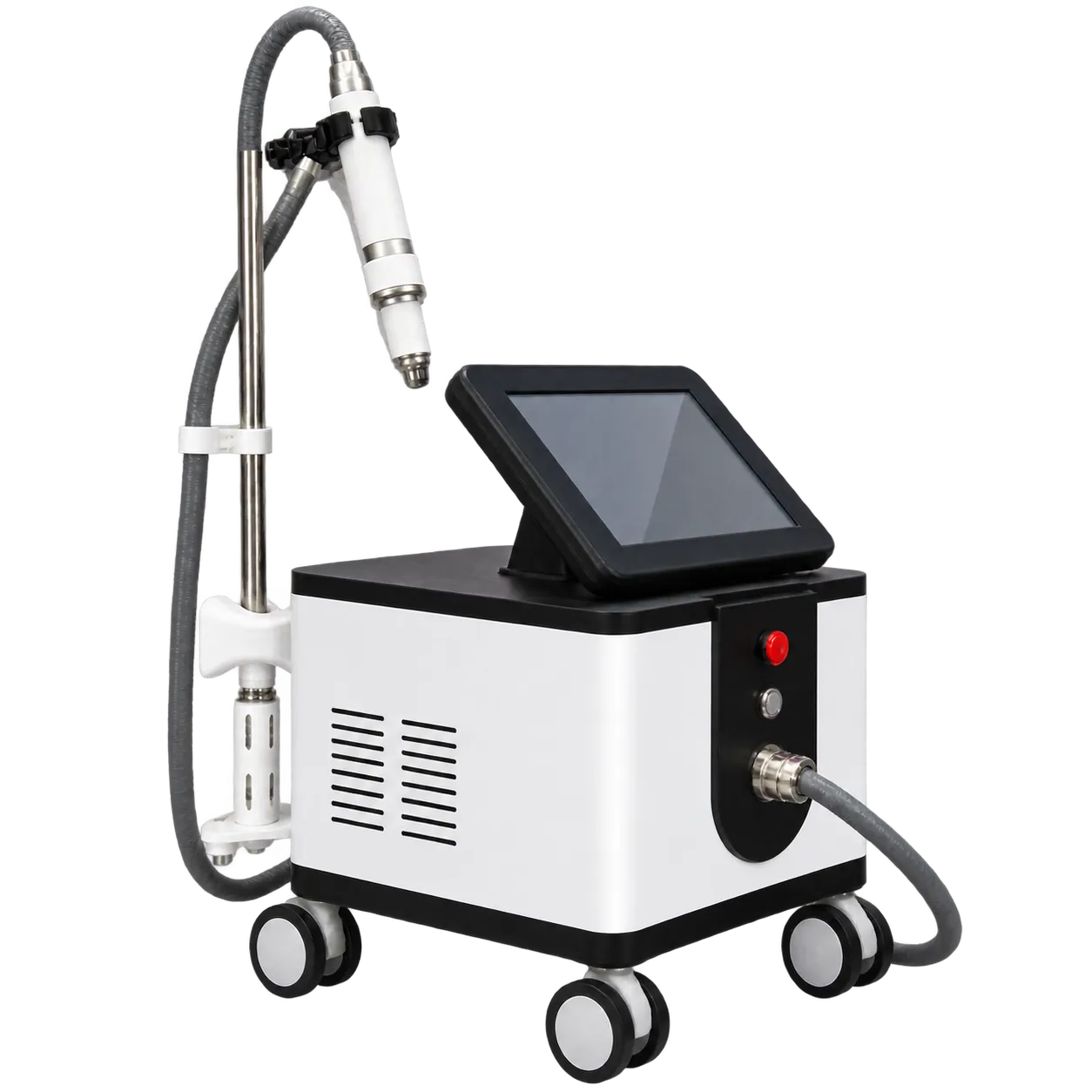
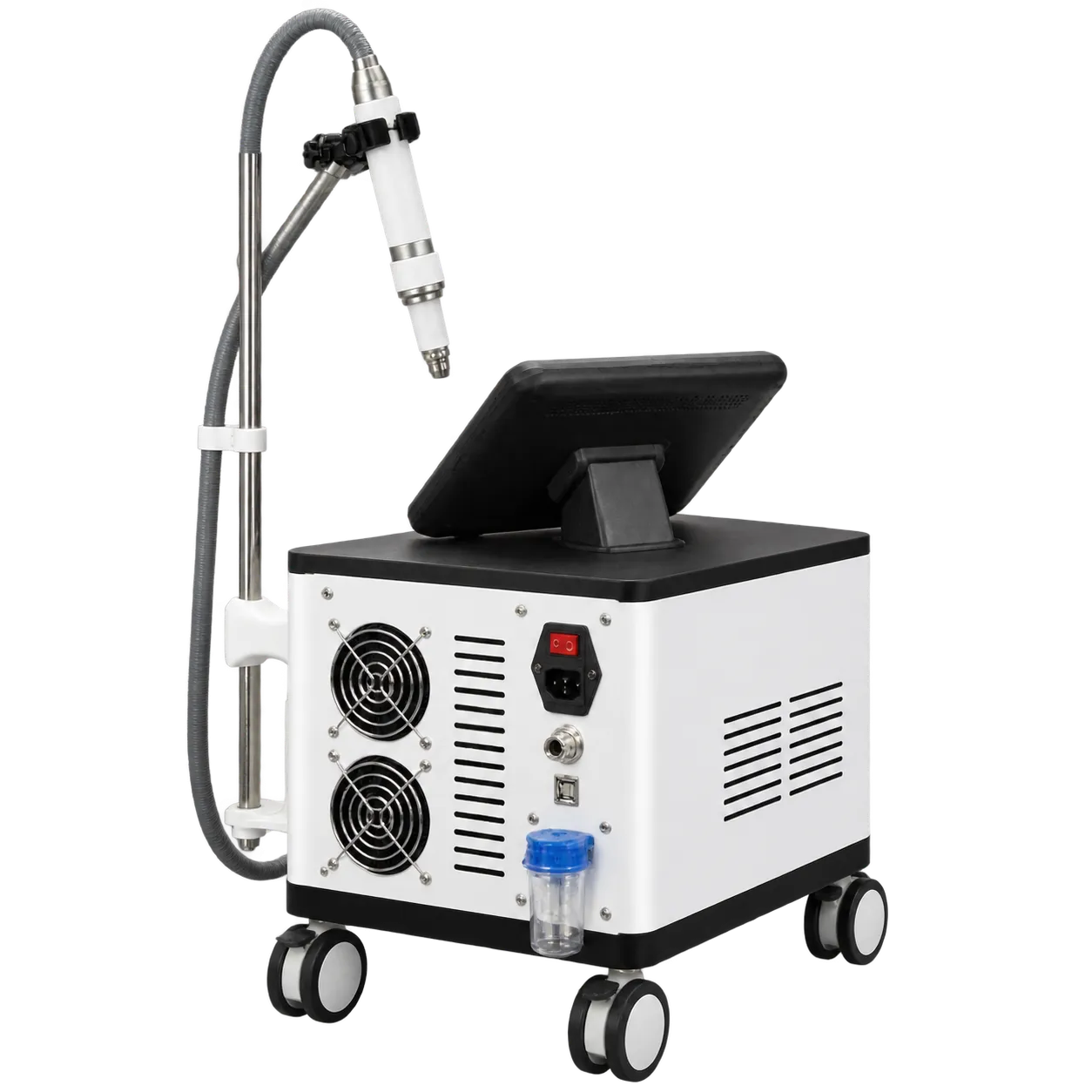
Physiotherapists in private practice and sports medicine teams are the most likely users, applying the LA51 to soft tissue injuries of muscle, tendon and ligament alongside loading and exercise programmes. Osteopaths, chiropractors and podiatrists who manage musculoskeletal pain fit the same pattern, as do pain clinics that already run electrotherapy and know how to fold a modality into a wider plan.
The three wavelengths change how a session begins. Skin type needs recording at assessment, because melanin takes up 810 nm readily and 1064 nm least, and the sheet does not confirm whether the lines can be separated. Tattoos, broken skin and areas of reduced sensation call for particular care with any thermal laser. The manufacturer's instructions for use should set out the contraindications in full, so request them at quotation and build them into the local protocol.
The evidence points to an adjunct role. Neck pain has moderate-quality evidence of pain relief against placebo, findings in patellofemoral pain point both ways, and NICE guideline NG226 recommends not offering laser therapy for osteoarthritis. A written treatment protocol agreed with the clinical lead and checked against the adviser's local rules, covering energy per session, handpiece technique and skin checks, makes treatments easier to repeat across a team.
Setting shapes the paperwork. In an NHS trust, the unit passes through the medical devices management process and the trust's laser safety arrangements before first use. In independent practice, the nation's regulator applies as set out above, and a clinic with several rooms needs a controlled area, signage, and local rules for each room where the laser runs. The manufacturer issues the conformity documentation these buyers will be asked for, and the seller provides it.