
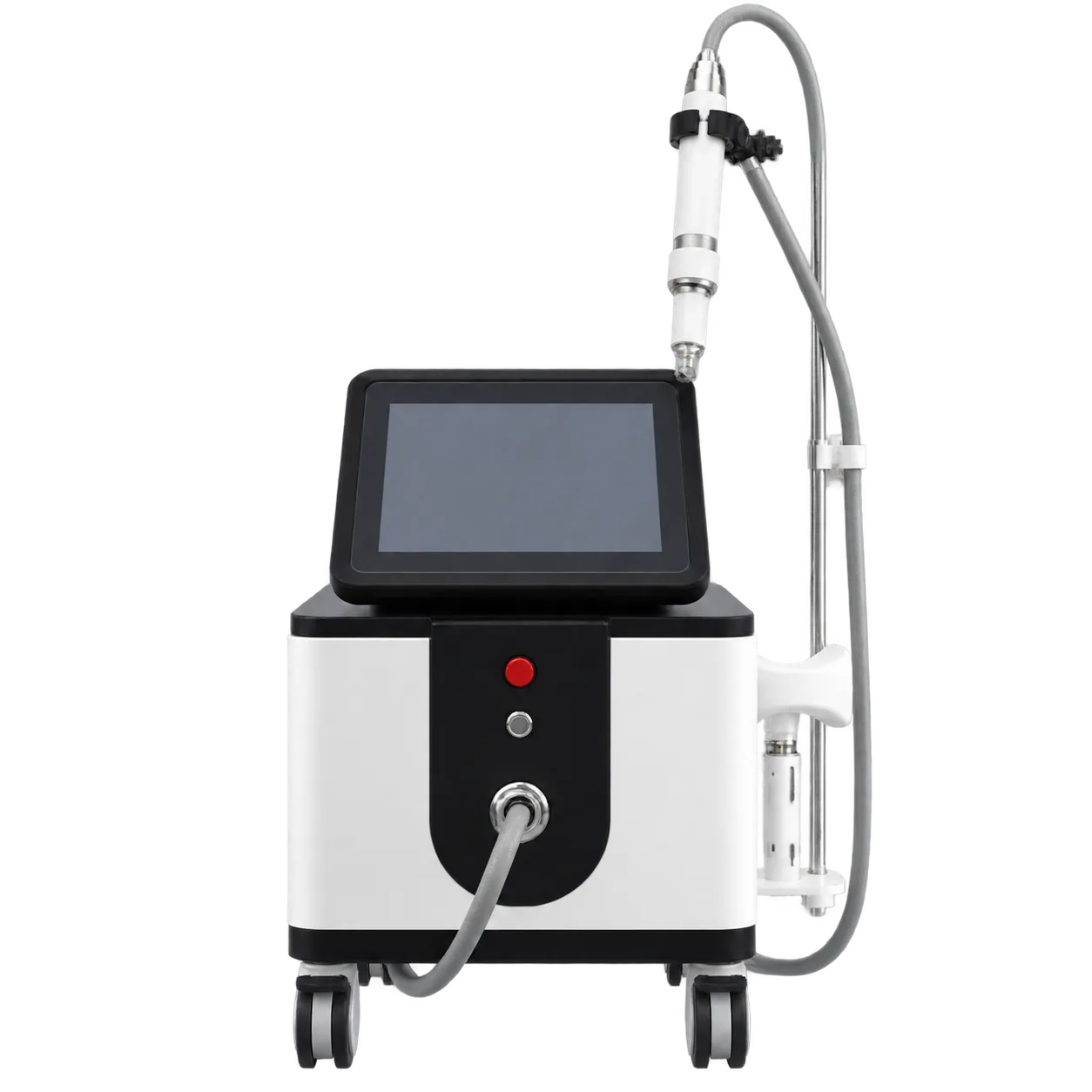
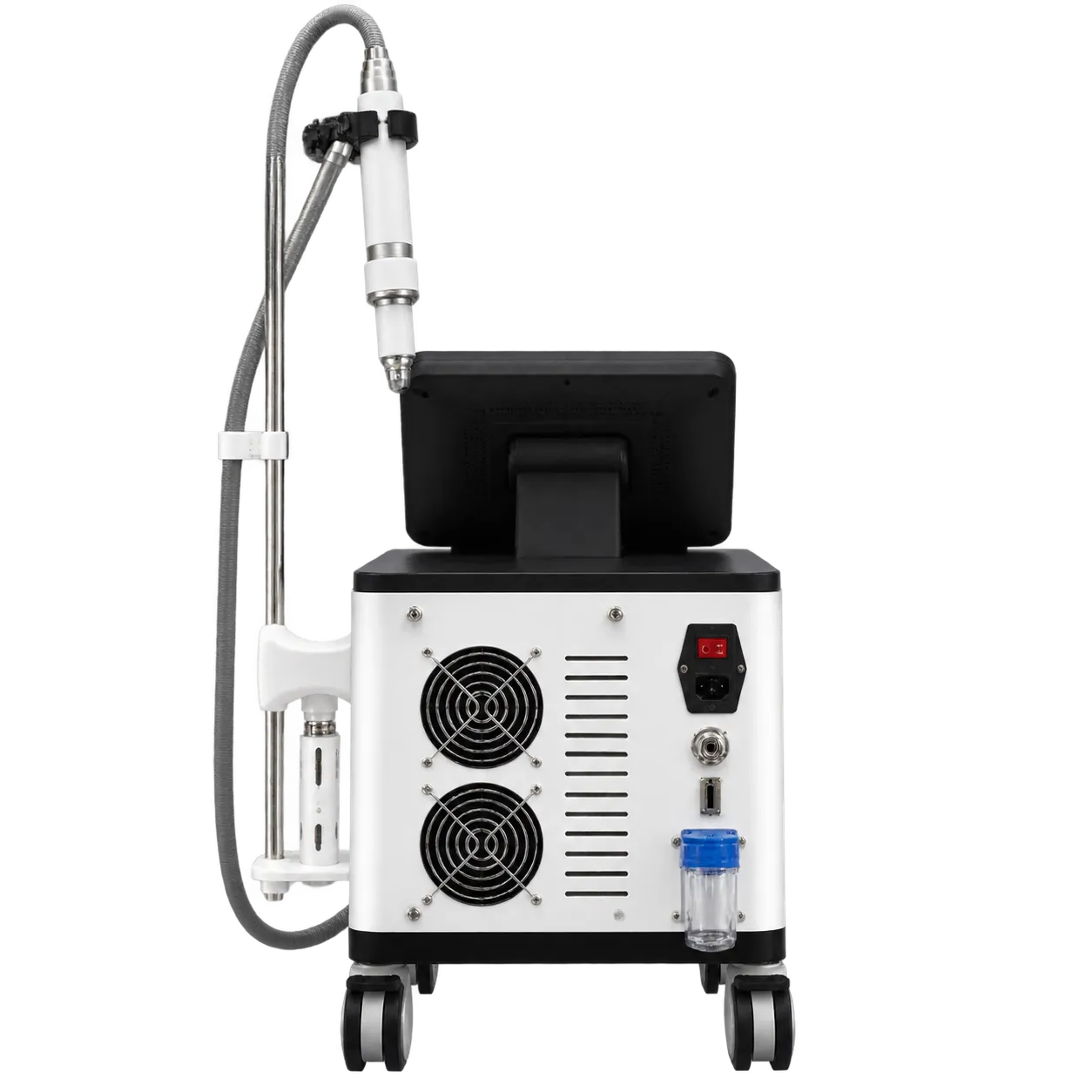
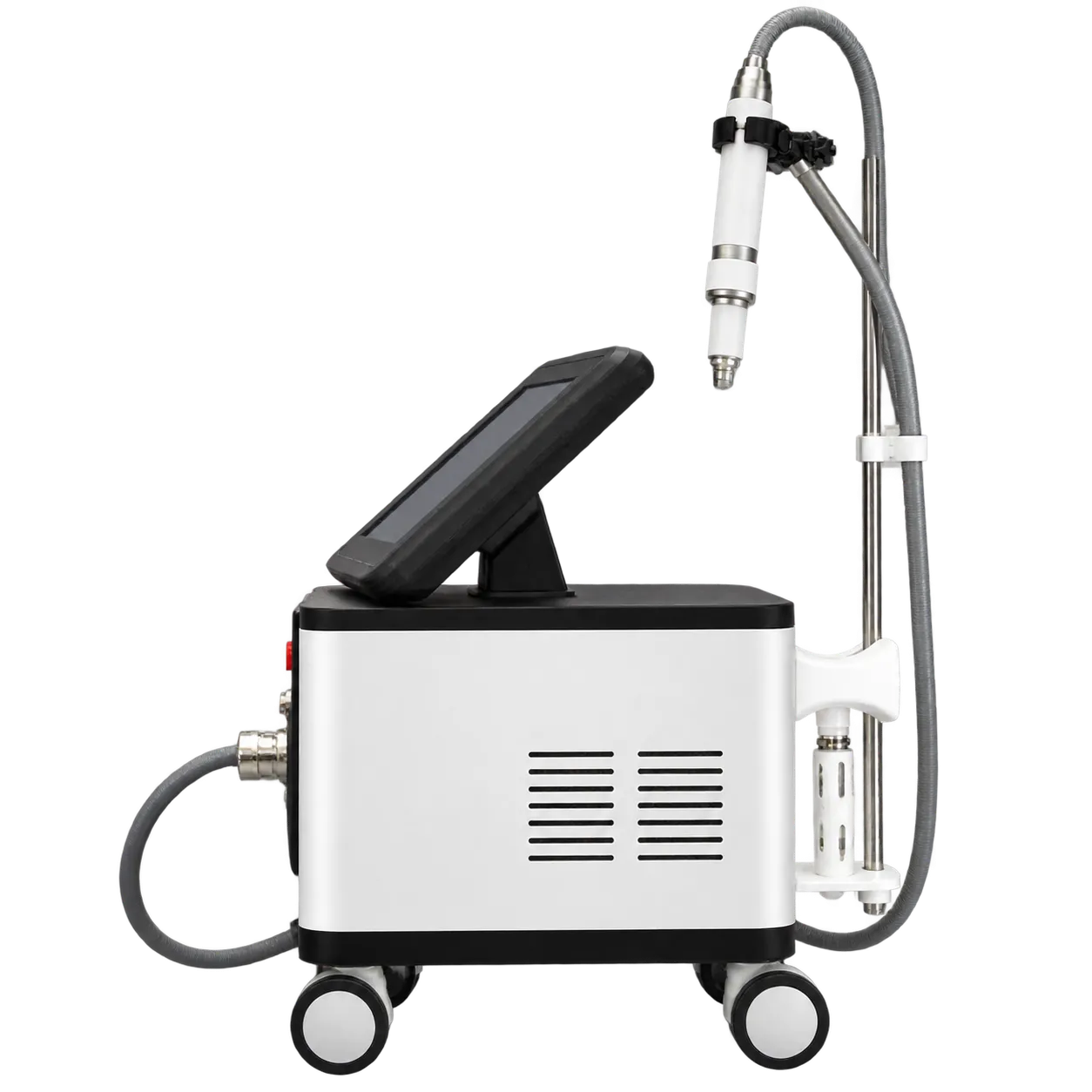
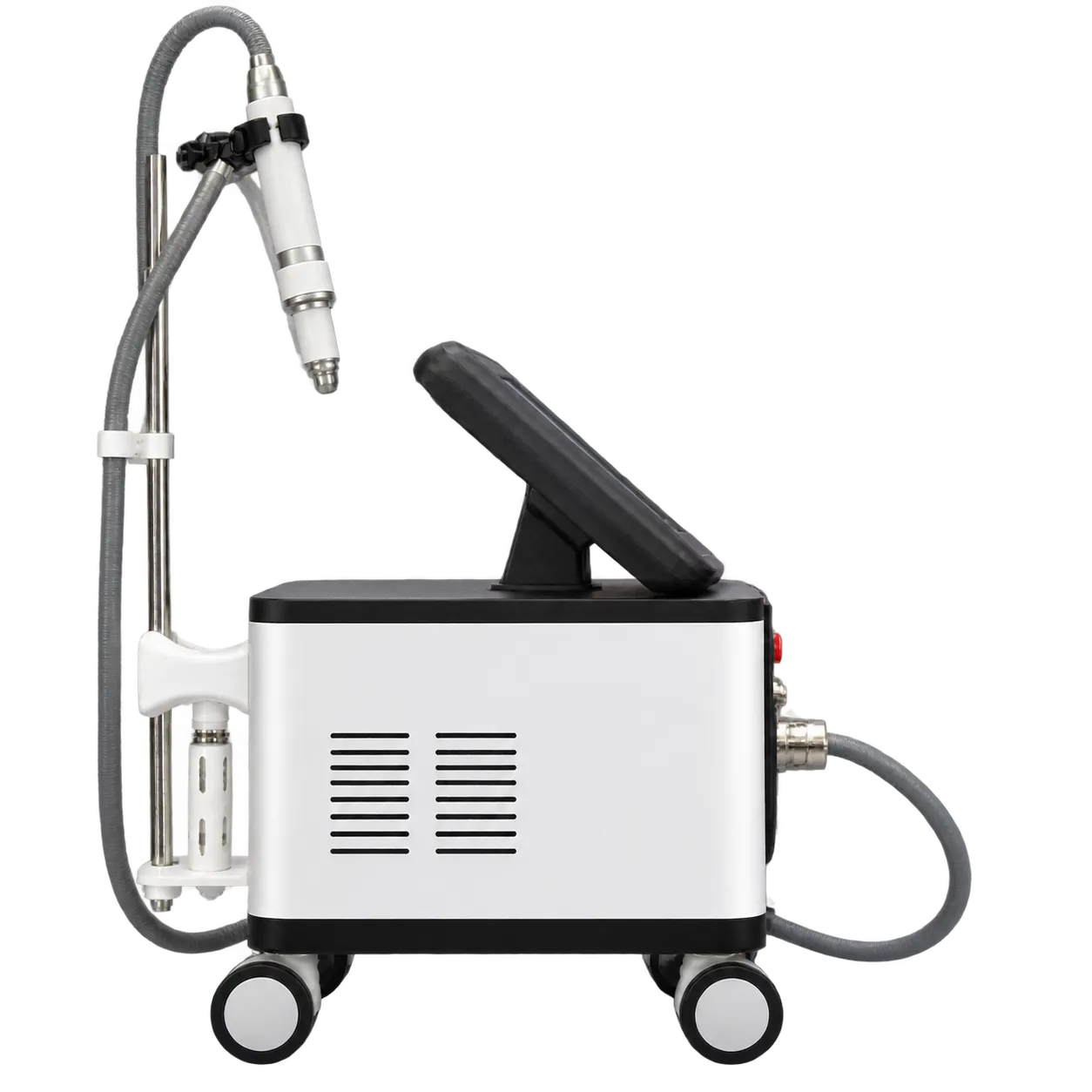
Spinal and back pain services are a natural home for a laser at 1064 nm, since its deeper reach suits structures beneath the skin. High-intensity laser has been trialled in low back pain and in cervical disc herniation, and physiotherapists normally use it within an exercise programme. Because this unit's pulse settings differ from many of those trials, services should write and audit their own protocols.
The weight and support pole suit a room set aside for laser work. Musculoskeletal clinics and pain services with a dedicated treatment room can leave the controlled-area signage, eyewear and local rules in place between sessions, and keep the console where the Laser Protection Adviser approved it. Groups that treat across several sites will find a lighter unit easier to move.
Osteoarthritis stays out of scope, because NICE's osteoarthritis guidance rules laser therapy out for that condition, and knee and hip patients belong in the exercise-led care it recommends.
Every service needs the same framework before first use: an adviser, a supervisor, local rules naming the LA51, trained authorised users and eyewear rated for 1064 nm. In England, the treatment and the professionals giving it decide whether CQC registration applies, and a few local authorities, including London boroughs, run their own laser licensing. Welsh clinics need Healthcare Inspectorate Wales registration for Class 3B or 4 lasers, while Scotland and Northern Ireland apply their own schemes.
Independent clinics generally buy direct, and NHS organisations route new lasers through local laser safety and device management procedures. The conformity documentation required for those procurement routes is issued by the manufacturer and provided by the seller.