
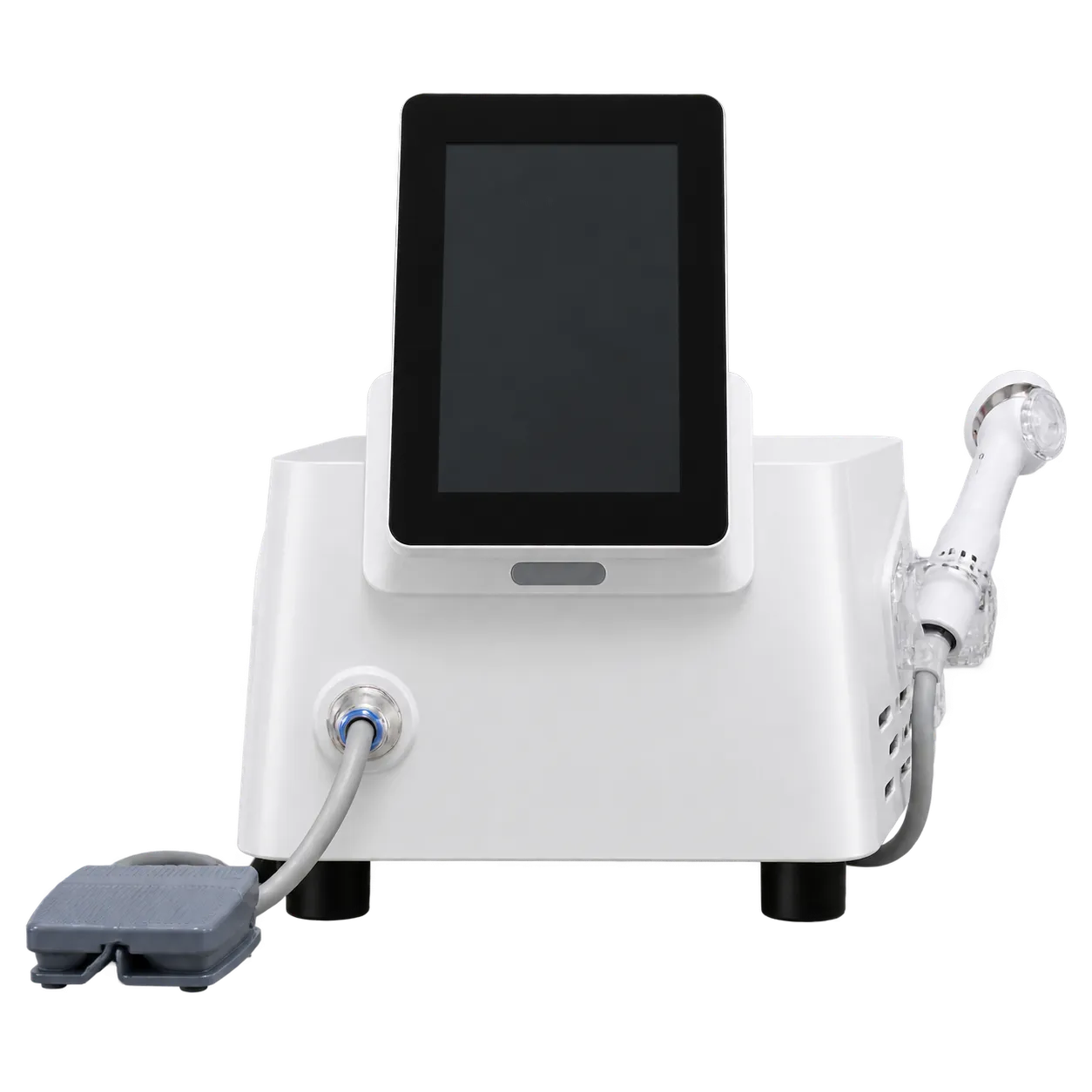
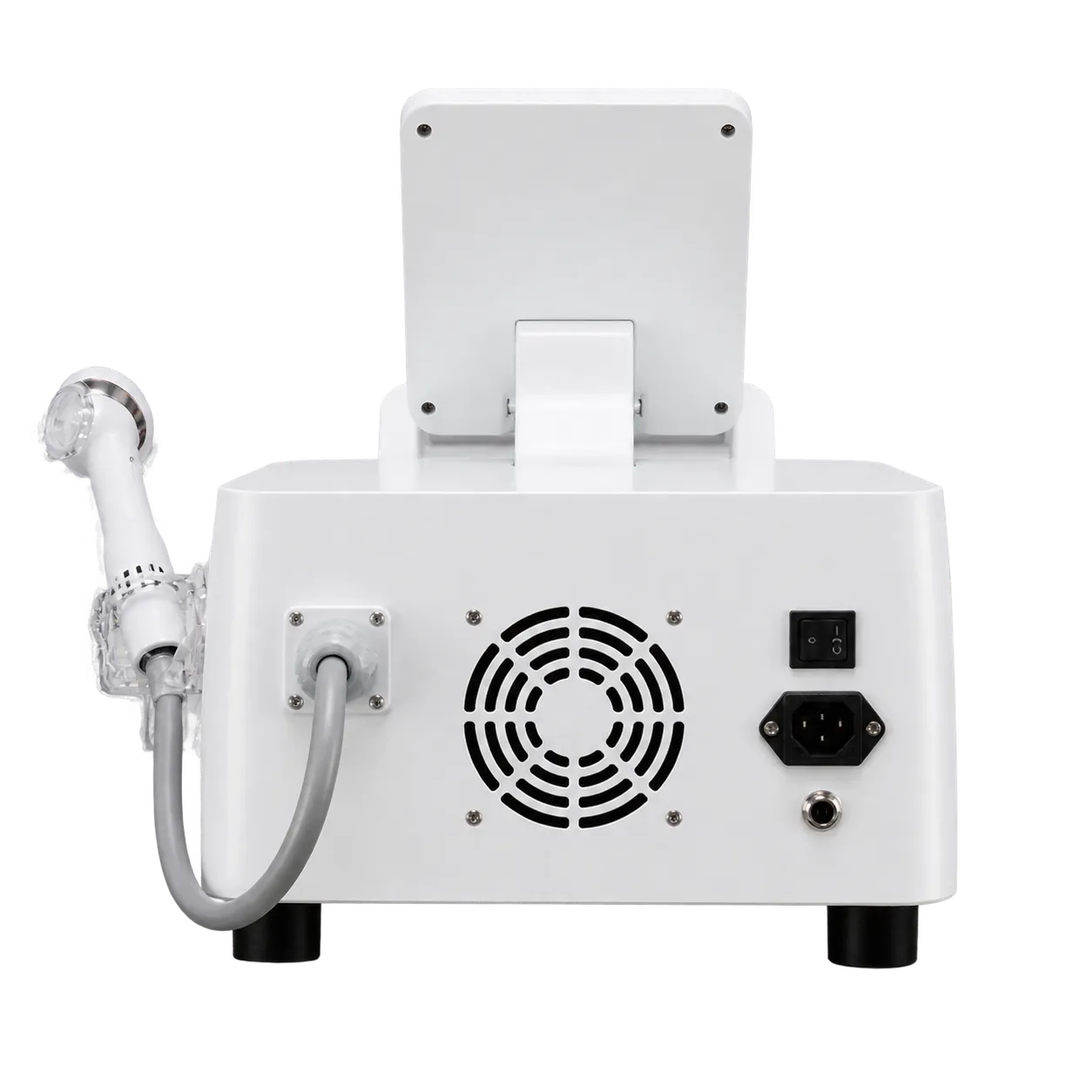
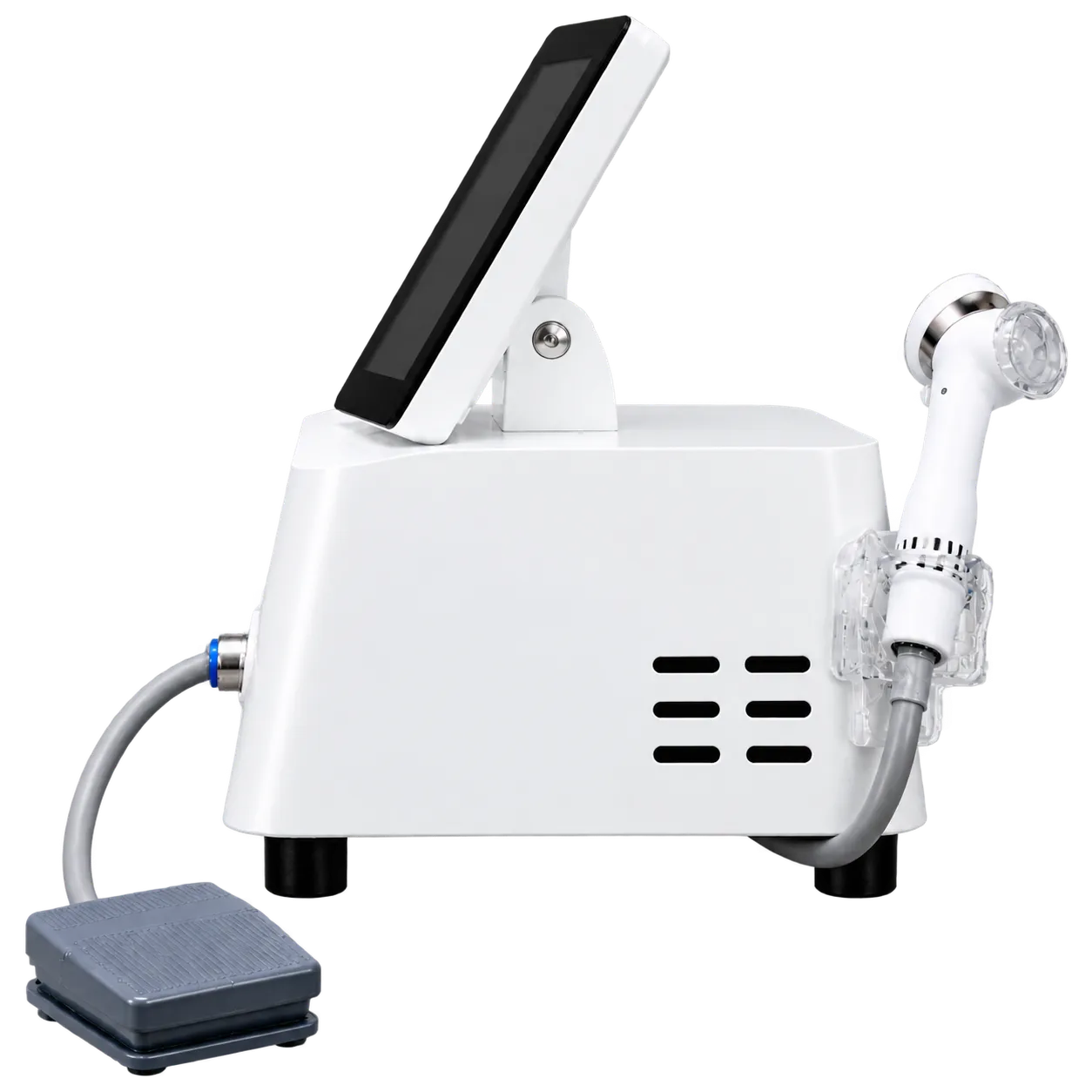
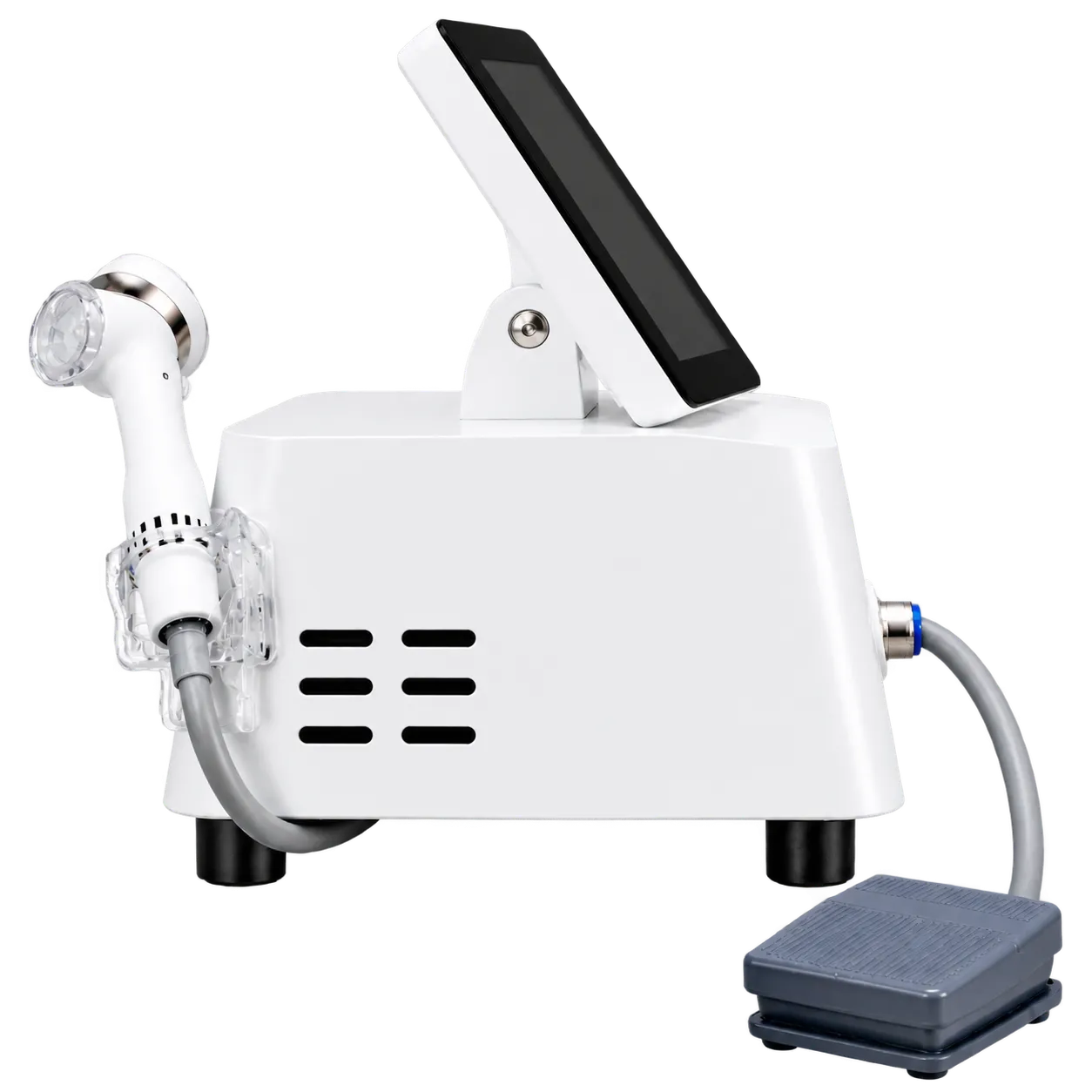
Musculoskeletal physiotherapy is the natural home for a thermal laser like this, used alongside exercise for muscle and soft-tissue pain. Trials of high-intensity laser for frozen shoulder, low back pain, tennis elbow, and other soft-tissue problems show pooled results indicating gains in pain and function with low to moderate certainty. Sports medicine and private rehabilitation clinics that already run energy-based treatments can add the unit to an existing laser safety framework.
Osteopaths and chiropractors who take up laser therapy answer to their own statutory regulators, the General Osteopathic Council and the General Chiropractic Council, while physiotherapists register with the HCPC. Whoever operates the unit needs laser safety training and to comply with local rules.
Osteoarthritis is the clear exception. NICE's osteoarthritis guideline advises against laser therapy because evidence of benefit is insufficient, so a service treating arthritic knees or hips should direct those patients to therapeutic exercise and the other care NICE recommends.
Every setting shares the same groundwork: a Laser Protection Adviser, local rules, a trained Laser Protection Supervisor, a controlled treatment area and eyewear rated for 980 nm. In England, CQC registration follows the treatment, so a clinic where registered professionals treat disease, disorder or injury generally needs it, and some local authorities license laser premises that fall outside CQC's scope. Each of the other UK nations applies its own registration rules to laser clinics.
Independent clinics usually buy direct, while NHS organisations take a new laser through their laser safety policy and medical device management checks before it enters service. The conformity documentation those procurement routes require is issued by the manufacturer and provided by the seller.