
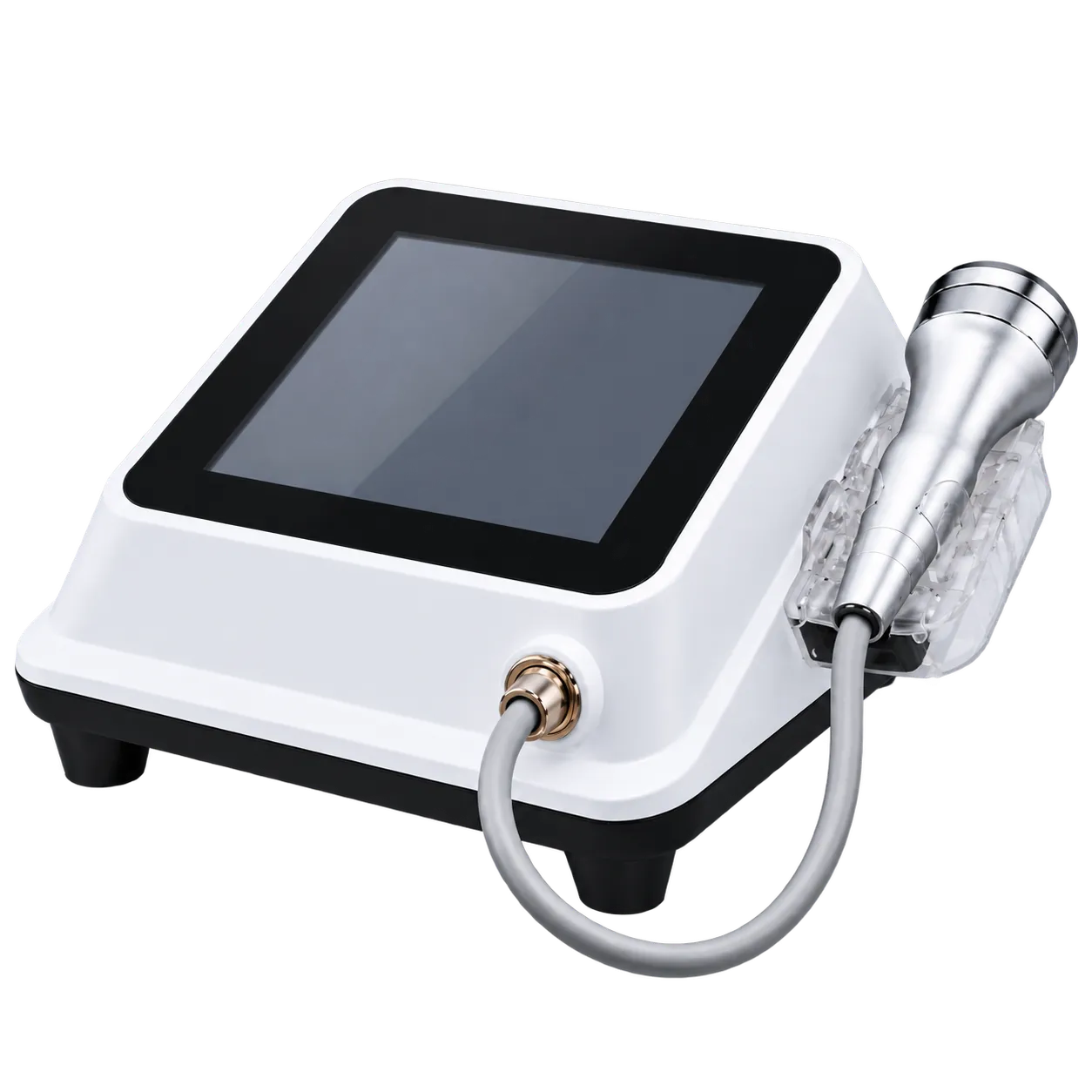
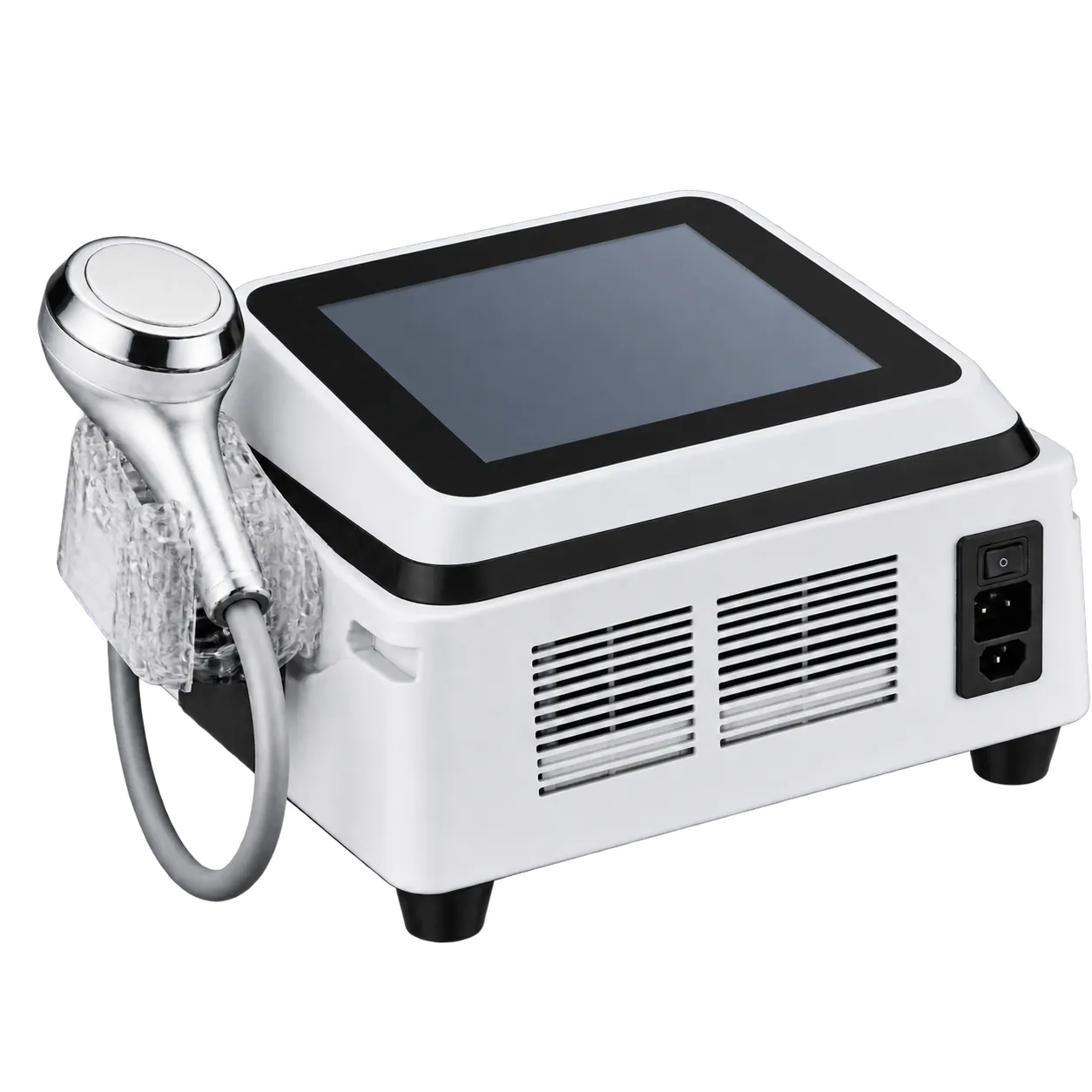
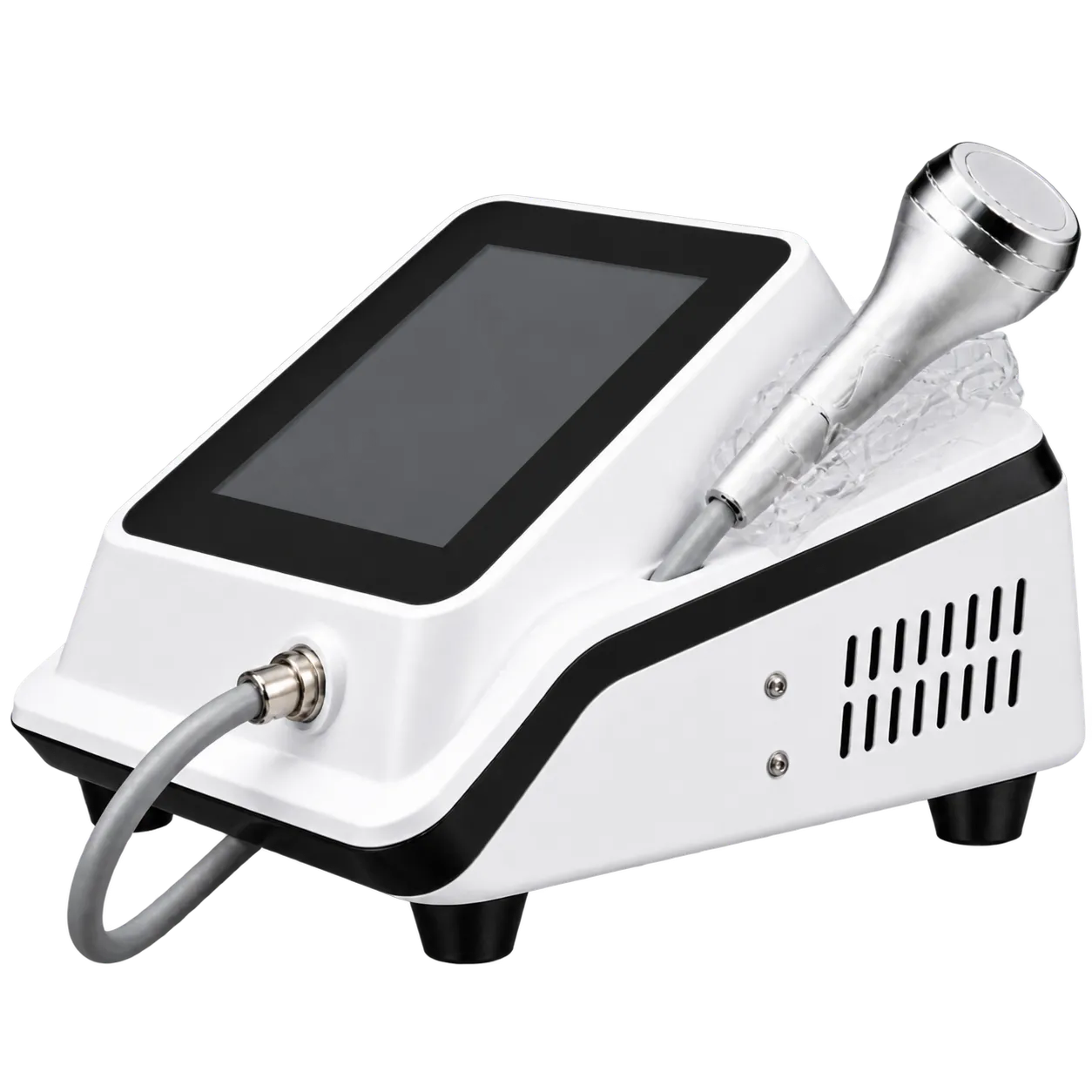
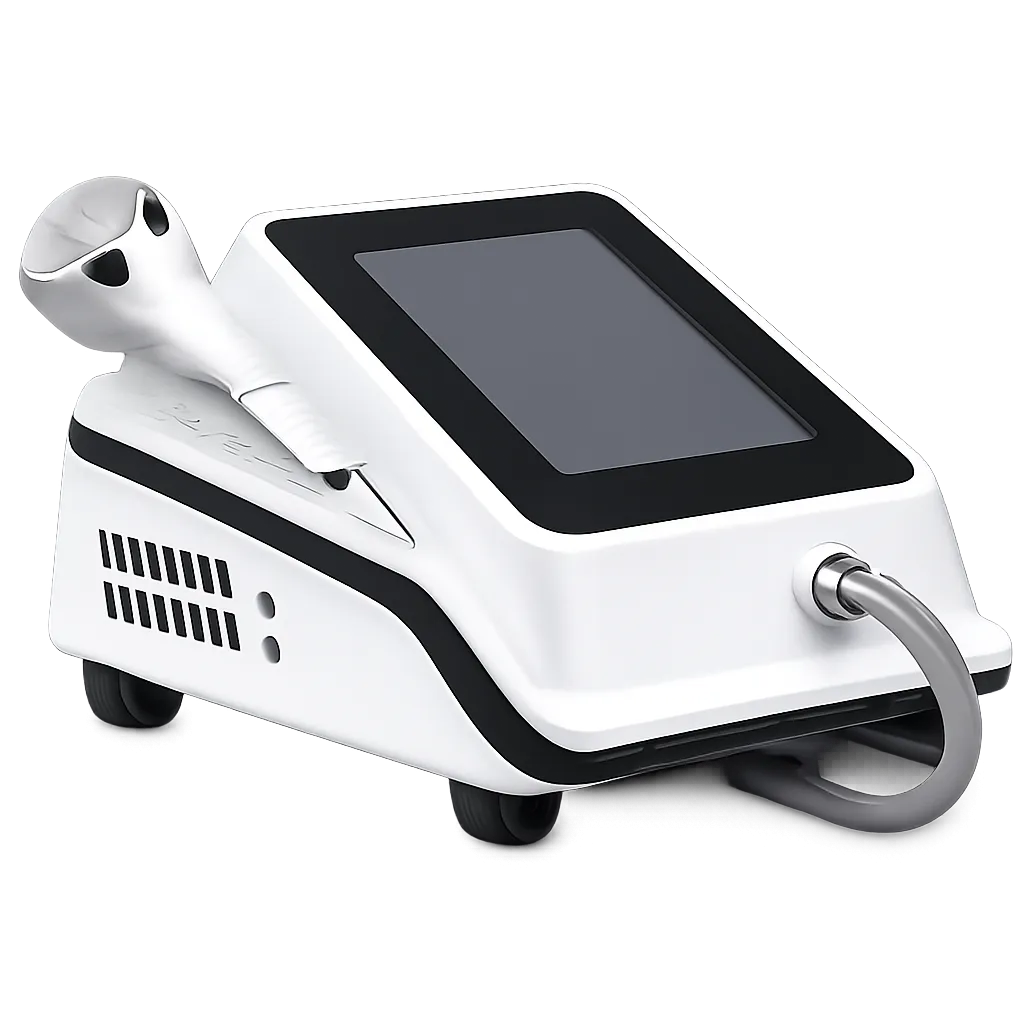
Musculoskeletal services that treat across several rooms are the natural fit for a 5 kg laser. A sports injury clinic or community hub can bring the console to whichever assessed room is free, provided the eyewear, signs, and key move with it, and each room is set up as a controlled area.
Groups that already own other lasers need a clear system before this one arrives. Store wavelength-specific eyewear and label it with the console it protects against; local rules should name LA31-40W and 1064 nm; and asset records should use the full model code, since the housing also appears in Texua's range at another wavelength.
High-intensity laser has been studied for musculoskeletal pain in the back, neck, shoulder and tendons, usually alongside exercise. Its pulse settings do not match many of those trials, so services should write their own protocols and audit the results. Arthritic knees and hips are excluded, as NICE advises against laser therapy for osteoarthritis.
Every site needs a Laser Protection Adviser, a Laser Protection Supervisor, trained authorised users and lockable storage. In England, CQC registration depends on the treatment given and who gives it, and some councils run separate laser licensing. Healthcare Inspectorate Wales registers Welsh clinics that use Class 3B or 4 lasers, while the Scottish and Northern Irish regulators apply their own rules.
Private providers usually order directly, while NHS bodies apply their own laser safety and device management checks to each new unit. The conformity documentation those procurement routes require is issued by the manufacturer and provided by the seller.