
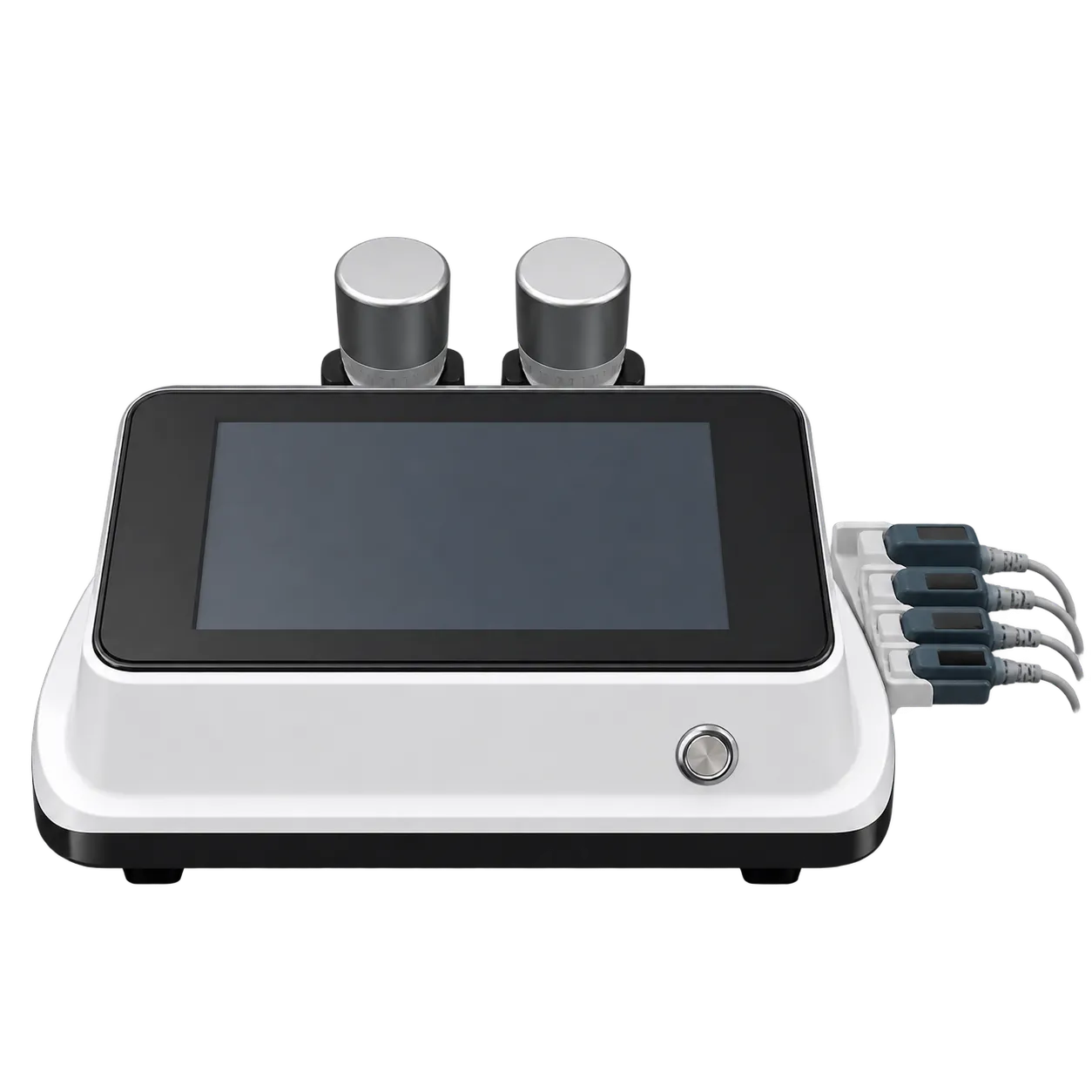
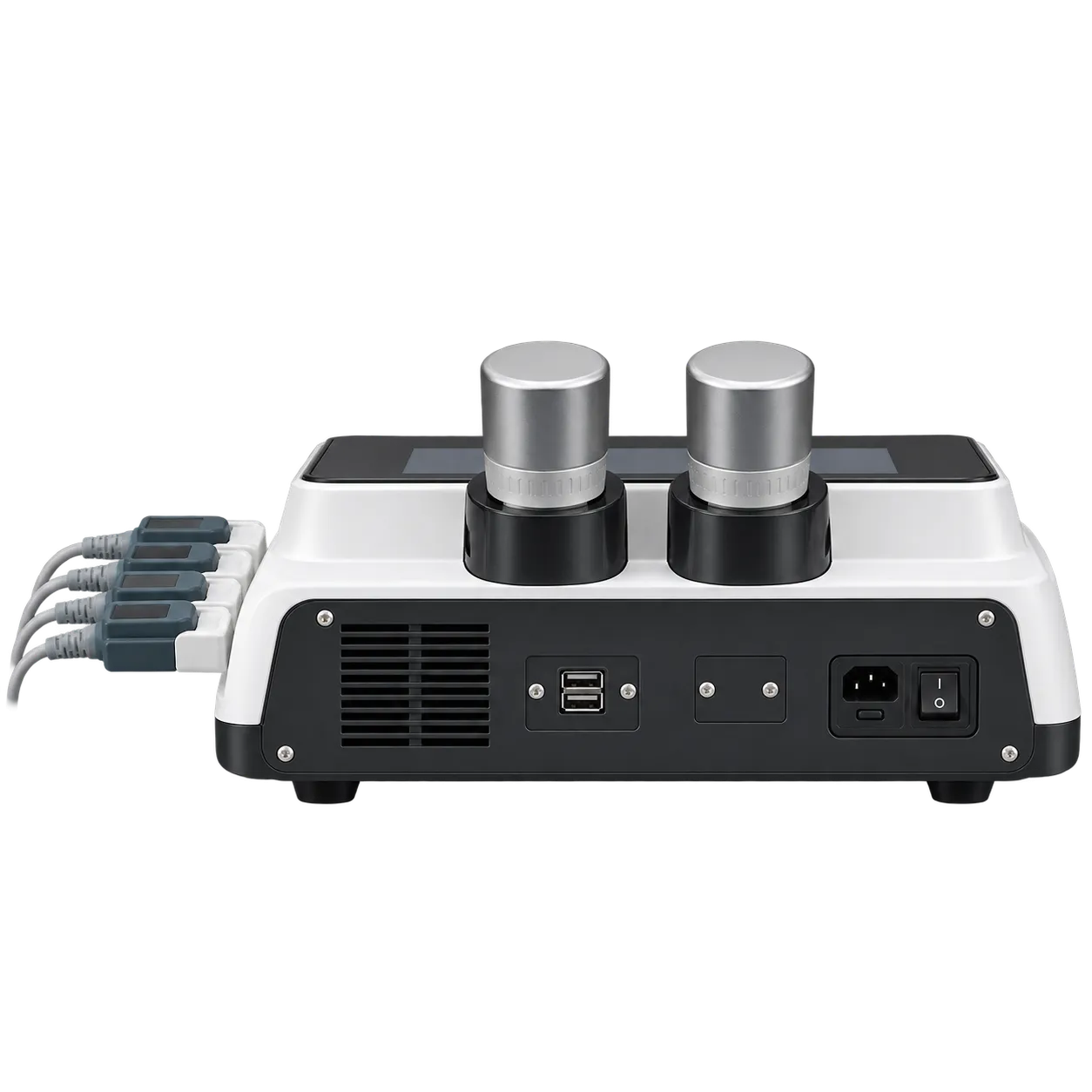
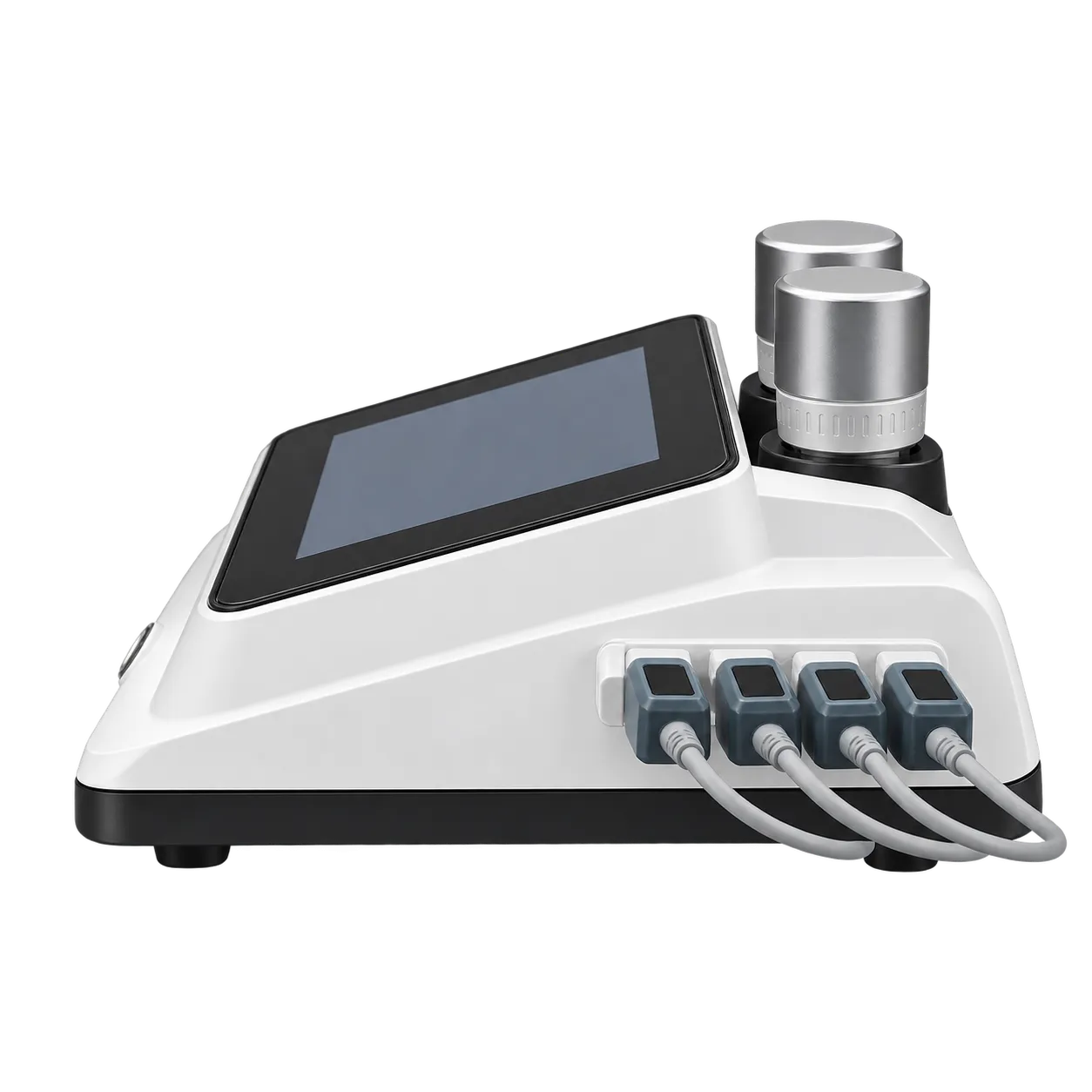
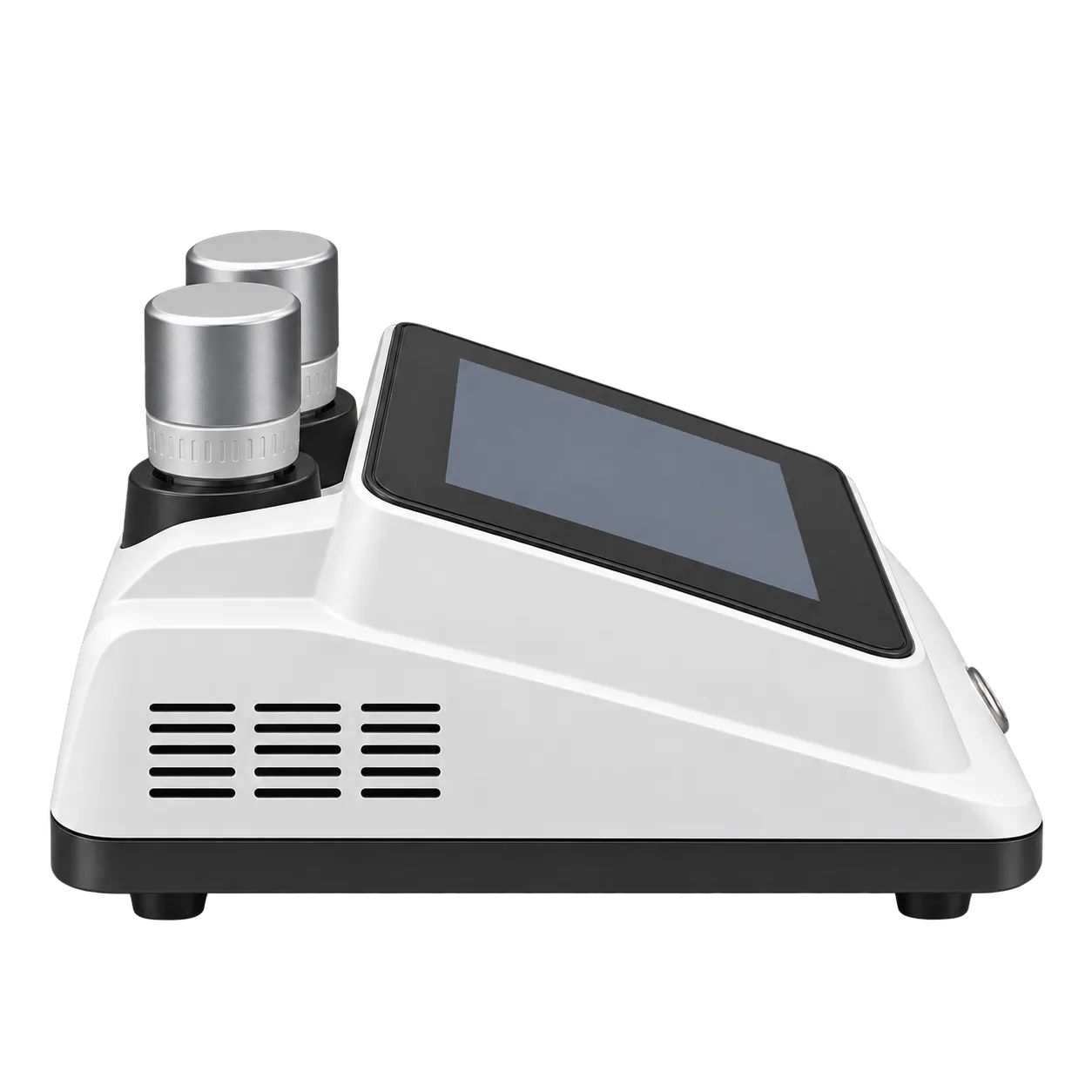
Physiotherapy practices, sports rehabilitation services, hand therapy clinics and podiatry services are the likely users. The ultrasound side suits soft-tissue work on tendon, ligament, and scar tissue, where a clinician wants local heating or a non-thermal effect over a small area. The suction cups suit muscle stimulation across broader areas such as the quadriceps or the shoulder girdle, which makes the pair useful in a single appointment.
NICE draws firm boundaries around the ultrasound side. Its guidelines recommend against ultrasound therapy for low back pain, for osteoarthritis and for chronic primary pain, which leaves soft tissue and post-injury work as the areas where a clinic can sensibly use it. Trial evidence is mixed even there, so the modality belongs alongside exercise rather than in place of it.
Dose recording is where a service either holds together or does not. Frequency, intensity, mode, time, applicator and treated area all need to reach the notes, because none of them can be reconstructed afterwards from memory. The same applies to the stimulation side, where cup placement and intensity steps need to be written down.
Hygiene and supply run in parallel. Gel is applied to skin at every application and cups need clean, dampened sponges for each patient, so stock levels and a cleaning procedure belong in the clinic's routine before the unit arrives. In an NHS trust, the console passes through medical device management first, and in independent practice it joins the electrical safety testing schedule. The manufacturer issues the declaration of conformity and the supporting test evidence, and the seller passes both to the buyer.