
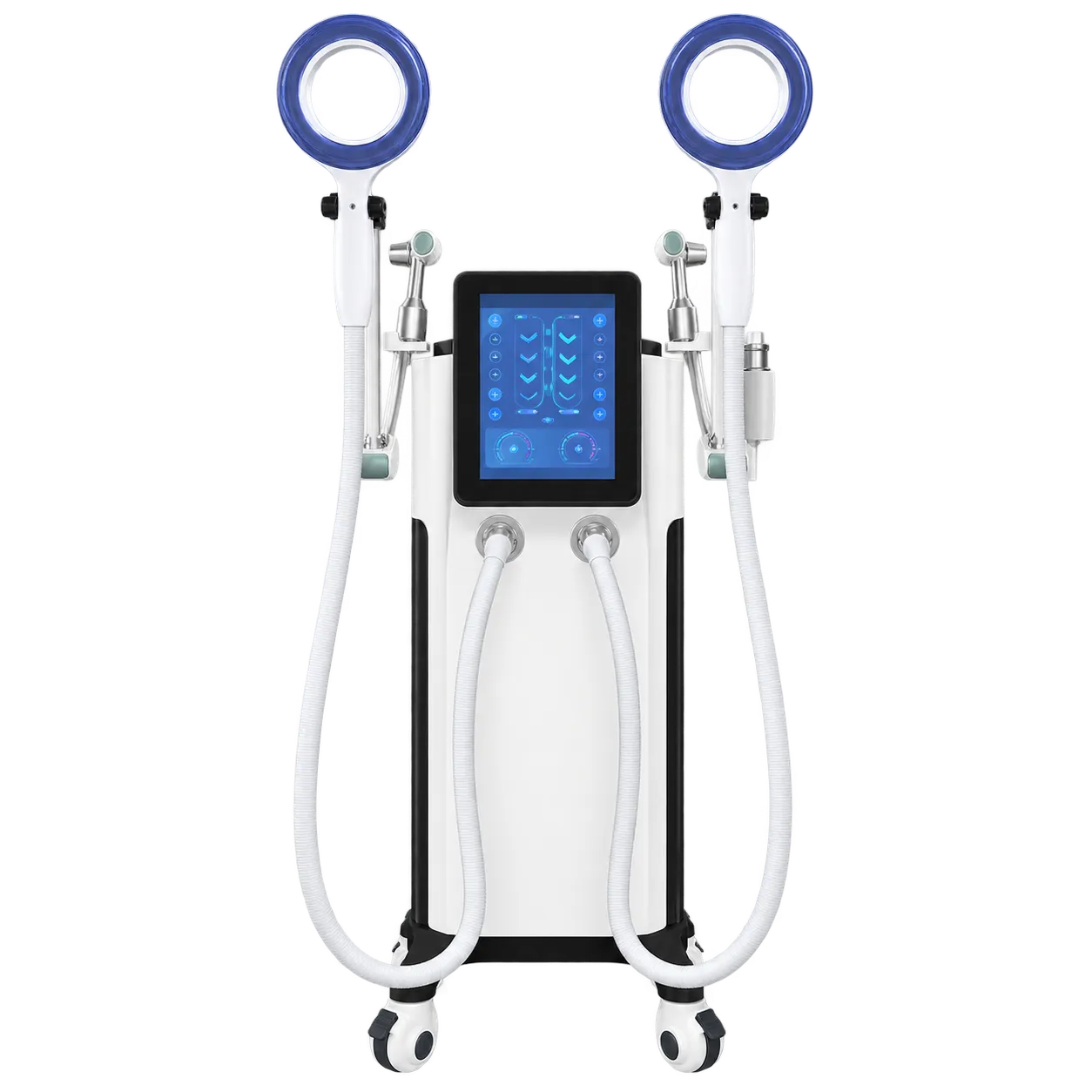
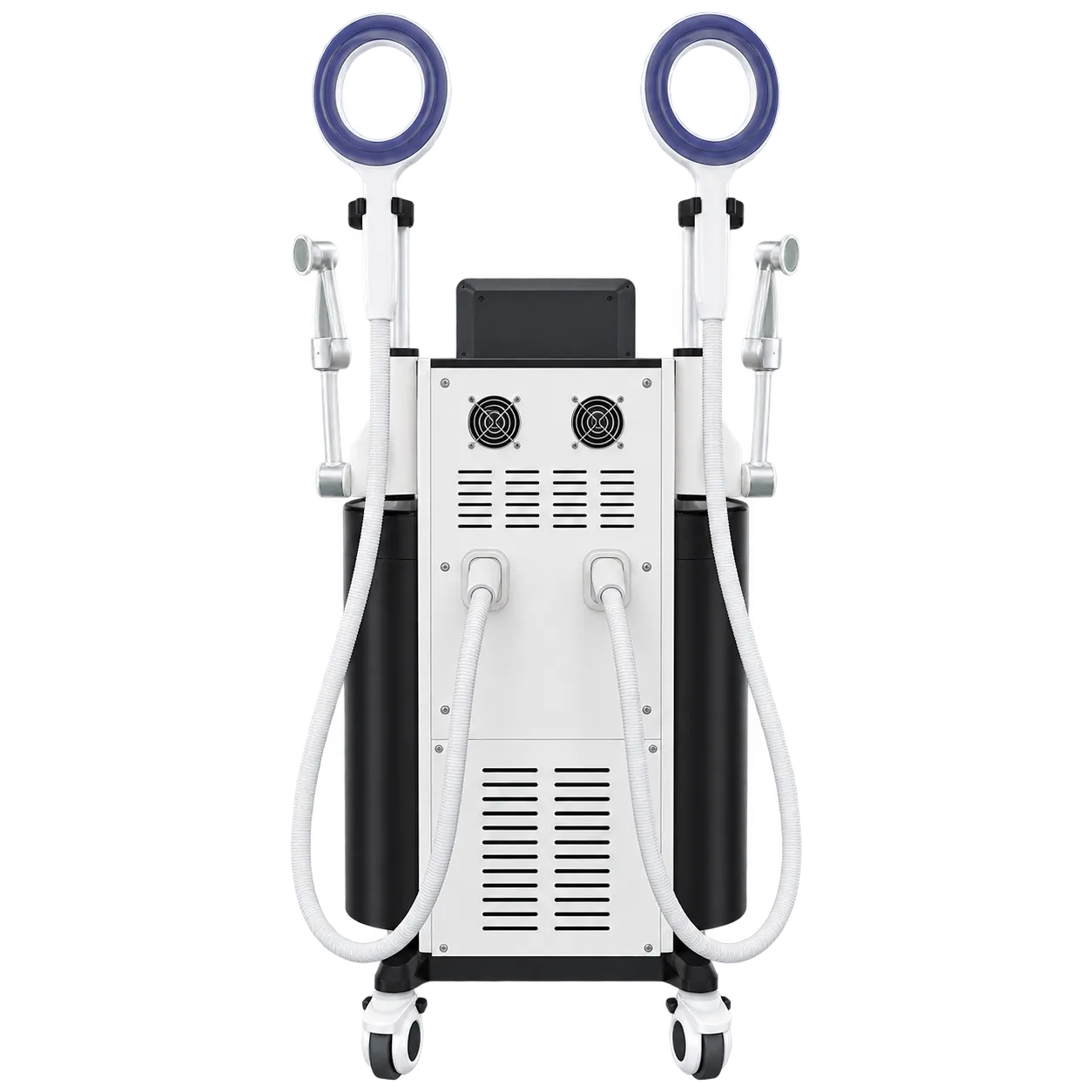
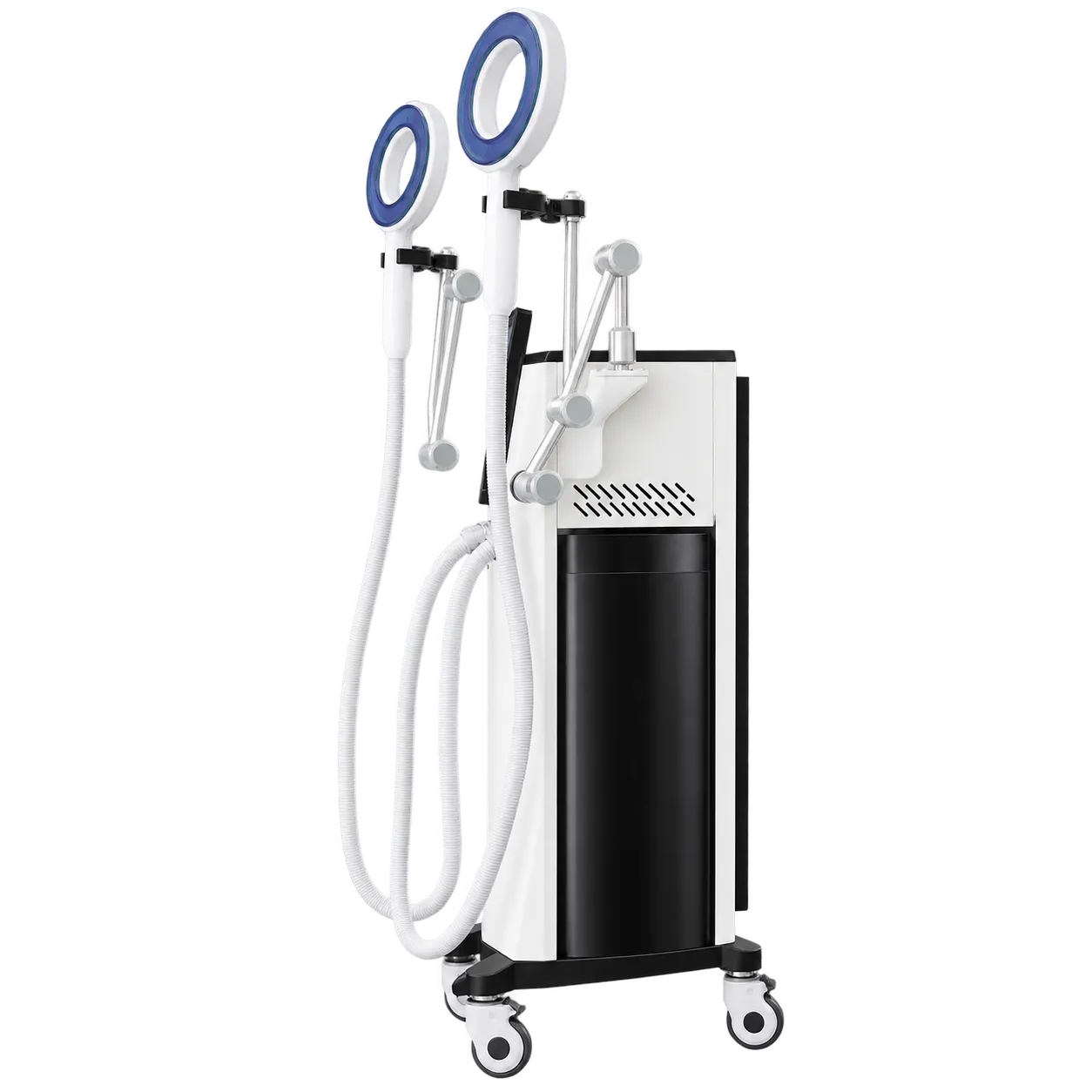
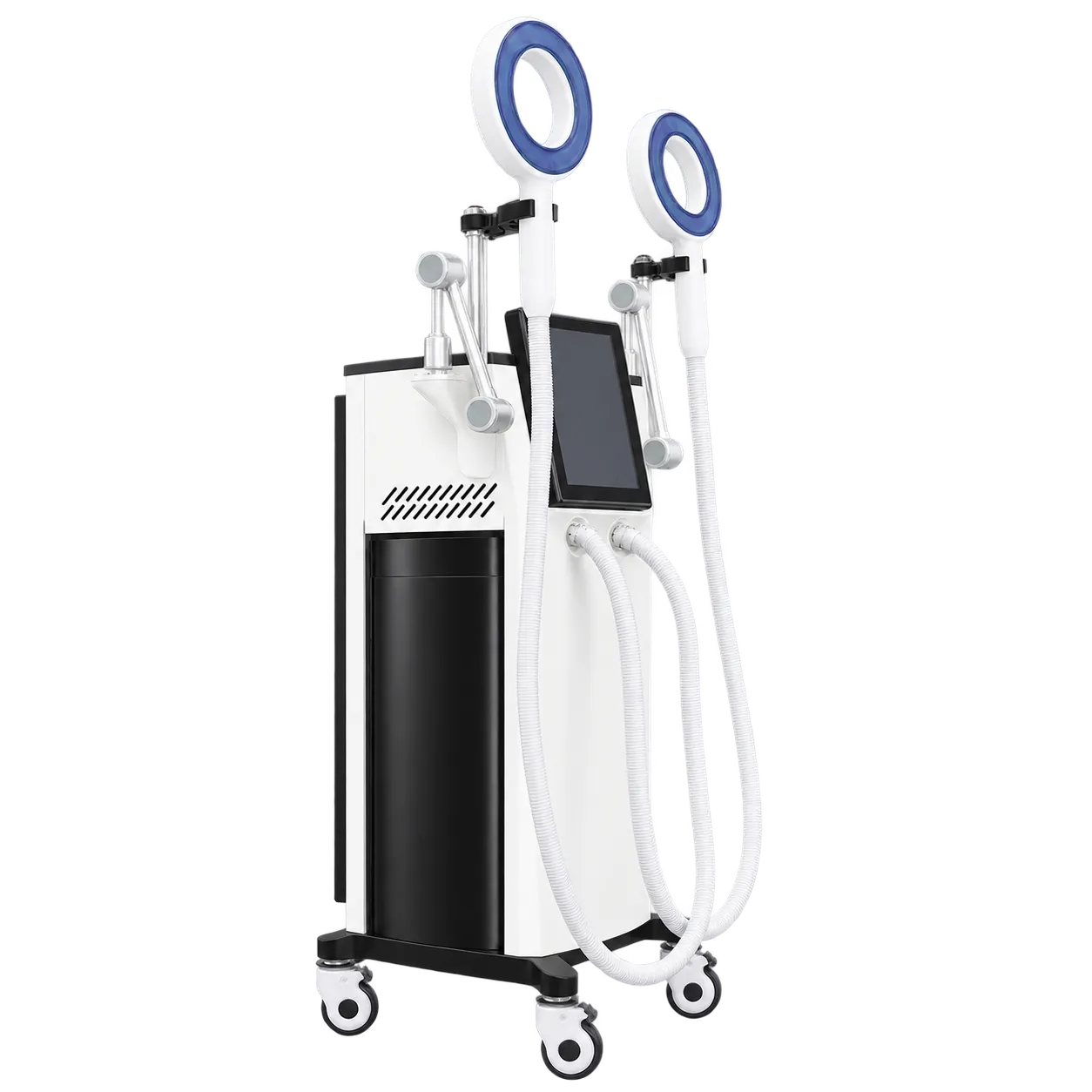
Musculoskeletal outpatient physiotherapy is the most natural setting for the ECT+8. A registered physiotherapist assesses the patient, decides whether pulsed magnetic therapy suits the presentation and records the settings used- the same assessment-first route that UK clinics offering high-intensity magnetic therapy describe. Private clinics already running shockwave or other energy-based treatments can add it to those rooms, provided the booking process asks the implant, body-worn device and pregnancy questions before the patient arrives.
Sports injury and club physiotherapy teams use magnetic therapy on tendon, muscle and joint complaints alongside loading programmes. In England, treatment given at a sports ground or gym solely for people taking part in sport sits outside the CQC-regulated activity covering treatment of disease, disorder or injury. The same treatment in a clinic run by listed healthcare professionals generally falls inside it, so the service model decides the registration position.
Orthopaedic and post-operative rehabilitation services can use the unit as one element of an exercise-led programme. NICE's osteoarthritis guideline centres non-drug care on therapeutic exercise, and with trial results on pulsed magnetic fields pointing in different directions, pain services should treat the modality as an adjunct and review outcomes against their own measures.
Employer-run and occupational health clinics carry a second obligation, because operators sit in the field as well as patients. The staff assessment under the Control of Electromagnetic Fields at Work Regulations 2016 needs revisiting whenever an operator declares a pregnancy or an implant.
Independent clinics usually buy direct, while NHS trusts and other public-sector buyers apply their own medical device management checks before equipment of this type enters service. The conformity documentation those procurement routes require is issued by the manufacturer and provided by the seller.