
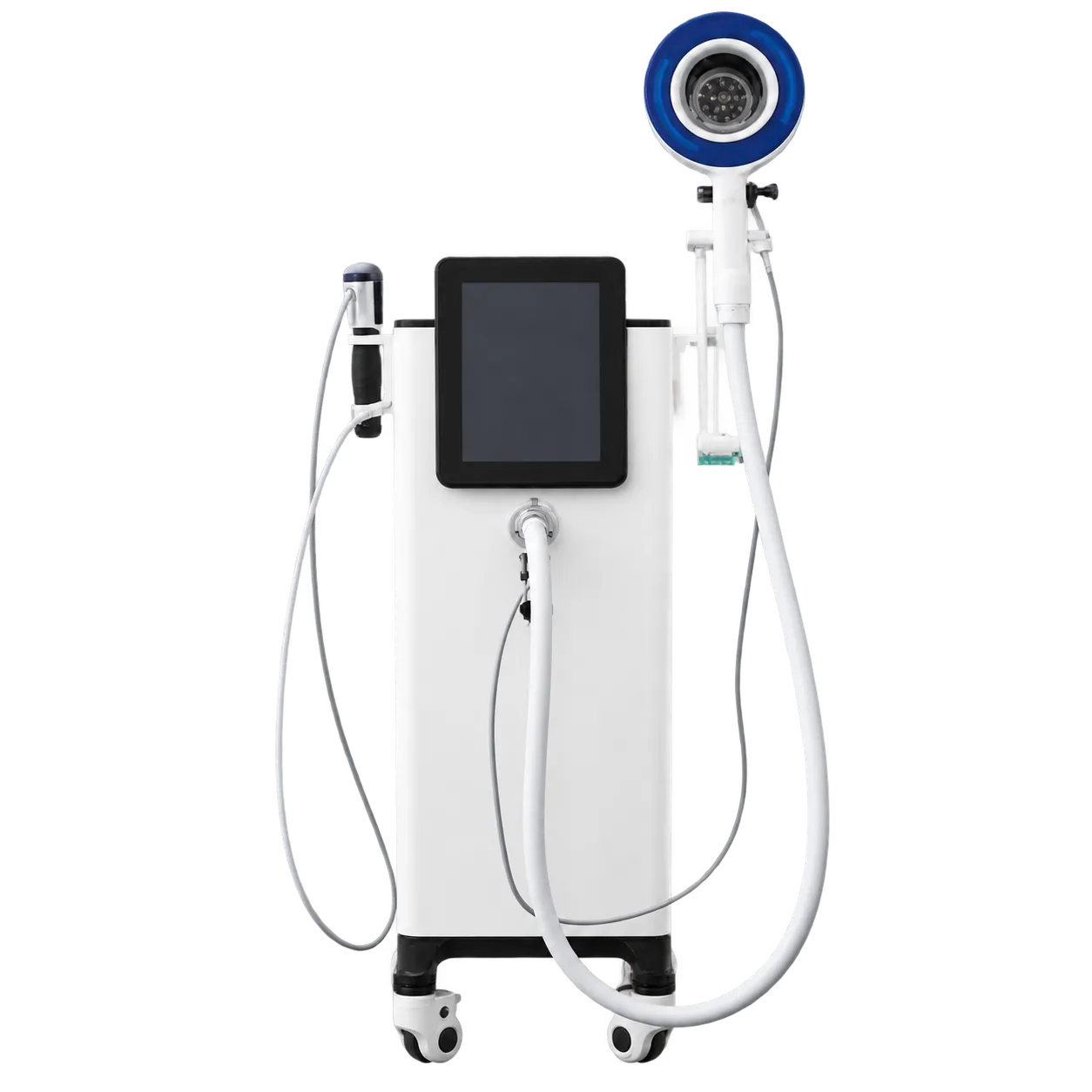
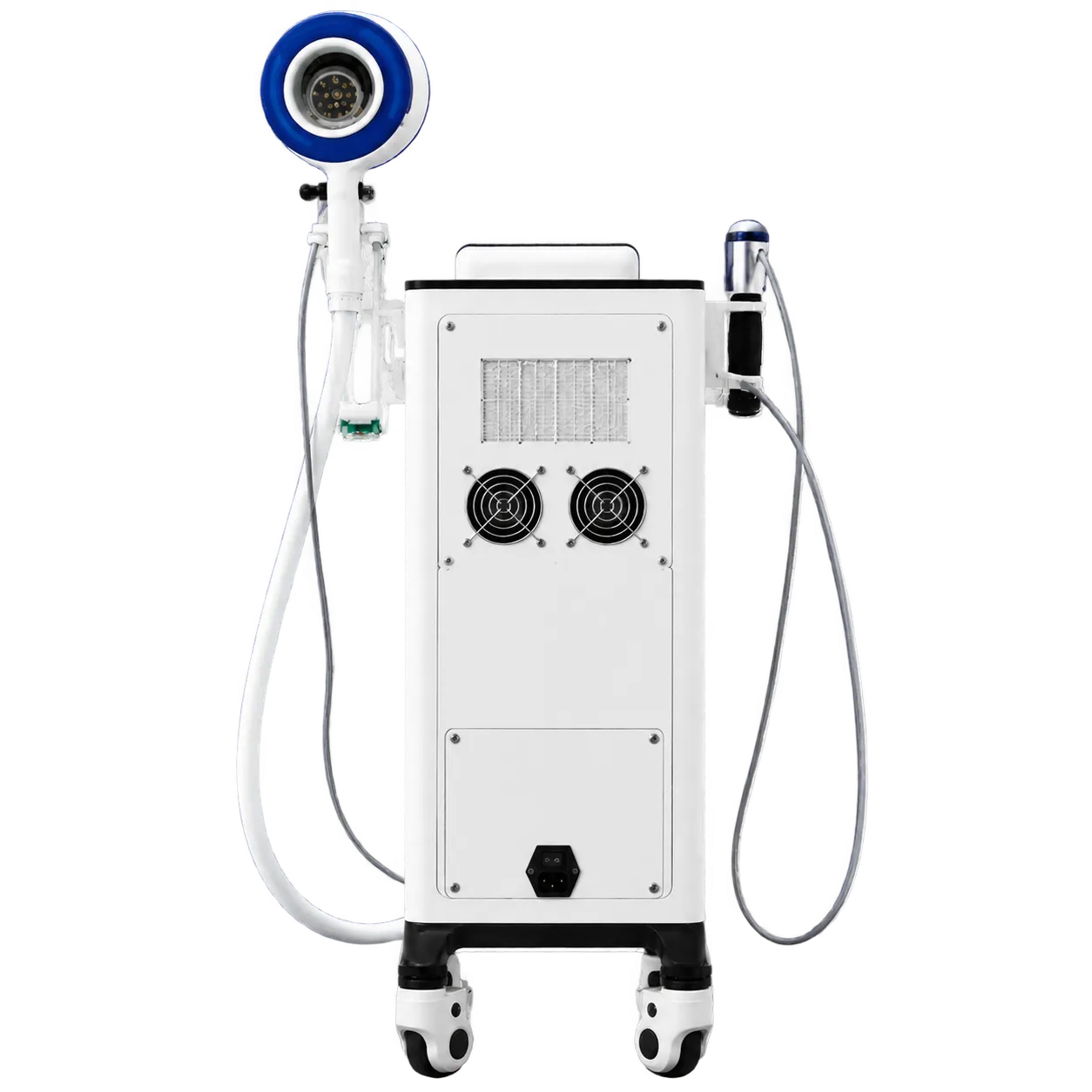
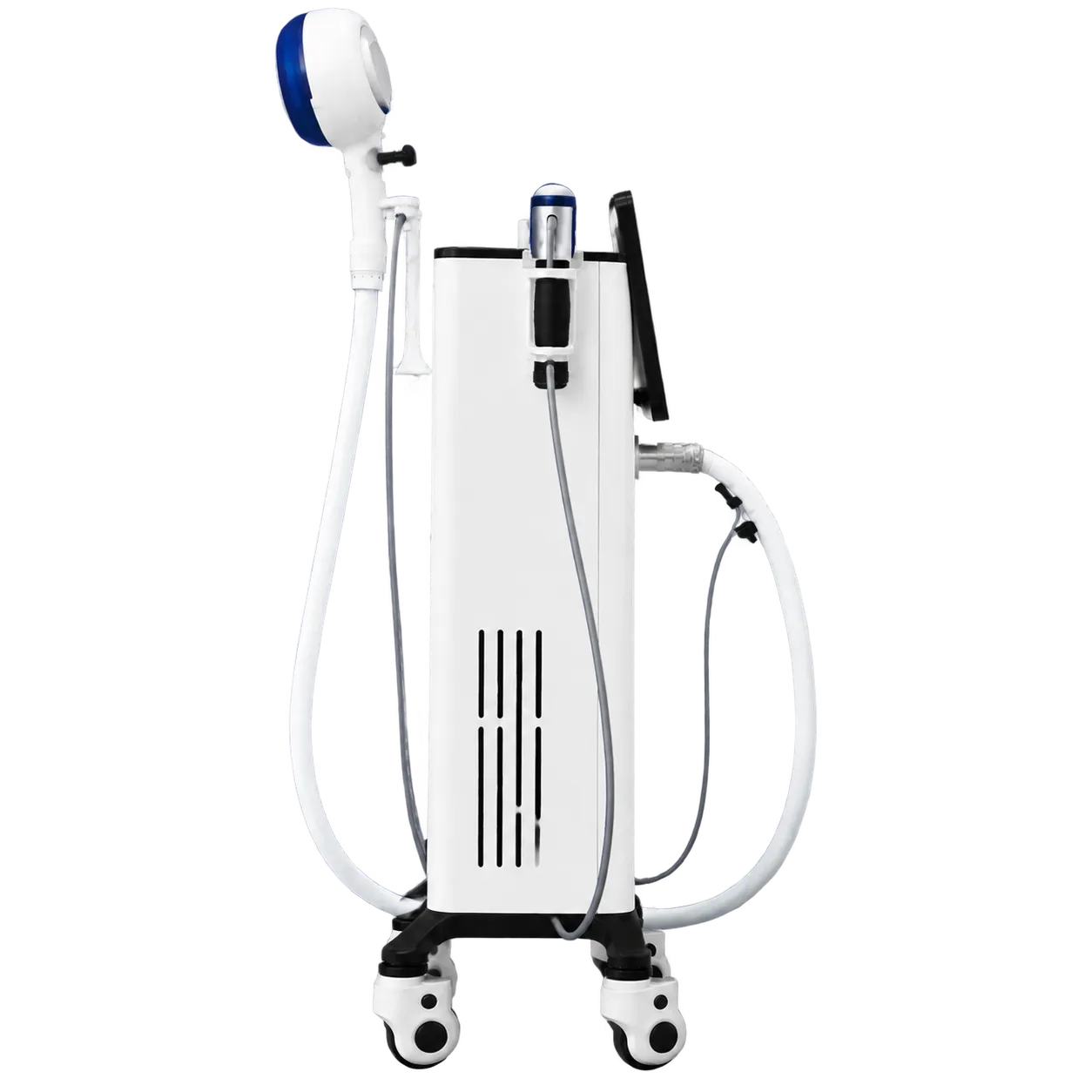
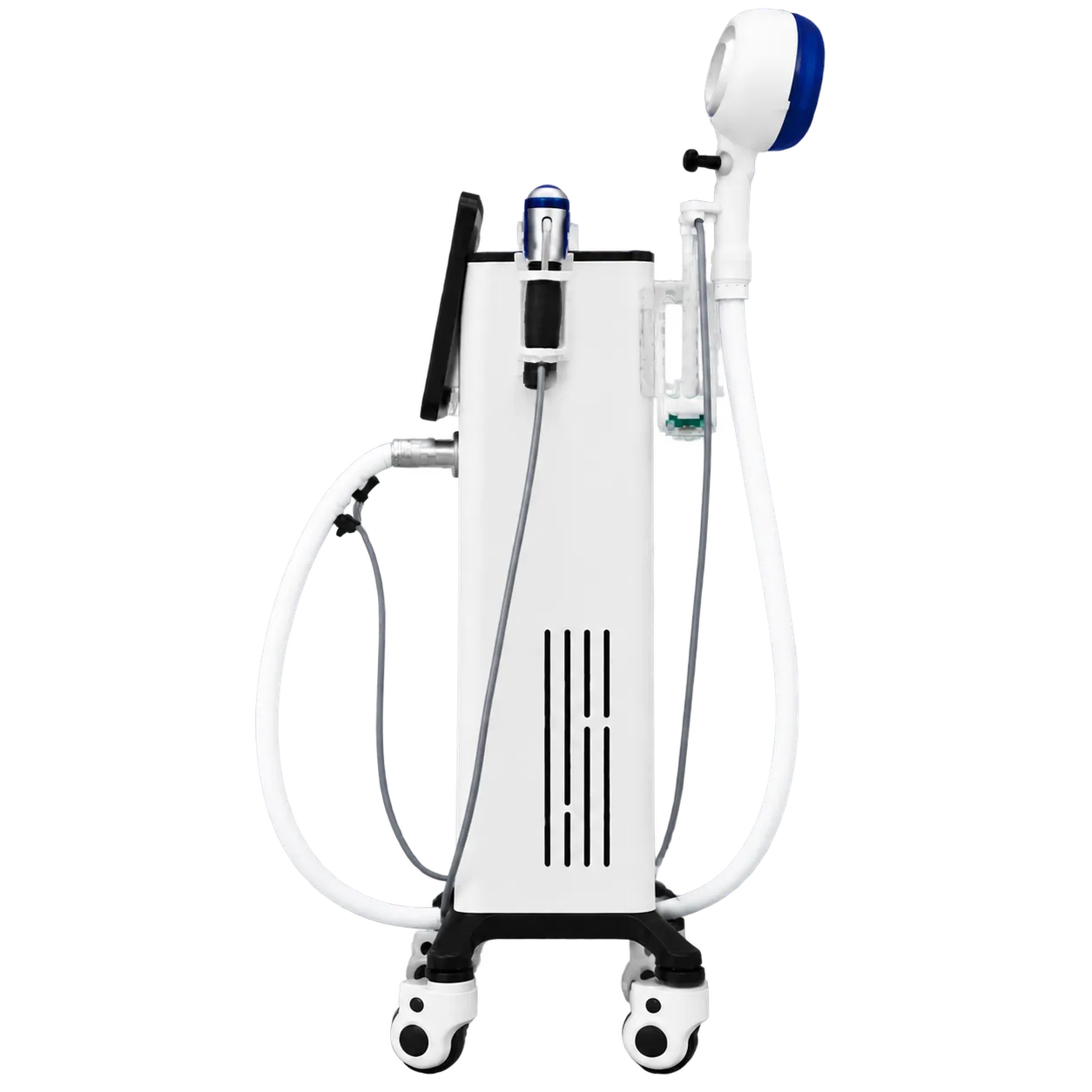
Sports and musculoskeletal rehabilitation services are the natural home for a tower that pairs magnetic and shockwave treatment. Athletes with tendon and soft-tissue problems, people with chronic low back pain and patients working through exercise-based programmes are the groups most often studied, and in most trials both treatments sit alongside exercise.
Throughput planning matters more here than with a single-therapy unit. Services should decide in advance which conditions receive which treatment, how many impulses and at what rate, and whether a patient receives both in one visit. A radial block of 2,000 impulses runs from under two minutes to several minutes, depending on rate, and the magnetic session length must be taken from the manufacturer's instructions once they are supplied.
Tendon services offering shockwave for plantar fasciitis, tennis elbow,r Achilles tendinopathy, or greater trochanteric pain should put NICE governance, consent,t and audit arrangements in place, and keep calcific shoulder treatment within research. Magnetic protocols for arthritic joints belong within exercise-led care.
Screening should happen once, at booking, with a single form covering both treatments. Staff exposure needs two assessments: noise for the shockwave side and electromagnetic fields for the magnetic side.
In England, the Care Quality Commission decides registration according to the treatment and the provider, and the other UK nations run separate schemes. The 37.5 kg tower also needs a manual handling plan wherever it moves between rooms or floors.
Private clinics and sports clubs usually purchase directly, and NHS trusts put new electrotherapy devices through medical equipment management checks before first use. The conformity documentation those procurement routes require is issued by the manufacturer and provided by the seller.