
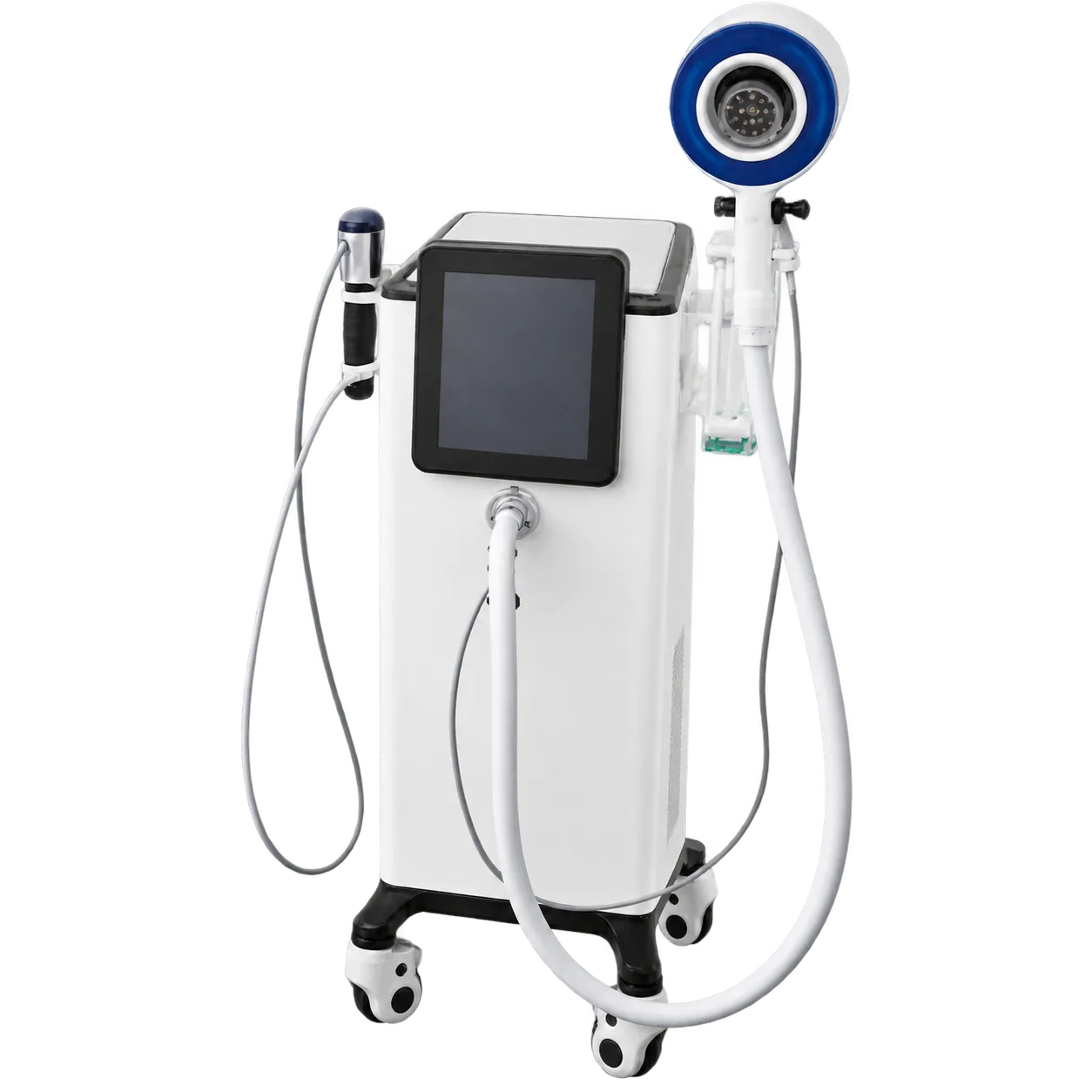
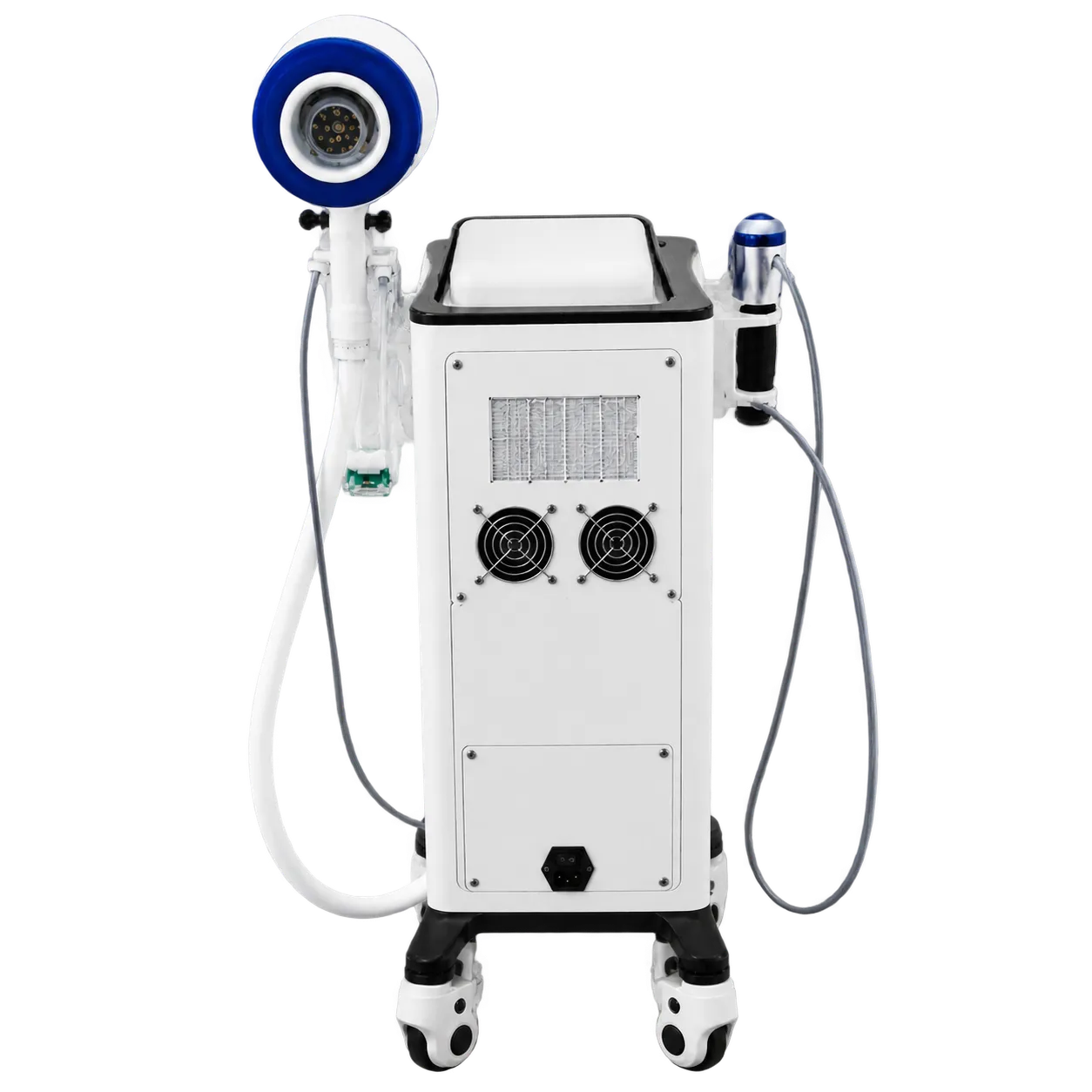
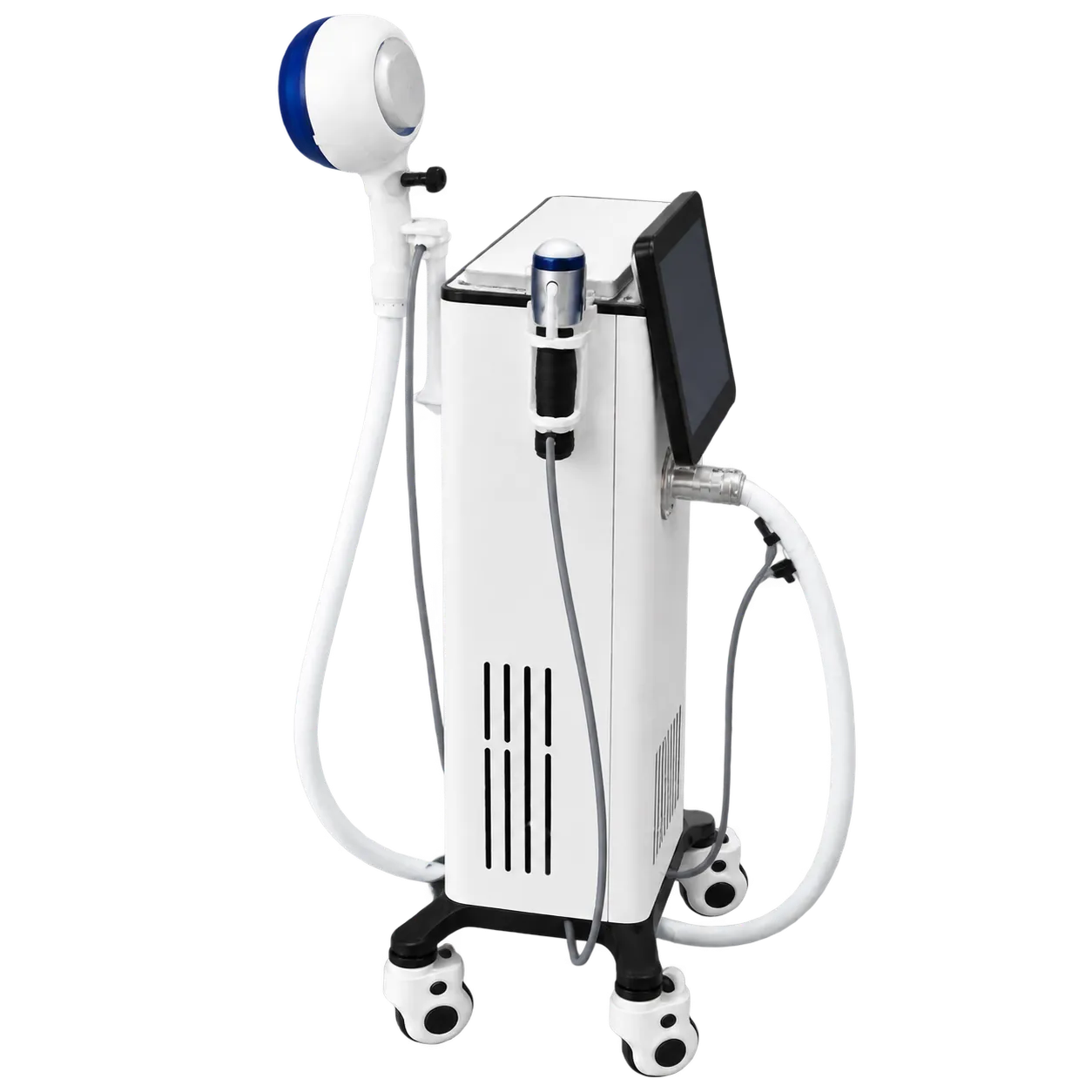
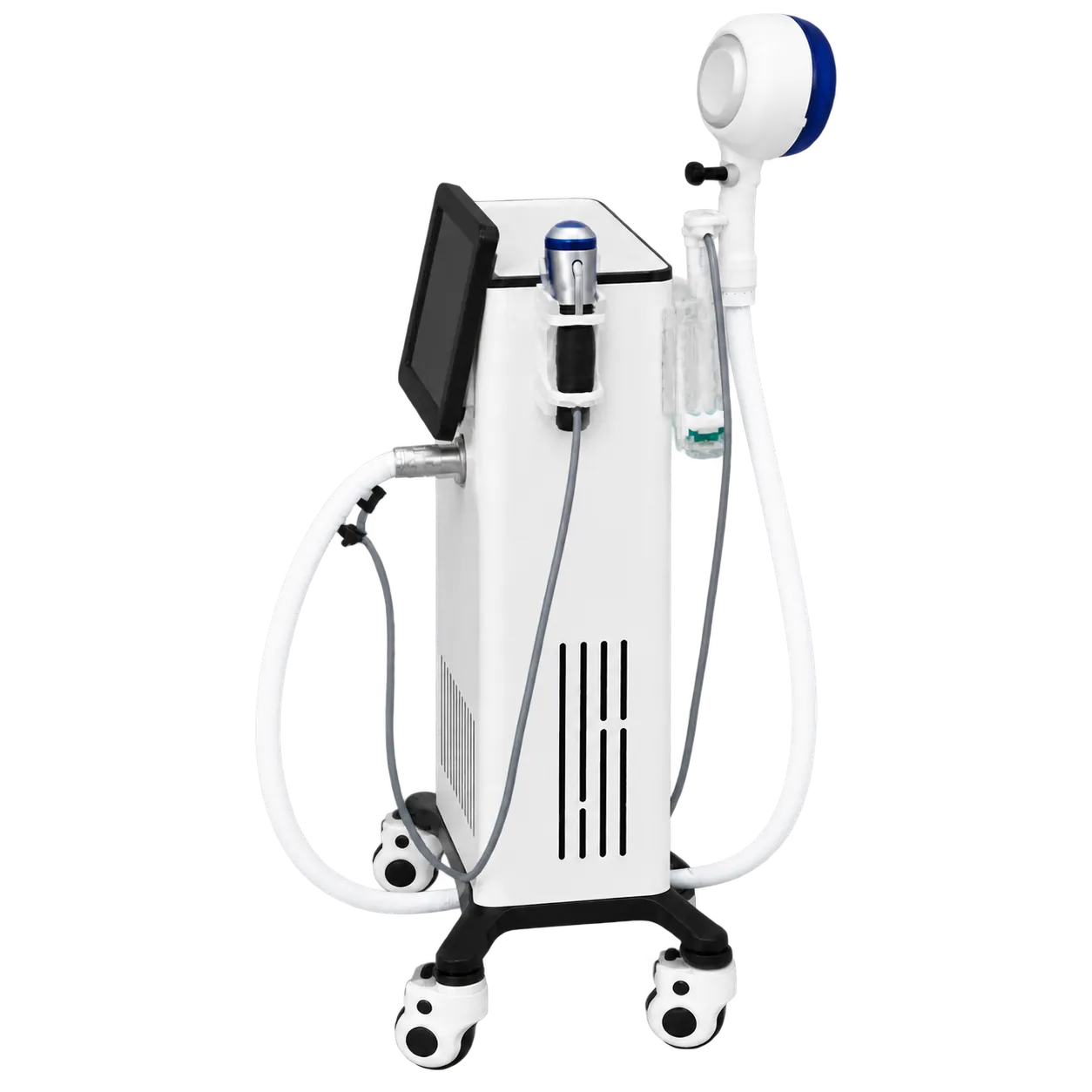
Sports medicine clinics, physiotherapy practices, podiatry services and orthopaedic outpatient teams are the likely users, treating chronic tendon and soft tissue problems in the shoulder, elbow, hip and heel. Shockwave work in those areas should follow NICE's special arrangements where they apply, and the case for adding magnetic therapy rests on a single randomised trial in rotator cuff tendinopathy. Most clinics will use both functions alongside a loading or exercise programme.
The room decides how smoothly the service runs. A treatment room with a closing door keeps shockwave noise away from reception, and booking shockwave sessions away from quiet treatments next door helps as well. The employer's field assessment may set a clear zone around the ring, and marking it at the door keeps staff and visitors with pacemakers outside it. The base also needs space beside the couch so that the ring holder and the handpiece lead can reach both sides of the patient.
Patient screening runs through every appointment, covering implanted electronic devices, pregnancy and skin integrity at the treatment site. Records should note the pressure, frequency, impulse count and magnetic settings used, so that another clinician can repeat the session exactly. Staff who take over a patient mid-course then have everything they need on one page.
NHS trusts will route the unit through medical devices management and estates before it reaches a clinic room, and independent clinics should add it to their electrical testing and risk assessment schedules. The manufacturer issues the declaration of conformity for the ECT+2, and the seller hands it to the buyer with the quotation.