
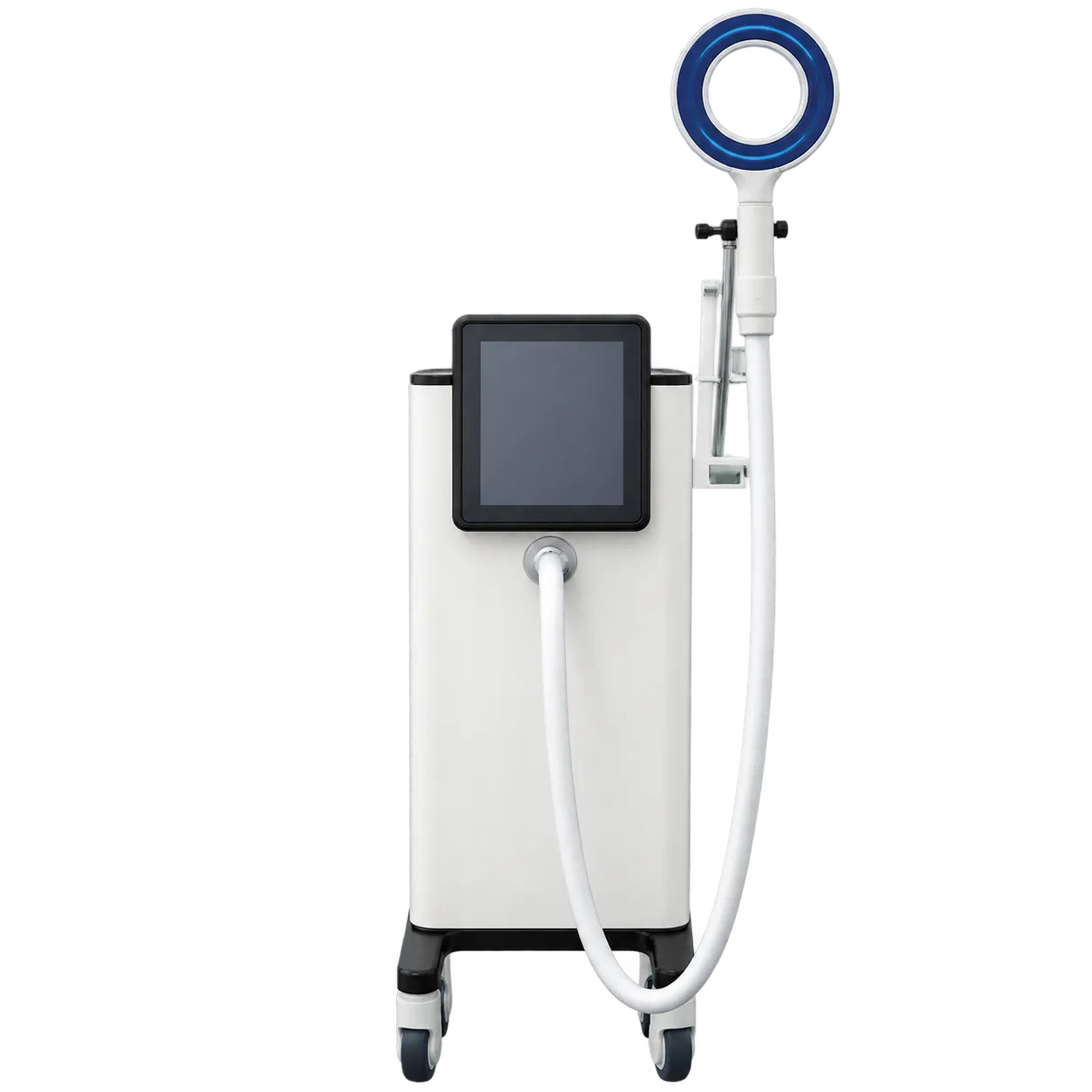
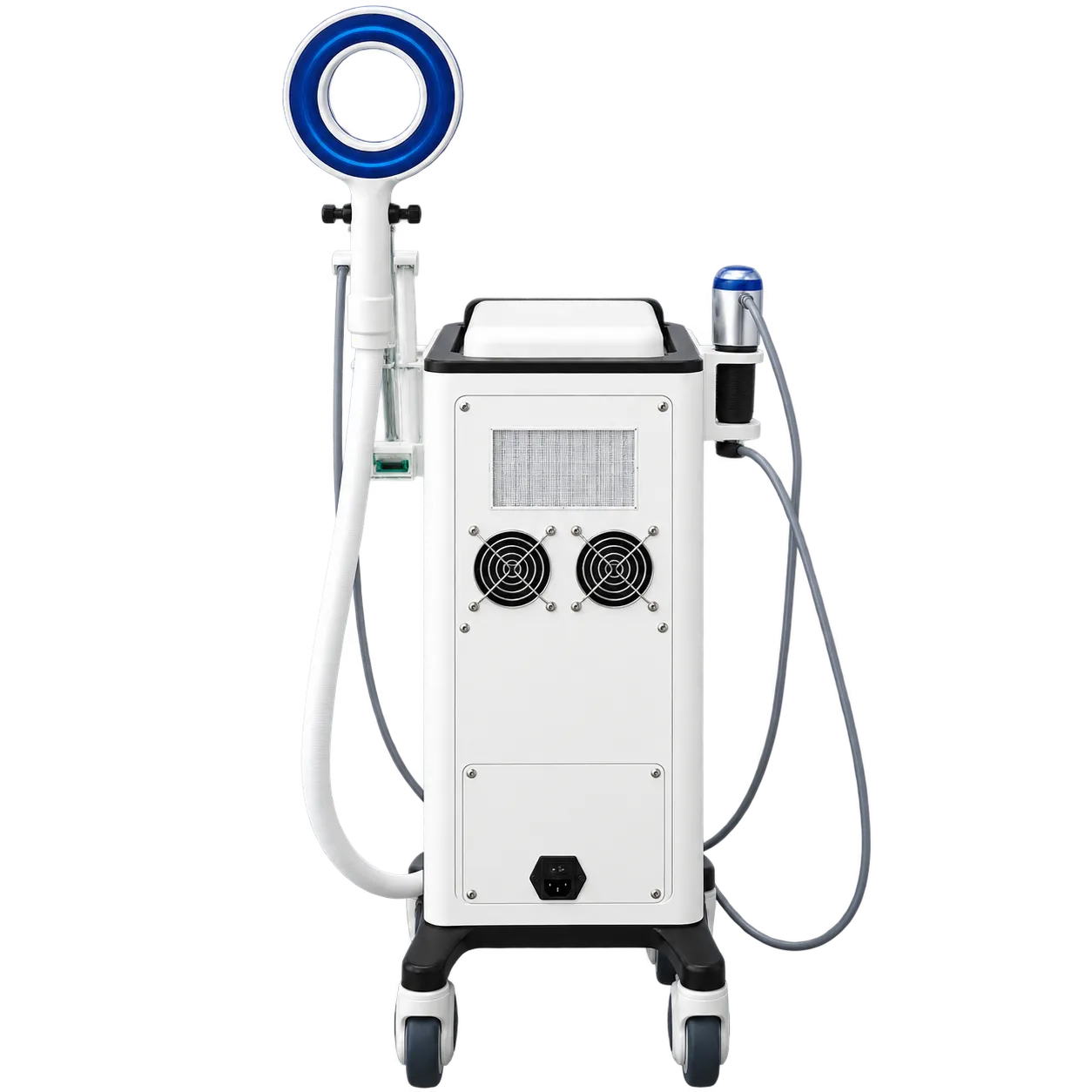
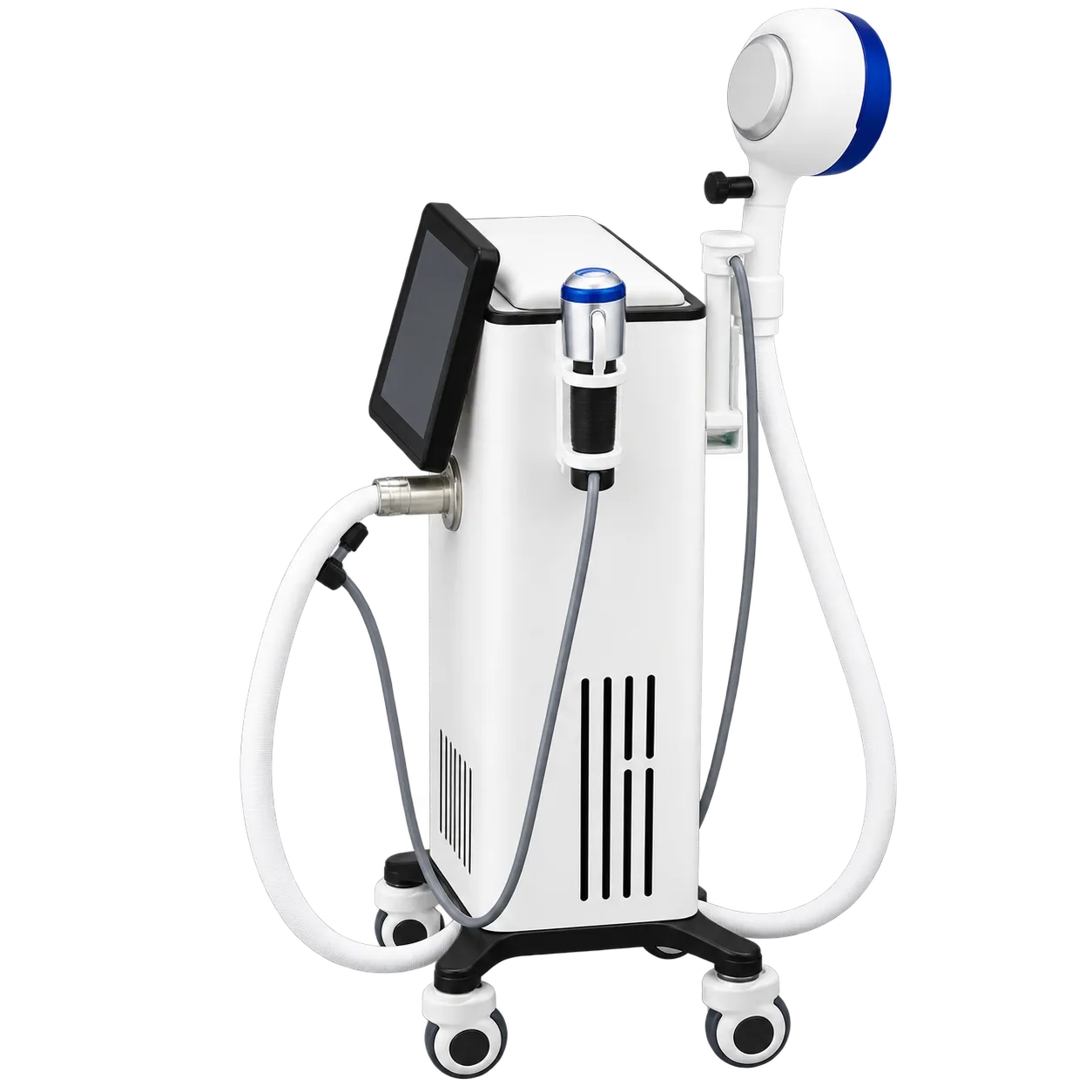
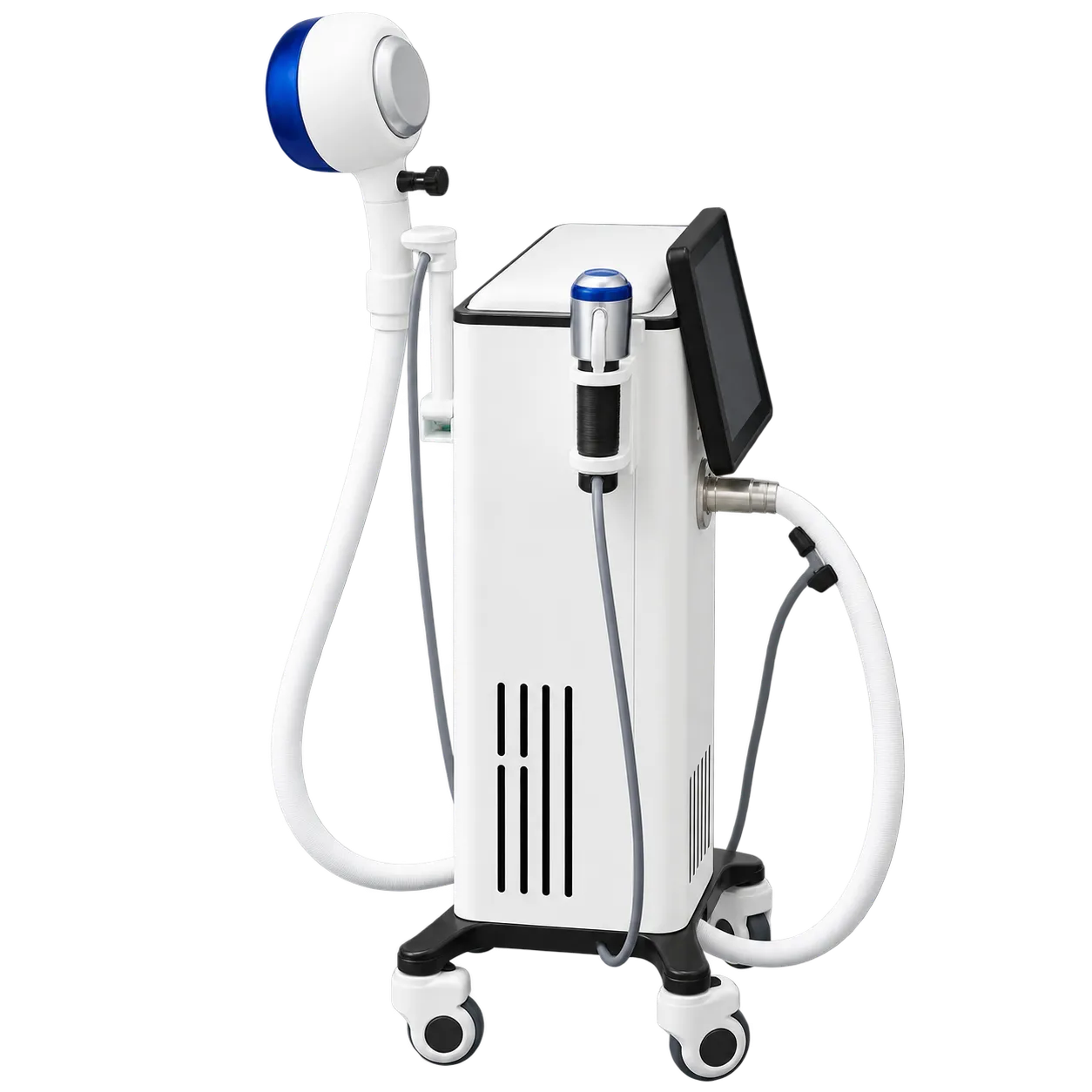
Physiotherapy, sports rehabilitation and musculoskeletal services are the usual buyers for a pulsed magnetic tower, with knee and joint pain the areas trials have covered most. Treatment sits alongside exercise rather than replacing it, which is where NICE emphasises osteoarthritis.
Because one ring handle is listed, a service treats one area at a time and plans appointment lengths around that. The manufacturer's instructions must specify the session length, since the sheet provides no timer, and the protocol must name a frequency from whichever row the operator can change.
Access also deserves checking before delivery. A 1,035 mm tower on a pallet must clear the goods entrance, any lift, and the treatment room door, and the crate weighs 53 kg. Room choice then deserves more thought here than with most equipment. A bay with a socket near the couch, space for the clinician to stand back from the ring, and no sensitive electronics nearby suits it best. Where the room is shared, agree which corner the tower lives in and keep the ring in its holder between patients so the cable is not walked on.
Screening belongs on the booking form. Pacemakers, implanted defibrillators, other active implants, metal implants, worn devices and pregnancy all need asking about before the appointment, and staff who fall into those groups need their own risk assessment under the electromagnetic fields regulations.
Registration in England follows the treatment and the provider through the Care Quality Commission, while the devolved nations each apply their own scheme. Private practices and sports clubs generally buy direct, and NHS bodies pass new electrotherapy equipment through medical device management checks first. The conformity documentation those procurement routes require is issued by the manufacturer and provided by the seller.