
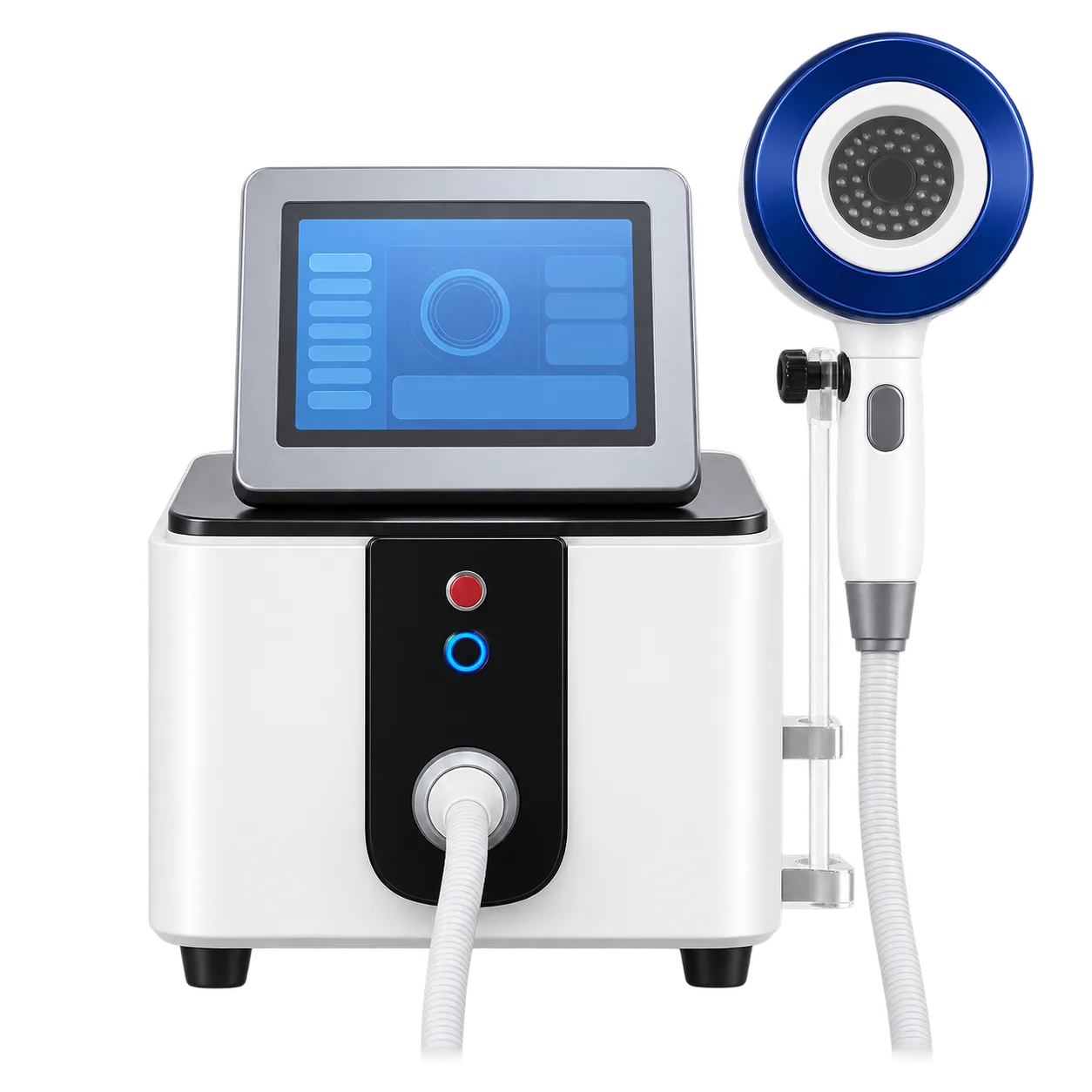
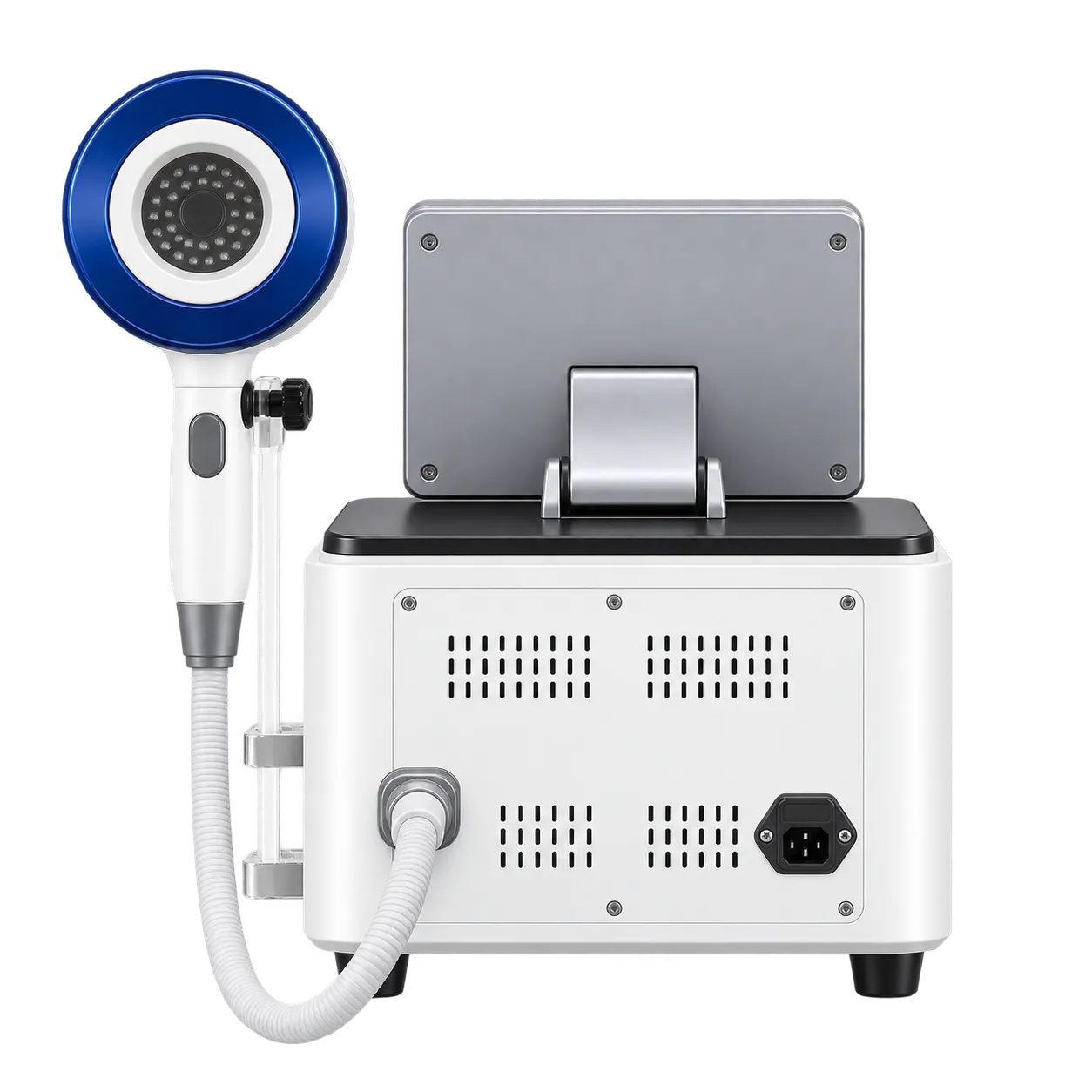
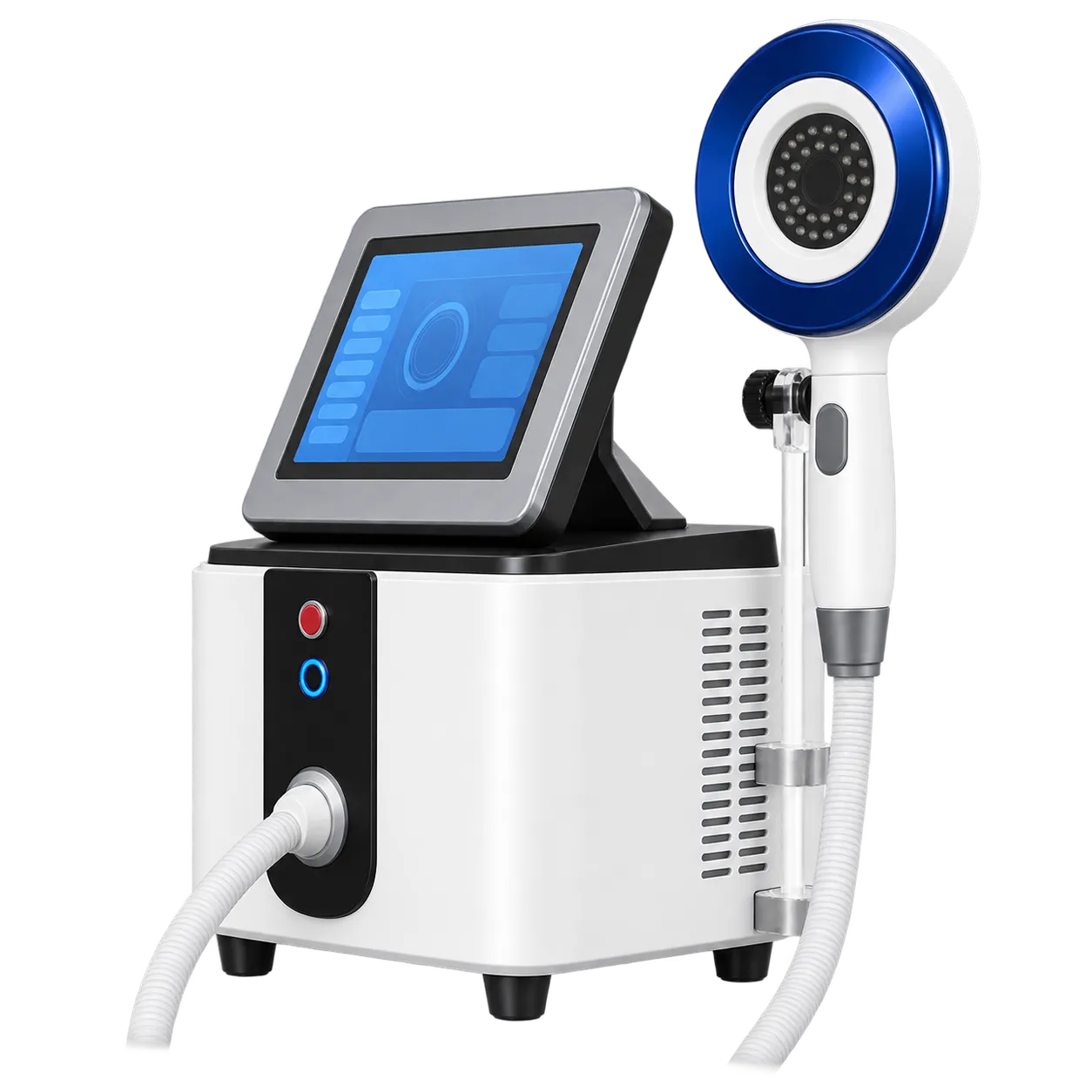
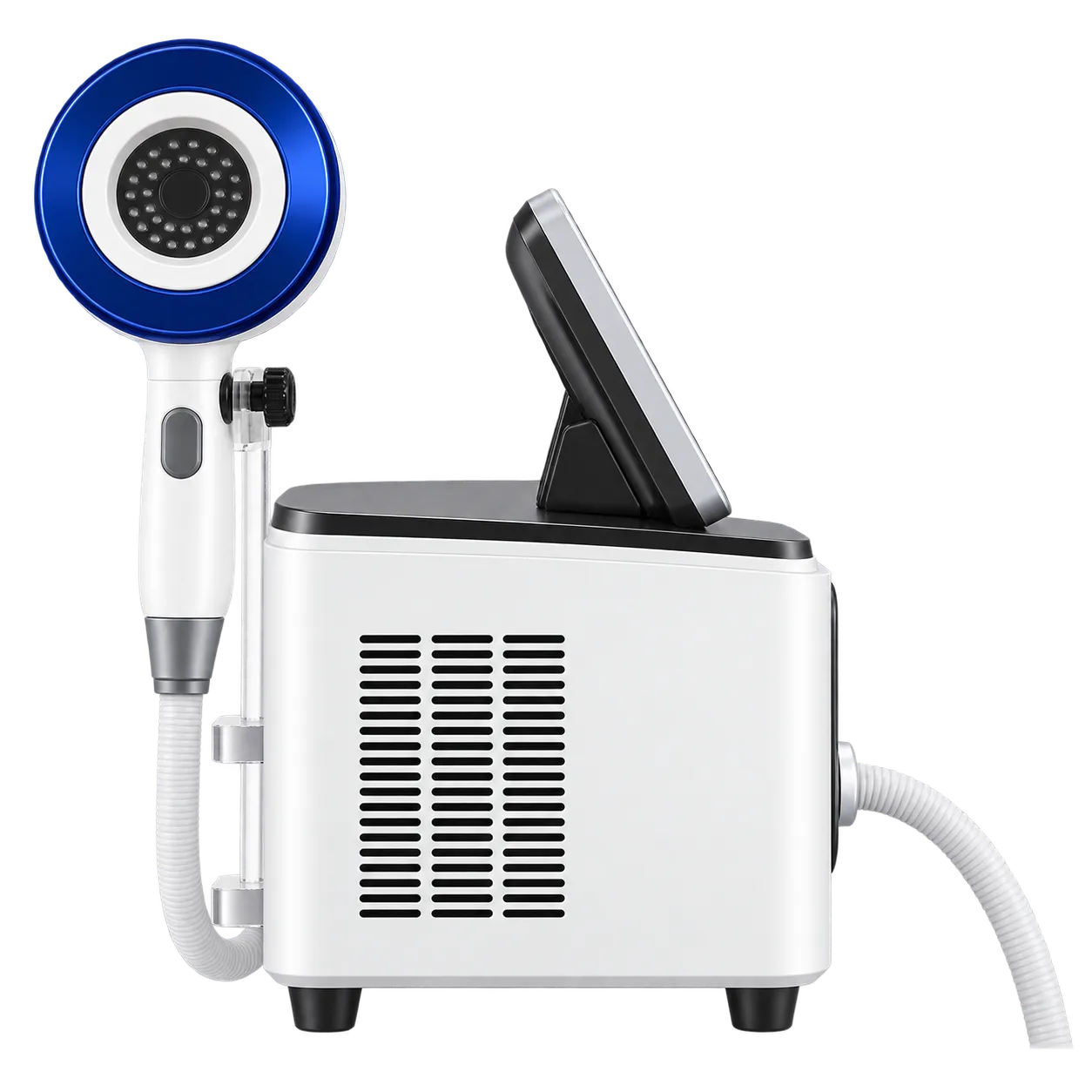
Physiotherapy practices, sports rehabilitation services and pain clinics are the likely users, treating soft tissue and joint pain where a clinician wants a field over a whole area and light on specific points. Chiropractors and osteopaths who already run electrotherapy fit the same pattern. Vets are outside the scope of this listing because clinics will be asked for conformity documents for human use.
The two applicators divide the work. The ring covers a knee, an ankle or a shoulder in one position, while the cold laser handpiece is worked point by point over tender spots, trigger areas or a scar. A protocol that names the points, the time on each and the settings used will survive a change of clinician better than one carried in someone's head.
Screening comes before using either applicator. Staff should ask about pacemakers, defibrillators, and other implanted electronics; pregnancy; and skin condition at the site. Eye protection belongs in the room whenever the laser runs, and the clinic needs to know the class before it can specify the right marking.
Appointment planning is the practical decision. If the stand holds the ring in position, a clinic can run the field while the clinician writes notes or prepares the next patient; if not, both halves of the treatment are hands-on, and the room is occupied for the full session. NHS services will route the unit through medical devices management, and independent clinics should add it to their electrical testing schedule. The manufacturer issues the declaration of conformity and the classification evidence, and the seller passes both on with the quotation.