
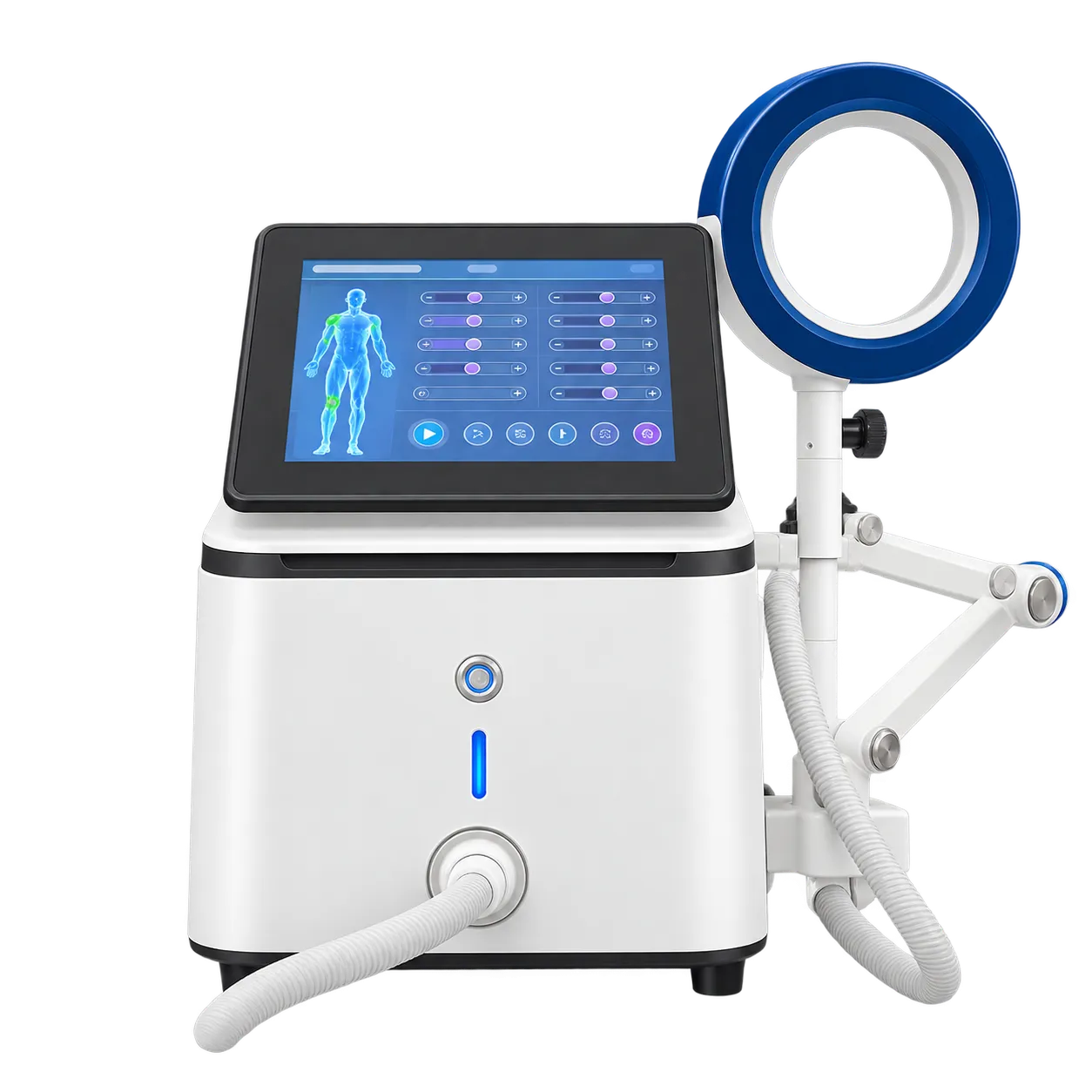

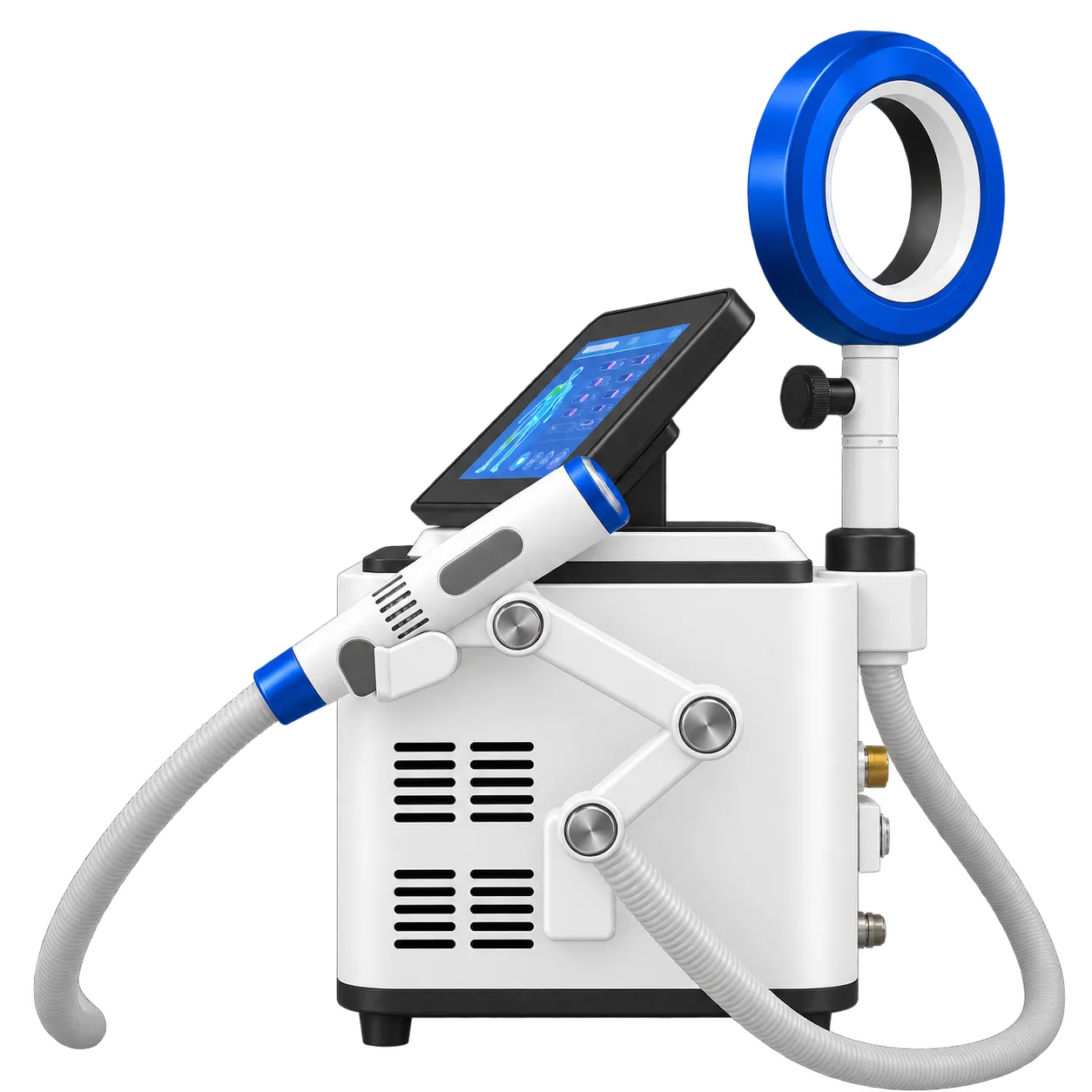
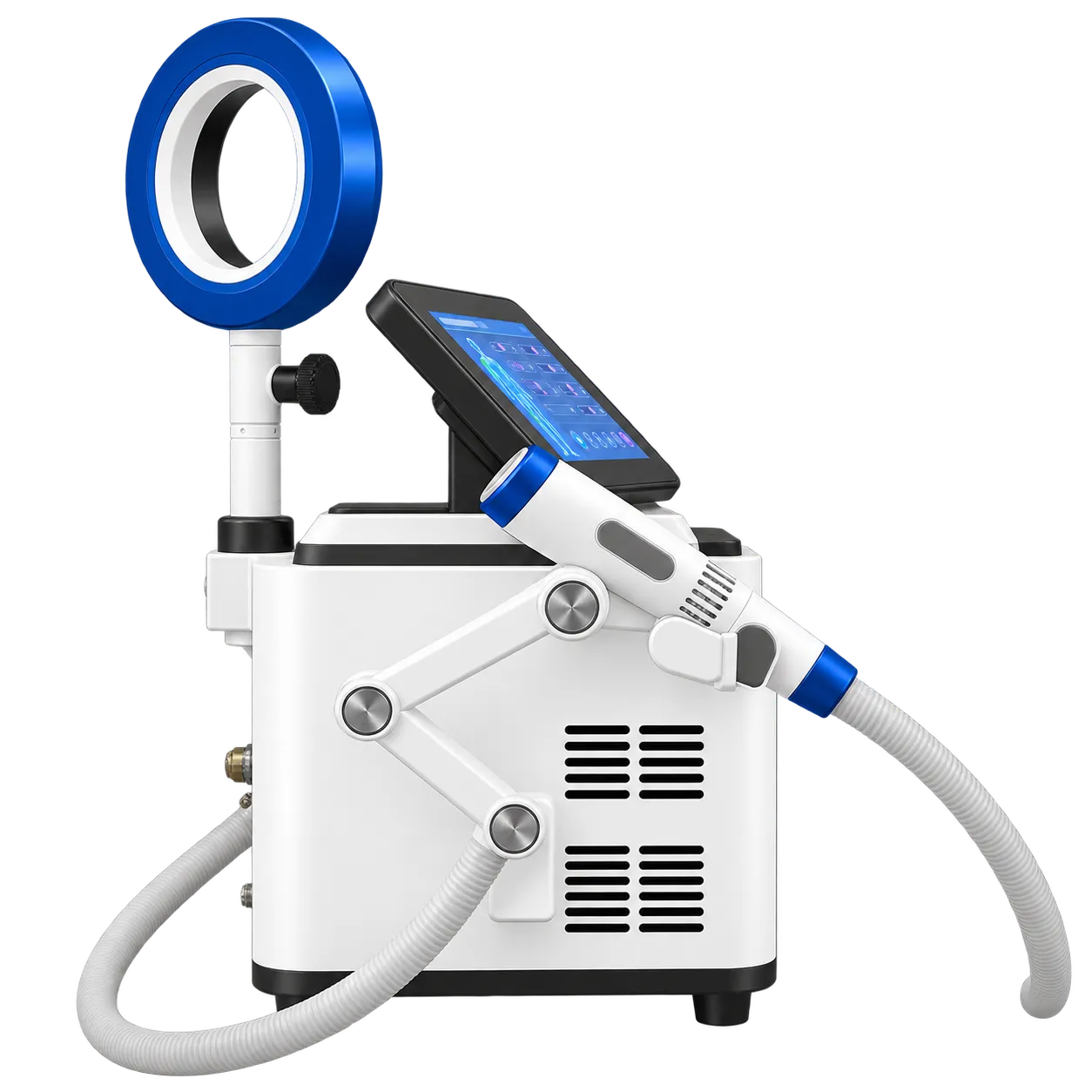
Physiotherapy practices, sports rehabilitation services, and pain clinics are likely buyers, using the field over a knee, shoulder, hip, or the muscles on either side of the spine. Chiropractic and osteopathic practices with an electrotherapy room fit the same pattern. A magnetic field passes through clothing, so patients stay dressed, and no gel or skin preparation is needed, which keeps the treatment itself simple to deliver.
The single applicator shapes the clinic list. One ring treats one area at a time, so a patient with two problem sites needs a longer appointment rather than two applicators working at once. That is easy to plan around once the protocol names the areas, the rate and the time for each.
Screening runs ahead of every appointment. Staff should ask about pacemakers, defibrillators and other implanted electronics, about pregnancy, and about recent surgery at the treatment site. The employer's field assessment covers the staff side, including anyone on the team who is pregnant or carries an implanted device, and the answers belong in the same record as the treatment notes.
Records make the modality repeatable. Rate, position, distance from the skin, and time should all be in the notes, because none of them can be reconstructed later, and published evidence is sensitive to how the therapy is delivered. In an NHS trust, the console goes through medical devices management before it reaches a clinic room, and in independent practice it joins the electrical testing schedule. The manufacturer issues the declaration of conformity and supporting test evidence, and the seller passes both to the buyer with the quotation.