
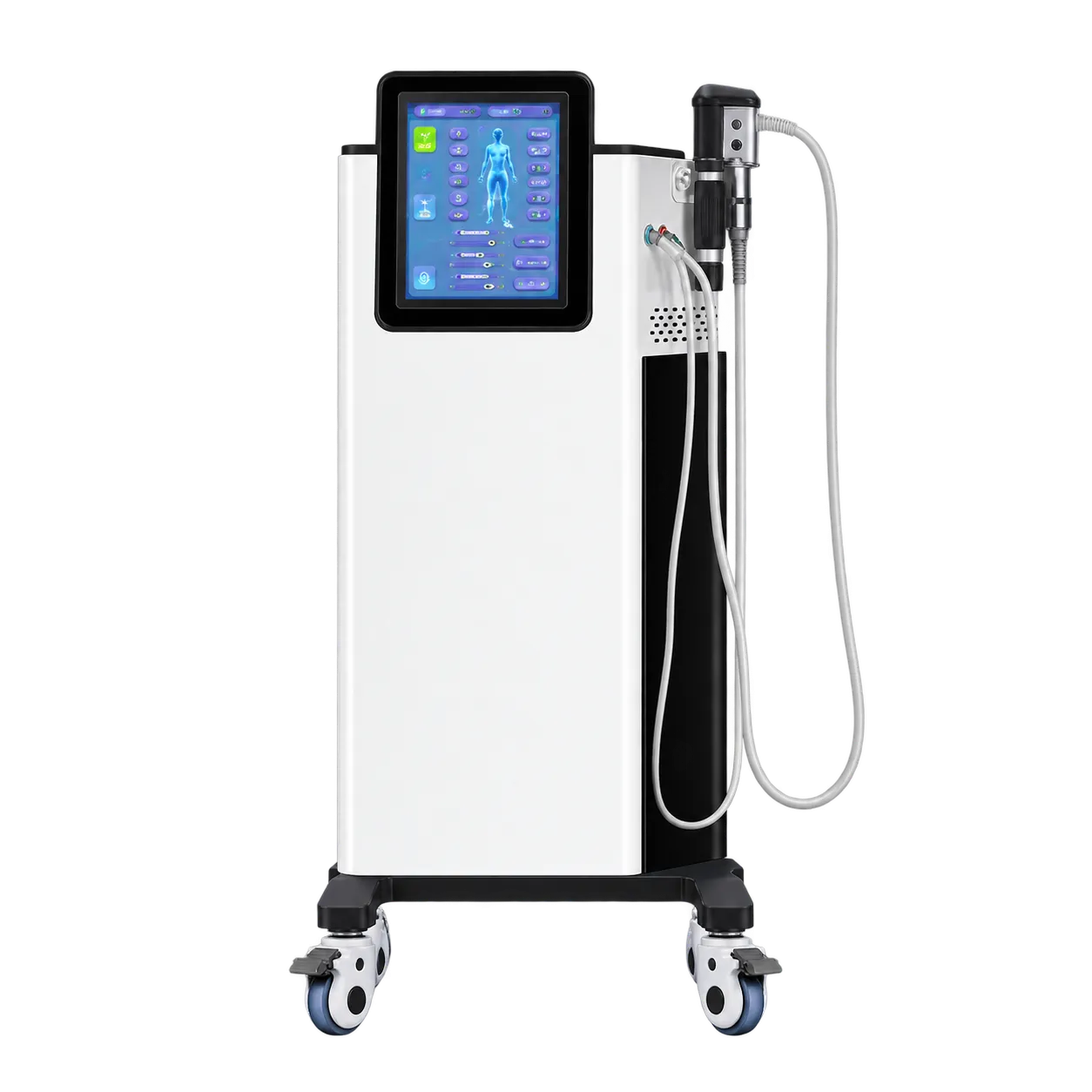
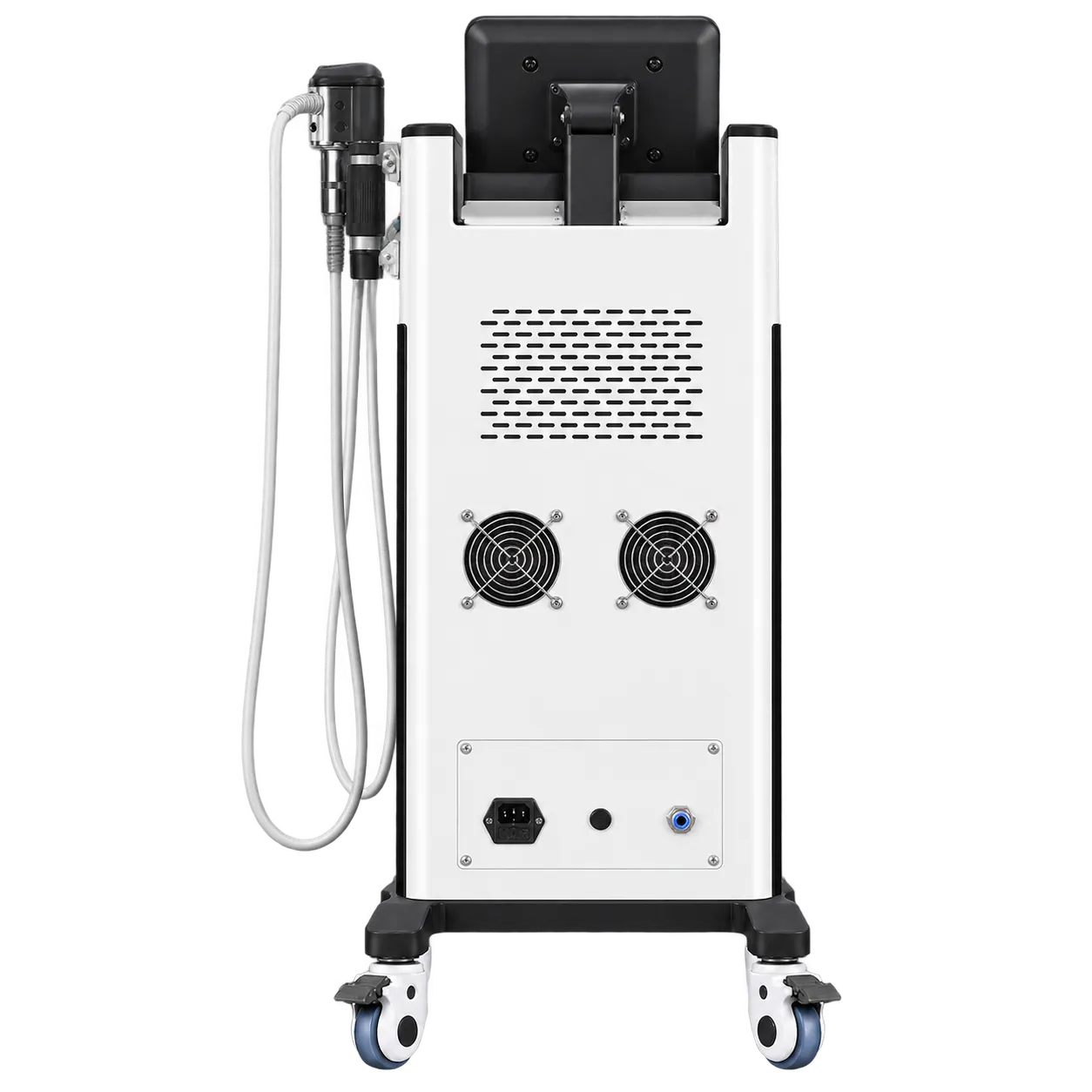
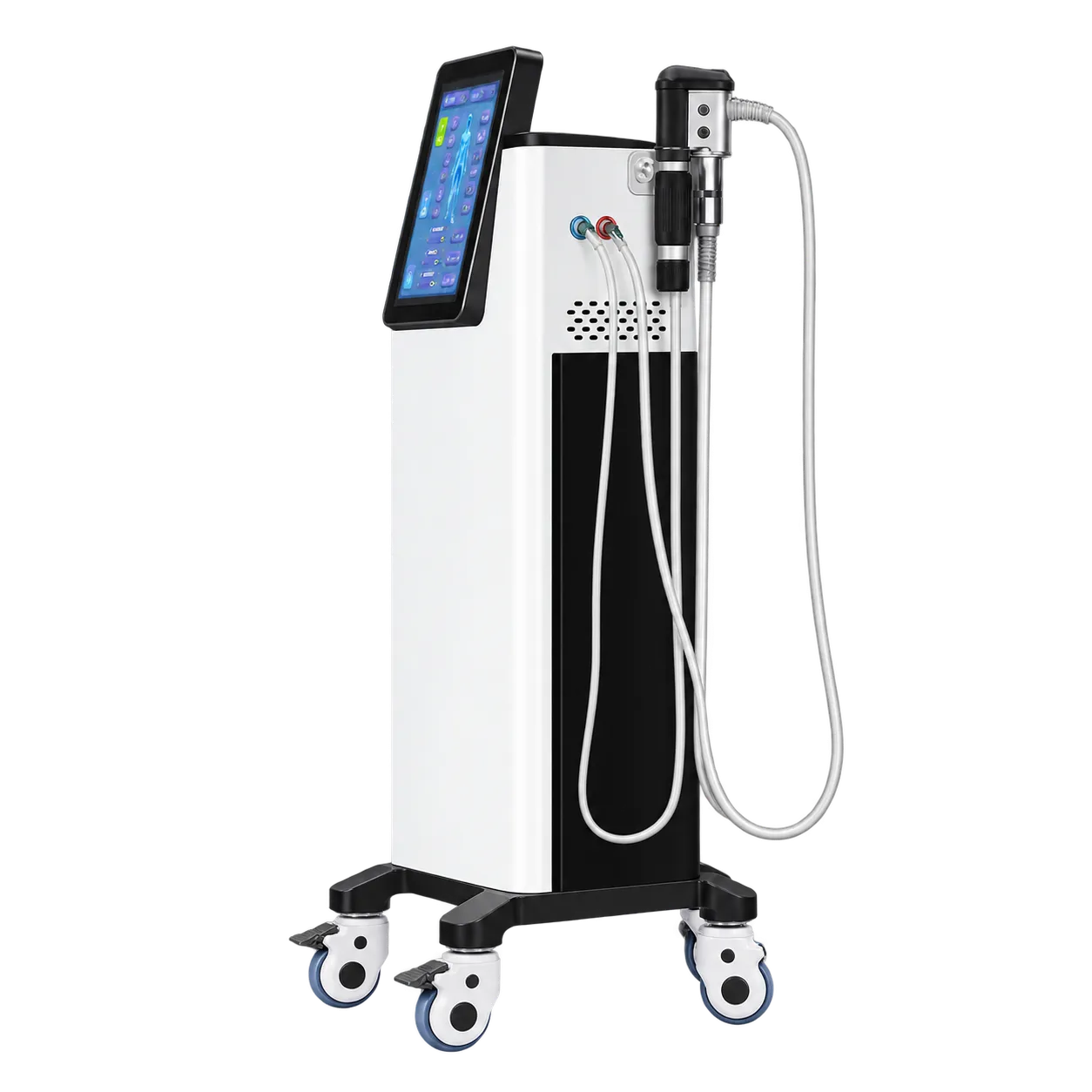
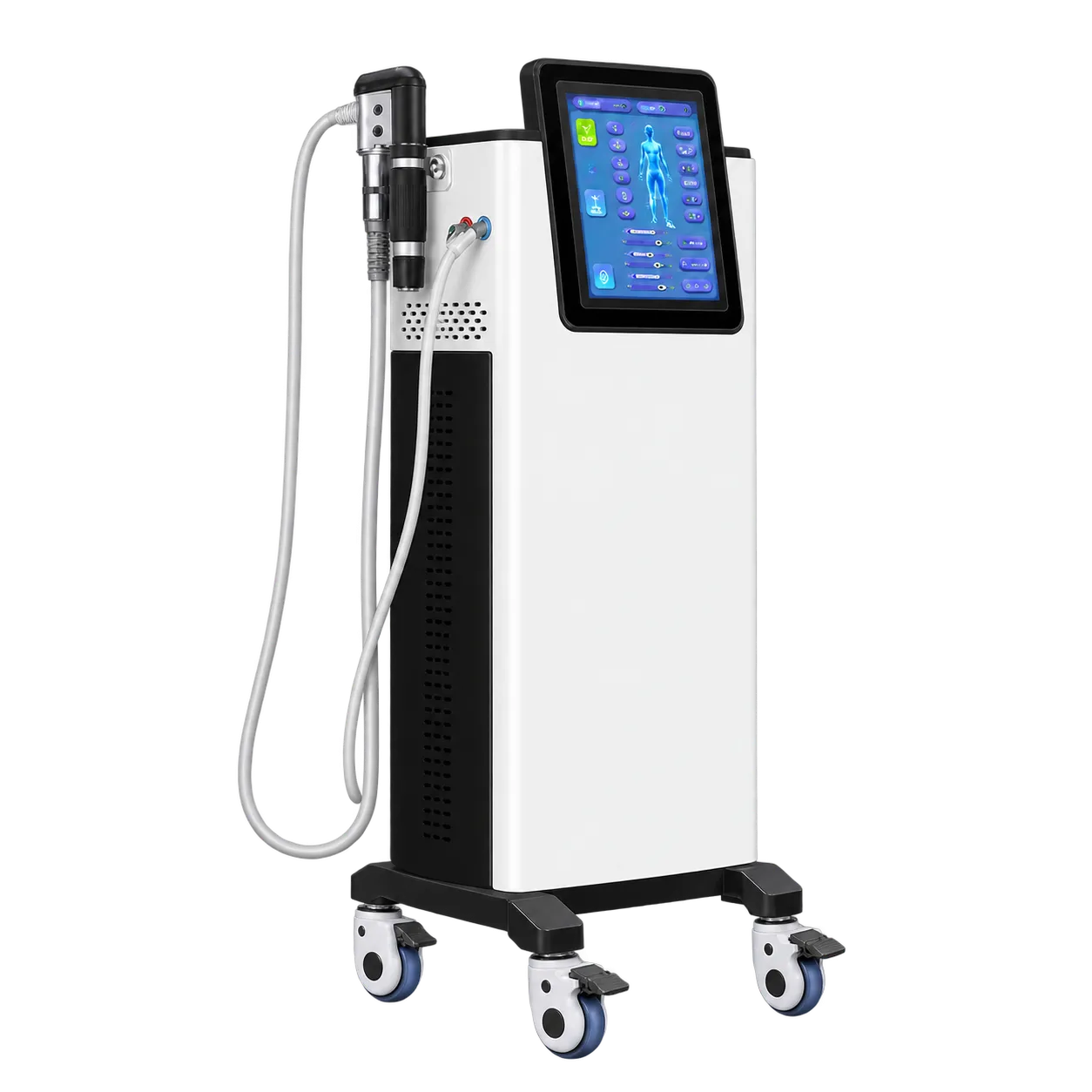
Musculoskeletal and sports services treating tendon and heel conditions are the target audience for a tower like this. Plantar heel pain, tennis elbow, Achilles tendinopathy, and greater trochanteric pain are the applications NICE has reviewed for shockwave, each expected to run under special arrangements covering consent, governance, and audit.
The nine transmitters suit a caseload that moves between regions across a list, from a heel in the morning to a shoulder in the afternoon. Services should map which transmitter, what pressure, what rate and how many impulses belong to each protocol, then keep that map beside the tower rather than in someone's memory.
The ultrasound side needs a decision before purchase, not after. Either the seller supplies the parameters and a calibration certificate, in which case the head can be written into protocols and output-tested annually, or the service treats the handle as unusable and buys on the shockwave specification alone. Avoid charging patients for an undocumented modality.
Staff exposure is mostly a noise question here. Sessions can reach levels that put a busy operator into assessment territory, so consider list design, room choice, and whether staff who run several blocks a day need hearing protection.
English providers register with the Care Quality Commission according to the service they run, and the devolved nations operate their own schemes. Private practices and clubs tend to order directly, while NHS services run new equipment through device management before use. The conformity documentation those procurement routes require is issued by the manufacturer and provided by the seller.