
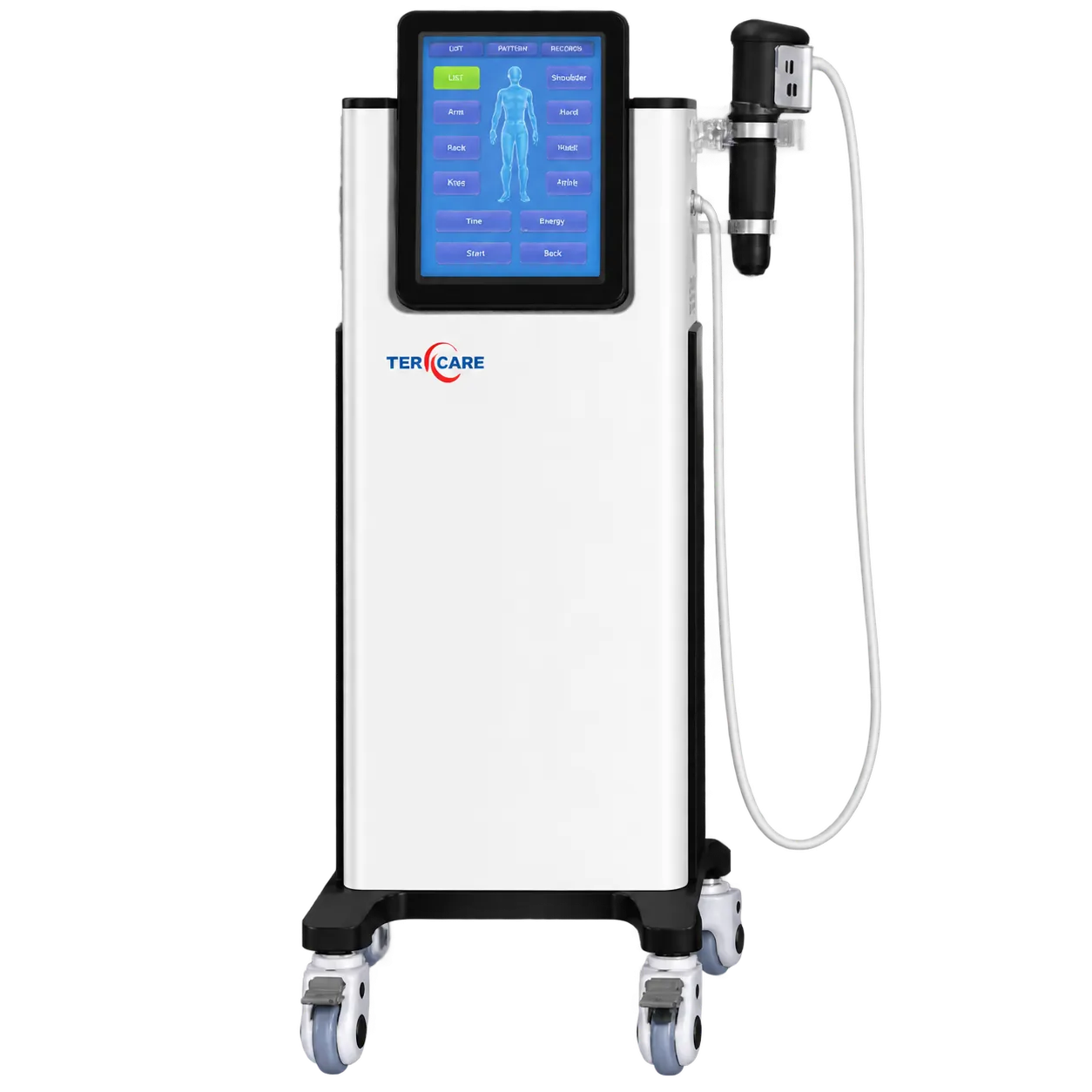
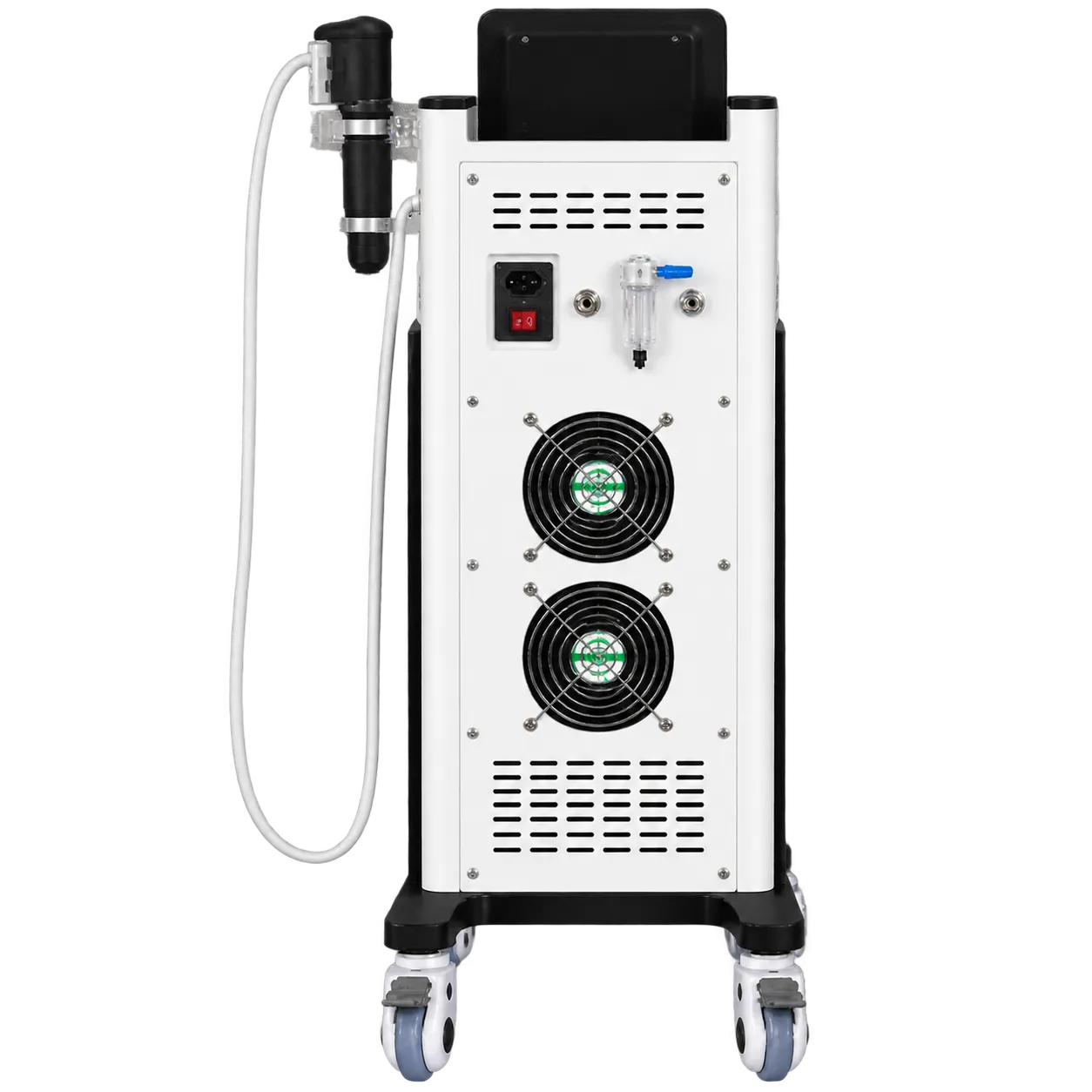
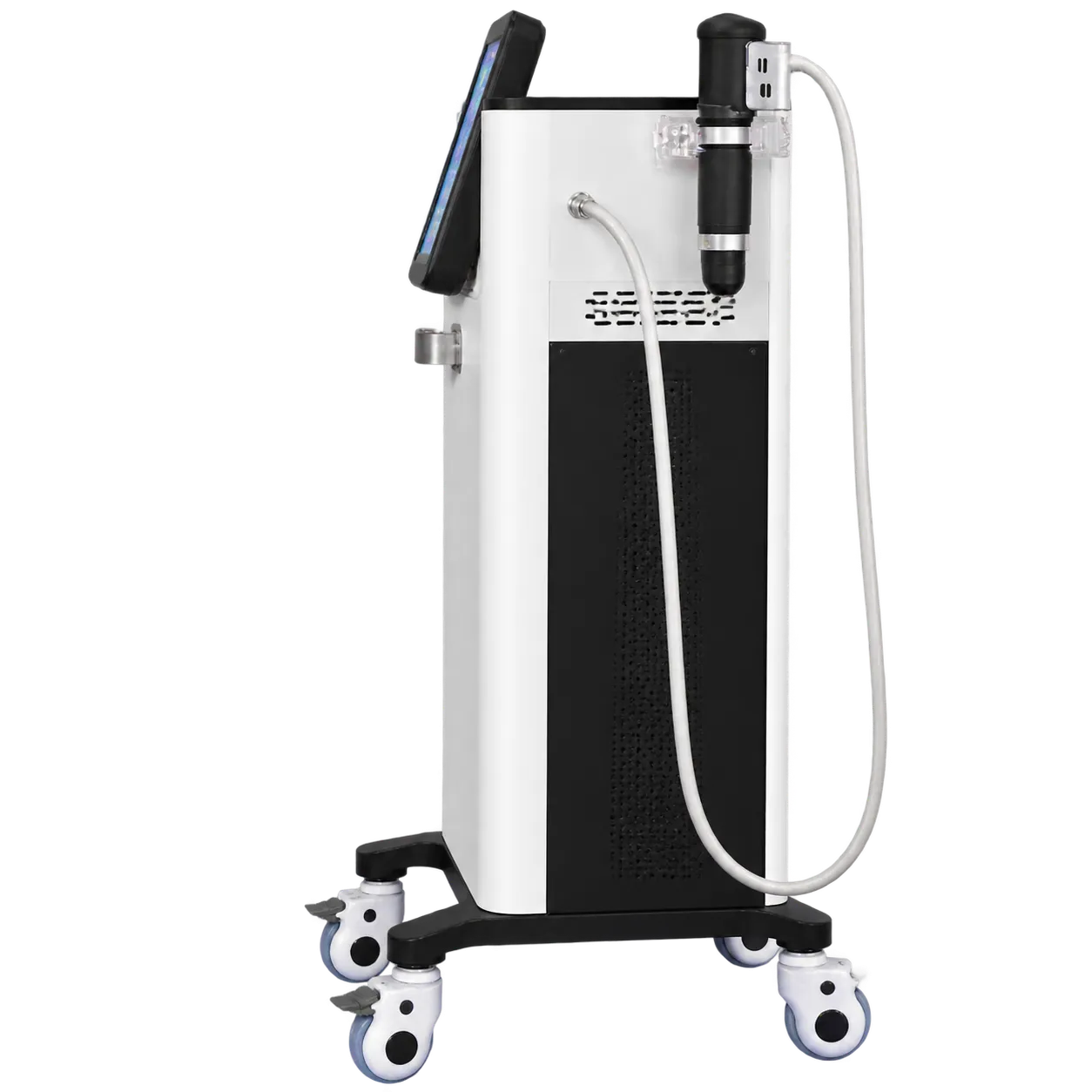
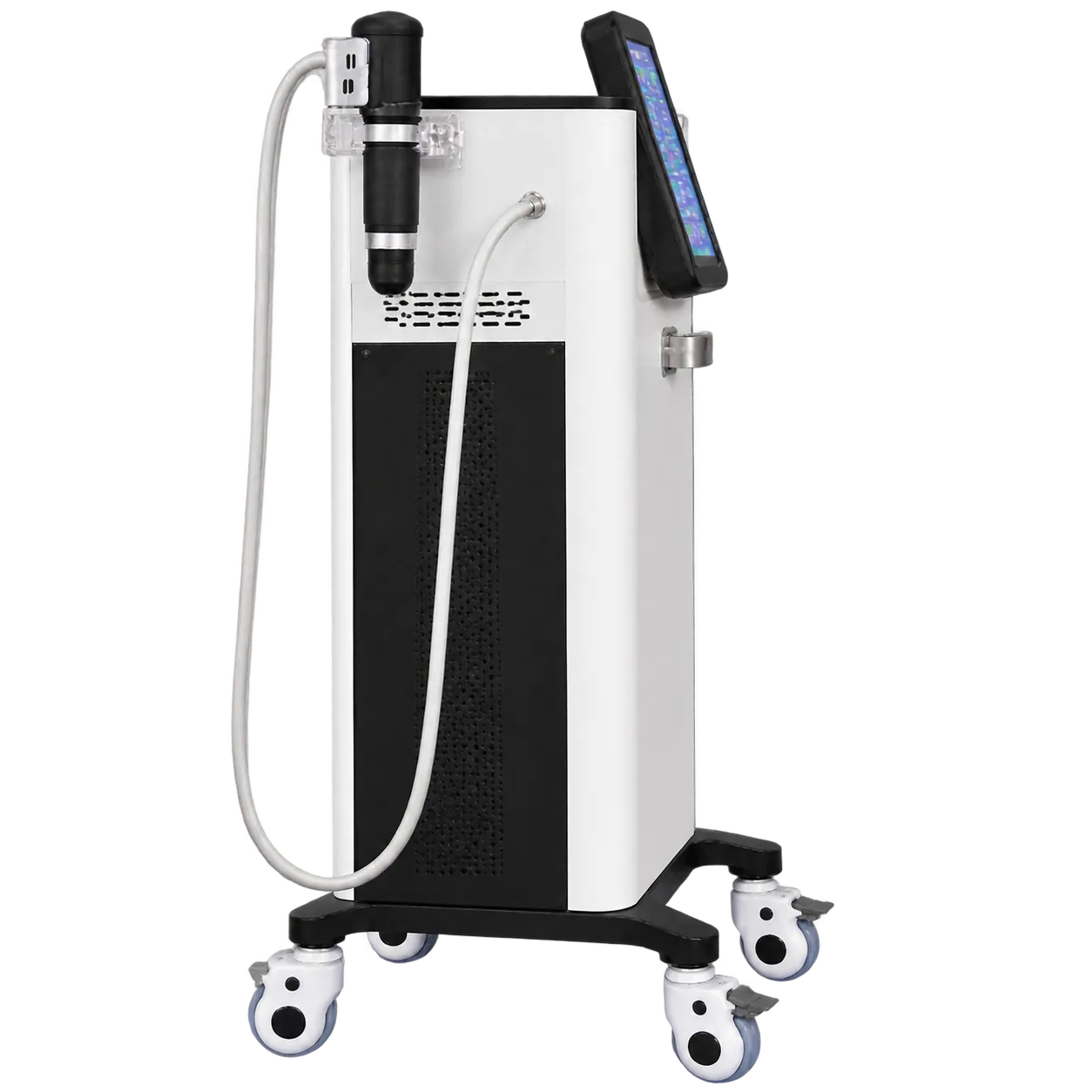
The 7801 targets musculoskeletal outpatient clinics, foot and ankle services, podiatry practices, and sports injury clinics, particularly where rooms are small and one slim unit must fit beside the couch. Achilles and plantar fascia problems are the likely core of its caseload, alongside other superficial tendon and trigger-point work.
The evidence for those two conditions is modest. In the UK, NICE guidance on Achilles tendinopathy (now HTG426) and plantar fasciitis (IPG311) report no major safety concerns alongside inconsistent efficacy evidence, and both restrict ESWT to special arrangements for clinical governance, consent, and audit or research. The same position applies to refractory tennis elbow under HTG201. Services should give patients clear written information about that uncertainty and collect outcomes from the first treatment. For shoulder work, calcific rotator cuff tendinopathy confirmed on imaging carries better guideline support than non-calcific disease.
Governance for this unit starts before the first patient. A device entering an NHS or private service in Great Britain should arrive with its conformity evidence, MHRA registration and UK Responsible Person details already confirmed, since a clinical governance lead will ask for them before treatment begins. Texua also lists urology among its fields, and any use there would need separate review of the evidence and regulation.
NHS procurement routes will want the device class, certificate, registration evidence and electrical test records on file, and equivalent public procurement elsewhere asks the same. The conformity documentation those procurement routes require is issued by the manufacturer and provided by the seller.