
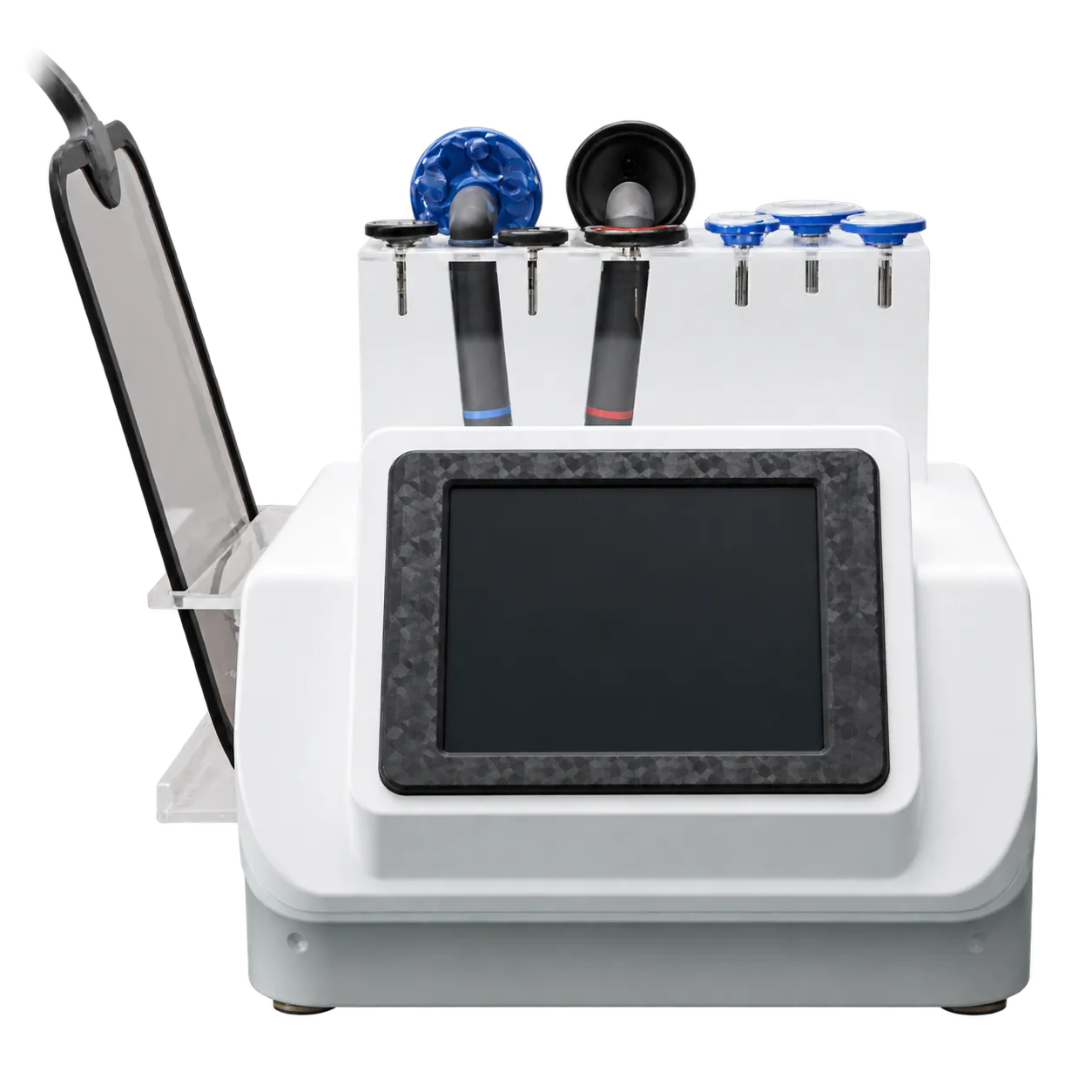
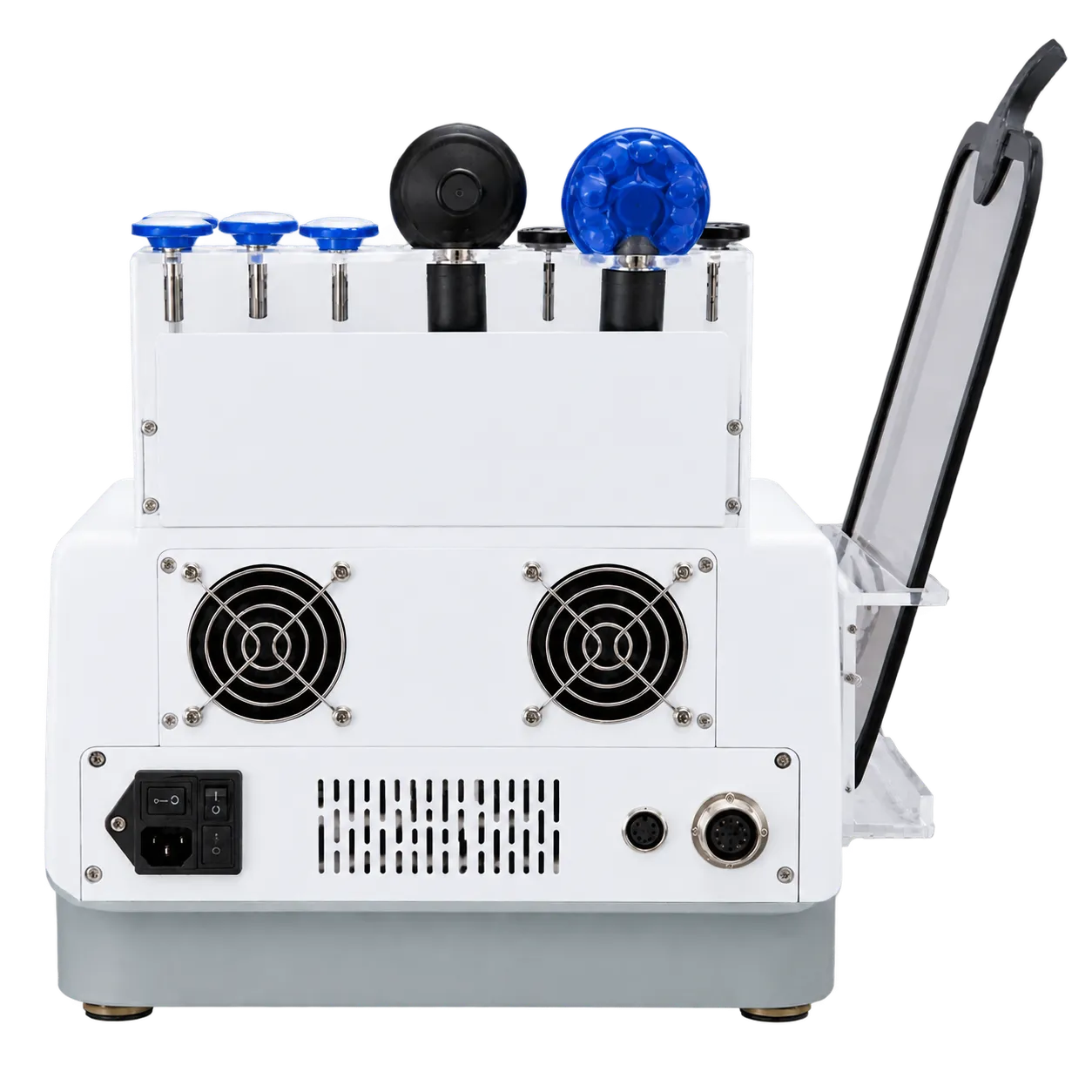
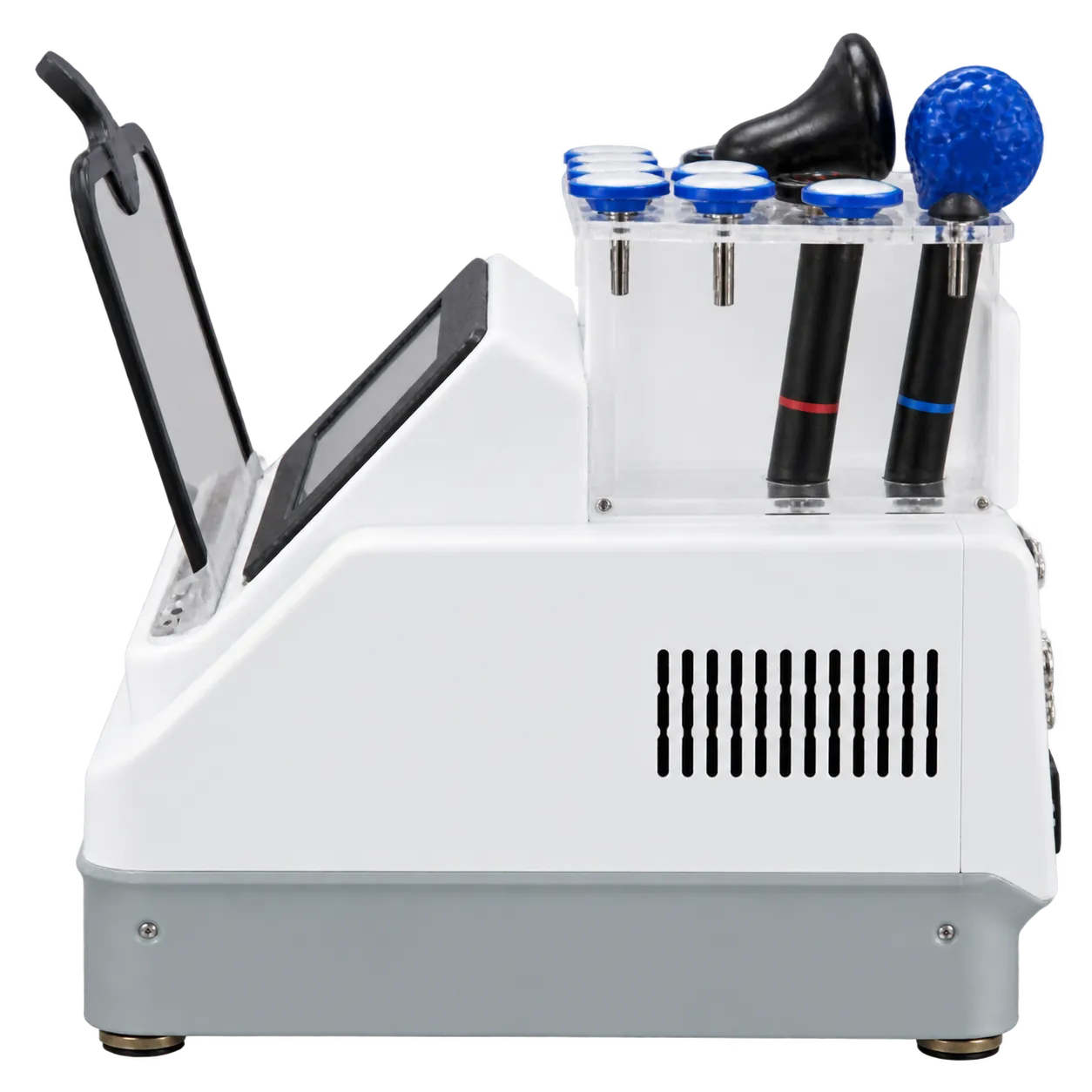
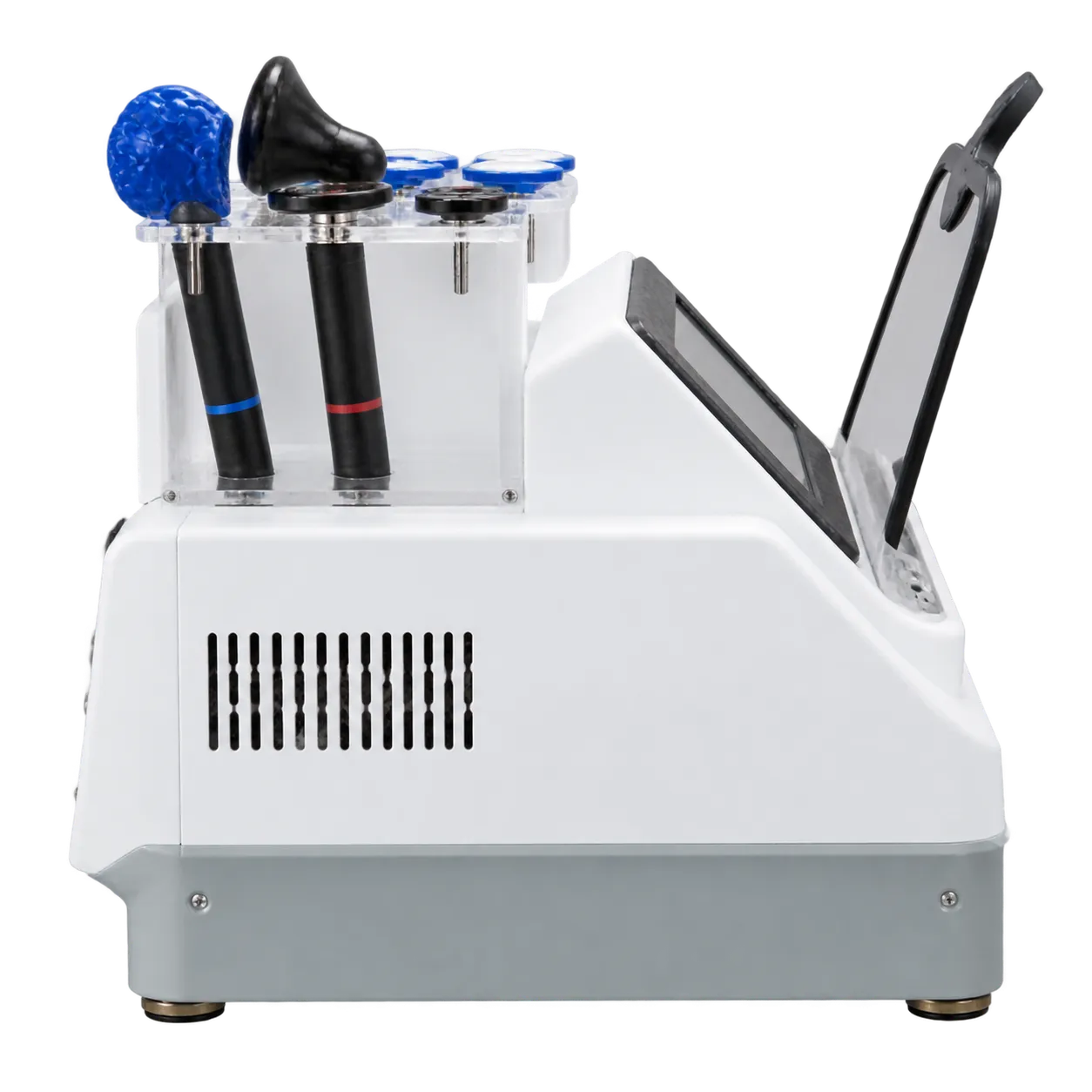
Musculoskeletal physiotherapy and sports medicine are the main settings for 448 kHz capacitive and resistive treatment, with trials covering low back pain, shoulder pain, knee osteoarthritis and muscle recovery after exercise. In most of those trials, it sits alongside manual therapy or exercise, so it works best as one part of a planned programme.
Osteopaths and physiotherapists who already use heat and hands-on techniques will recognise the skills involved, but the console still needs structured training. Mode selection, return plate placement, continuous electrode movement and dose judged by the patient's feedback all have to be taught and signed off before first use. The local procedure should record who is competent and when they were last assessed.
Trials have also explored pelvic health applications, including painful intercourse, stress urinary incontinence and postpartum perineal pain. Those uses call for specialist training beyond general musculoskeletal practice and for procedures that fit the setting.
Screening deserves particular care. Identify patients with pacemakers, implantable defibrillators, or other electronic implants at booking, and staff with implants need their own risk assessment.
In England, CQC registration depends on the treatment provided and who provides it. Services treating arthritic knees and hips should read NICE's osteoarthritis guidance, which puts exercise at the centre of care, and cosmetic work falls outside what the datasheet describes.
Independent practices normally purchase directly, while NHS bodies run new electrotherapy equipment through device management checks before it reaches patients. The conformity documentation those procurement routes require is issued by the manufacturer and provided by the seller.