
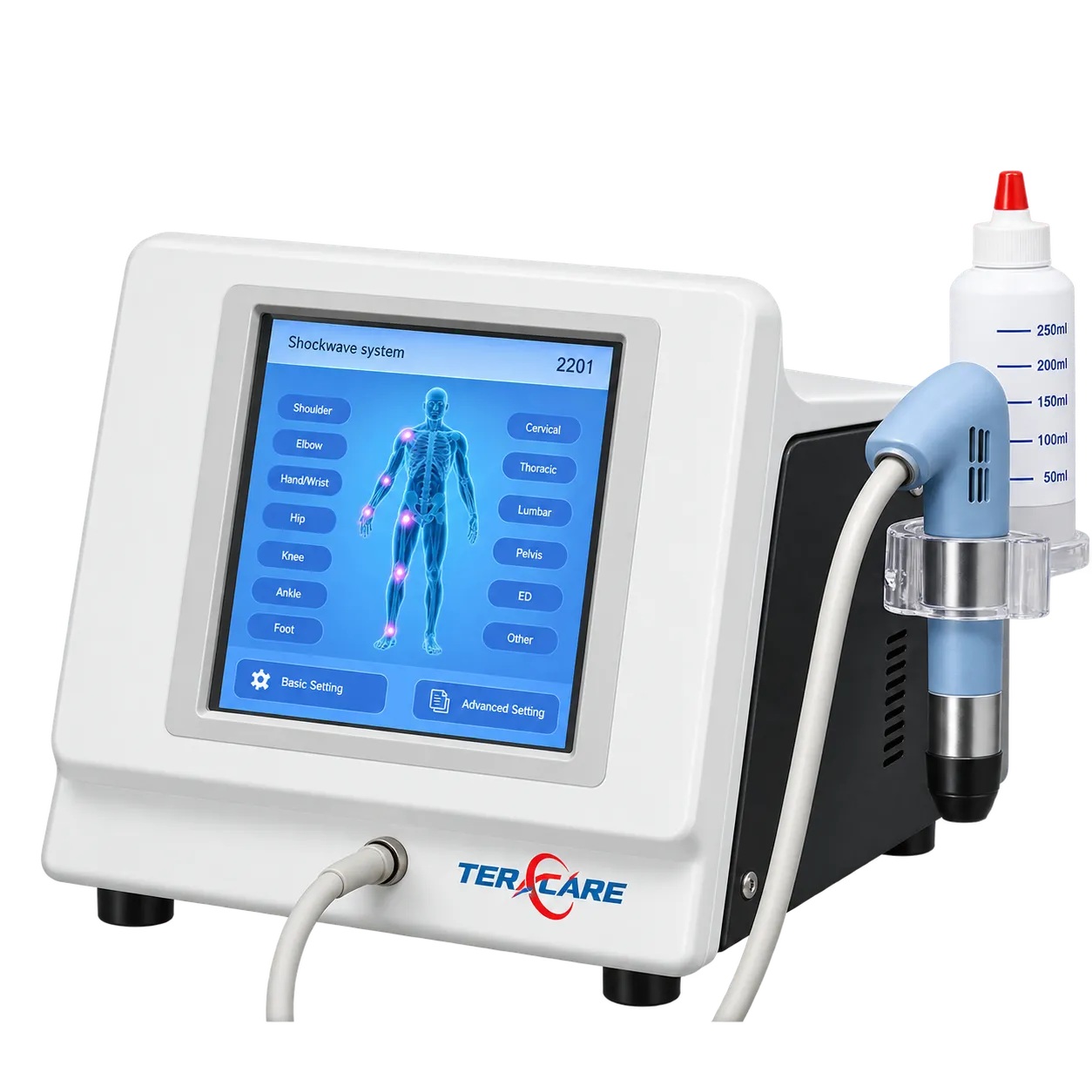

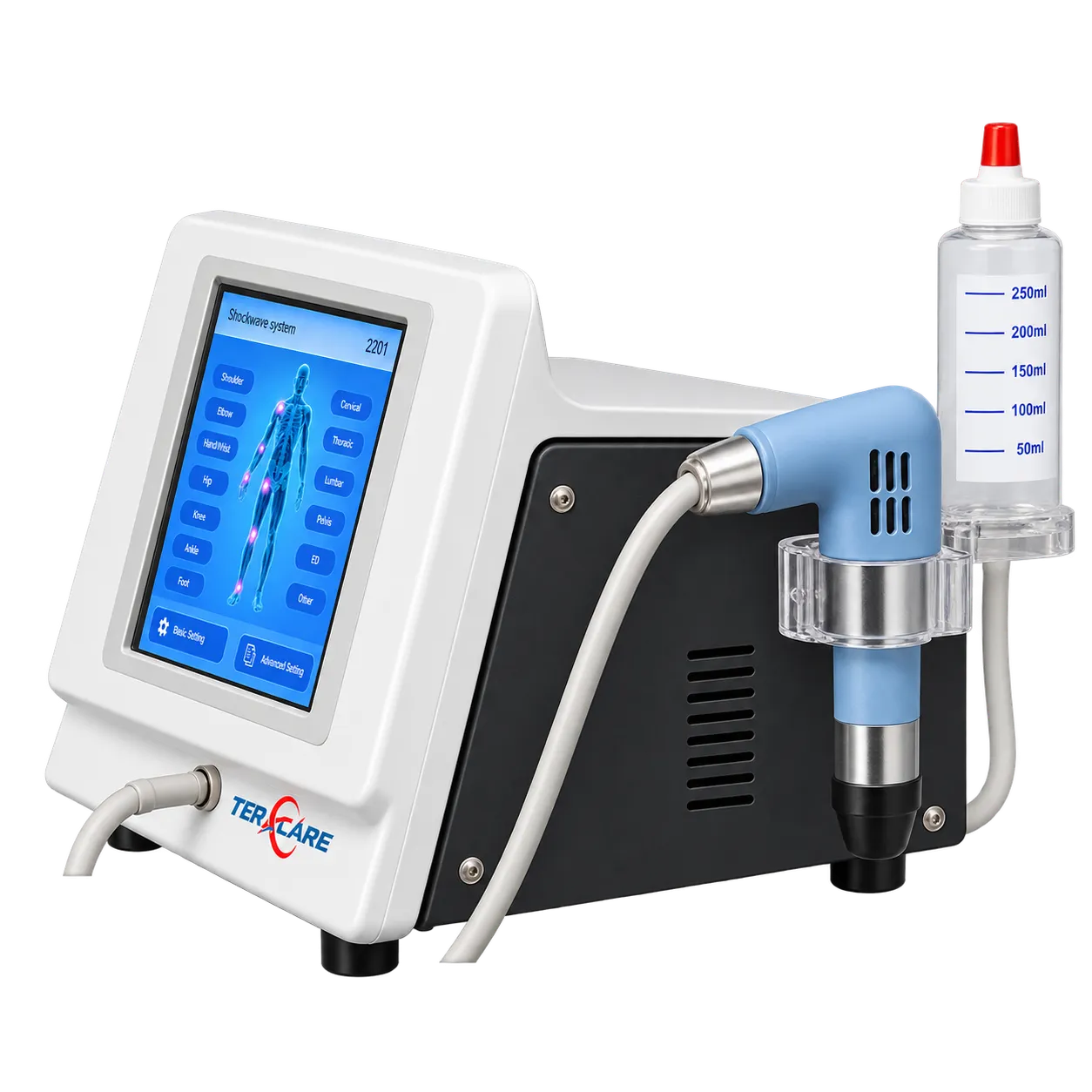
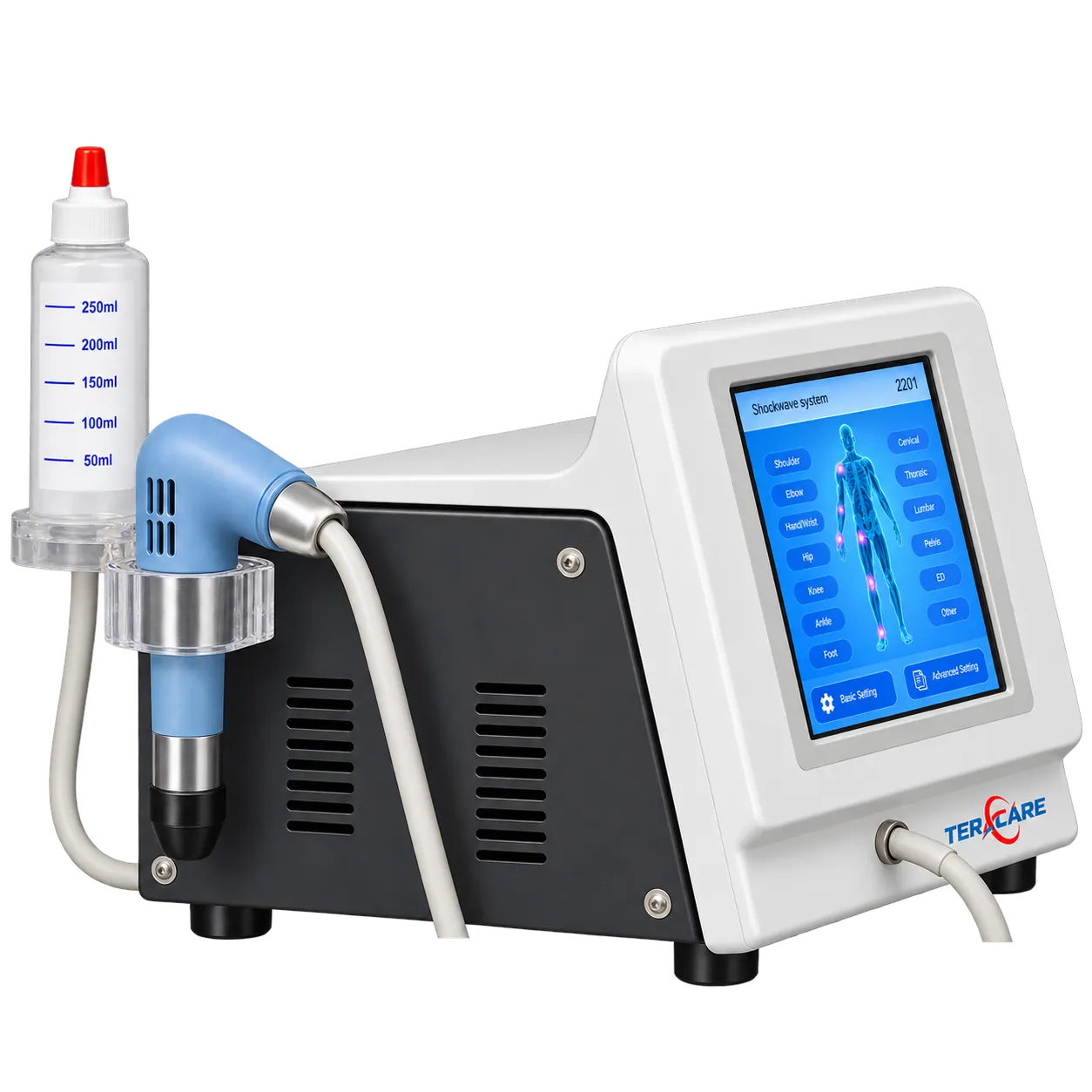
The 2201 fits services where explaining shockwave is part of delivering it. Hospital musculoskeletal and orthopaedic outpatient departments, sports medicine clinics, podiatry services, and physiotherapy departments treating Achilles tendinopathy, patellar and other knee tendinopathies, plantar fasciitis, tennis elbow, and greater trochanteric pain syndrome all work under the same NICE expectation: special arrangements for governance, consent, and audit.
The consent part of that is where the screen earns its place. A patient who can see an anatomical figure with the treatment site marked, and the pressure and shot count that will be used, has a better grasp of what they are agreeing to than one who has been told in passing. For greater trochanteric pain, where NICE specifically wants patients warned about pain during and after treatment and the risk of symptoms worsening, a structured explanation at the couch is exactly what the guidance intends.
None of that replaces the written element. NICE asks for clear written information, and recommends its own public information for the purpose. The screen supports the conversation, and the leaflet completes it, so a service introducing the 2201 should have both ready before the first list.
Radial output shapes the clinical fit. Energy is highest at the skin and diminishes with depth, suiting superficial insertions at the heel, knee and elbow. Procurement runs through trust services, private practices and sports medicine providers under their own rules, with a Class IIa or IIb device clearing clinical governance alongside finance. Adverse incidents go to the MHRA through the Yellow Card scheme.