
Passive And Active Modes
The exerciser offers both passive and active modes, so it can move a patient's arm for them early on and then support their own effort as strength returns. This lets one unit follow a patient across the stages of arm recovery.
Adjustable Speed And Time
The speed is adjustable from five to fifty-five revolutions per minute, continuously, and the time can be set from zero to sixty minutes, matching each session to the patient.
Anti-Spasm Control And Detection
The exerciser has anti-spasm control with spasm detection, so it can sense a spasm and respond during exercise. This is built to help keep arm training safe and comfortable for patients who experience spasticity as part of their recovery.
Adjustable Spasm Response
The spasm force is set across three gears and the spasm time is adjustable from two to twenty-eight seconds, so a therapist can tune the response to suit each patient and condition.
Wide Arm Positioning
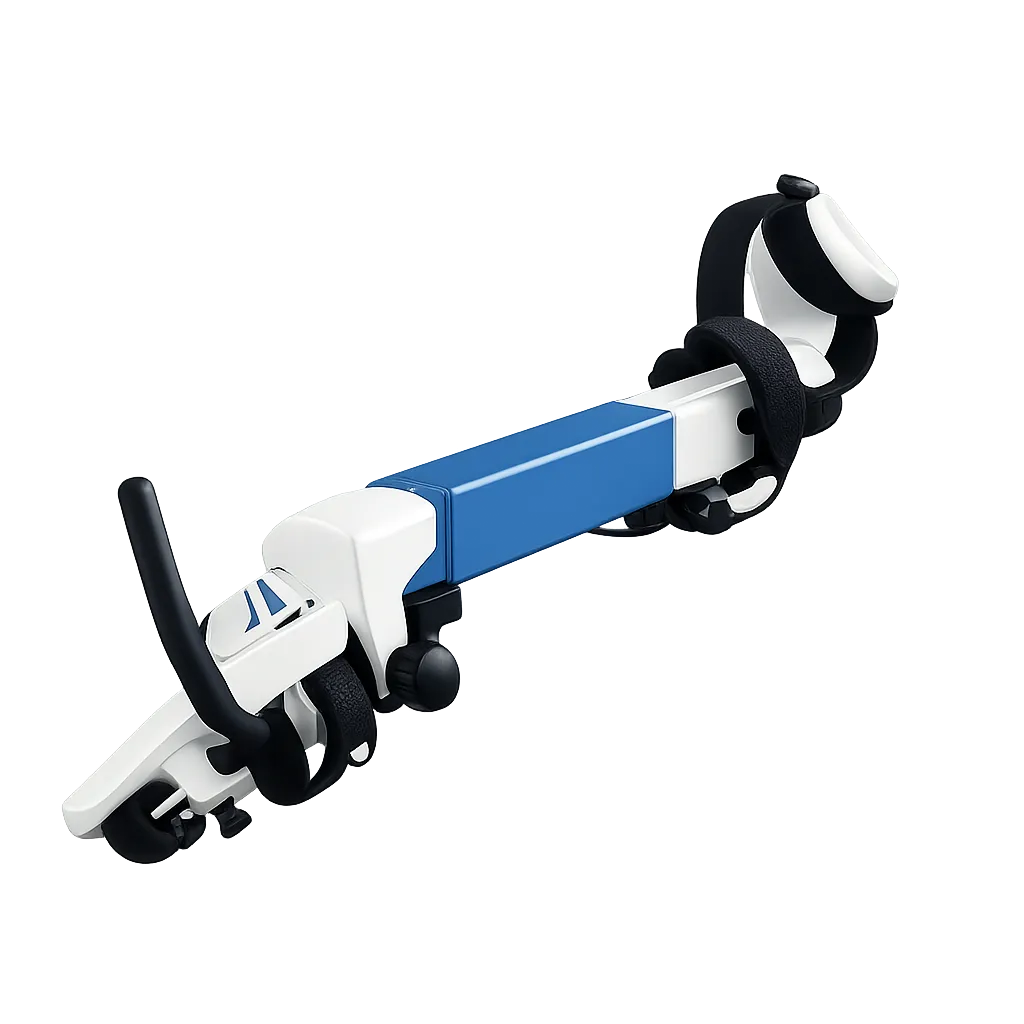
The mechanism allows horizontal rotation of the upper arm through one hundred and eighty degrees, and the height adjusts across a one-hundred-and-fifty-millimetre range to suit each patient.
Bedside Mobile Stand
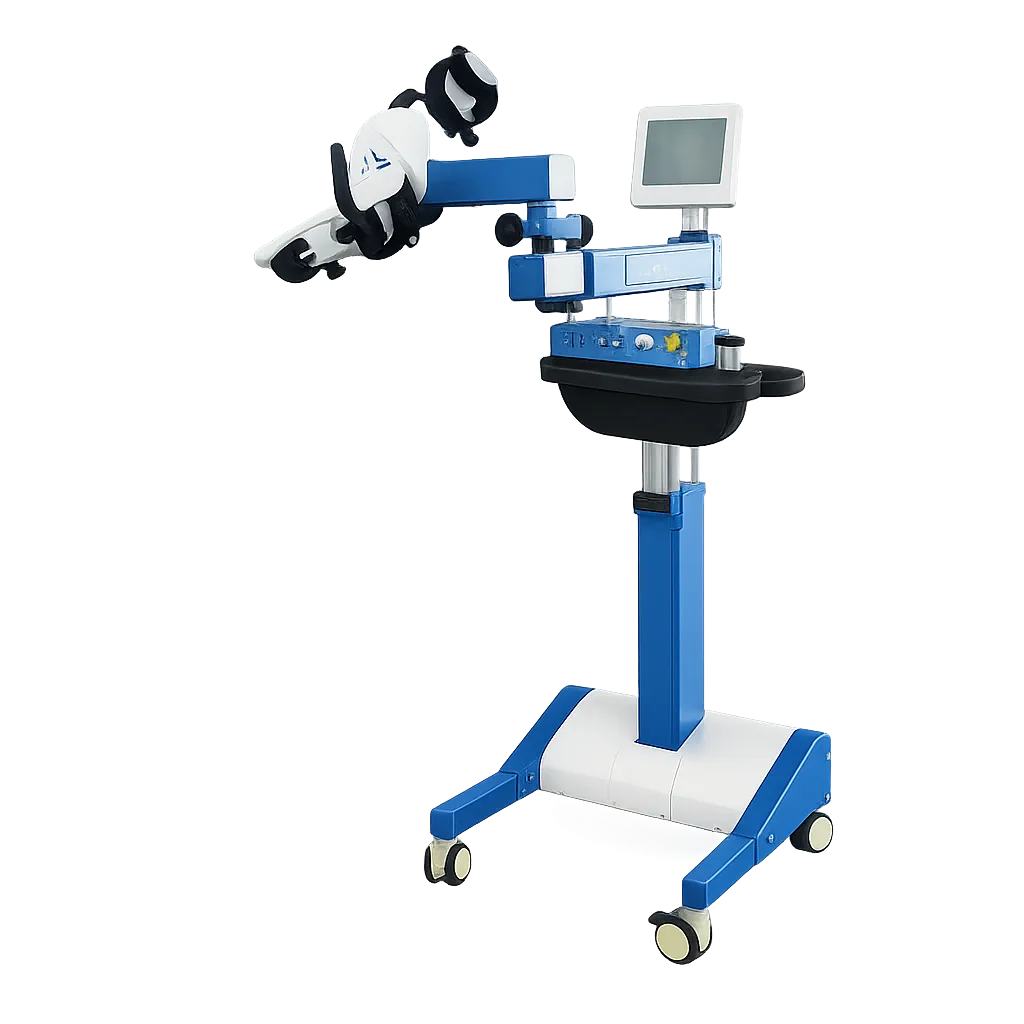
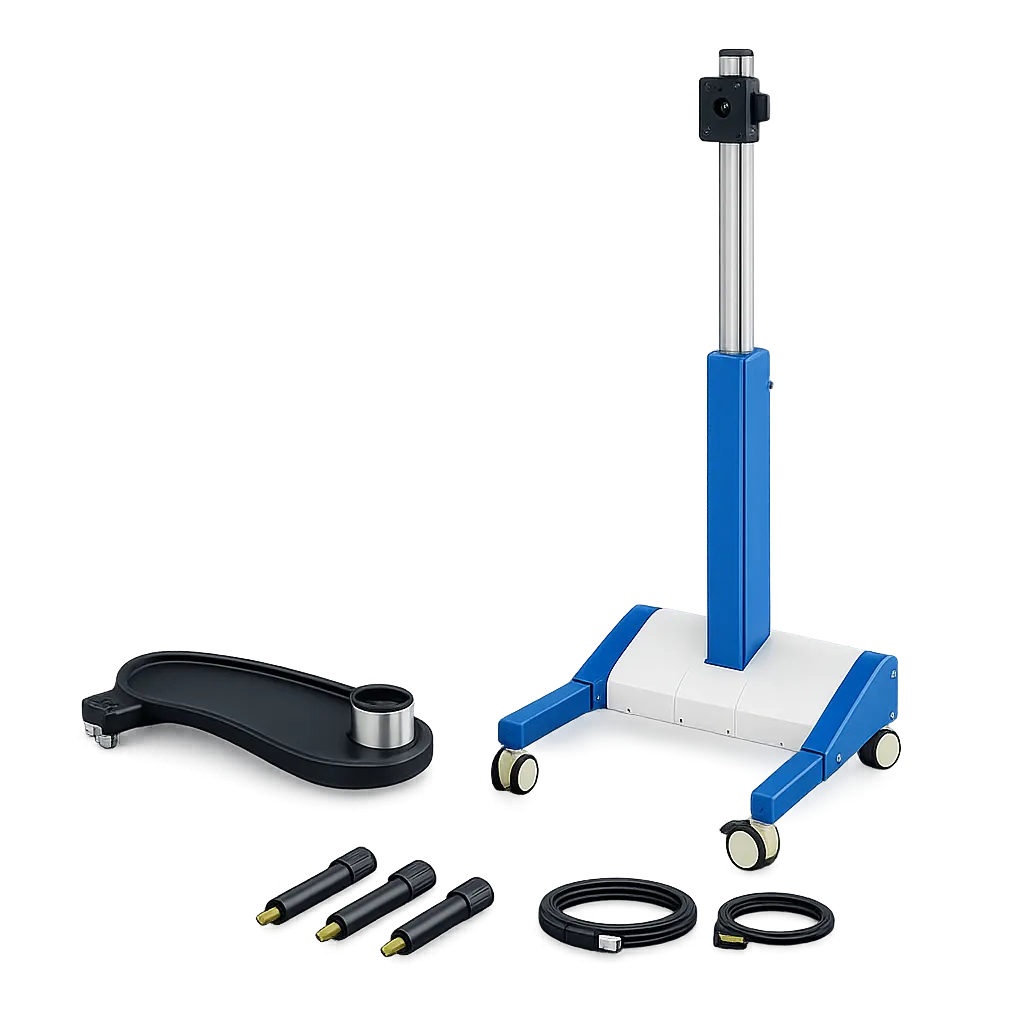
The unit is built on a mobile stand with a lifting column, so it can be brought to the bedside and set to the right height. The connection device and support arm adjust too, so it lines up with a patient's arm as they sit or lie.
Built-In Guidance Screen
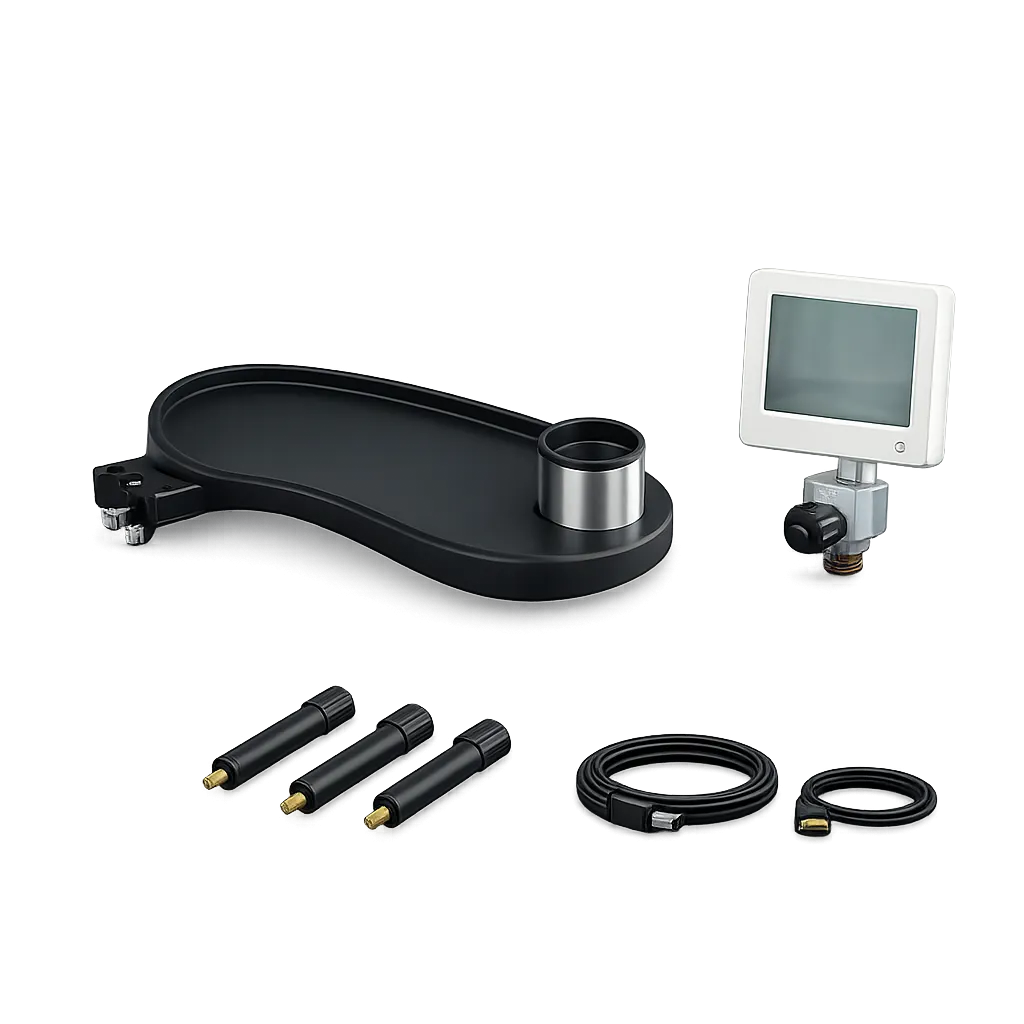
A built-in screen guides the session, giving a clear point of control for setting up and running the exercise simply at the bedside.