
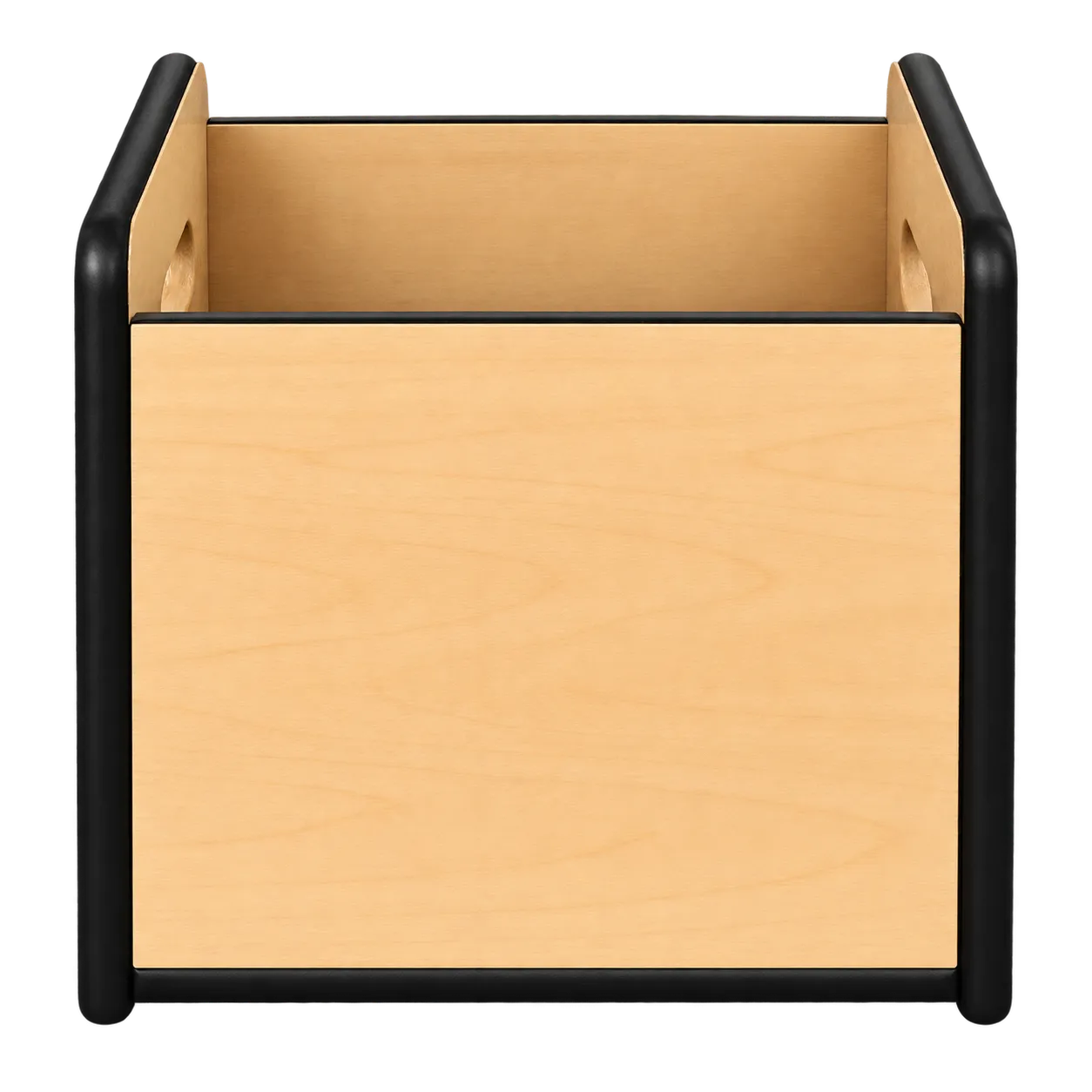
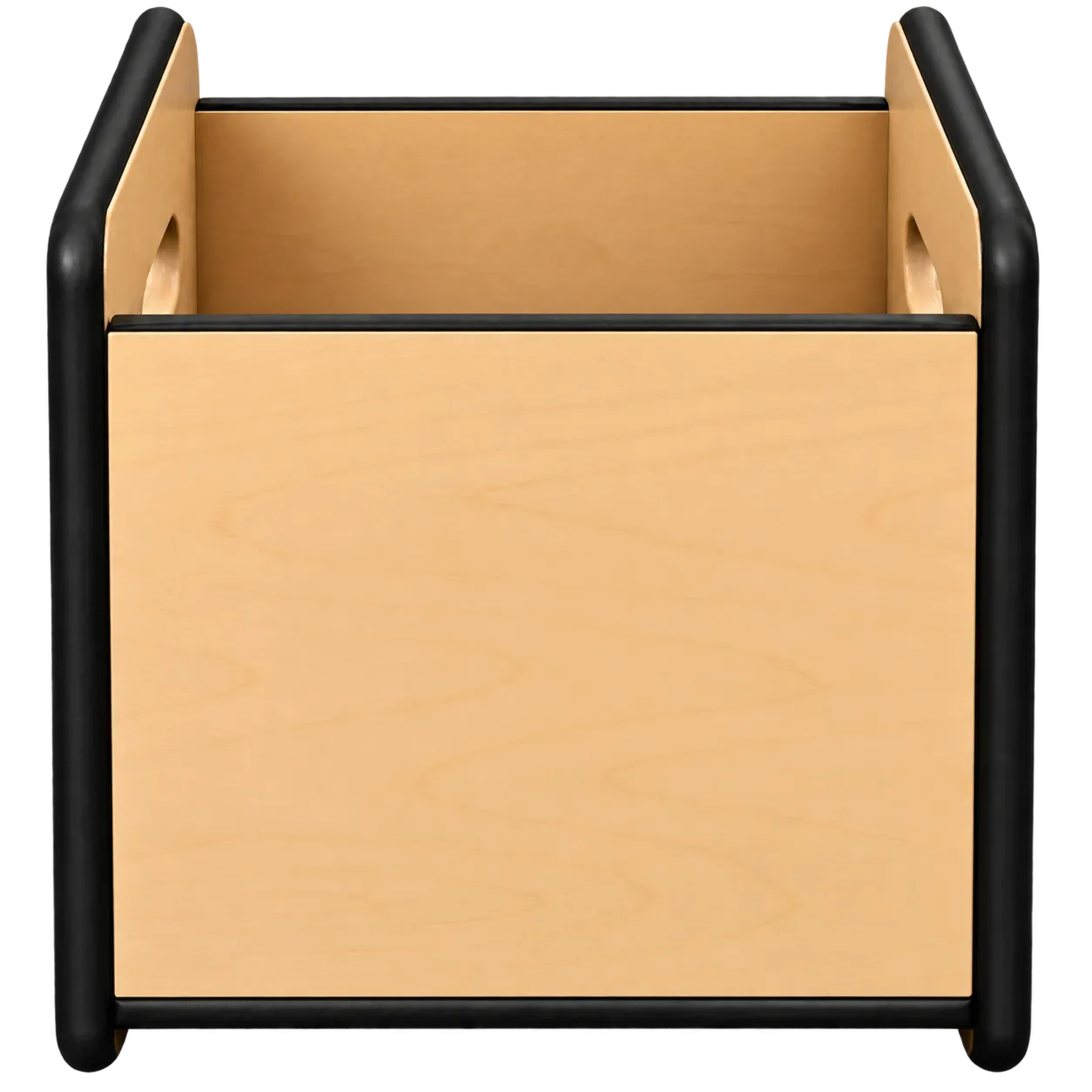
Occupational therapy and vocational rehabilitation services are natural users of the WB06-1515, along with physiotherapy gyms, occupational health departments, and sports rehabilitation units that prepare people for physical work. Registered occupational therapists and physiotherapists run the sessions, and the service answers to the provider regulator for its setting.
Job simulation is where the open interior earns its place. A therapist who knows what a patient lifts at work can load the box with the same things, or close copies, and build practice around them. A delivery driver might lift parcels of the right size, a kitchen worker a filled stock pot's worth of weight, a labourer a sandbag. That keeps the practice tied to the task the patient is trying to get back to.
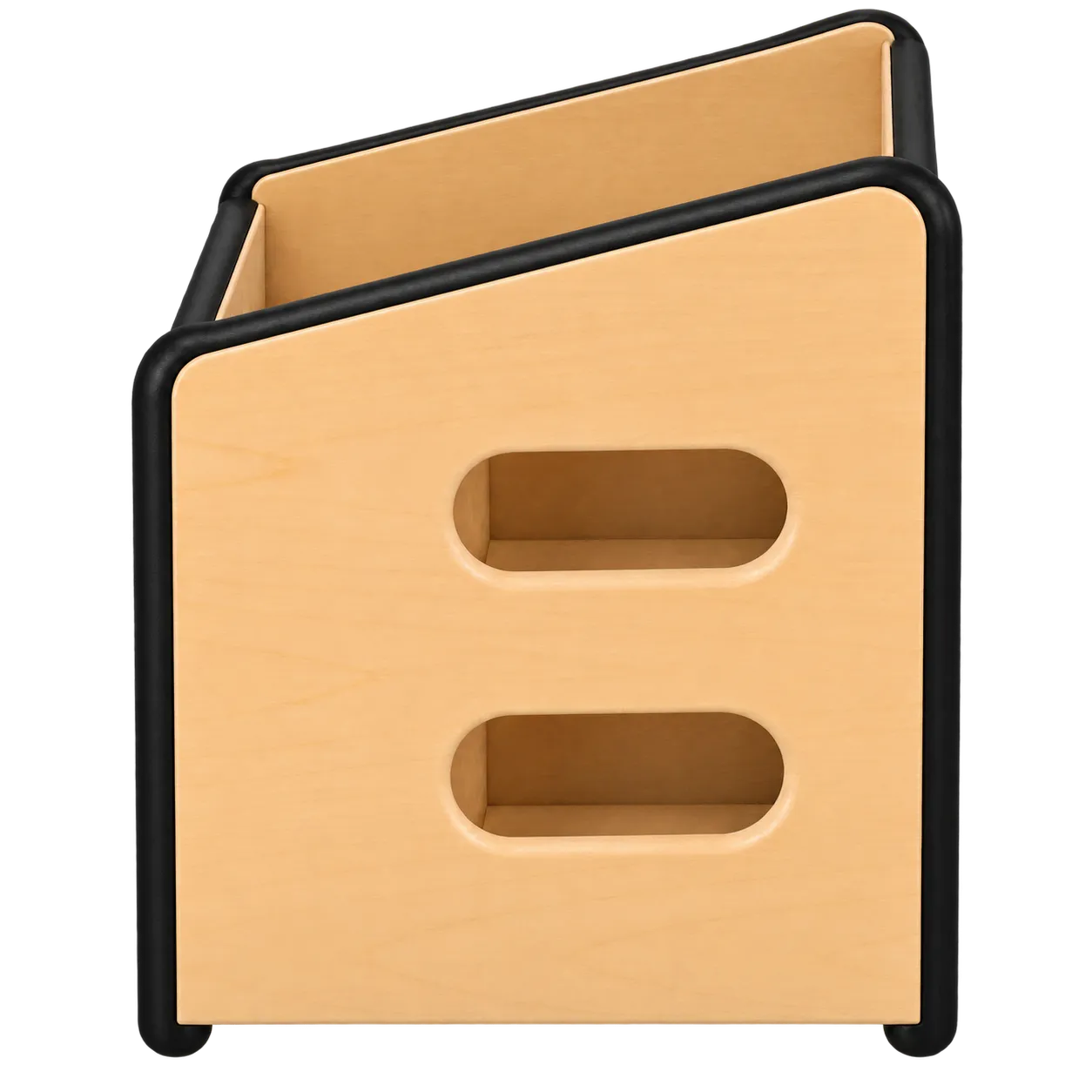
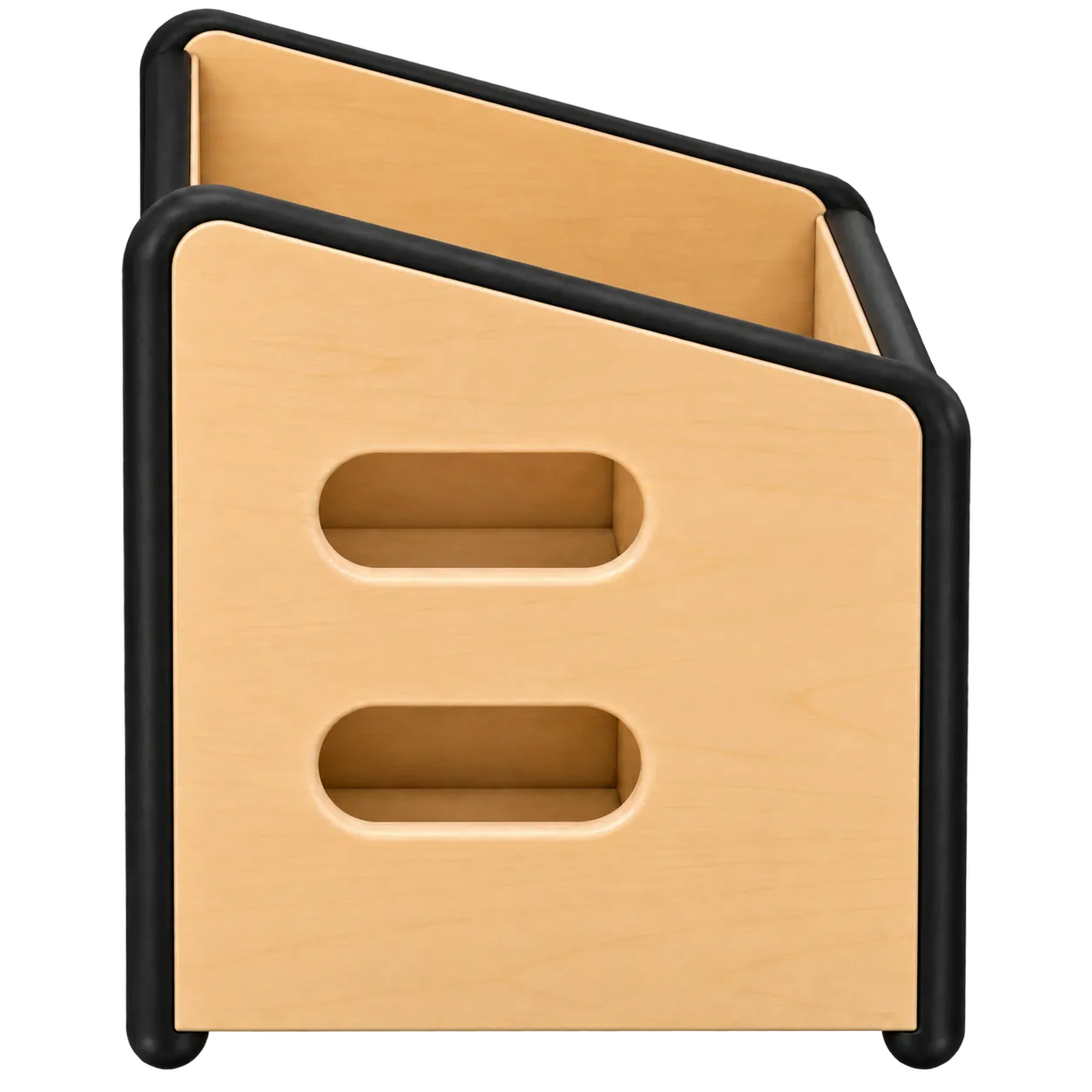
Graded carrying works in the same way. The patient lifts the box by its slots and walks a set distance, and the therapist adds load between trials while watching posture, breathing and grip. The two slot heights on each end panel allow a low and a higher grip on the same box.
Formal assessment is more careful. Functional capacity protocols often specify the container, and the box's empty weight is not published, so it should be weighed and checked against any protocol before being used in a formal test. Research on observed lifting shows good agreement between raters on the last safe weight but weaker agreement on body mechanics, pointing to the need for training and shared criteria within the team.
Neurological and upper-limb services can also use a lightly loaded box for bilateral carrying and reaching tasks. The conformity documentation required for those procurement routes is issued by the manufacturer and provided by the seller.