
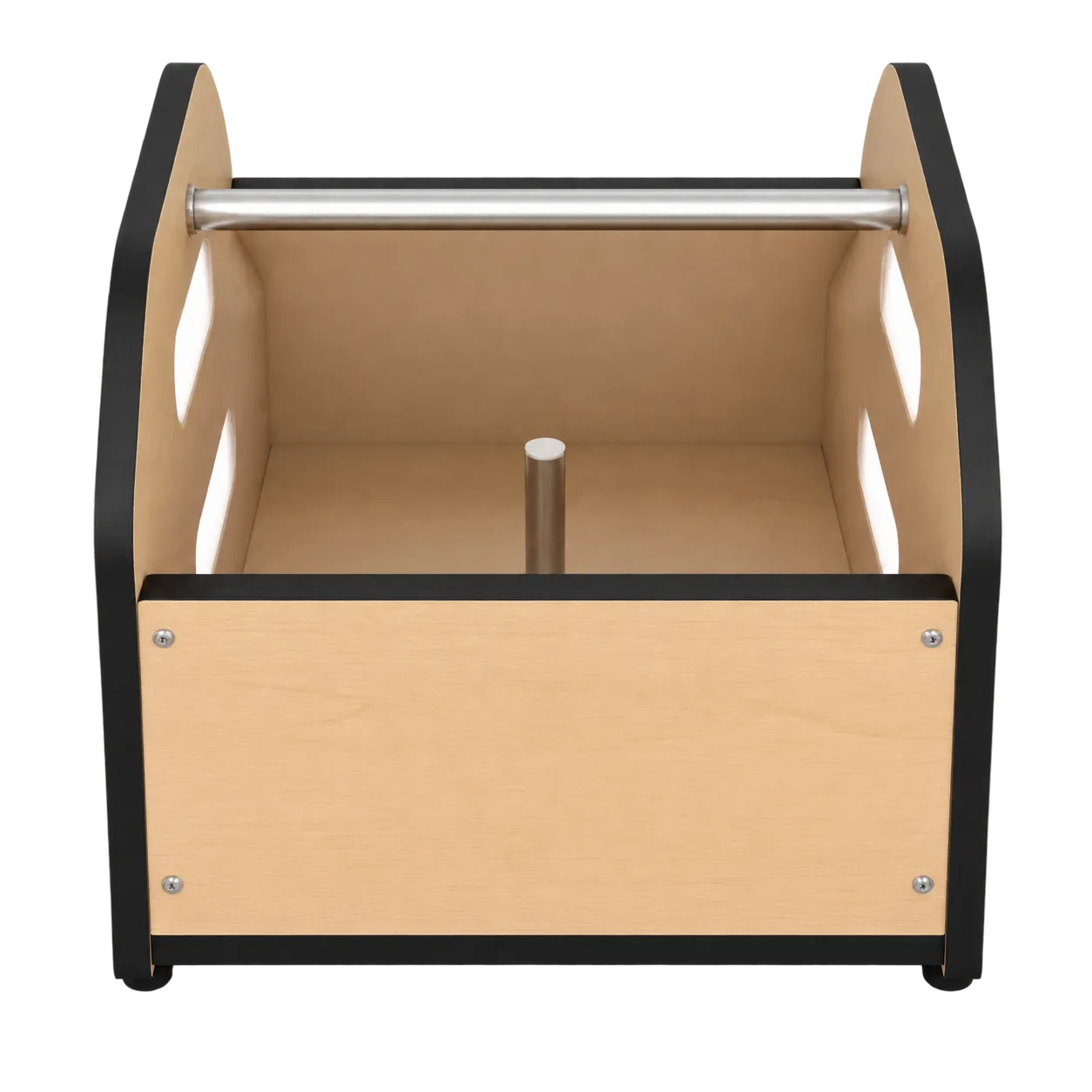
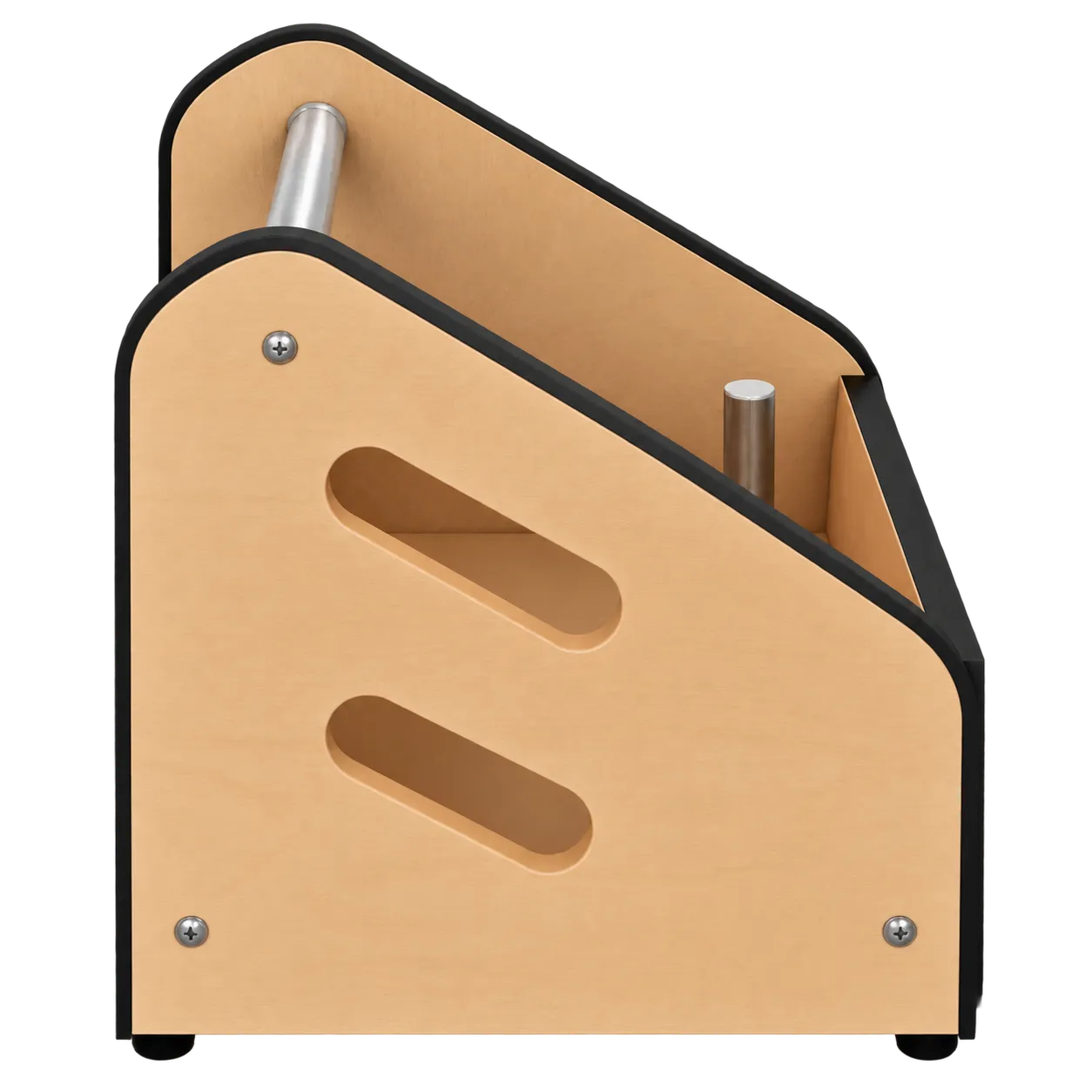
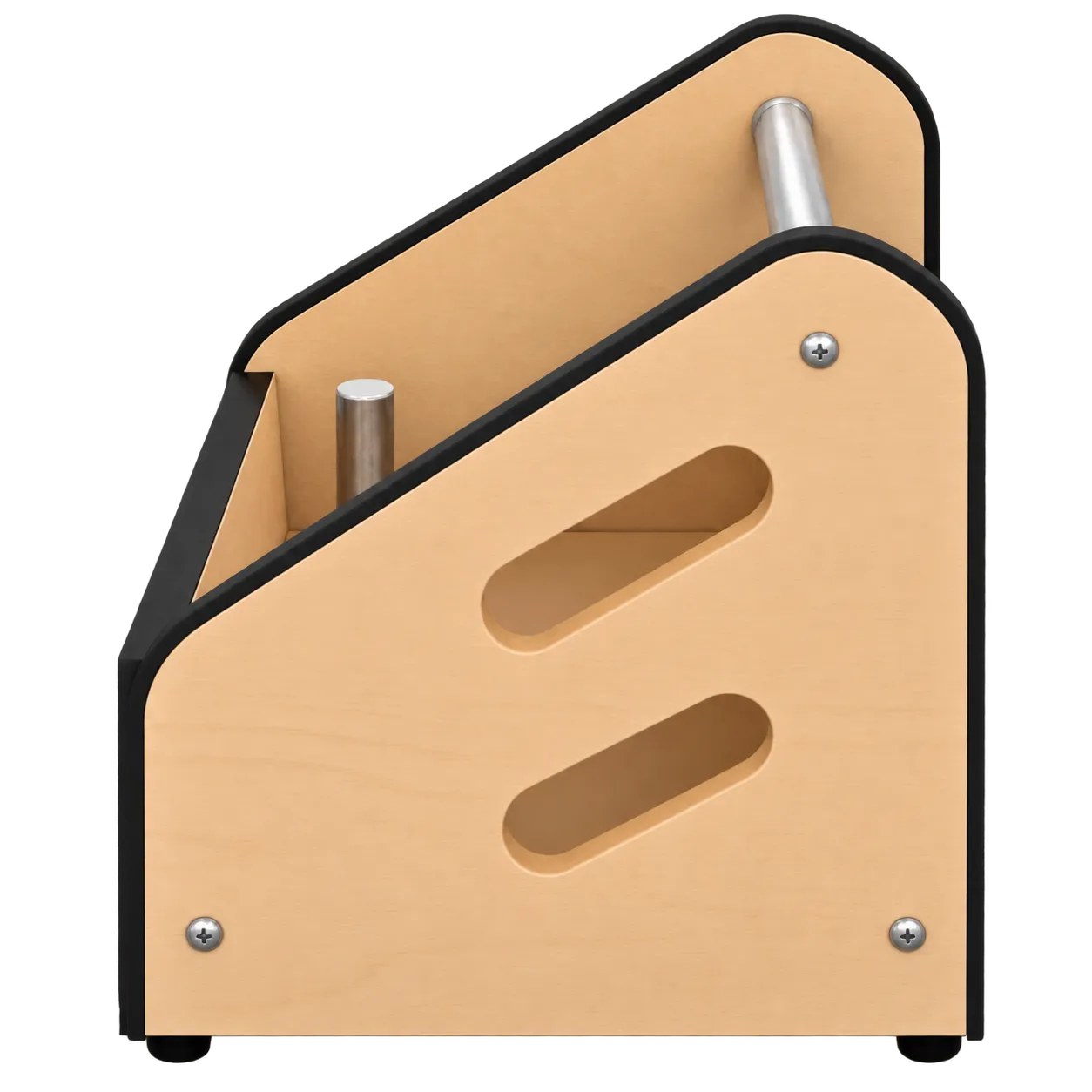
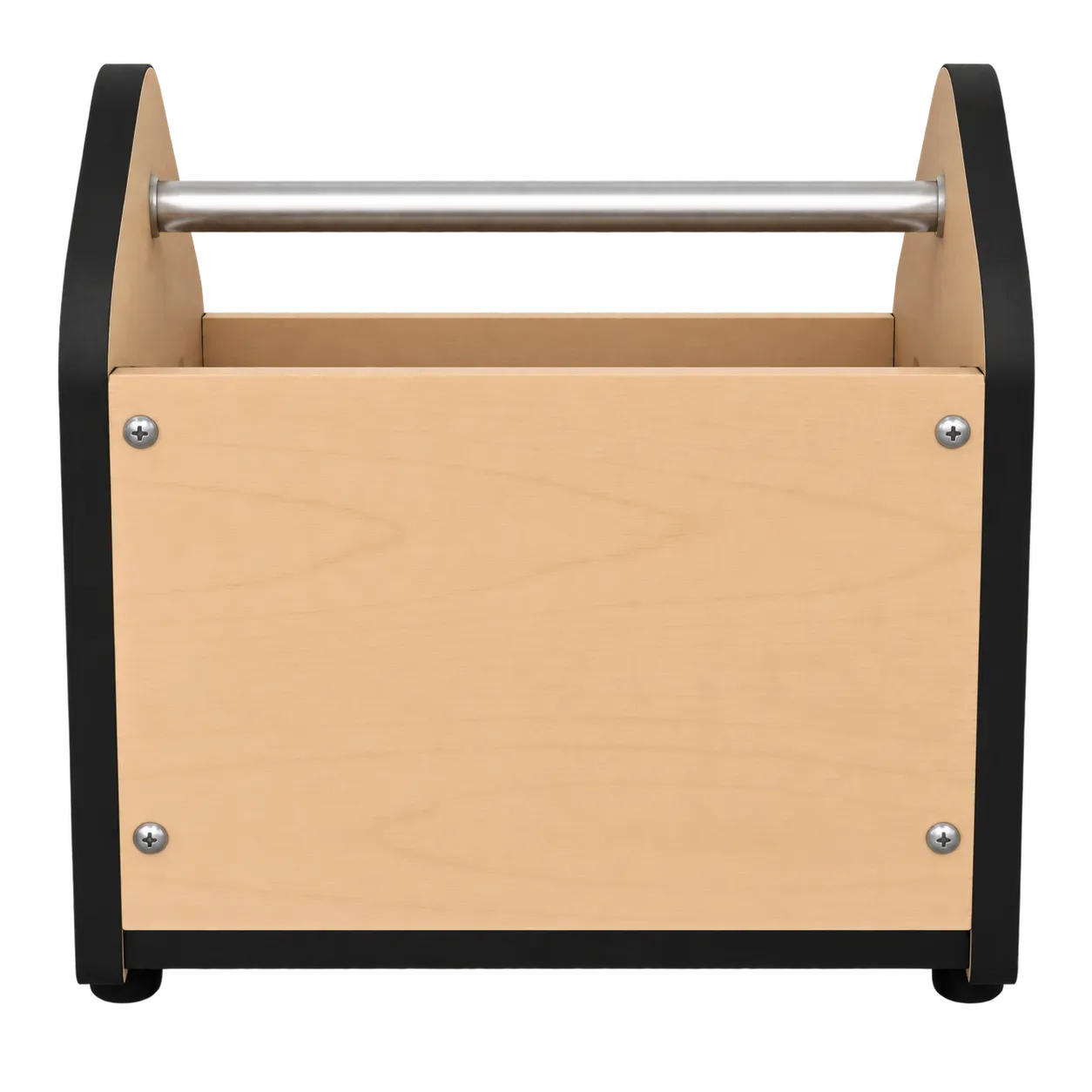
Weight boxes belong in the rooms where lifting is measured or retrained. Functional capacity evaluation services, work conditioning and work hardening programmes, occupational health providers running return-to-work assessments, and musculoskeletal physiotherapy or occupational therapy departments building graded lifting into a rehabilitation plan all use one.
In assessment, the box is the instrument. Floor-to-waist and waist-to-shoulder lifts are among the most commonly tested material-handling tasks; the load is raised in known increments, and the clinician watches posture, control, and symptom behaviour as well as the number on the scale. The result may inform an employer, an insurer or a tribunal, so the conditions under which it was produced need to be recordable: which box, what it weighed empty, what went in it, and how far the load sat from the body.
In training, the demands are gentler. A work conditioning gym loading the box with its own weighed plates can work around an unpublished tare, because the therapist controls and records the contents. What matters there is that the container holds what is put in it safely, which returns to the load rating. A therapist who weighs the plates going in has a defensible record, regardless of what the container itself weighs.
Buying runs through the usual routes. NHS therapy services, occupational health providers, private rehabilitation clinics,s and case management companies each apply their own rules, and equipment like this clears health and safety and finance rather than a clinical panel. Documentation for the grade supplied is issued by the manufacturer and provided by the seller.