
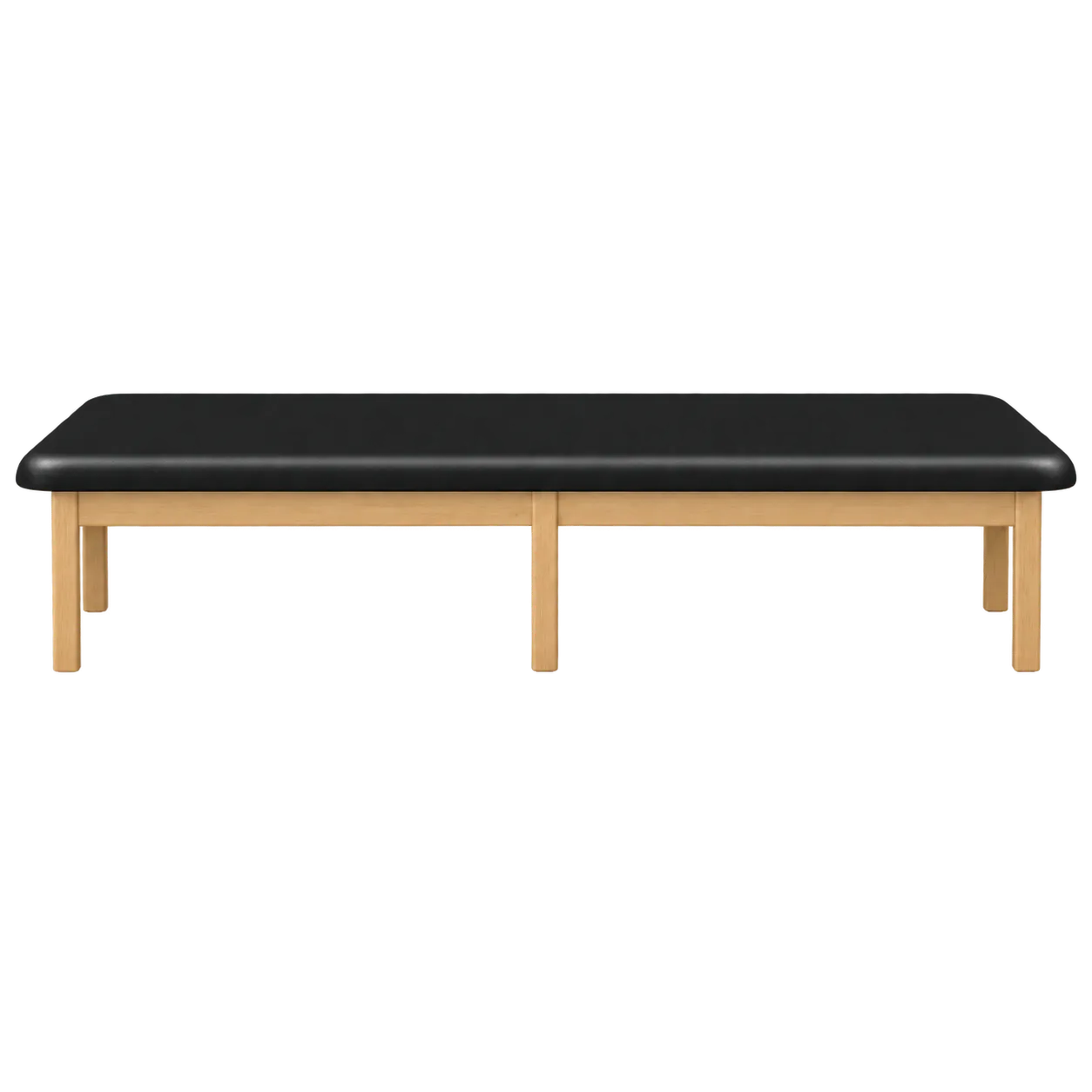
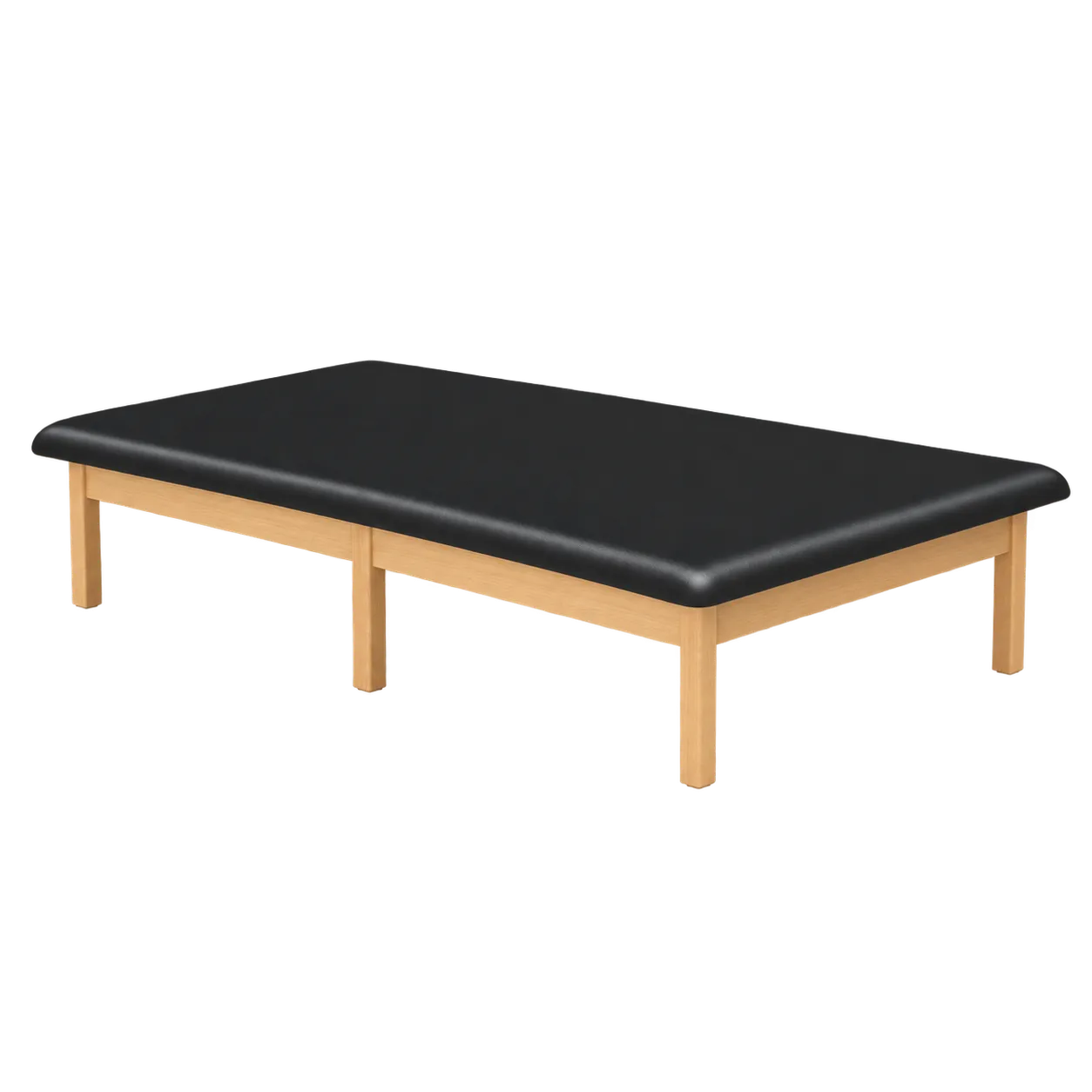
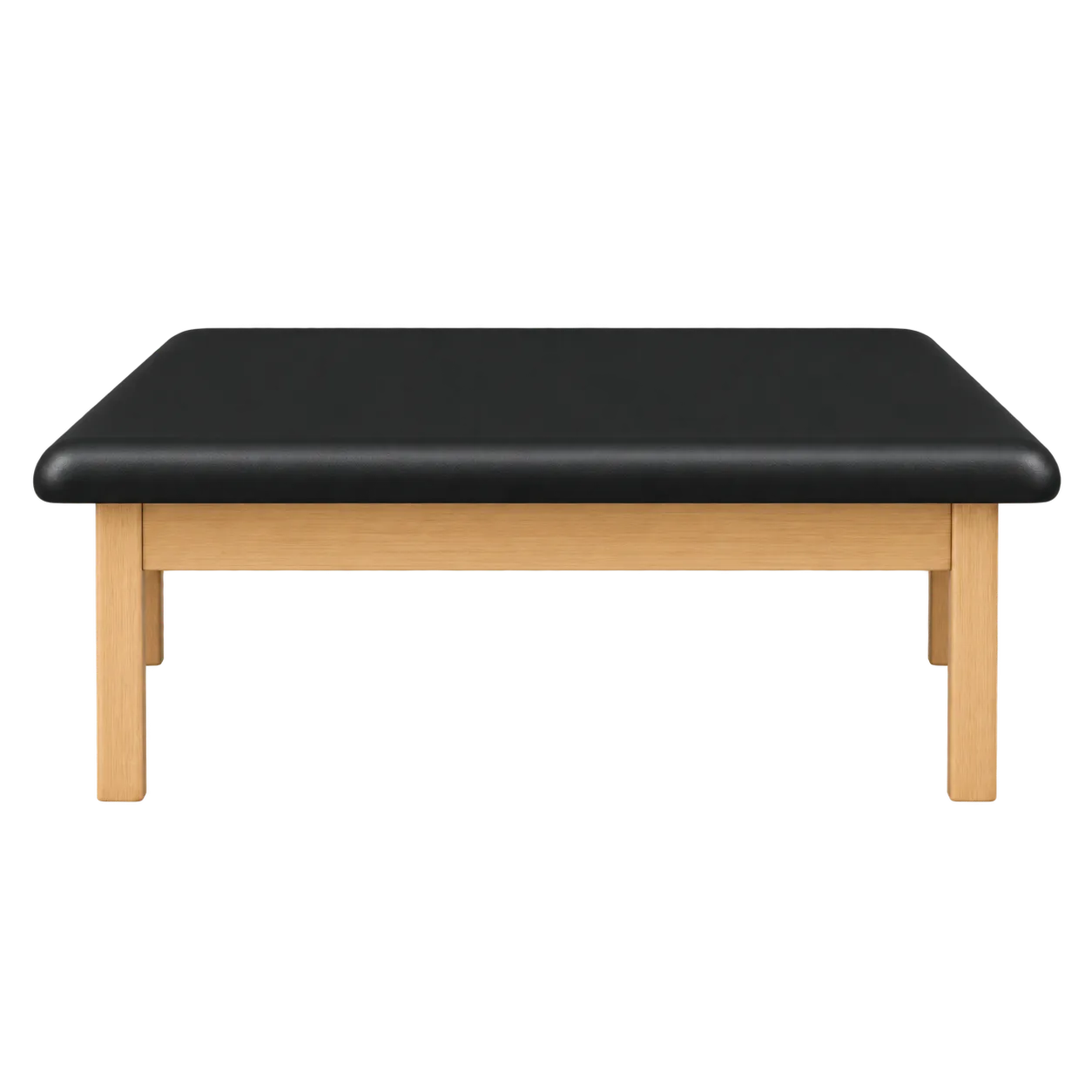
Hospital therapy gyms, neurological rehabilitation units, community rehabilitation centres, and outpatient physiotherapy departments are where the RTF earns its place, along with paediatric therapy rooms, since Sintang supports children as well as adults. The wide topsupportss rolling, bridging, long sitting, sitting balance at the edge, stretchin,g and sit-to-stand practice, and it brings floor-level work up to a height patients canaccesso without going down to the floor. Satellite clinics and community venues gain a mat surface that adds nothing to the electrical testing list.
Seat height shapes how hard standing up is. A 2002 review of sit-to-stand determinants found that seat height, armrest use and foot position have a major influence, with lower seatmovingnt harder and, for some people, impossible. A 2014 Cochrane review found moderate-quality evidence that sit-to-stand training shortens rising time and improves symmetry in stroke survivors who can already stand independently. For people who cannot yet rise on their own, it found too little evidence to conclude. A fixed 450 mm surface therefore suits patients whose leg length matches it, and taller patients will find each rise harder.
The physiotherapists and occupational therapists who use it in the UK hold HCPC registration. In England, providers of treatment fall under the CQC, while Scotland, Wales, and Northern Ireland have separate provider regulators. NHS procurement routes ask for conformity paperwork and a stated weight capacity on therapy furniture, and equivalent public procurement elsewhere asks the same. The conformity documentation those procurement routes require is issued by the manufacturer and shared by the enquiry team.