
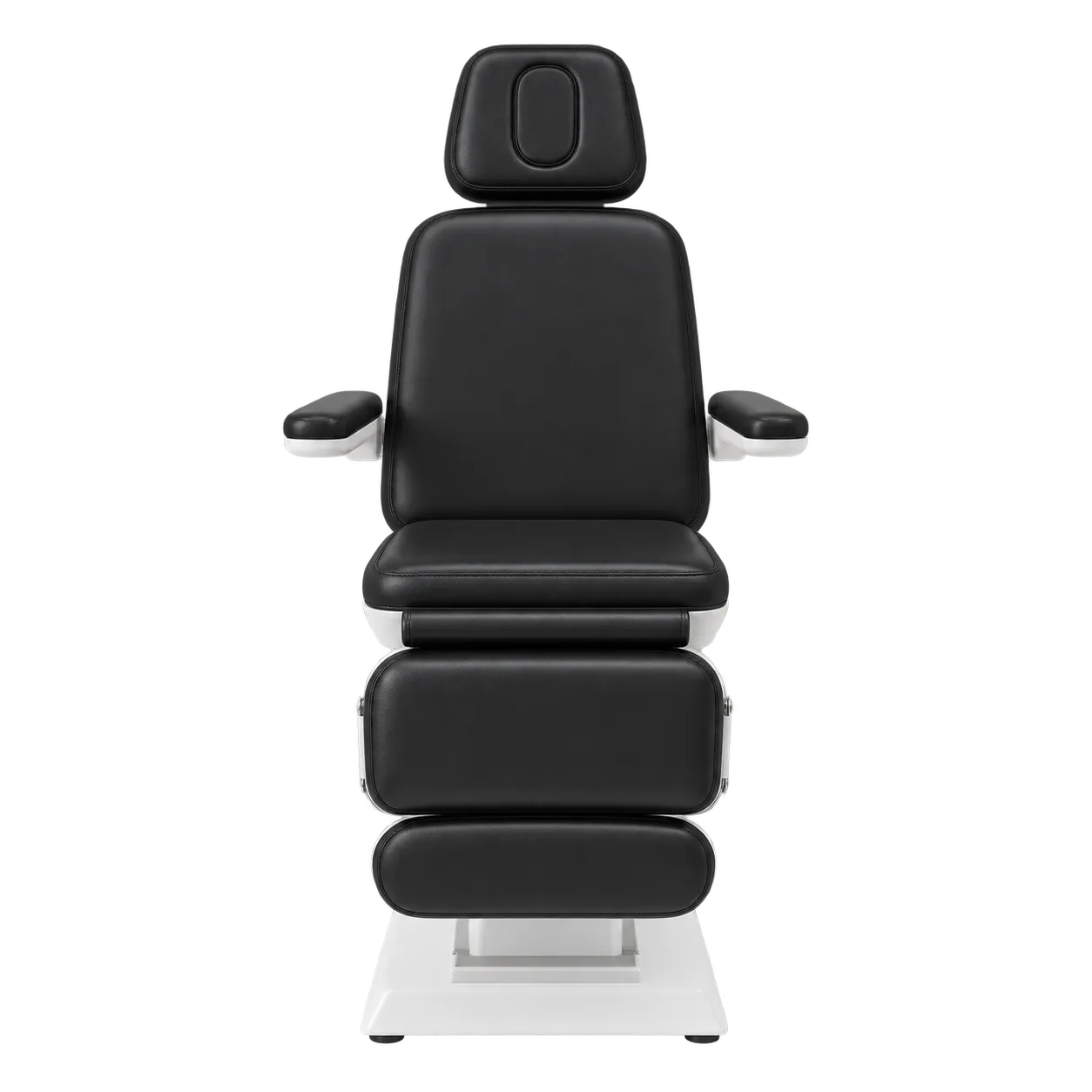
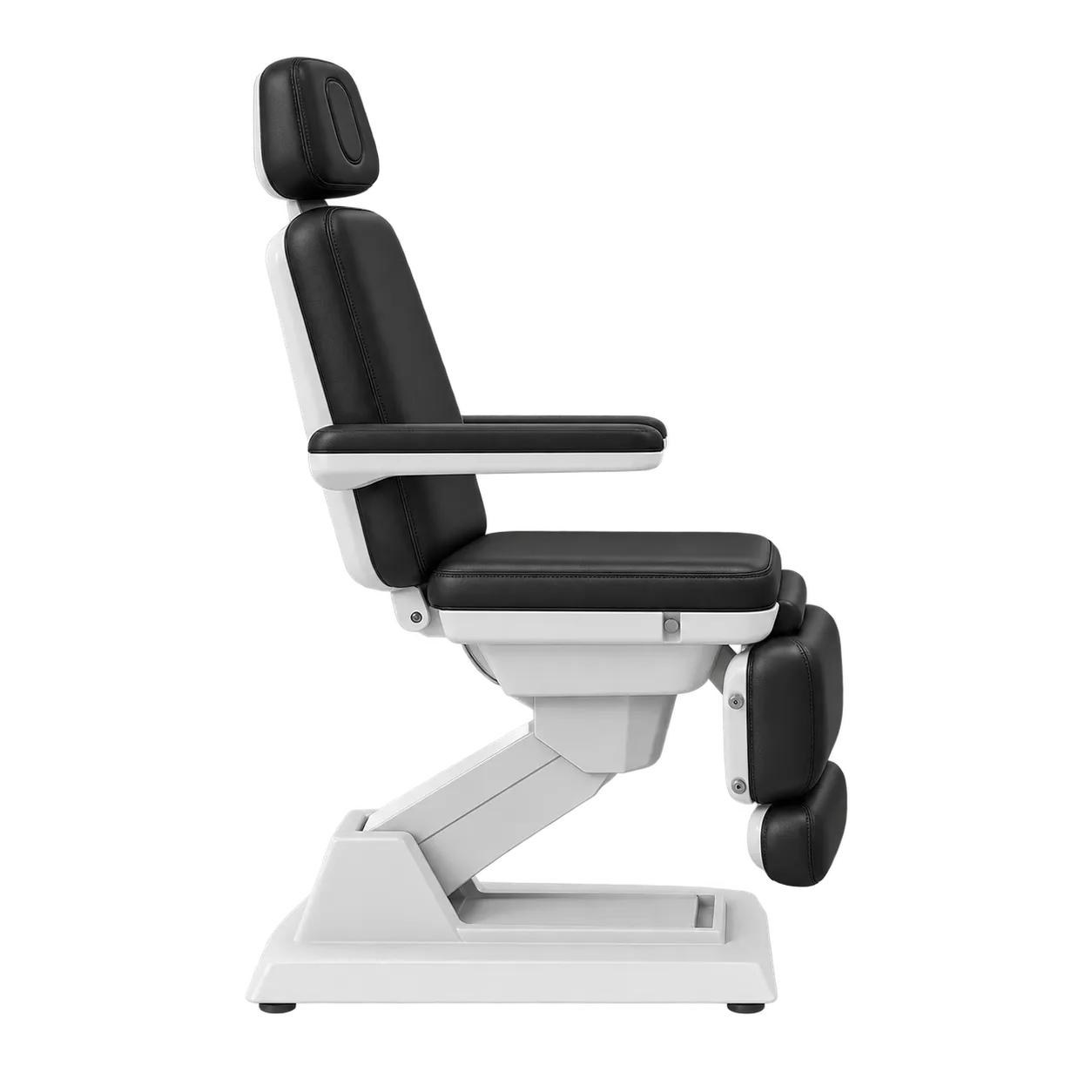
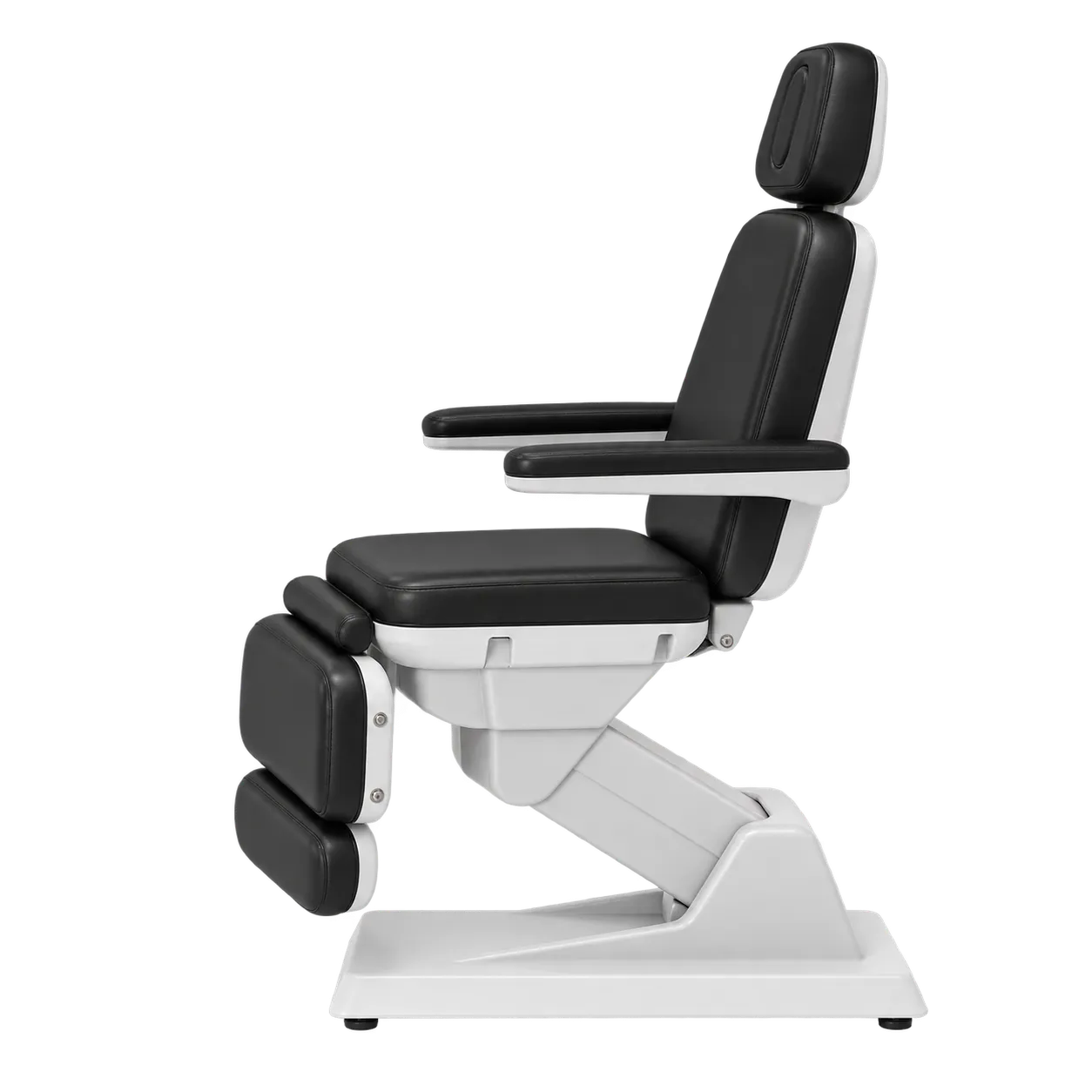
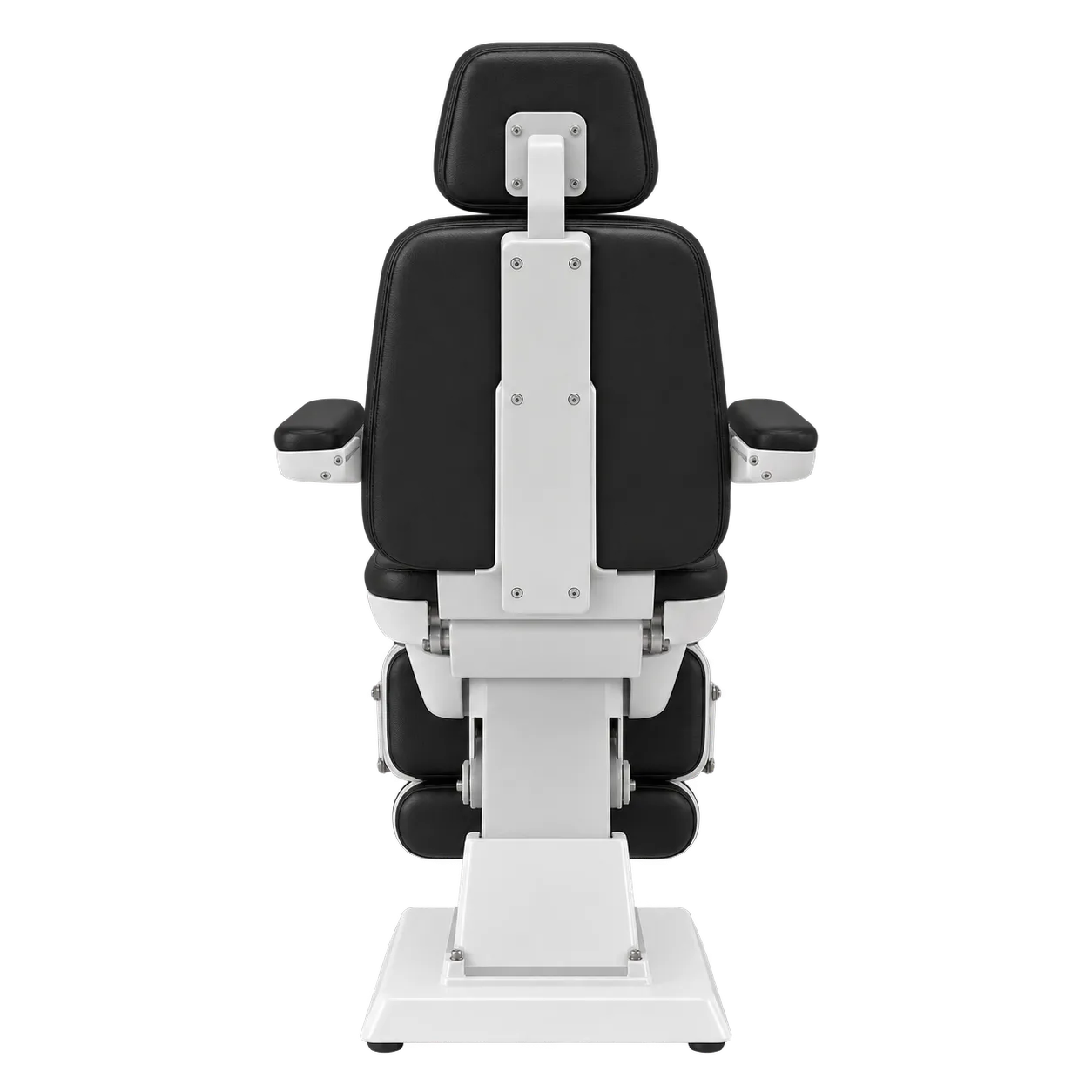
The Sonora-230 suits dermatology and aesthetic medicine clinics, minor surgery and injection rooms, wound and dressing clinics, and general examination rooms, where one chair serves both a seated clinician and a standing one. Its 560 mm low point lets many walk-in patients sit straight back, and the 900 mm top brings a reclined patient up for standing work.
Low, adjustable seating is about access, and the evidence is sobering. In a telephone survey of 256 US subspecialty practices, 22% said they could not accommodate a patient who uses a wheelchair, mostly because staff could not transfer him to the examination table (Lagu and colleagues, 2013). Only 9% used a height-adjustable table or a lift. Equipment alone did not close the gap in a survey of 399 patients at two Minnesota primary care clinics. Patients with disabilities were 27% less likely to be examined on a table, and the clinic with height-adjustable tables in every room did no better (Morris and colleagues, 2017). The Sonora-230's 560 mm low point eases sitting for ambulant patients, but it does not meet the US transfer height, and staff habits matter as much as the chair.
In the UK, PUWER 1998 and, where a service is registered in England, CQC Regulation 1 require equipment to be suitable and well maintained, including electrical testing, for this change. In hospitals, upholstery also falls under HTM 05-03 Part C. NHS procurement routes look for BS 7176 evidence, the electrical safety record, and the device declaration; equivalent public procurement elsewhere asks for the same.The manufacturer issues the conformity documentation those procurement routes require, and the enquiry tteam sharesit