
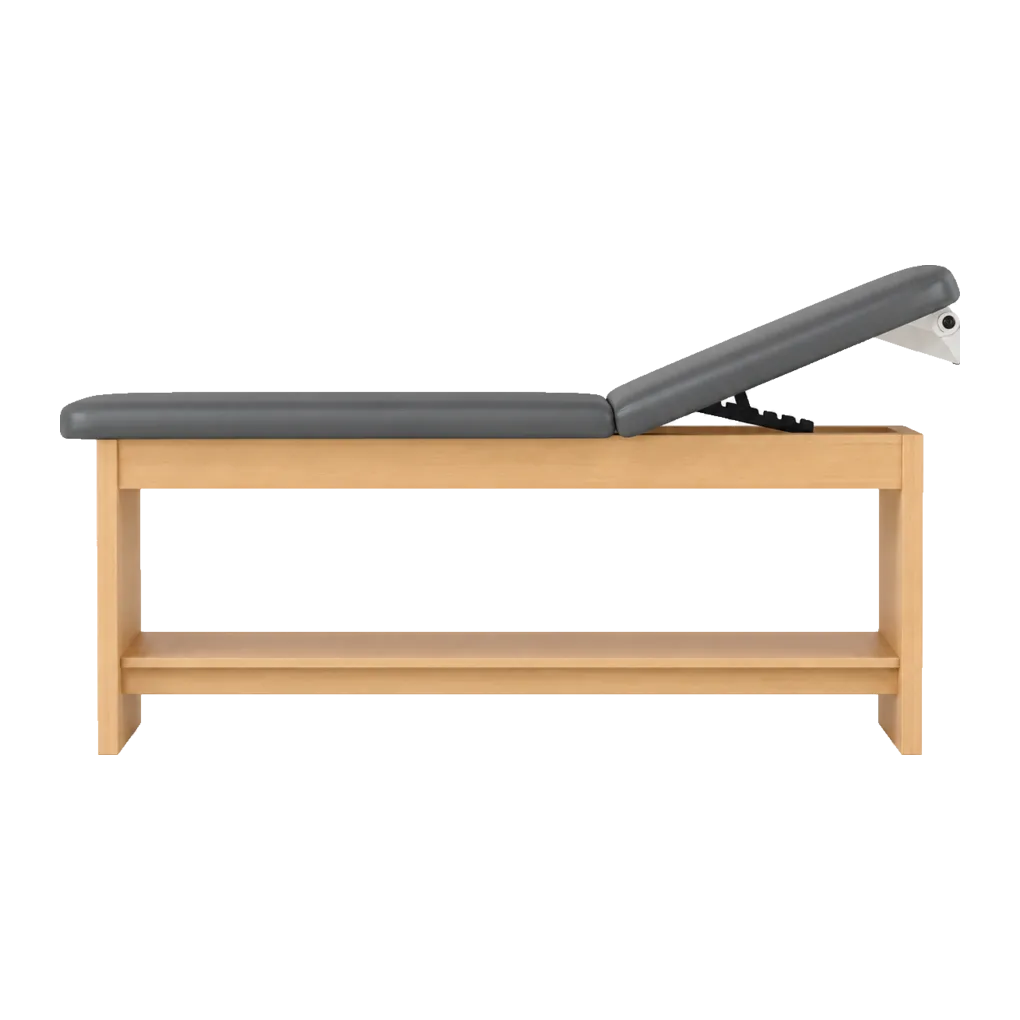
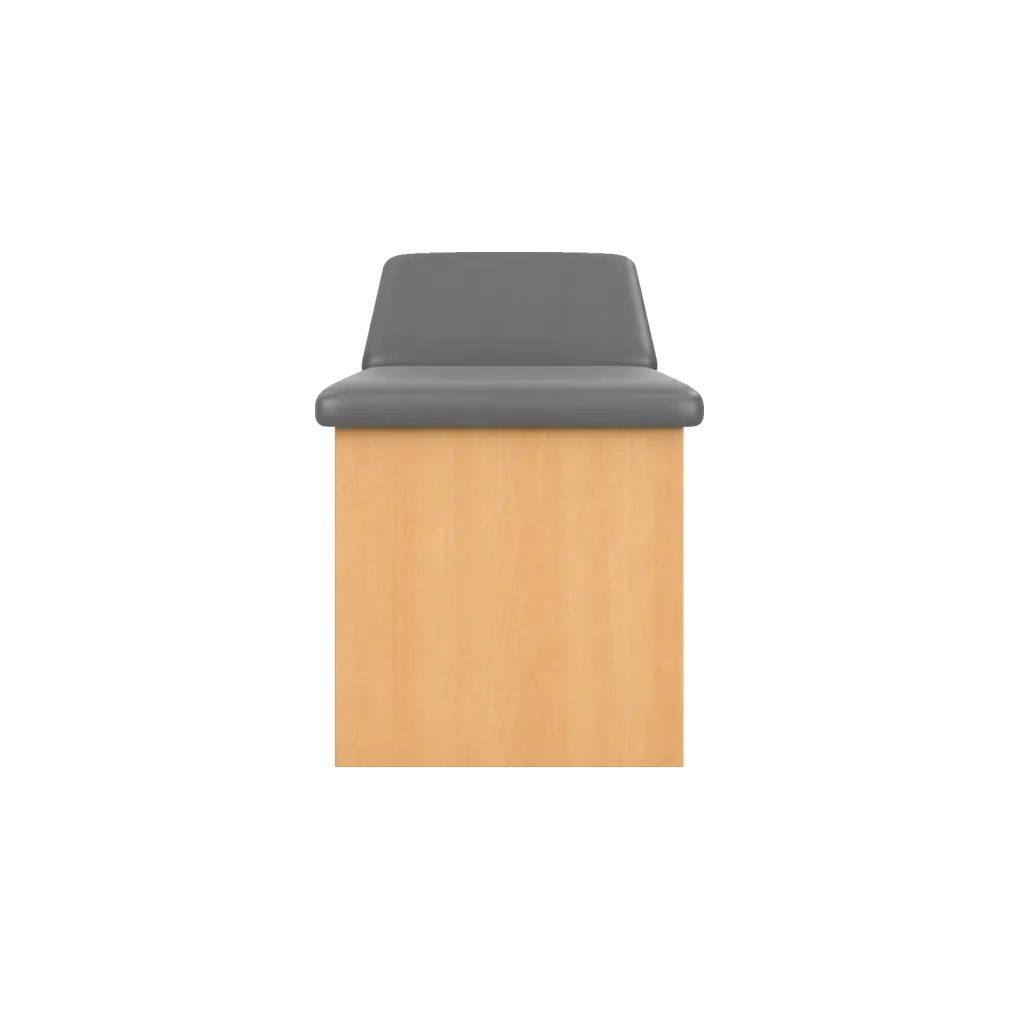
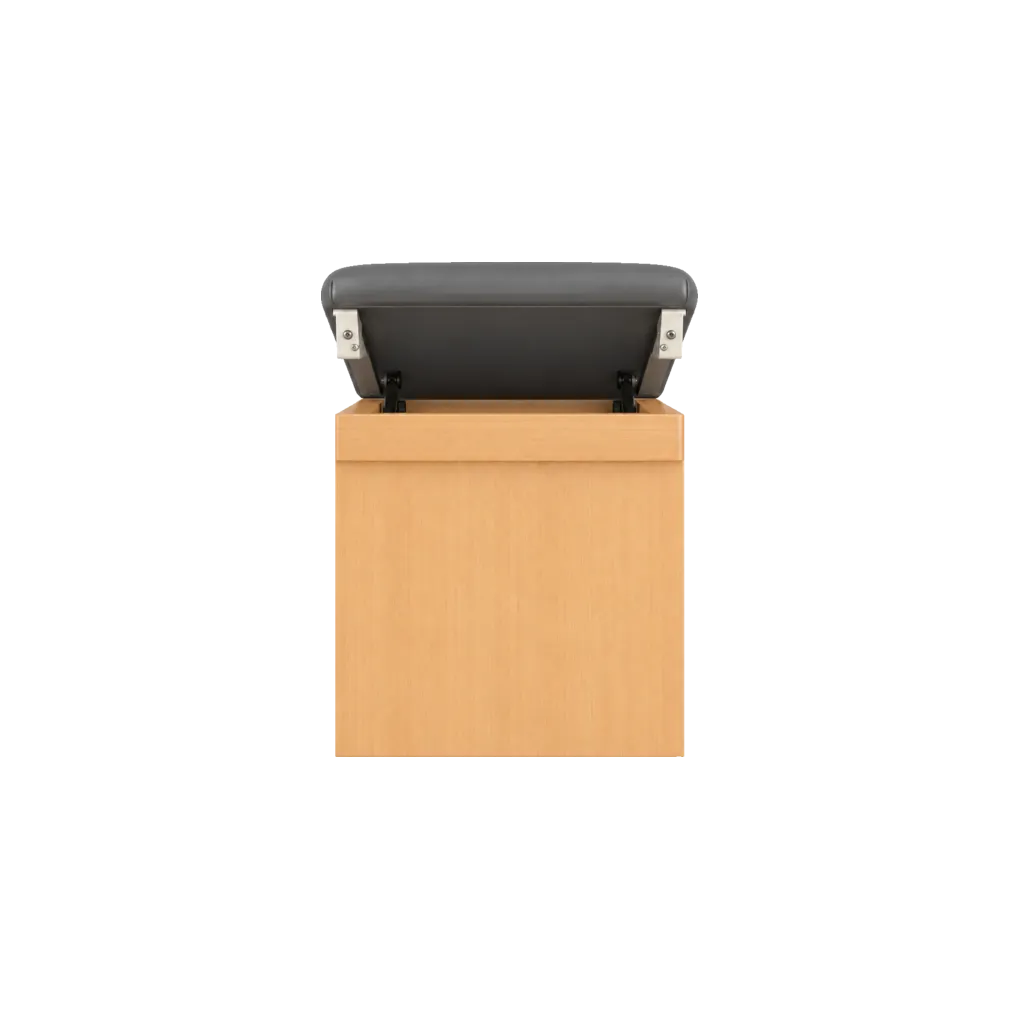
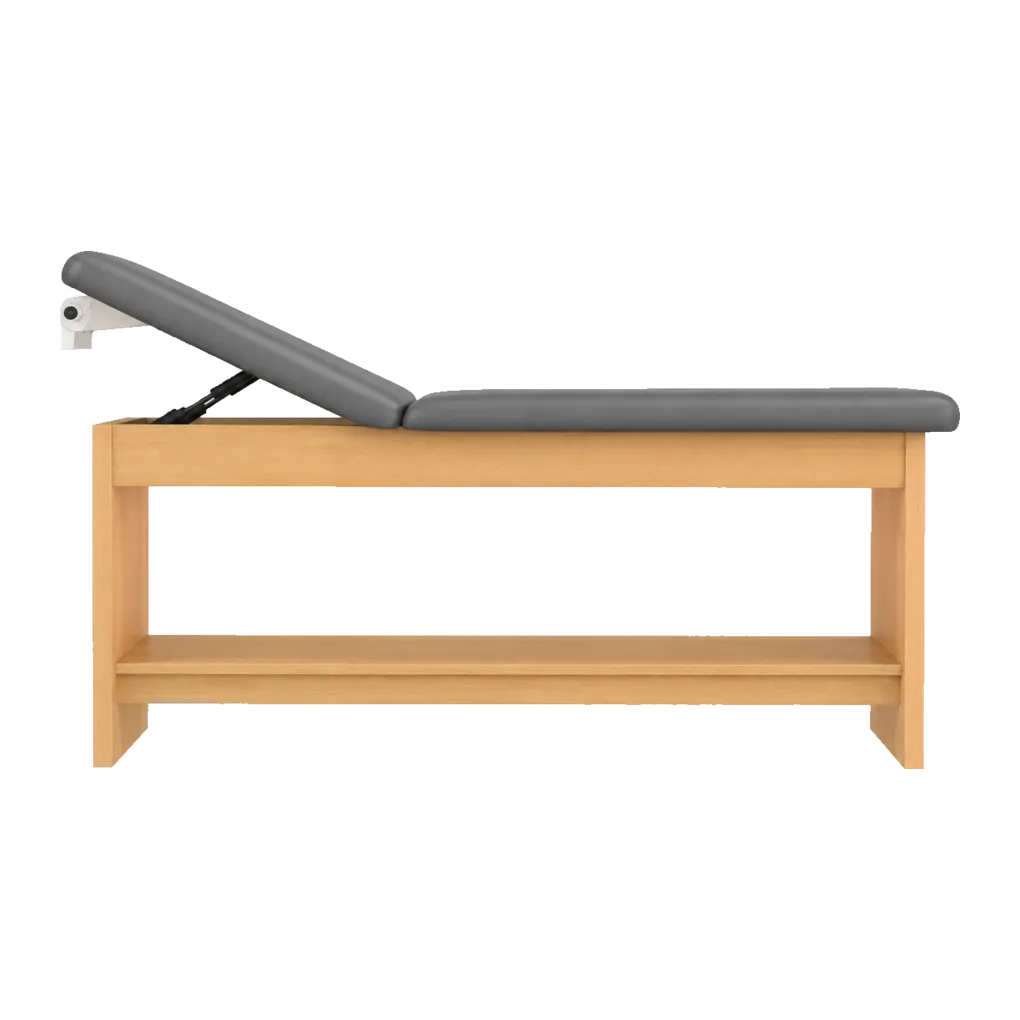
Hospice day services are a natural home for this table. Many hospices run complementary therapies such as gentle massage, reflexology and aromatherapy alongside medical and nursing care, often for people who tire quickly or get breathless lying back. Six fixed backrest stops let a therapist start a session at 55° or 60° for comfortable breathing, or recline further for reflexology, and write the setting in the record for next time.
Acupuncture has a defined place in NHS pain services. NICE's chronic pain guideline (NG193) allows clinicians to consider a single course of acupuncture or dry needling for people aged 16 and over with chronic primary pain, delivered in a community setting within five hours of practitioner time. Across a short course like that, being able to reproduce a comfortable position at each visit keeps treatment consistent, and the long top supports clients lying on their back throughout.
Reflexology works best with the client half-reclined and relaxed, feet towards the practitioner, who usually sits at the foot end. At 790 mm, the top suits a practitioner on a tall stool, so plan the stool along with the table.
Massage, whether for musculoskeletal problems, sports recovery or relaxation, uses the full 1830 mm length and a flat top. Oils and creams make the upholstery question important, and the fixed height needs checking against each therapist's technique.
In every setting, the shelf keeps boxed couch roll, lidded storage and covered pillows off the floor, leaving the room itself clear. When a hospice or practice is still planning its therapy room, Medigear.uk can book a site survey around the table, a stool and the therapist's working space.