

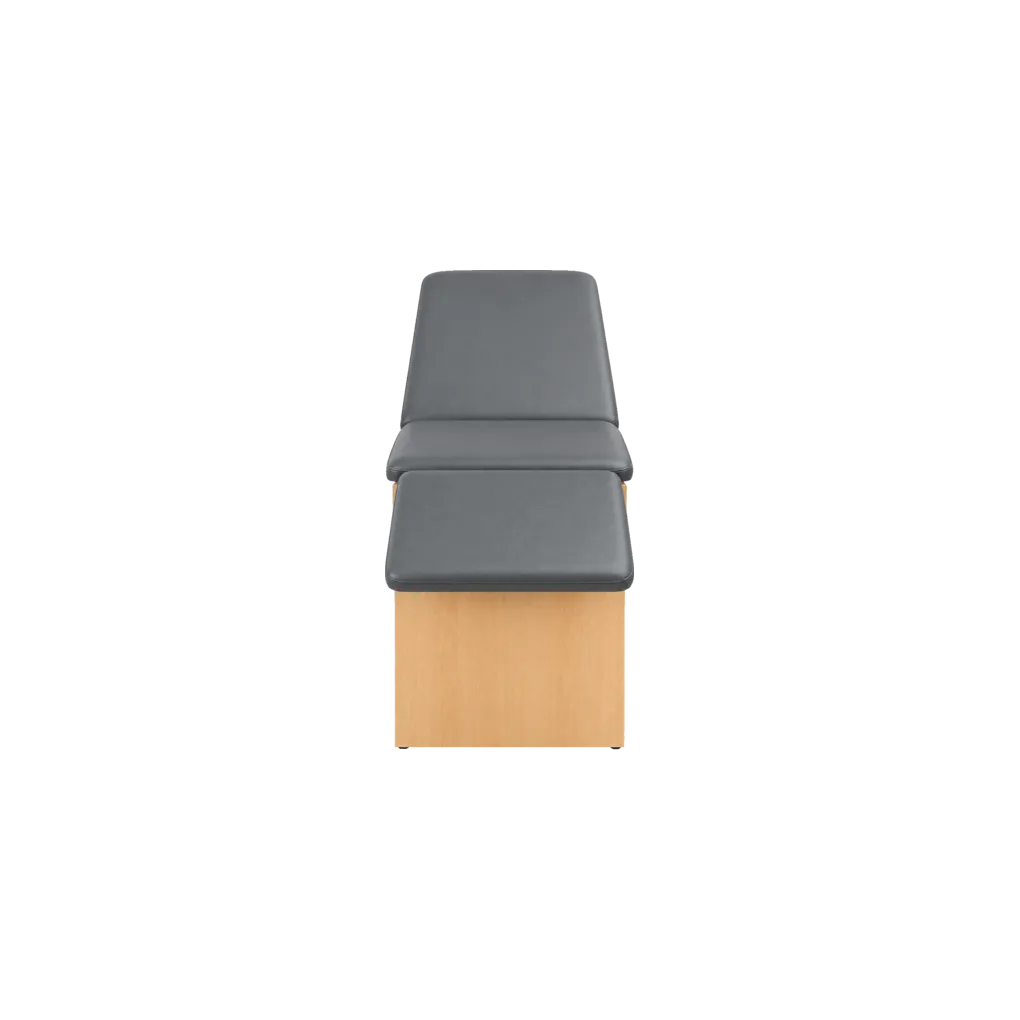
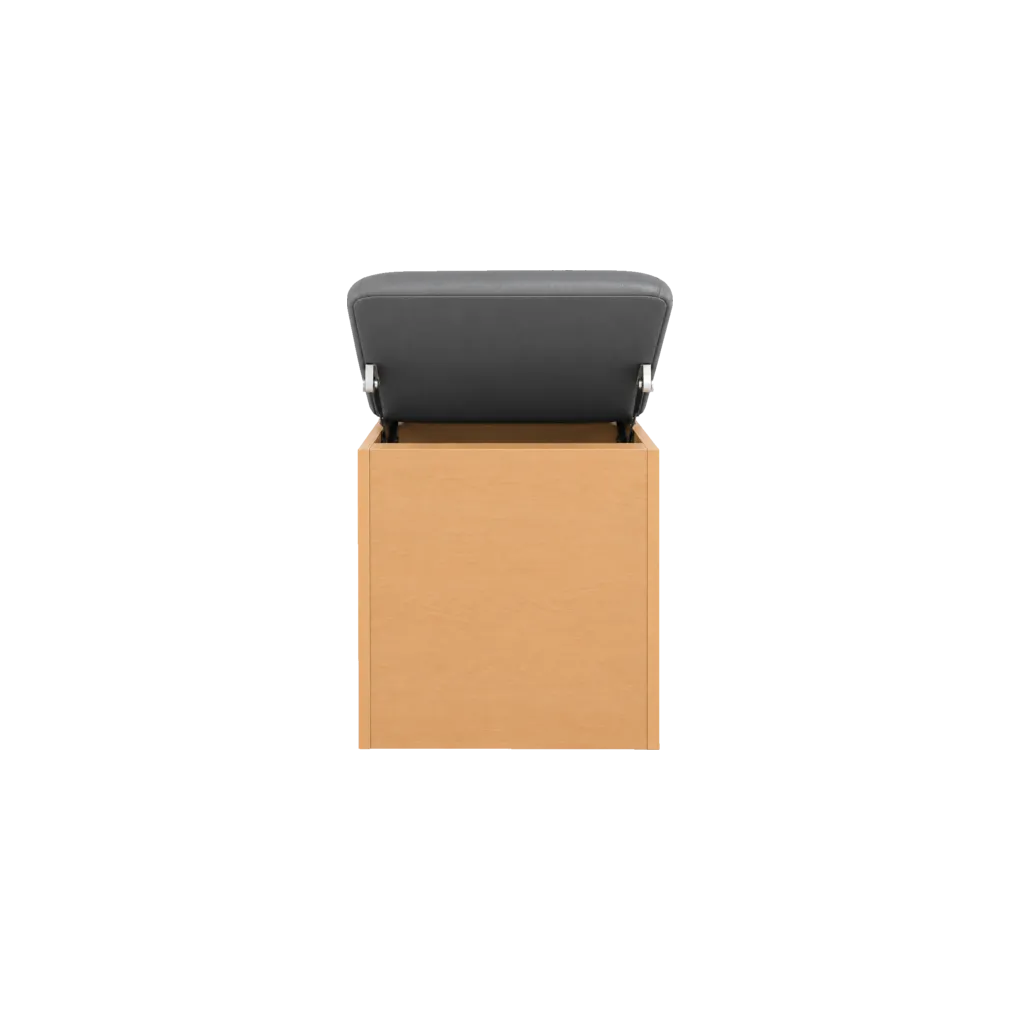
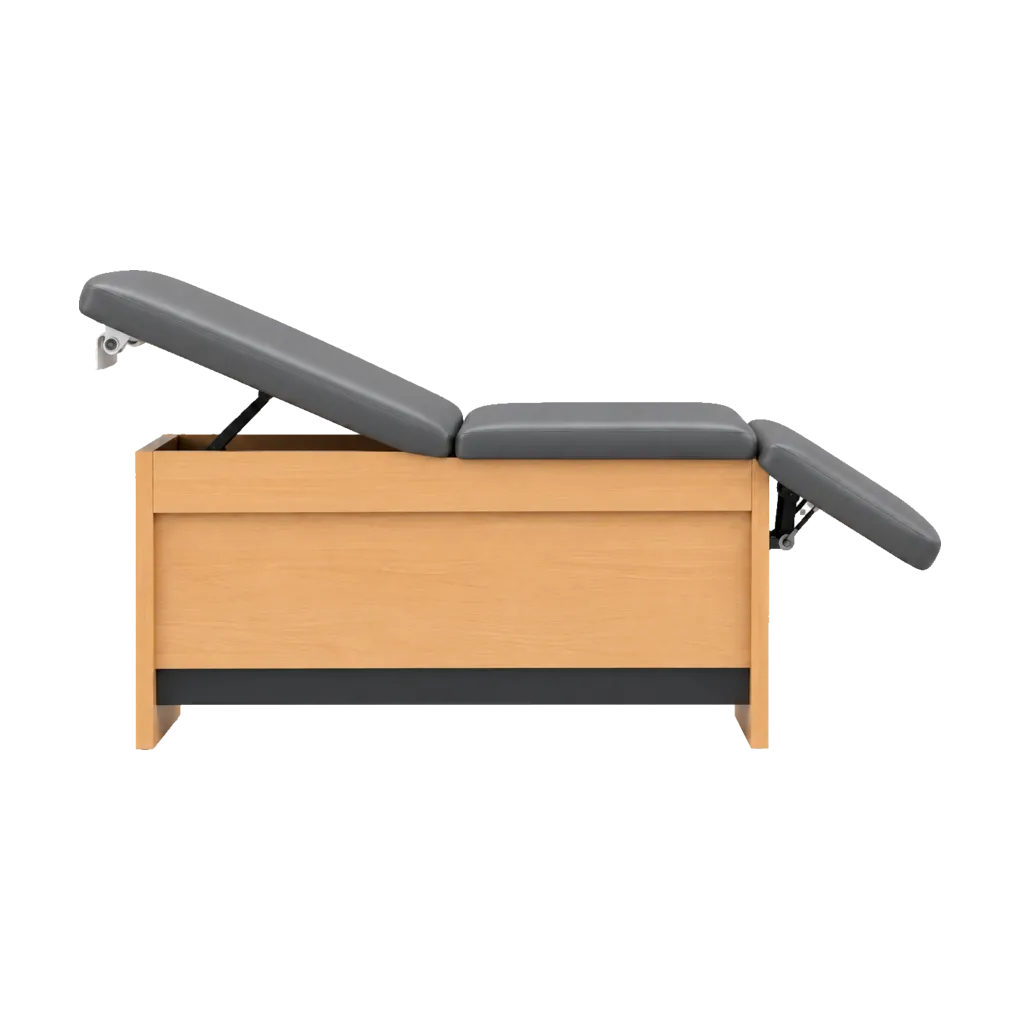
General practice is the natural home for the 0Y04. A consultation that opens with the patient seated and moves to an abdominal, chest, or skin examination stays on one surface, and the base holds the gloves, gowns, and couch roll the visit uses. Outpatient clinics, occupational health suites, school and university health rooms, minor injury units and sports medicine assessment rooms follow the same pattern of talking first and examining second. The seated position also supports blood pressure readings, upper-body wound reviews, and conversations with patients who prefer not to lie down straight away.
The fixed 790 mm height is the limit to plan around. In a US survey of 714 physicians, only 40.3% of the 584 who saw patients with significant mobility limitations always or usually used an accessible examination table or chair. Accessibility audits of US primary care offices look for tables that lower to between 17 and 19 inches (about 430 to 480 mm). A service that relies on this couch therefore needs another route for patients who transfer from a wheelchair. In the UK, the Equality Act 2010 frames that as a reasonable-adjustments duty for the provider.
The couch earns its place with ambulant adults who can step up, in rooms where one surface has to cover consultation and examination and where storage under the couch keeps the worktop clear. NHS procurement routes ask for the device's conformity position and the upholstery fire certificate, and equivalent public procurement elsewhere asks the same. The manufacturer issues the conformity documentation those procurement routes require, and the enquiry team shares it.