
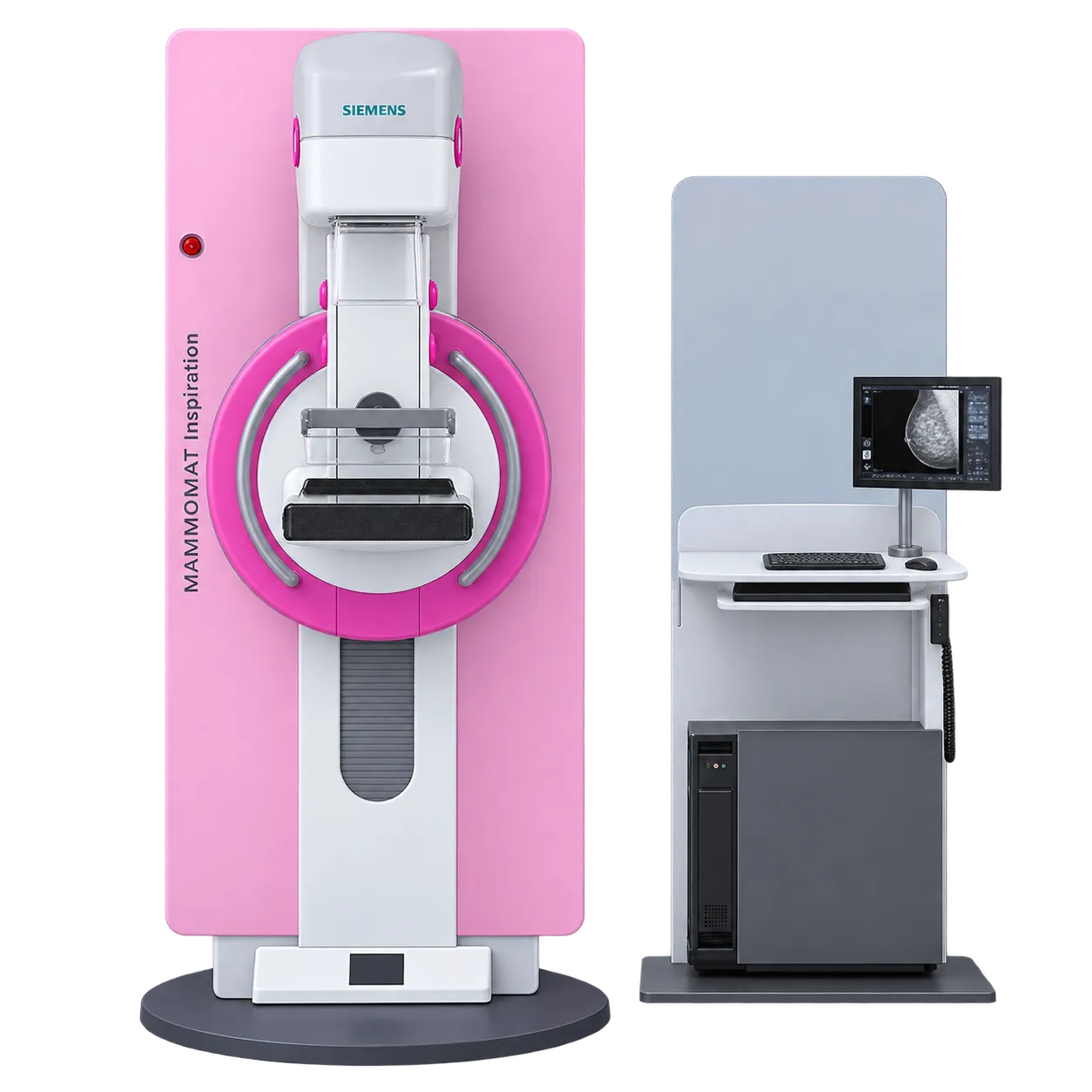
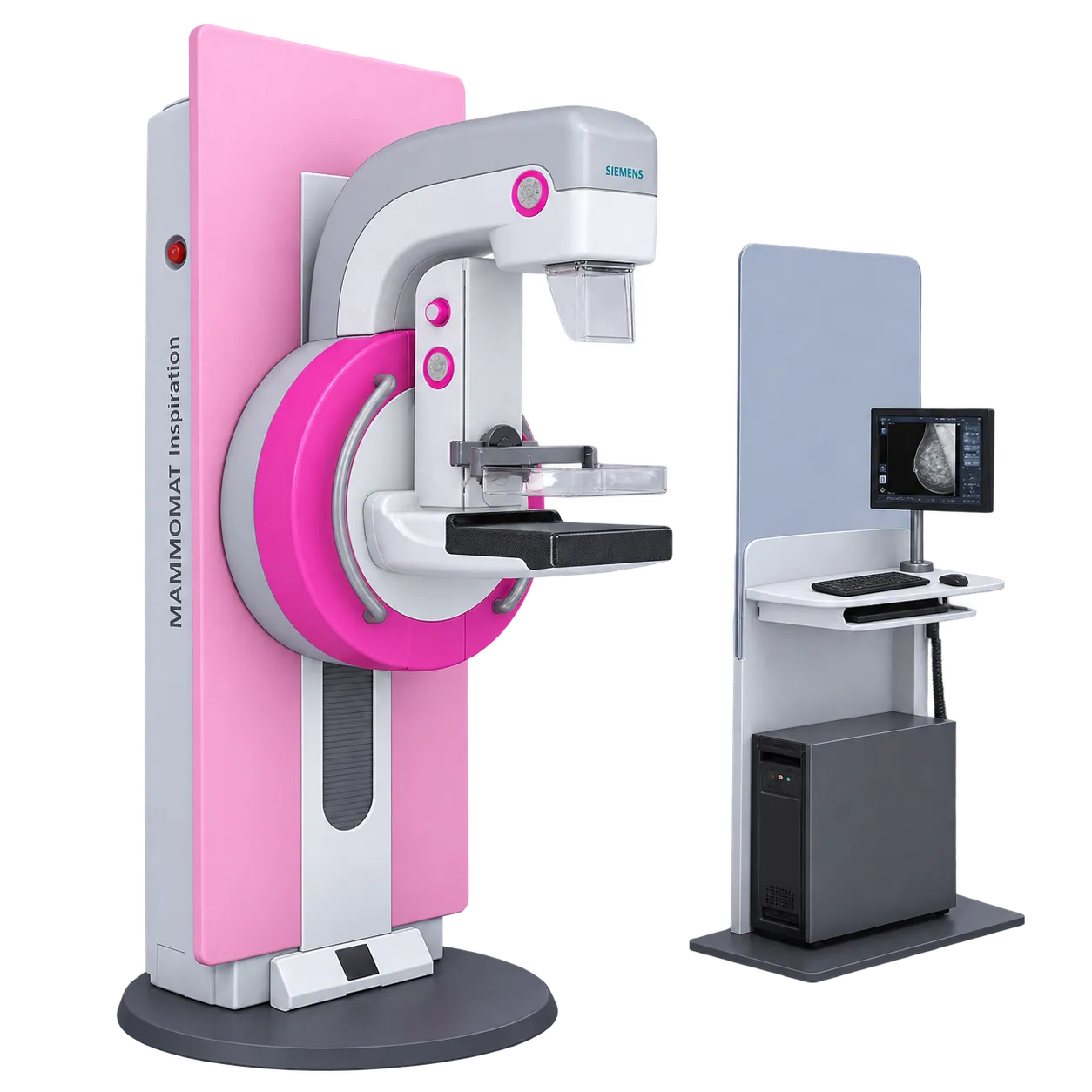
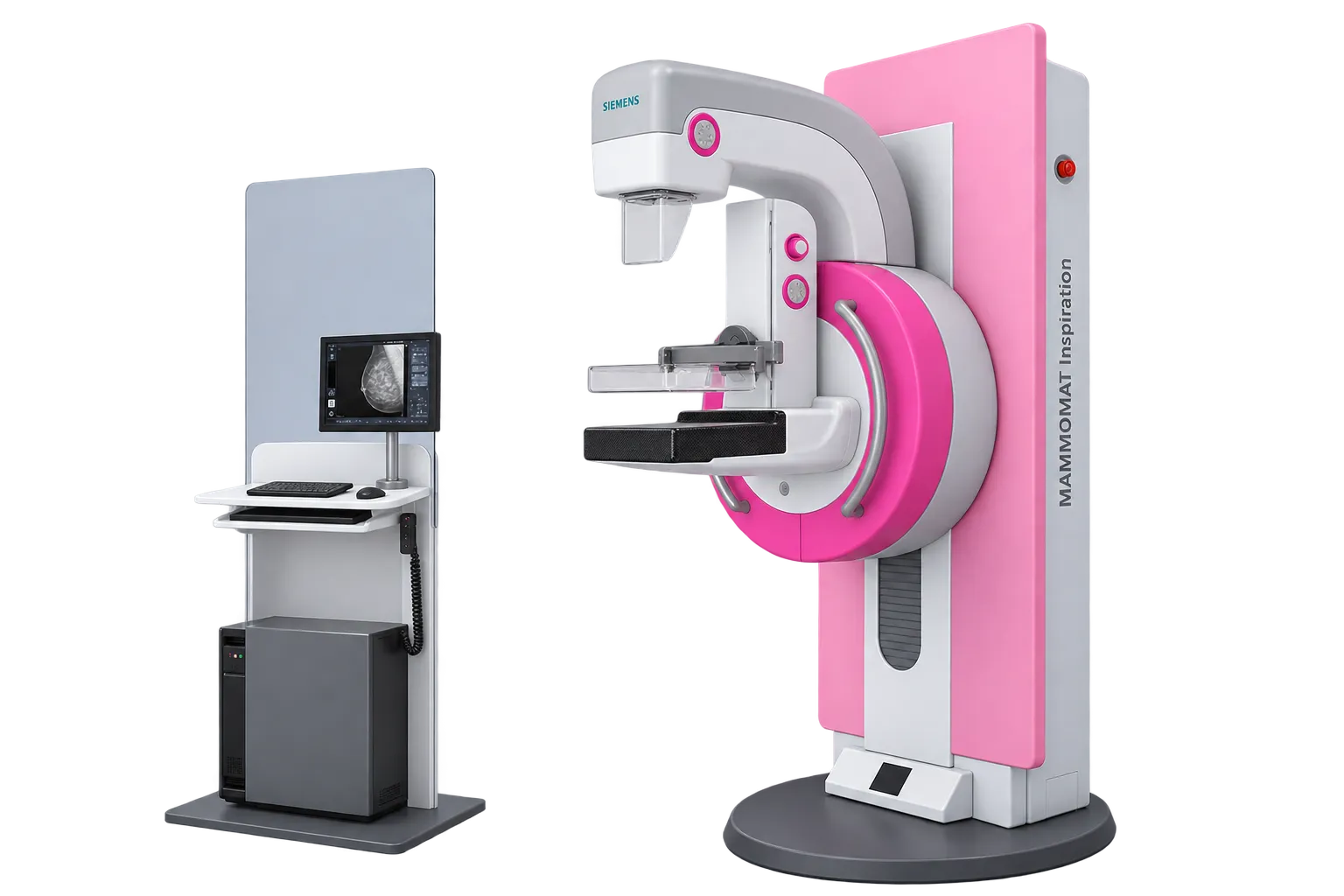
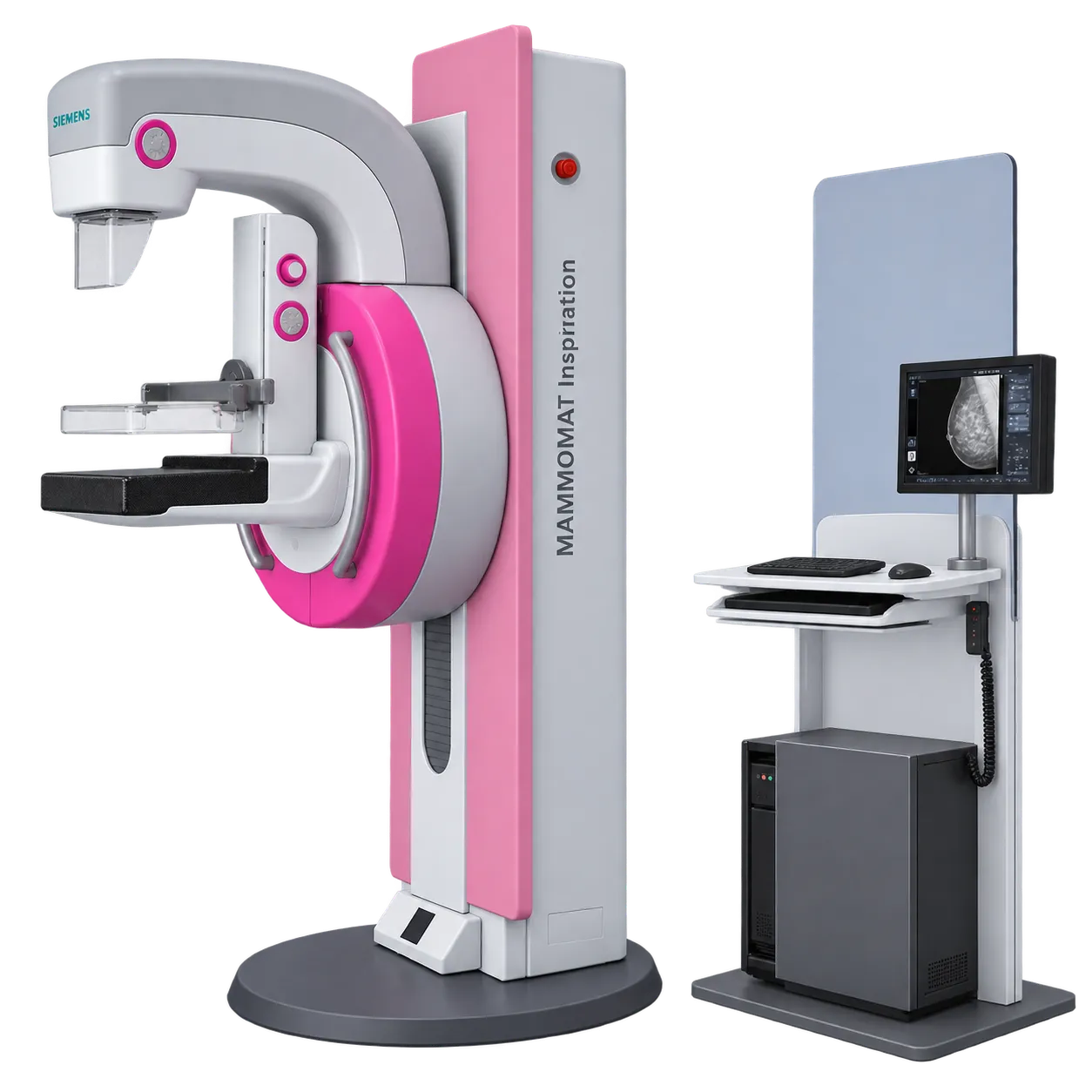
Diagnostic and symptomatic breast imaging across standard mammographic views is what this system serves, with tomosynthesis available where licensed. All clinical judgement, including whether an examination is indicated, how findings are interpreted and how a service structures its pathways, remains with the clinicians and the programme concerned, and Medigear.uk supplies configuration and condition detail rather than clinical guidance.
Services placing weight on image quality benefit most directly from a recent detector, since detector performance is the dominant variable in what a mammographic system resolves.
Denser breast tissue is where tomosynthesis addresses superimposition most directly, though the clinical role of the technique in any given pathway is a matter for the service.
Higher-volume units should read the tube exposure count carefully, since a tube original to a 2015 build has been in service throughout and wears with use rather than elapsed time.
Services considering organised screening use should establish the applicable programme requirements before purchase, as these extend beyond the general regulatory position.
Departments assessing total cost should weigh a recent detector against an original tube rather than treating the system as a single age, since the two components sit at opposite ends of their respective lives.