
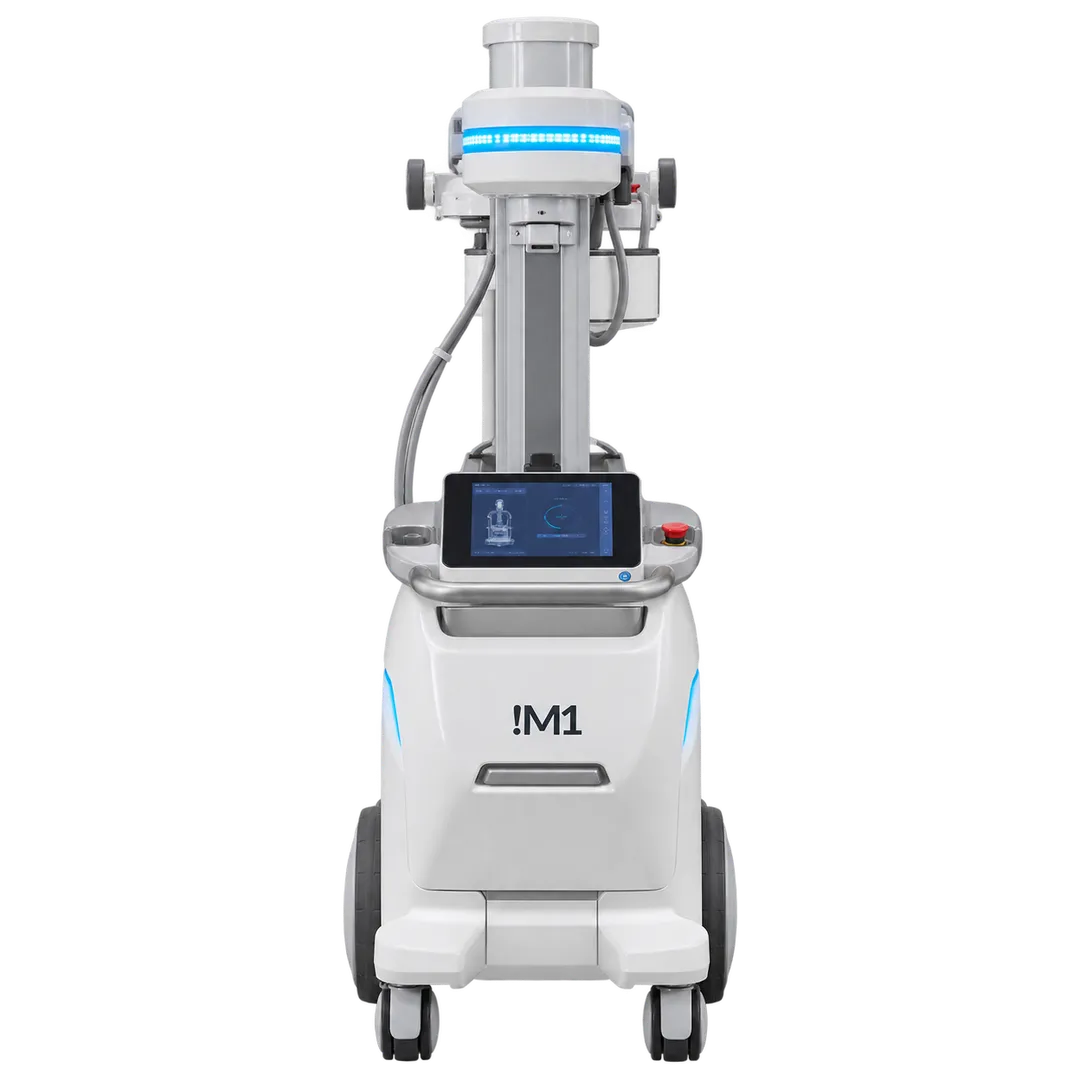
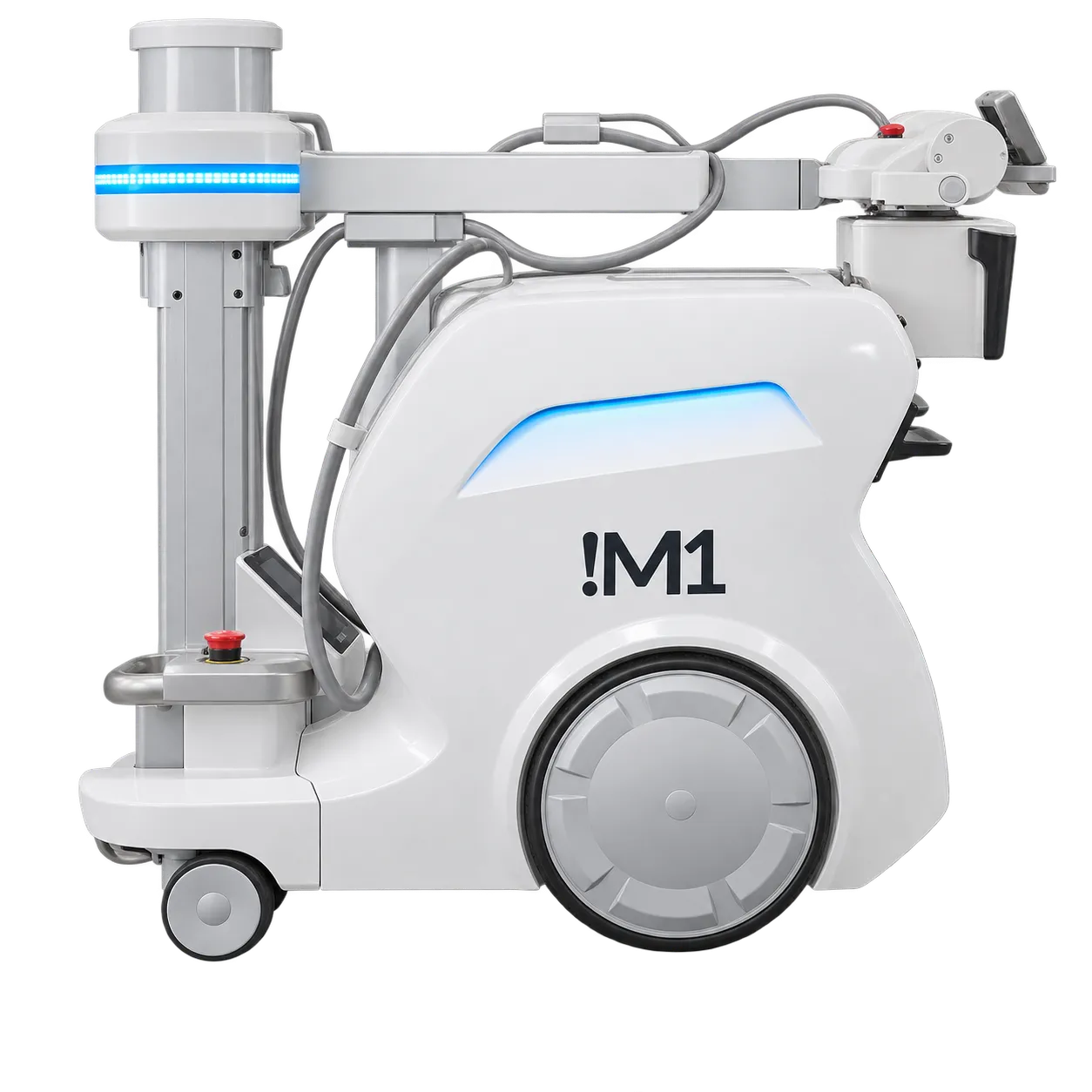
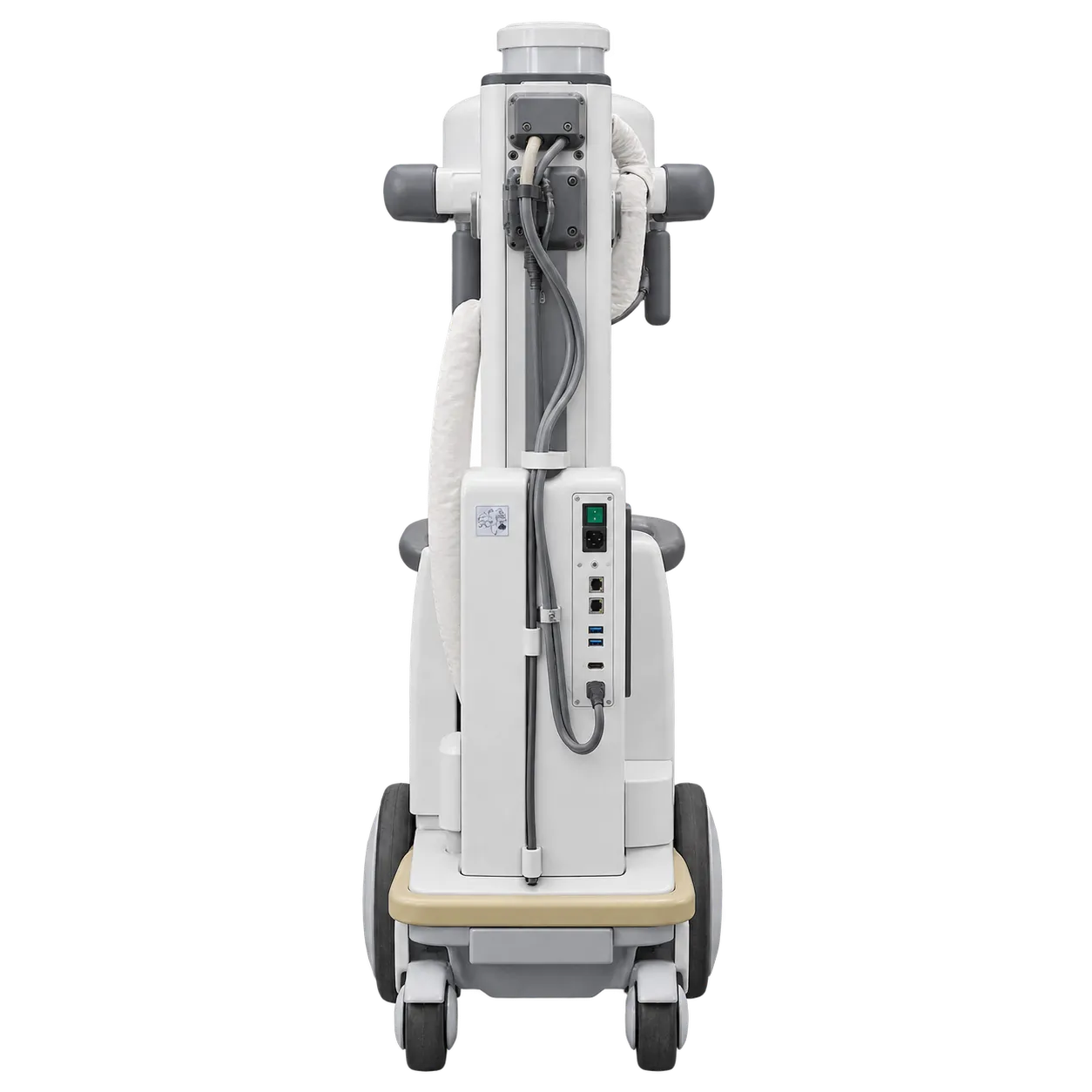
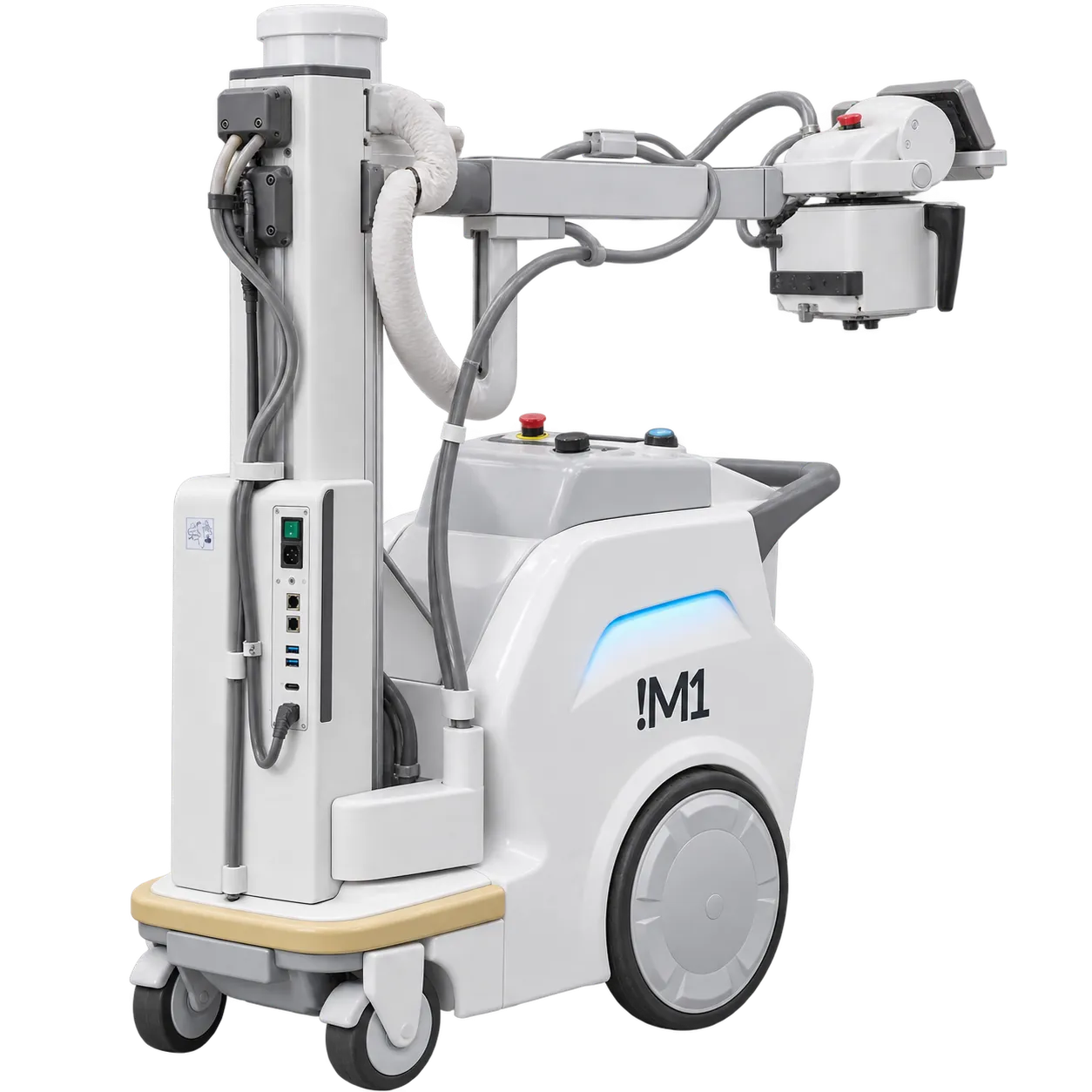
Ward and bedside chest radiography across intensive care, high dependency, general wards and emergency settings is the core of what this system delivers, for patients whose condition makes a trip to the imaging department difficult or undesirable. All clinical judgement, including whether an examination is justified, remains with the referring and reporting clinicians, and Medigear.uk supplies configuration and condition detail rather than clinical guidance.
Intensive care work is where mobile DR contributes most visibly, with line and tube position, chest review and post-procedure checks achievable without disconnecting and transferring a ventilated patient. Bedside review means positioning problems are corrected while the radiographer is present rather than discovered afterwards.
Theatre, recovery and isolation settings suit mobile imaging for the same reasons, with the added benefit that taking the equipment to a contained patient avoids moving that patient through shared spaces.
Departments facing an urgent capacity problem are the clearest fit for a near-current used unit. A machine out of service, a ward reconfiguration, a sudden rise in demand or a service expansion that cannot wait for a manufacturer's lead time are all situations where availability matters more than the badge, and where the difference between next month and several months from now is measured in patients waiting.
Services operating within tight capital ceilings are the other natural audience. A lower outlay may fit an envelope that a new purchase does not, which can determine whether a department gets a second mobile unit at all, and capital released remains available for other priorities.