
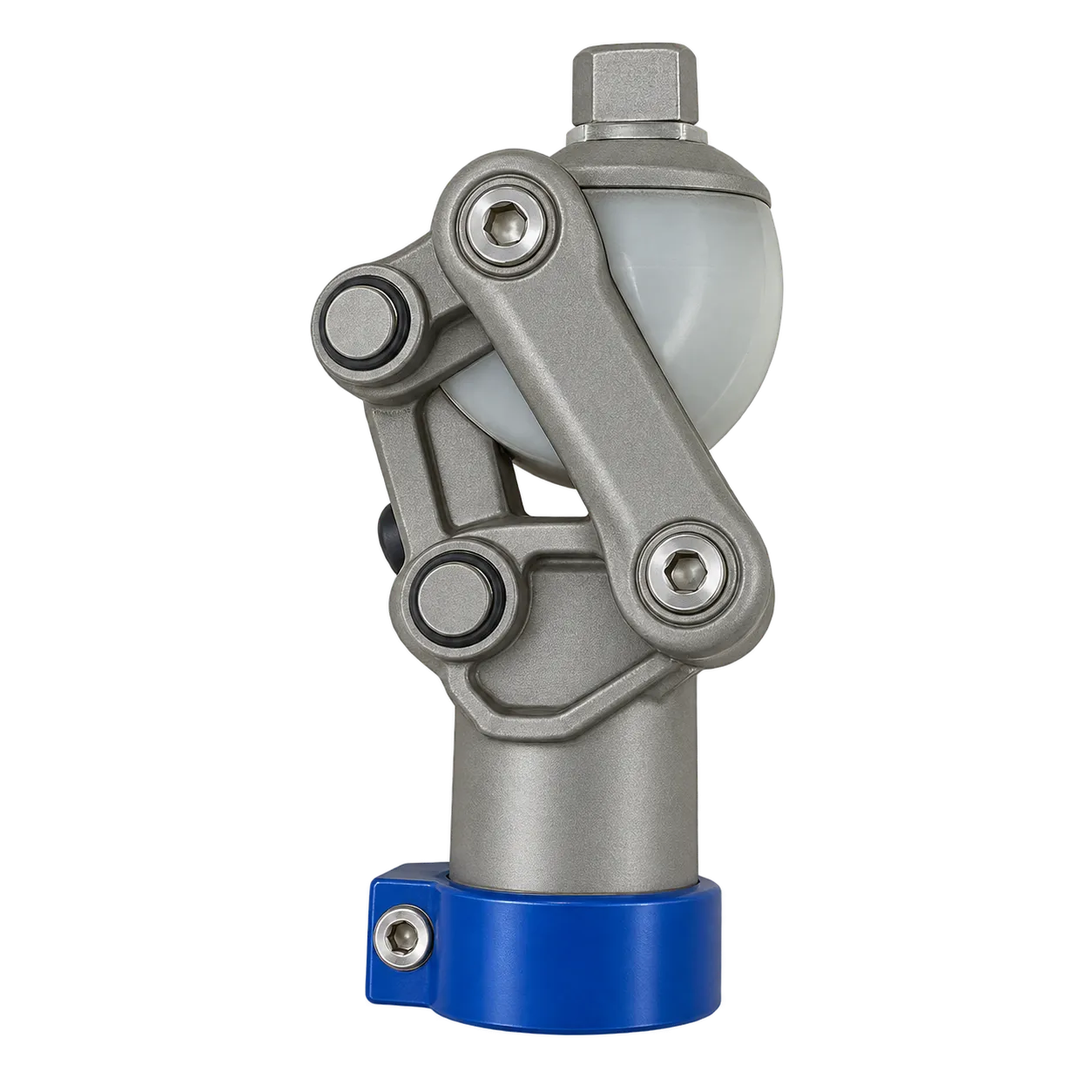
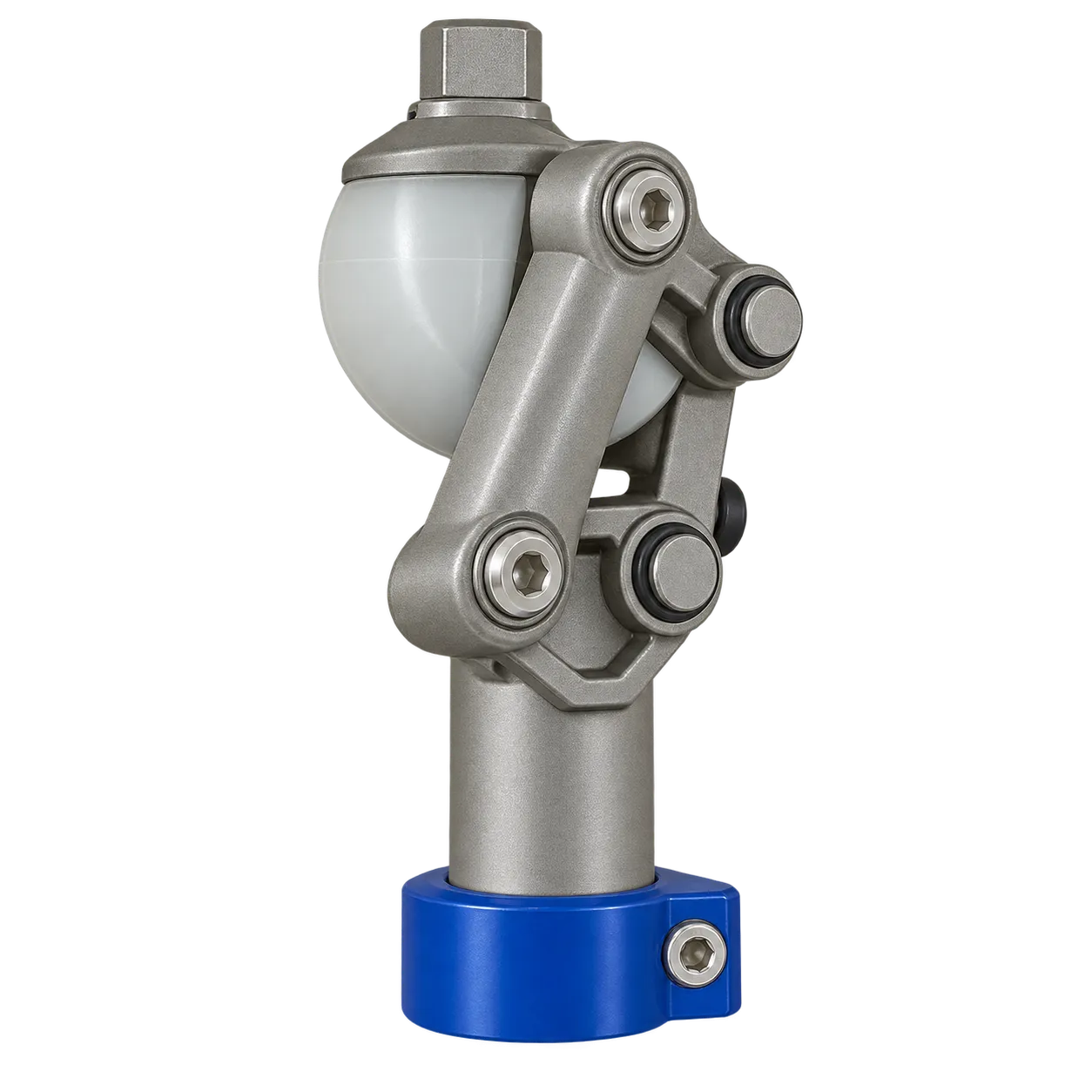
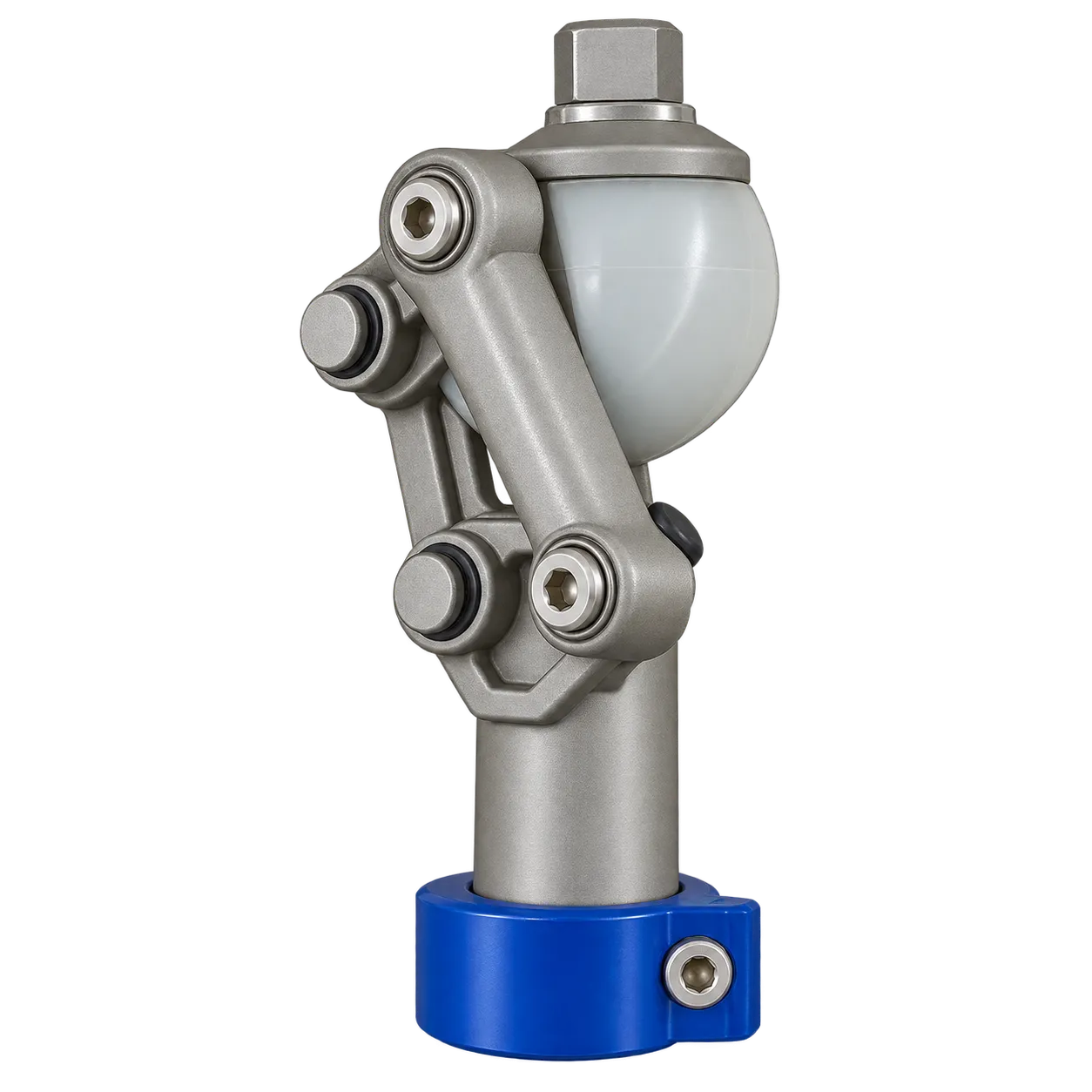
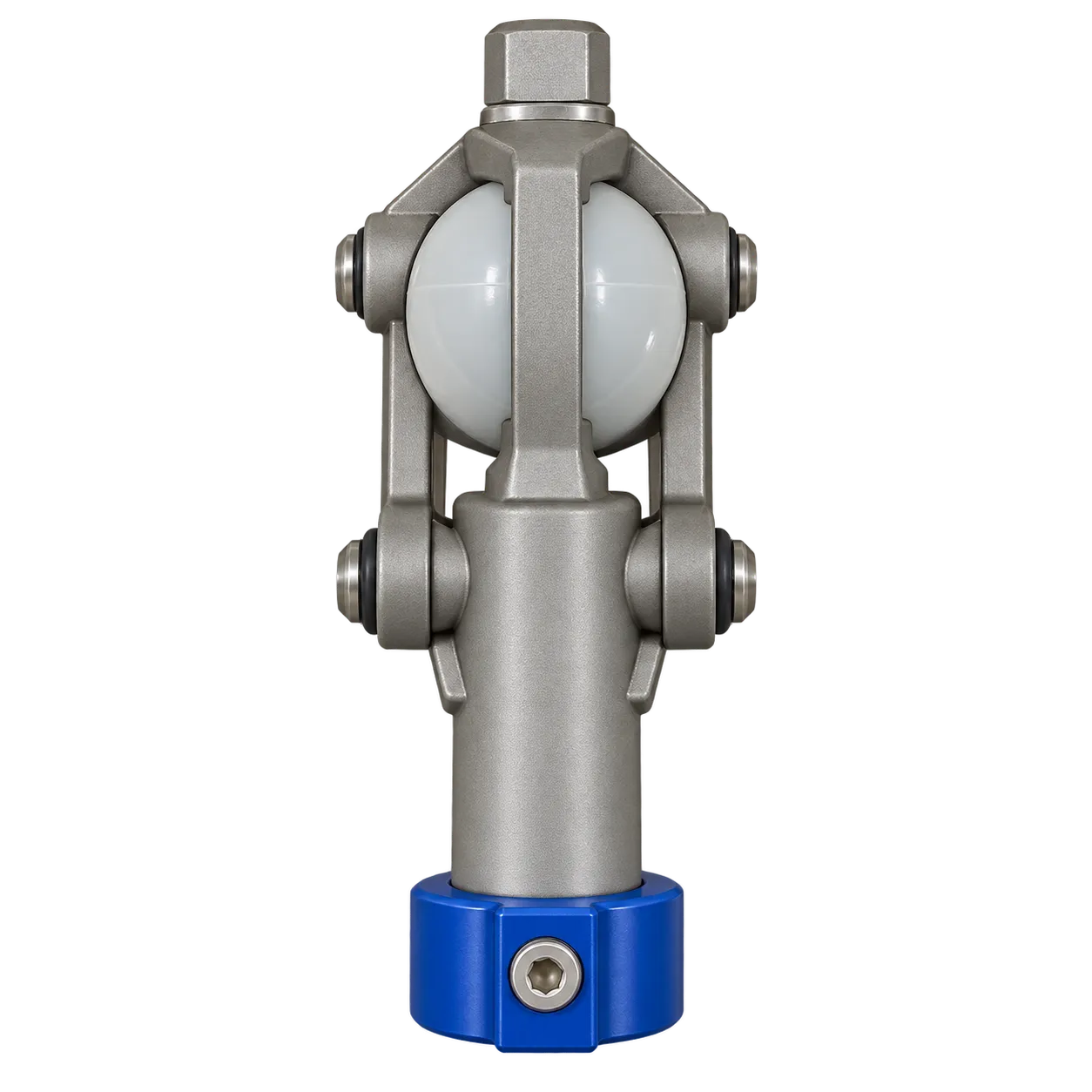
A lockable knee earns its place where the main clinical goal is a user who stays upright. The 3F35B fits transfemoral and knee-disarticulation builds for people whose walking is short, slow and supervised at first, with the lock carrying them through stance and swing alike.
Older users with vascular amputations are the clearest group. Many have reduced hip strength, impaired balance, poor vision or cognitive load that makes every step take concentration. A 2001 survey of 435 people with lower-limb amputation found 52.4% had fallen in the past year, with above-knee amputation raising the odds by 2.78. For this population a knee that cannot fold under load removes one way of falling, though trips, slips and transfers remain. Early limb users in the first weeks of gait training fit the same logic, and the instructions for use set out whether the knee can later be walked on unlocked as confidence grows.
The evidence supports careful selection, not a blanket rule. In 2002, 11 of 14 older users with vascular amputations preferred walking with the knee locked. A 2022 inpatient study of 815 people found no significant difference in fall rate for locked knees once other factors were adjusted, and medication use predicted falls more strongly.
Typical settings are limb-fitting centres, inpatient rehabilitation wards, geriatric day units and community prosthetic clinics, along with charity and export programmes that equip older users. NHS trusts in England buy through the mandated prosthetics framework, and equivalent public procurement elsewhere requires its own documented supply chain. The conformity documentation those procurement routes require is issued by the manufacturer and shared by the enquiry team.