
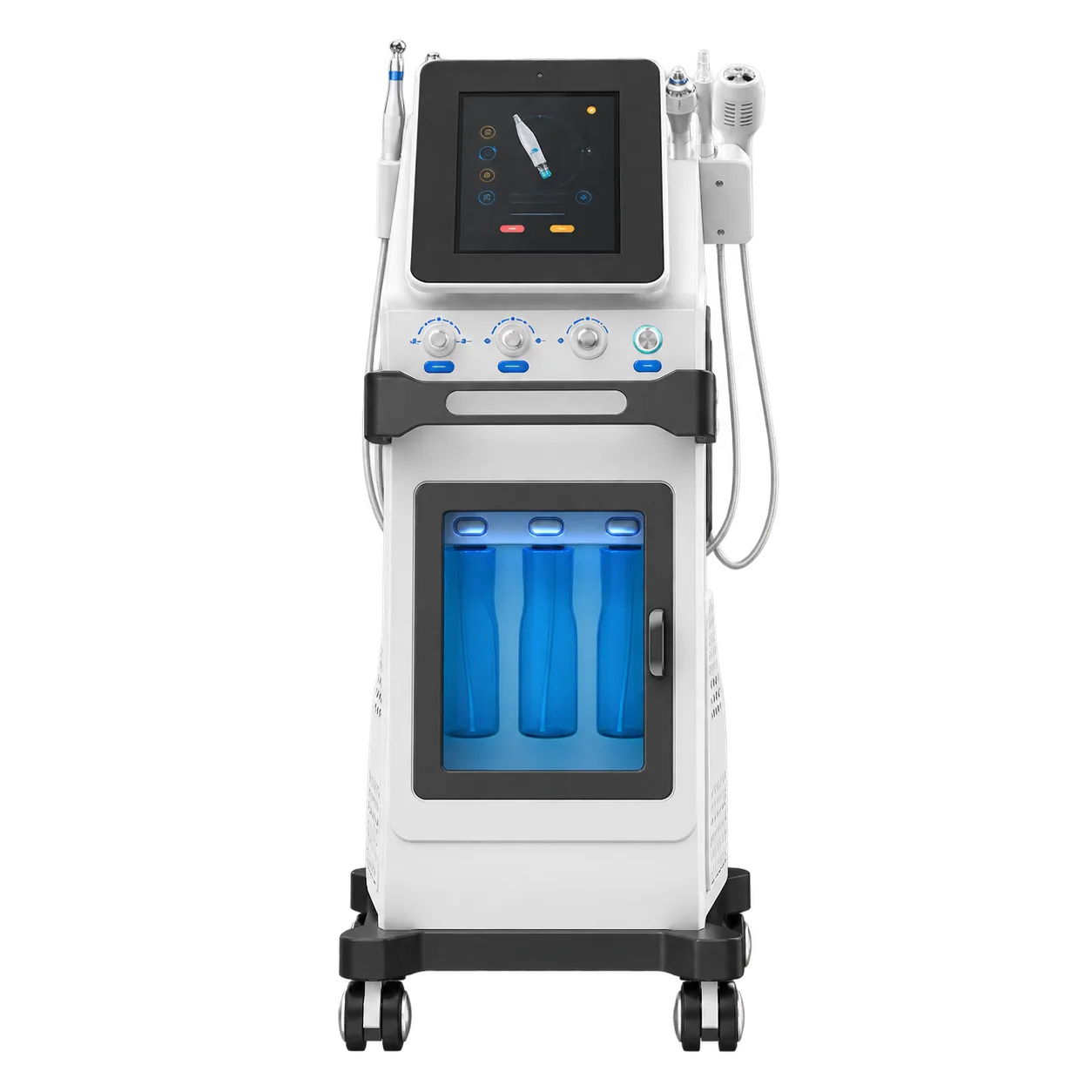
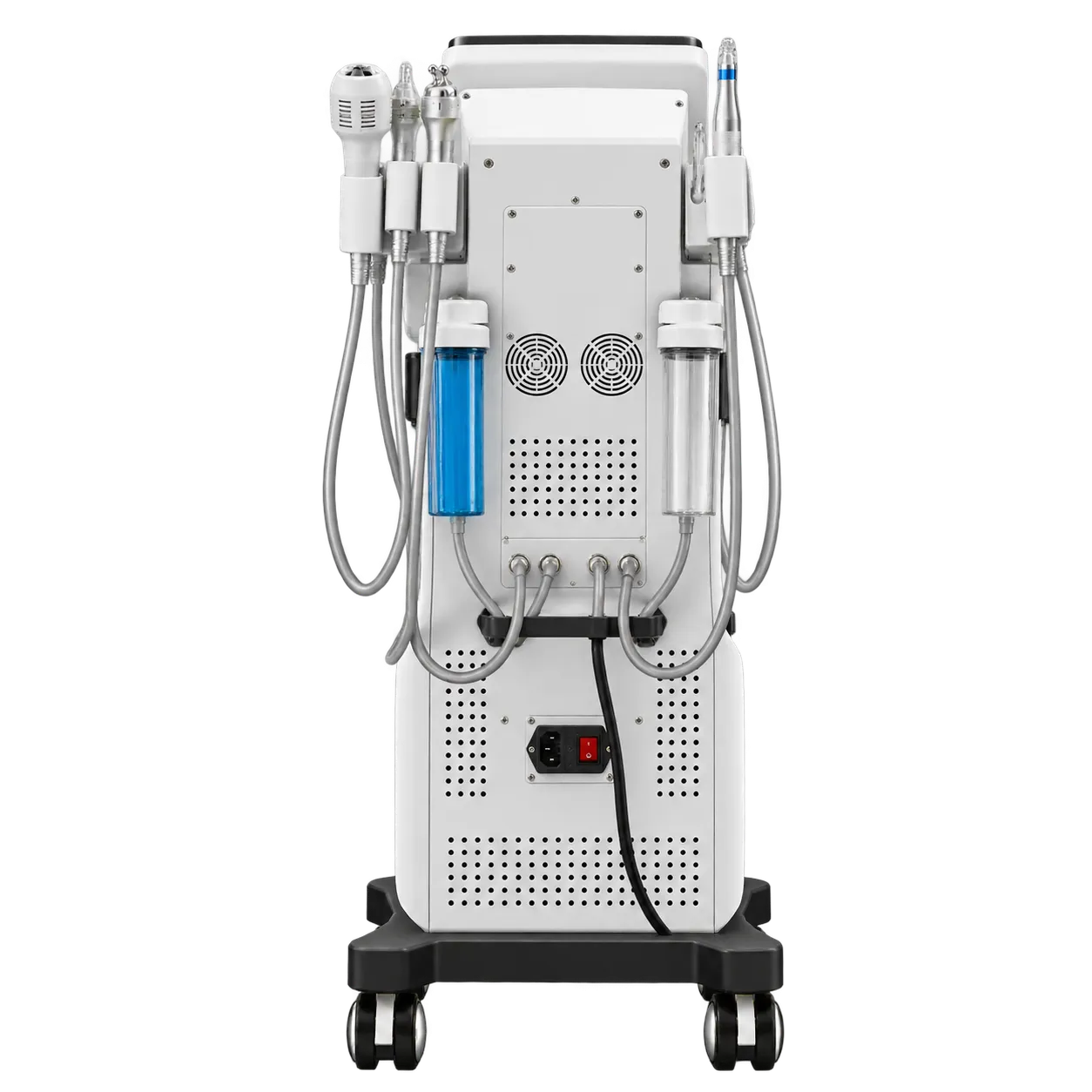
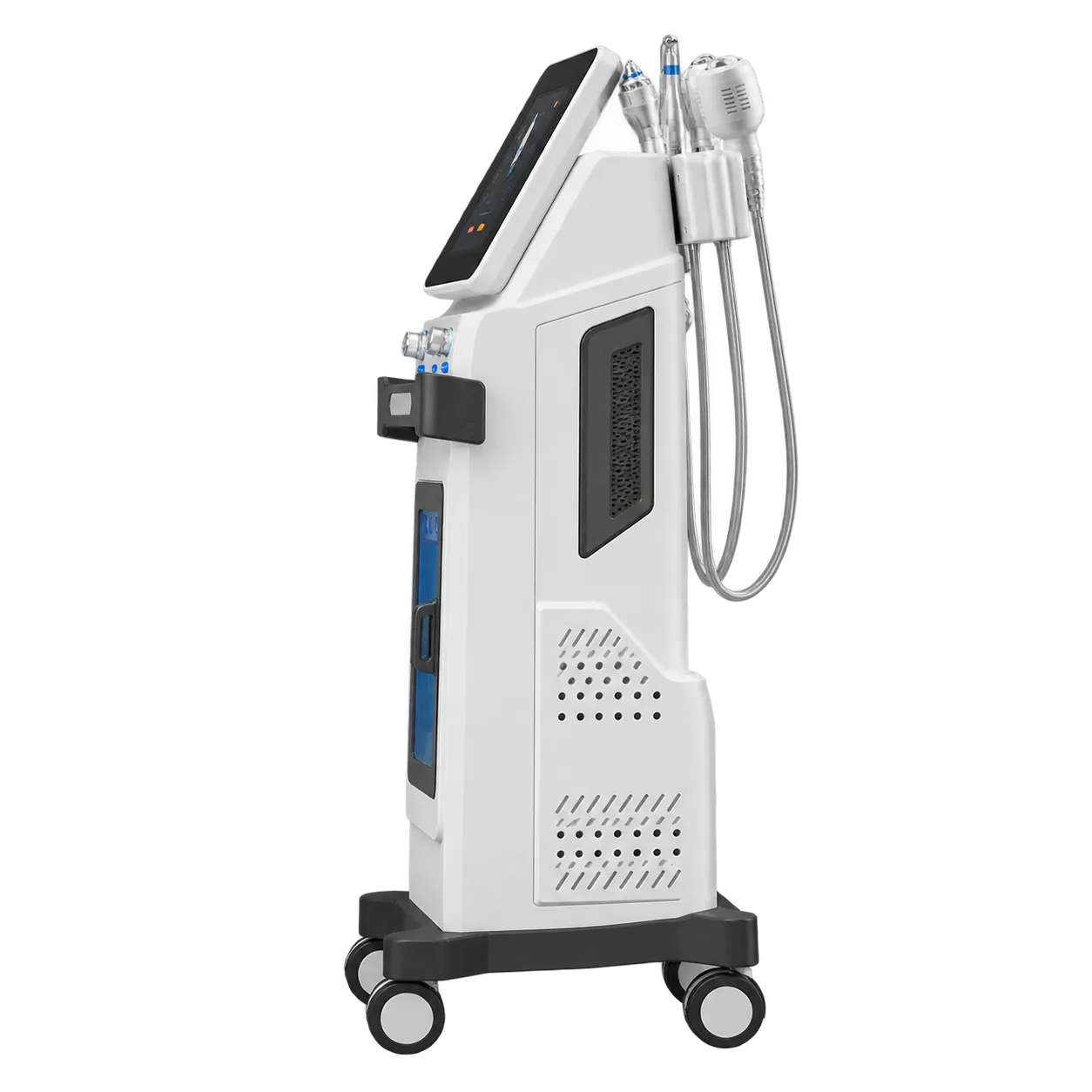
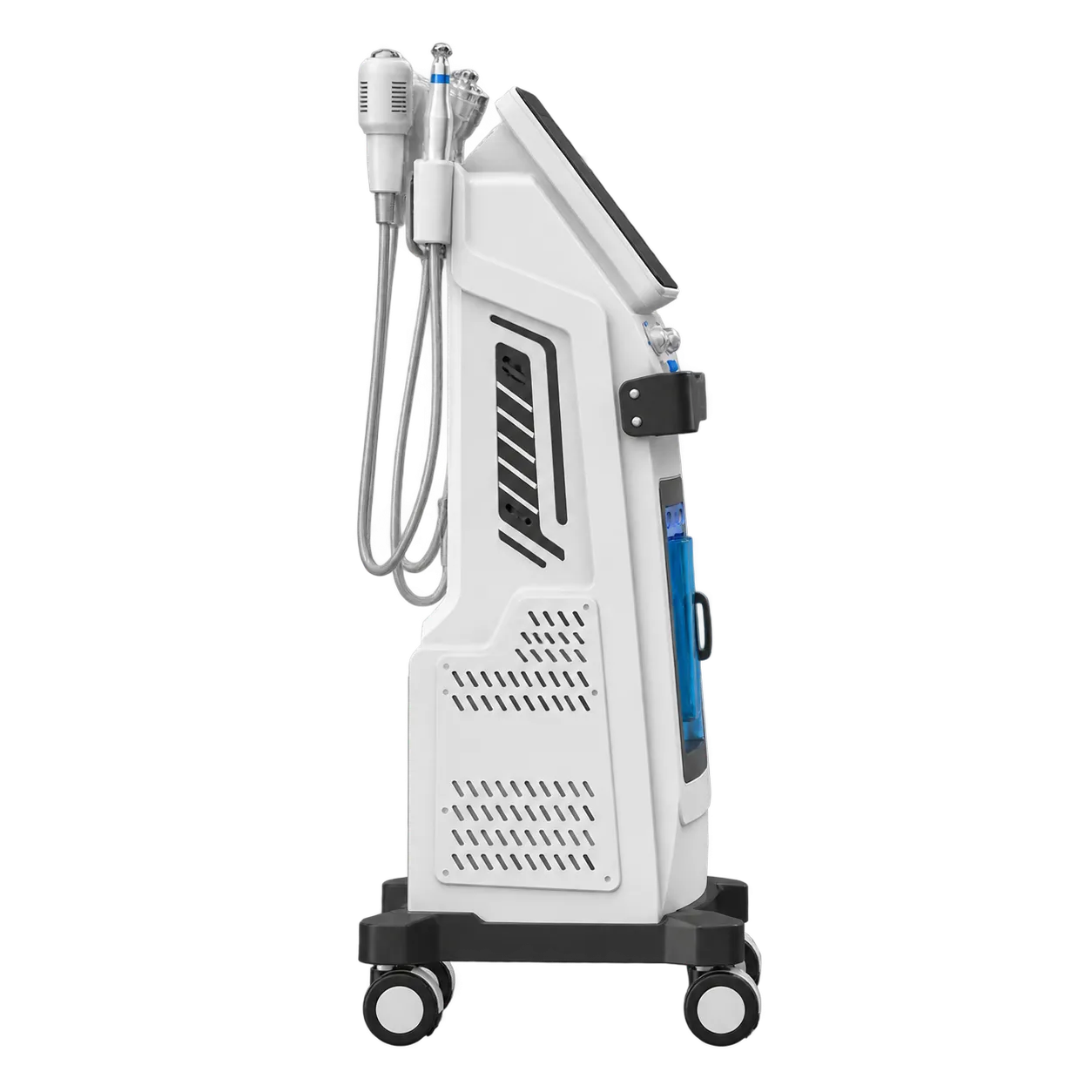
Congested skin, enlarged-looking pores, blackheads, dull tone and dehydration are the core workload, and hydrodermabrasion suits almost every client as a regular maintenance facial. Additional handpieces let a therapist expand the menu: ultrasound infusion for serum delivery, microcurrent for facial tone, bipolar radio frequency for firmness, and an atomising spray for a soothing finish. Mild acne-prone skin can benefit from regular cleansing and extraction, alongside a home-care plan. Pre-event facials, monthly memberships and add-ons to other treatments are the usual commercial formats. A cleansing facial also prepares the skin before peels, light treatments, or injectables booked later the same week, as long as the practitioner agrees on the timing.
The evidence base for hydrodermabrasion is modest but consistent. In a 2008 randomised study, 20 women received either six device treatments spaced 7 to 10 days apart or the same serum applied by hand. Biopsies in the device group showed thicker epidermis and papillary dermis, with no change in the manual group. A 2024 imaging study of 16 participants reported thinning of the stratum corneum and qualitative gains in hydration, texture and pore appearance. Both used another manufacturer's system, so the findings describe the technique and say nothing specific about the VSC2's hydrogen water or handpieces.
Day spas, beauty salons, skin clinics, medical spas and hotel spas are the likeliest buyers, especially those selling facial memberships. Group operators purchasing through formal procurement routes will ask for device documentation before installation. The conformity documentation those procurement routes require comes from the manufacturer and is shared by the enquiry team.