
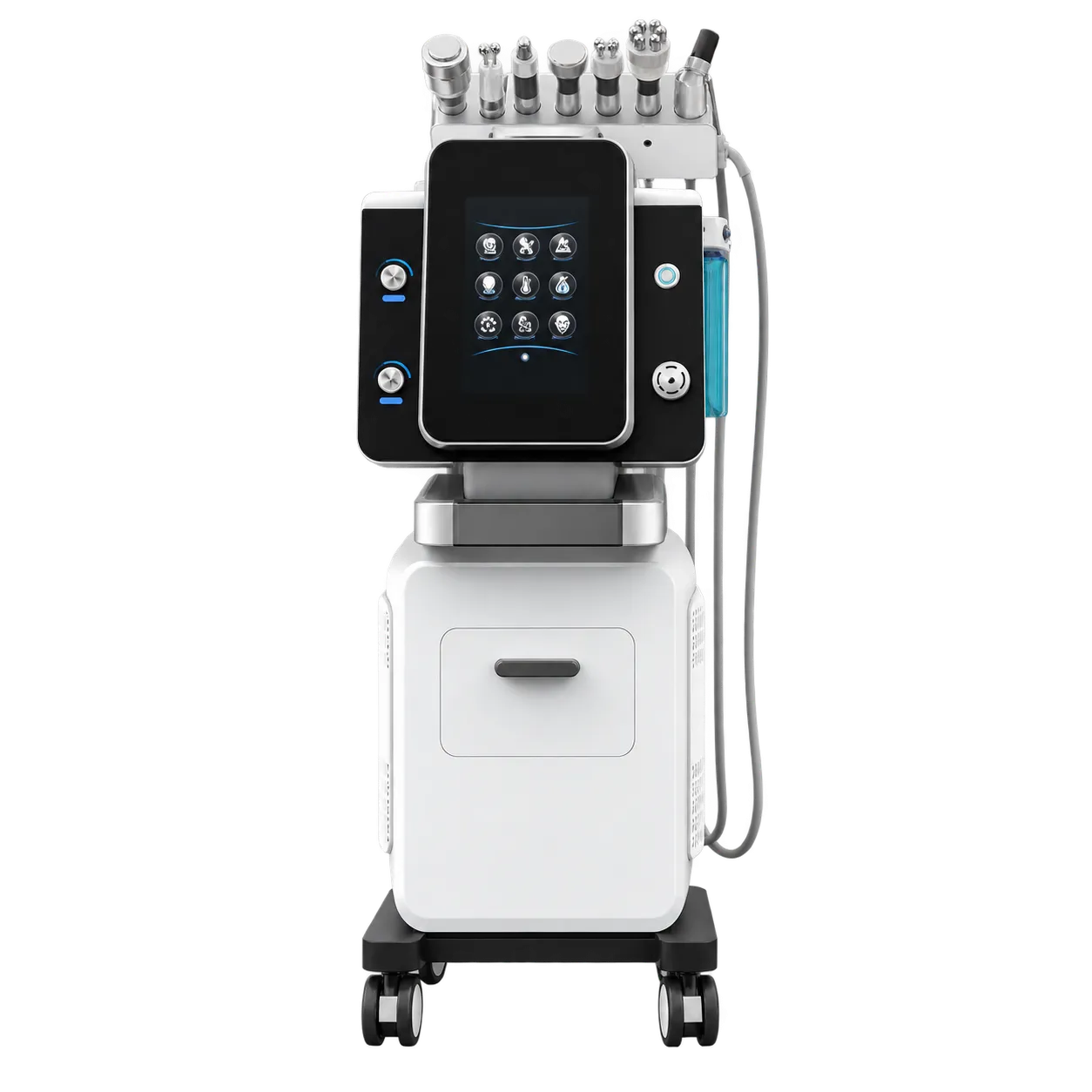
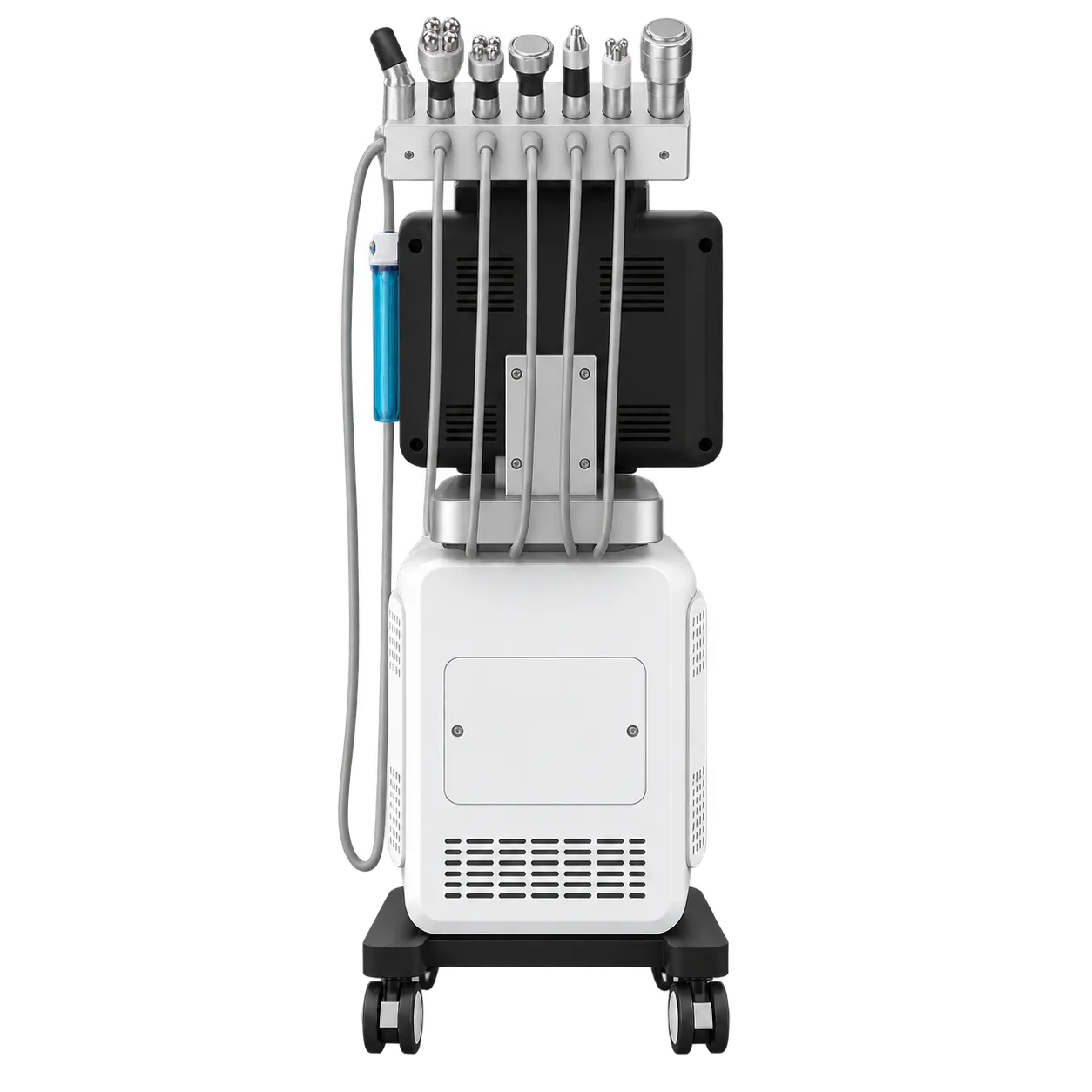
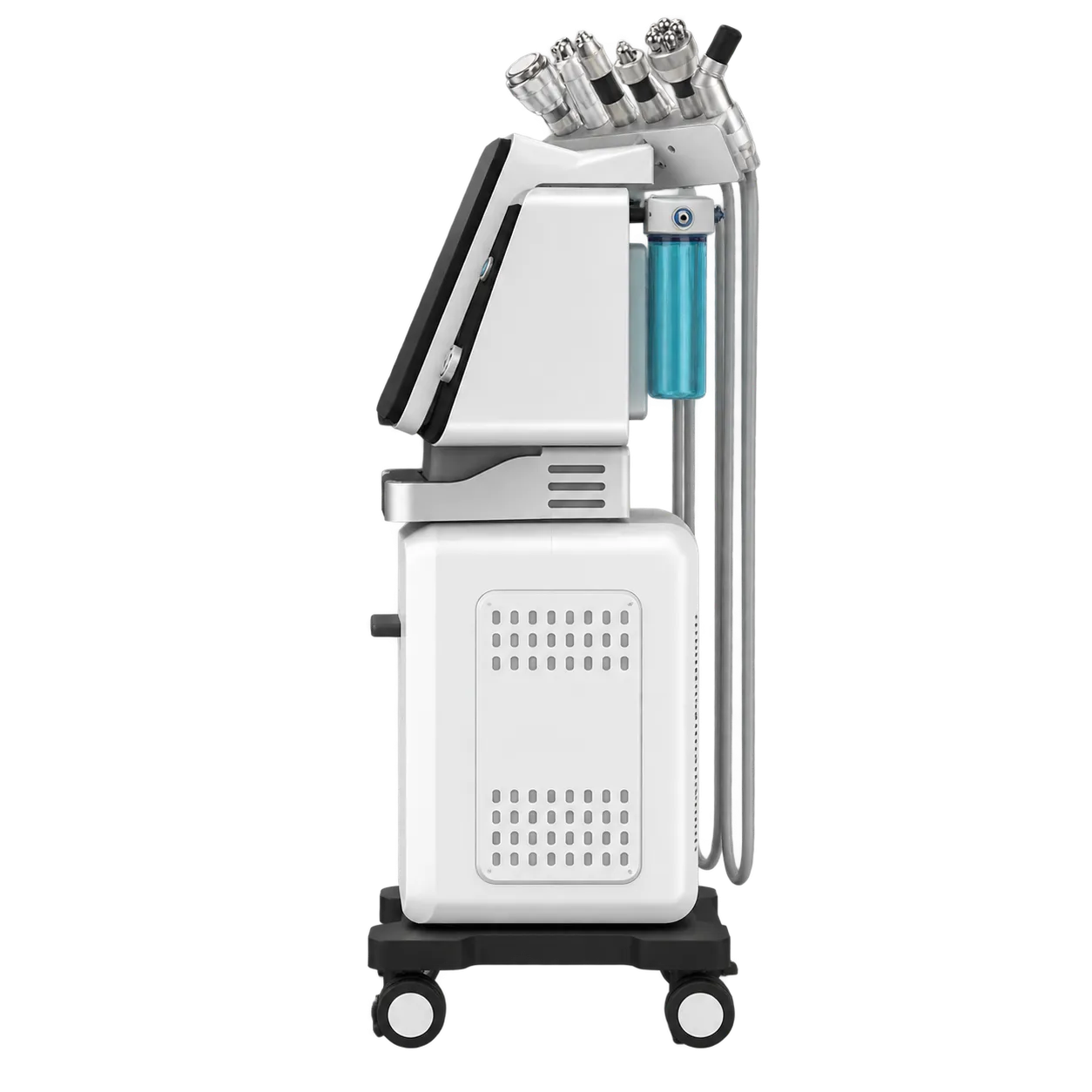
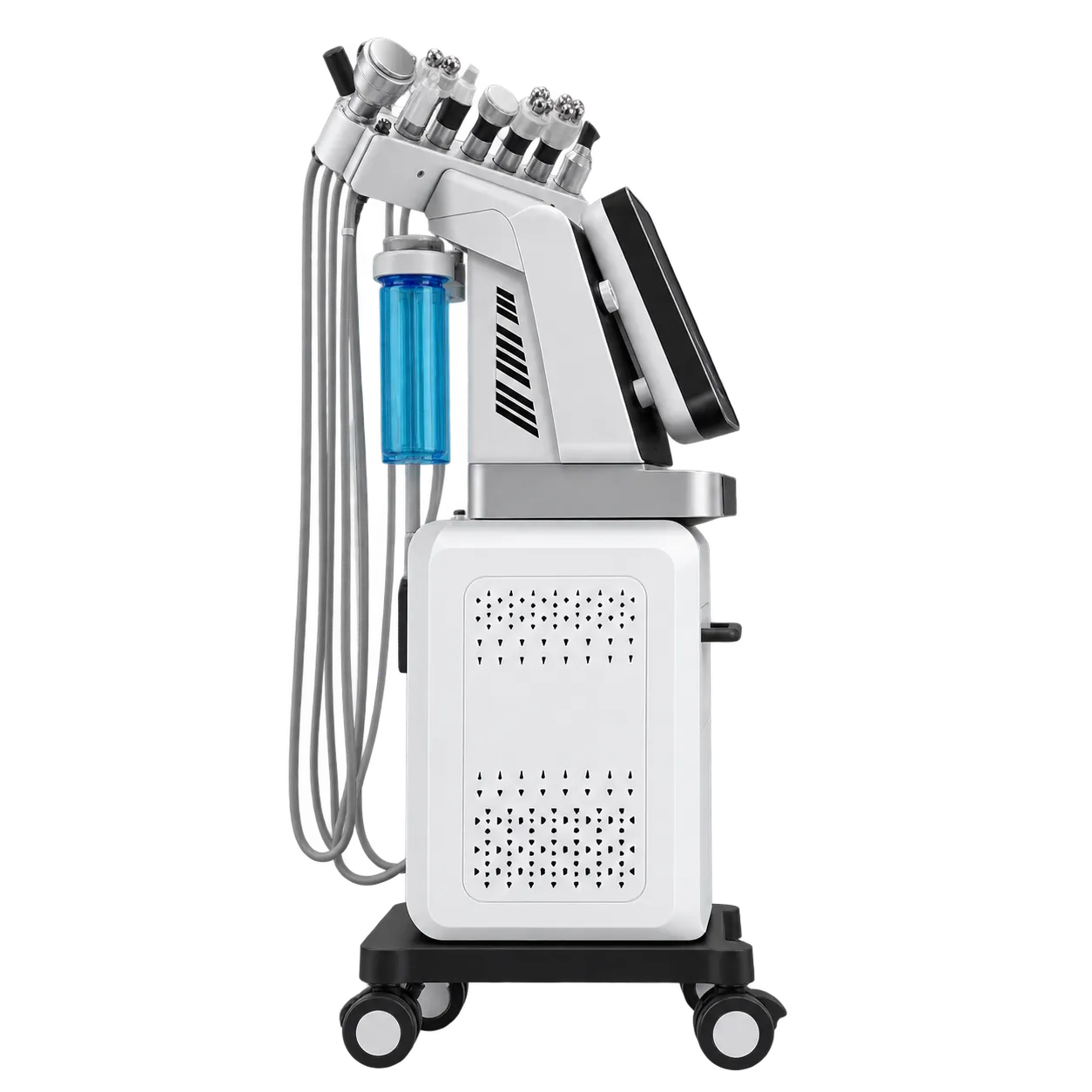
The VSC1 suits skin clinics, beauty salons, medspas, and dermatology practices that run cosmetic facials, where cleansing, exfoliation, and hydration fill the day. Core uses include congested and oily skin, blackheads, dull or dehydrated skin, kin and enlarged-looking pores, with radiofrequency and serum steps for clients who want firmer, brighter skin. Typical bookings include regular maintenance facials and pre-event preparation, and the treatment leaves little visible recovery when settings stay gentle.
Evidence for the technique is modest. One study using a polyphenolic antioxidant serum found thicker epidermal and papillary dermal layers and fewer fine lines after six treatments, with no change from the serum applied by hand. A 2024 imaging study described clinical validation as scarce. Studies have not compared settings or tip types, so protocols rest on the manufacturer's training and the operator's judgement. Separately, a review of mycobacterial infections after cosmetic procedures linked cases to equipment contamination and recorded one in a user of an at-home microdermabrasion device.
Hygiene drives the paperwork. Cleaning and disinfection records for handpieces, tips, and fluid lines; COSHH assessments for solutions and disinfectants; portable appliance testing at the interval the provider sets; and PUWER 1998 training and maintenance duties all apply to the room. Water quality matters too, since the manual specifies which water or solution fills each bottle. Consent forms record skin history, recent treatments and the settings used at each visit. Larger groups commissioning equipment through procurement teams will want to review the device documents first. The conformity documentation required by those procurement routes is issued by the manufacturer and shared by the enquiry team.