
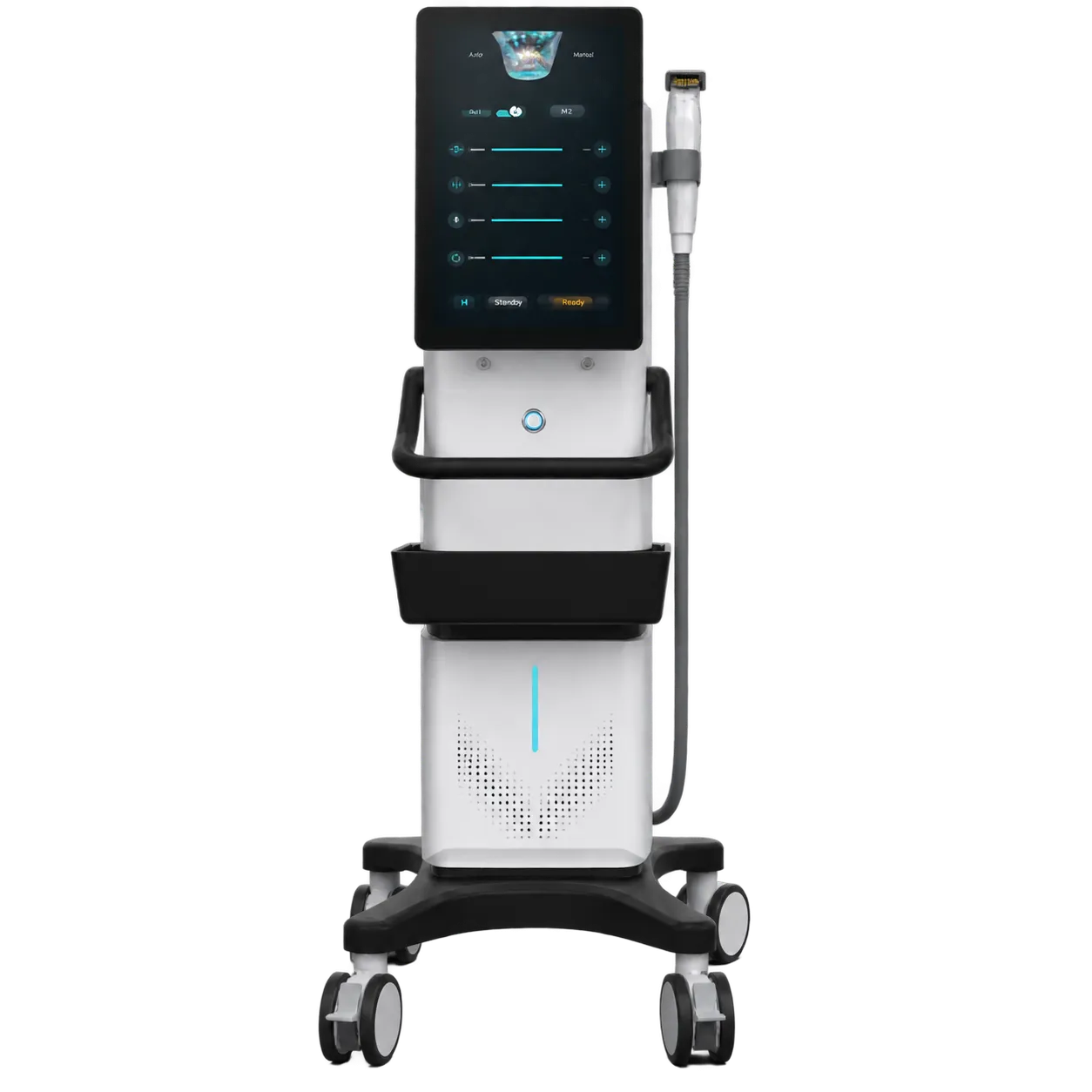
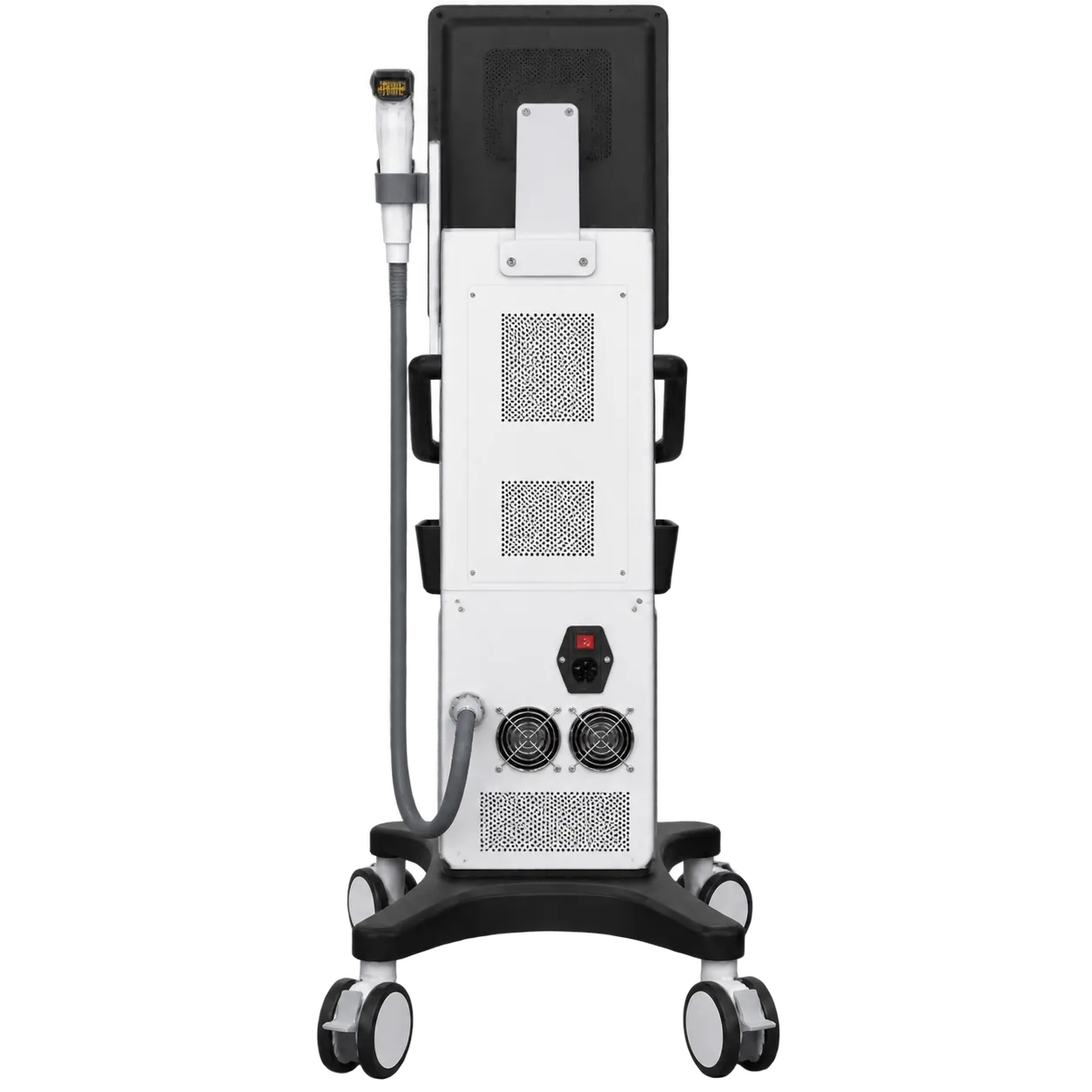
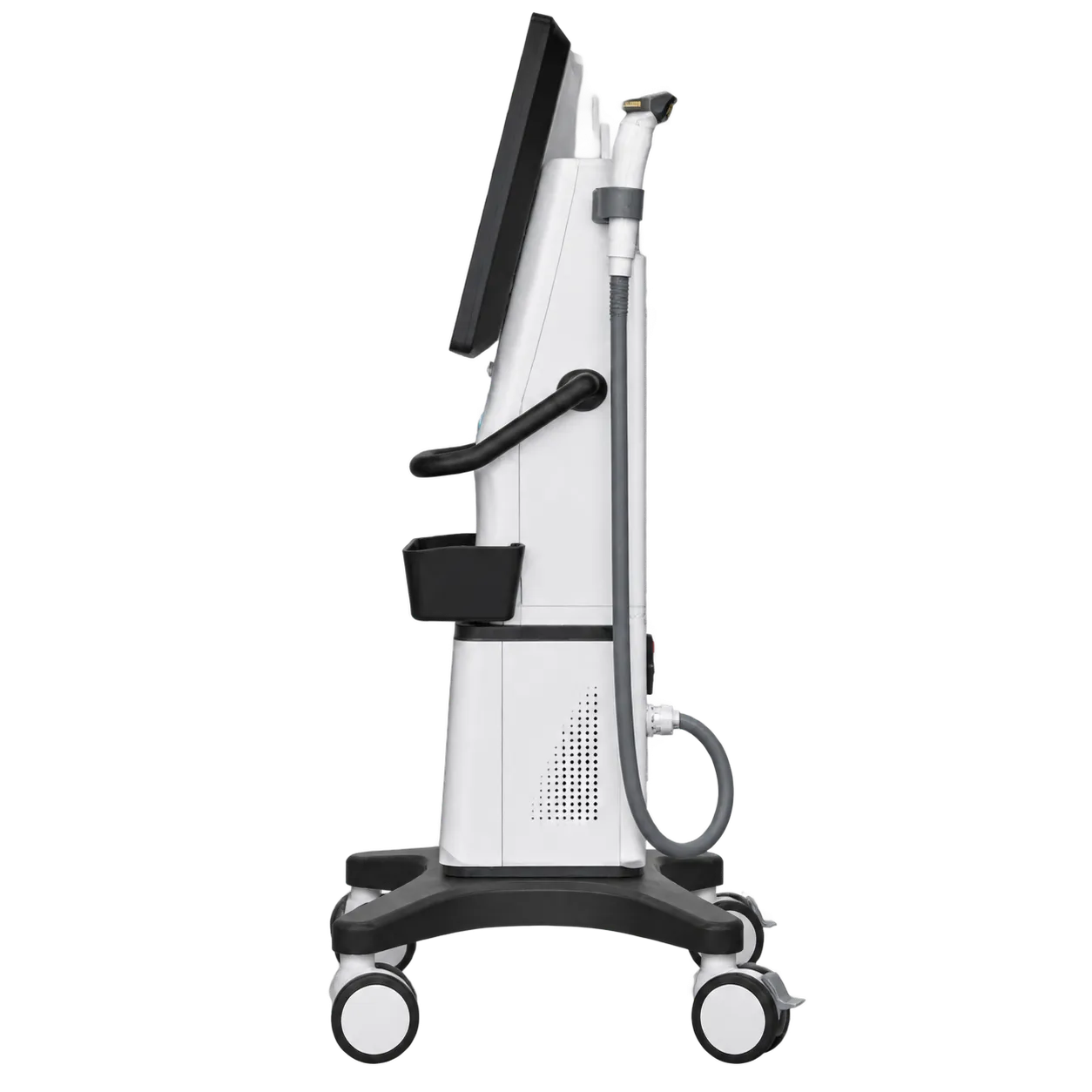
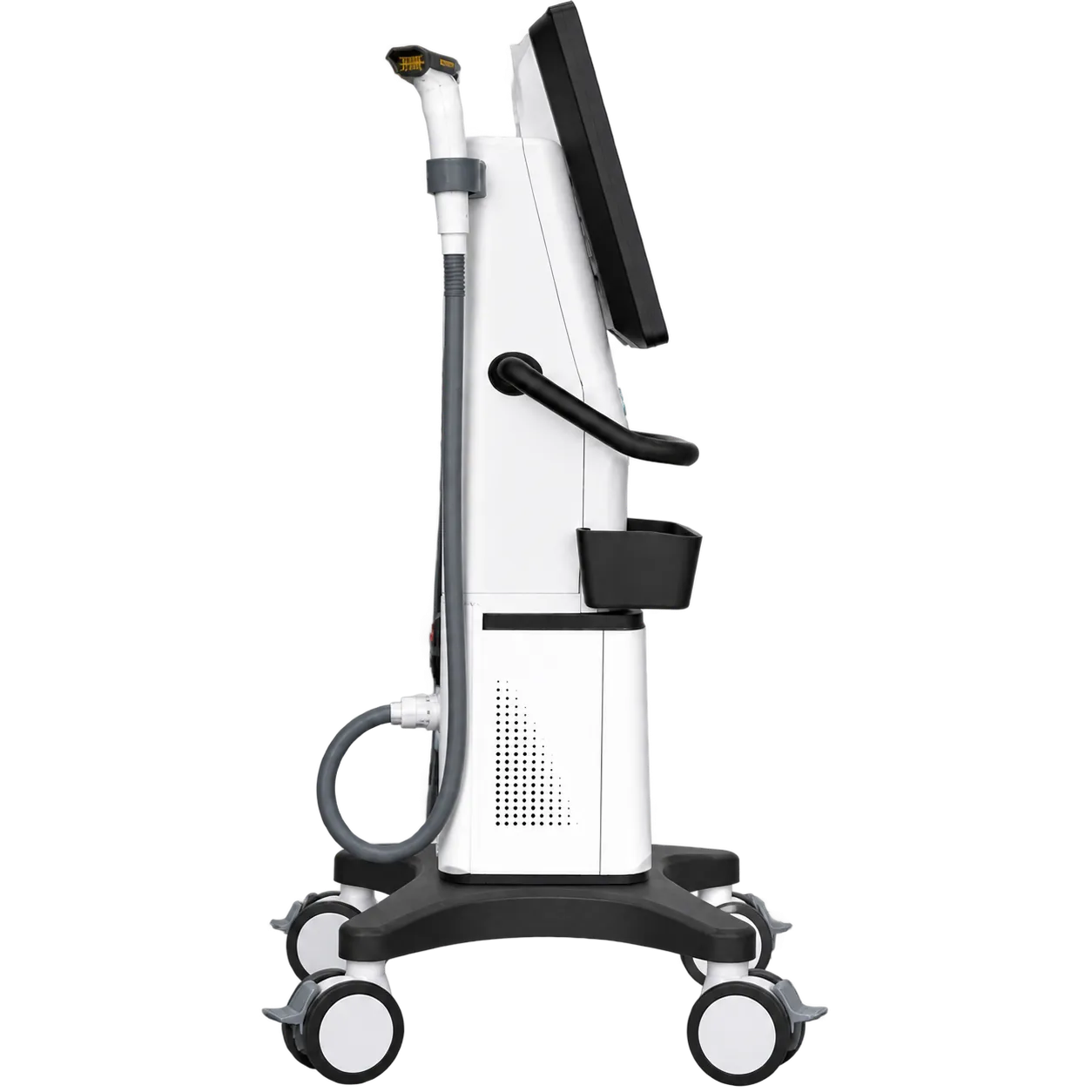
The VRF1 suits aesthetic clinics, dermatology practices and advanced skin studios offering collagen-focused treatments with and without needles. Two handles let one station cover two service lines: needle-based remodelling for scars and texture, and non-invasive tightening for clients who want no marks.
Acne scarring and enlarged pores are the core needle indications, along with fine lines, crêpey skin and stretch marks. Courses usually run to three or more sessions spaced four to six weeks apart, with photographs under consistent light at each visit. Combining the needle handle with subcision, where a practitioner offers it, suits tethered rolling scars. The non-invasive handle fills maintenance appointments and serves clients building up to needle work.
Darker skin types are a natural part of the caseload because published studies skew toward skin types III to V and report mostly temporary pigment change. Conservative settings and test areas still apply, especially on first visits.
Infection control shapes every session. Tips must be sterile and single-use, skin preparation and aftercare products must suit treated skin, and needle tips go straight into a sharps container for disposal as clinical waste. Treatment records should carry tip batch numbers, settings and products used. Screening for implanted electronic devices, bleeding risk, active skin infection and cold sores belongs on the consent form.
Outside the UK, needling treatments meet similar infection control, waste and premises requirements under local rules. The conformity documentation required for those purchasing routes is issued by the manufacturer and provided by the seller.