
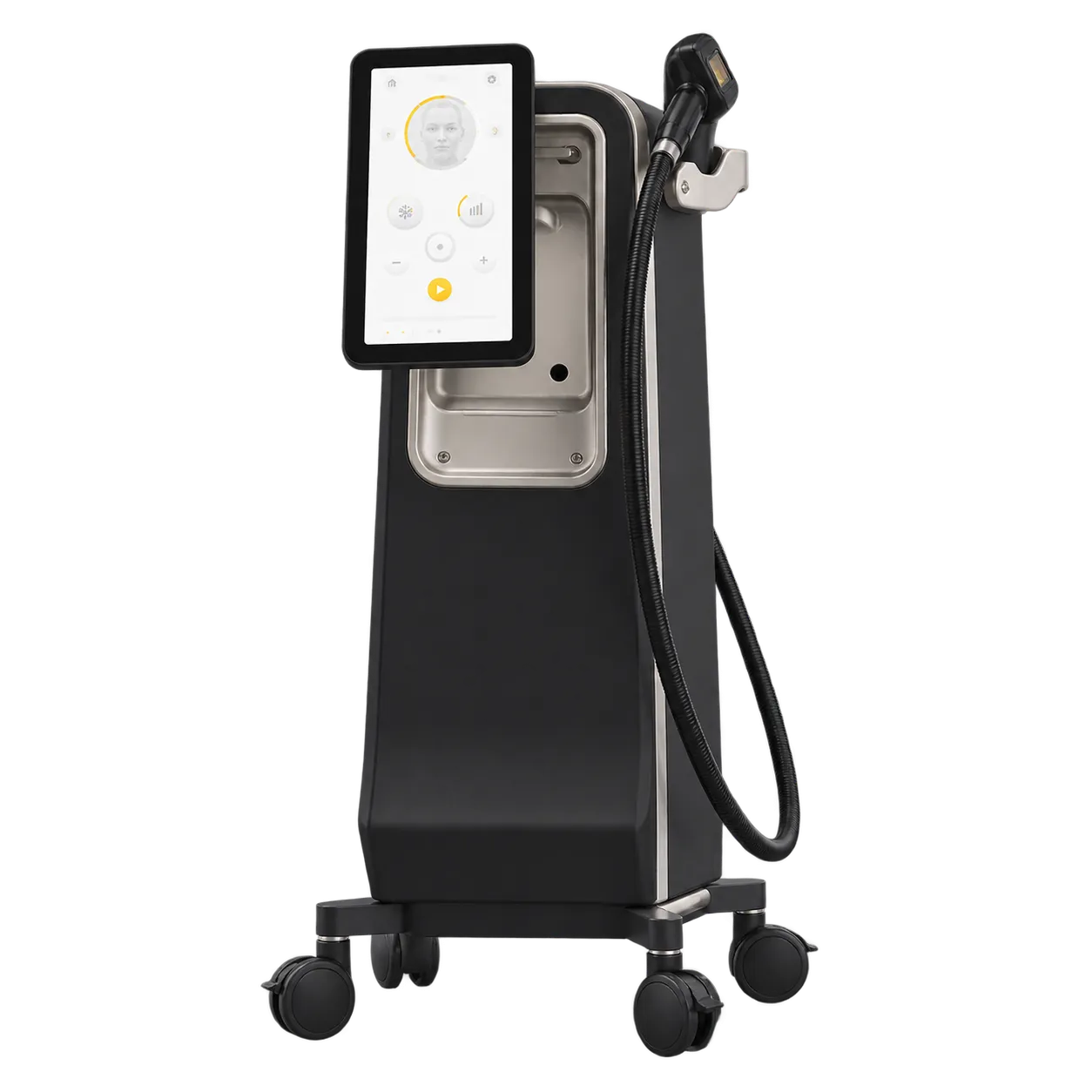
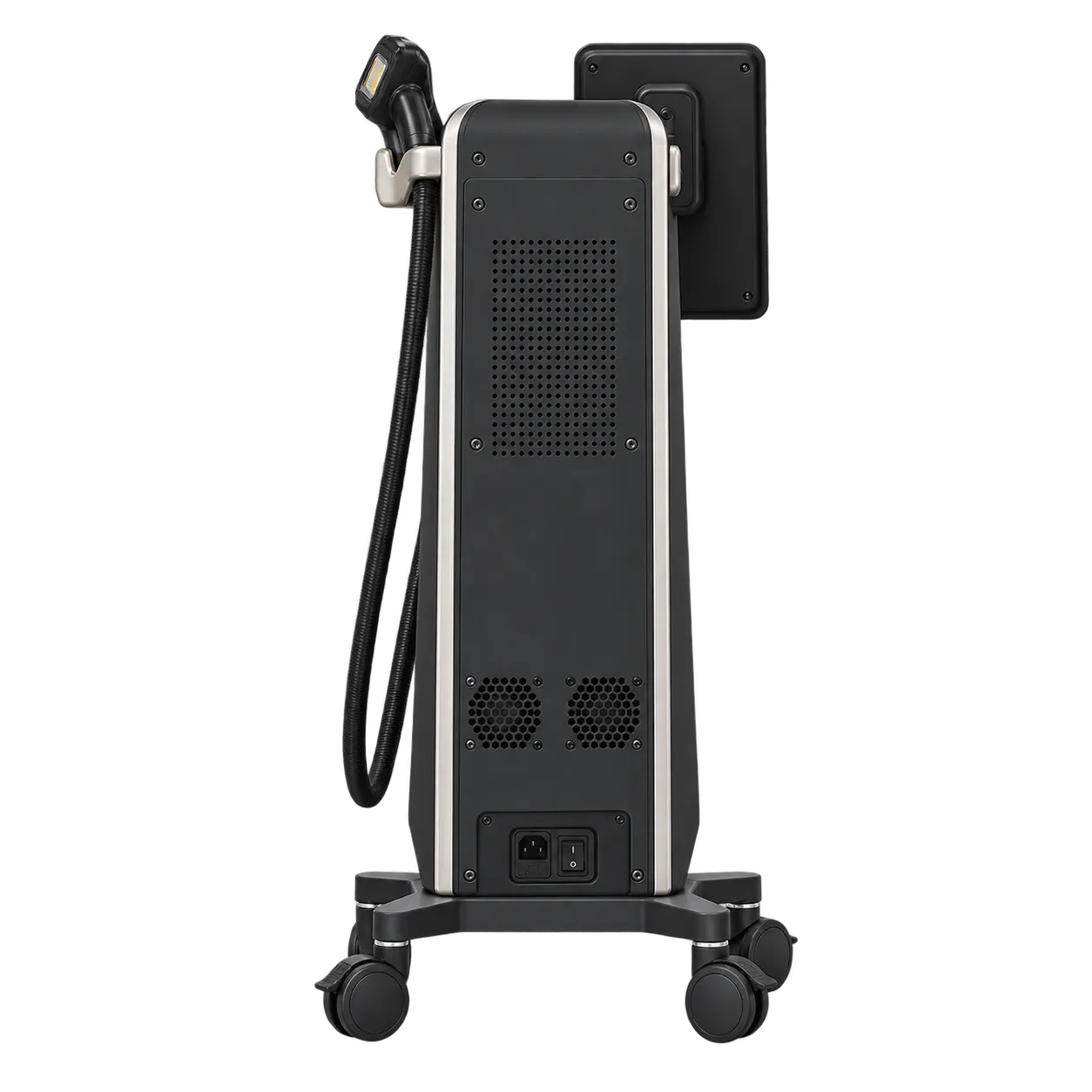
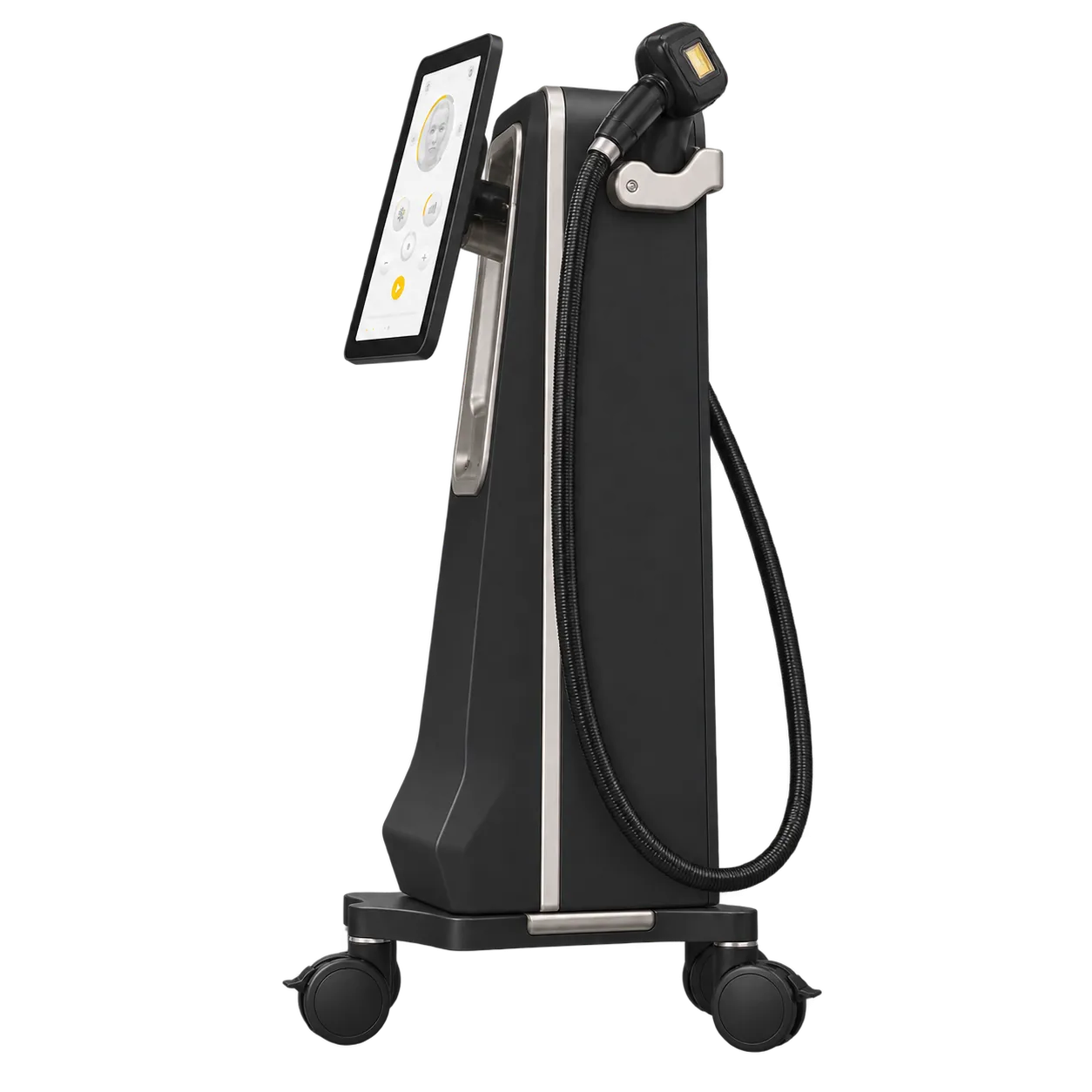
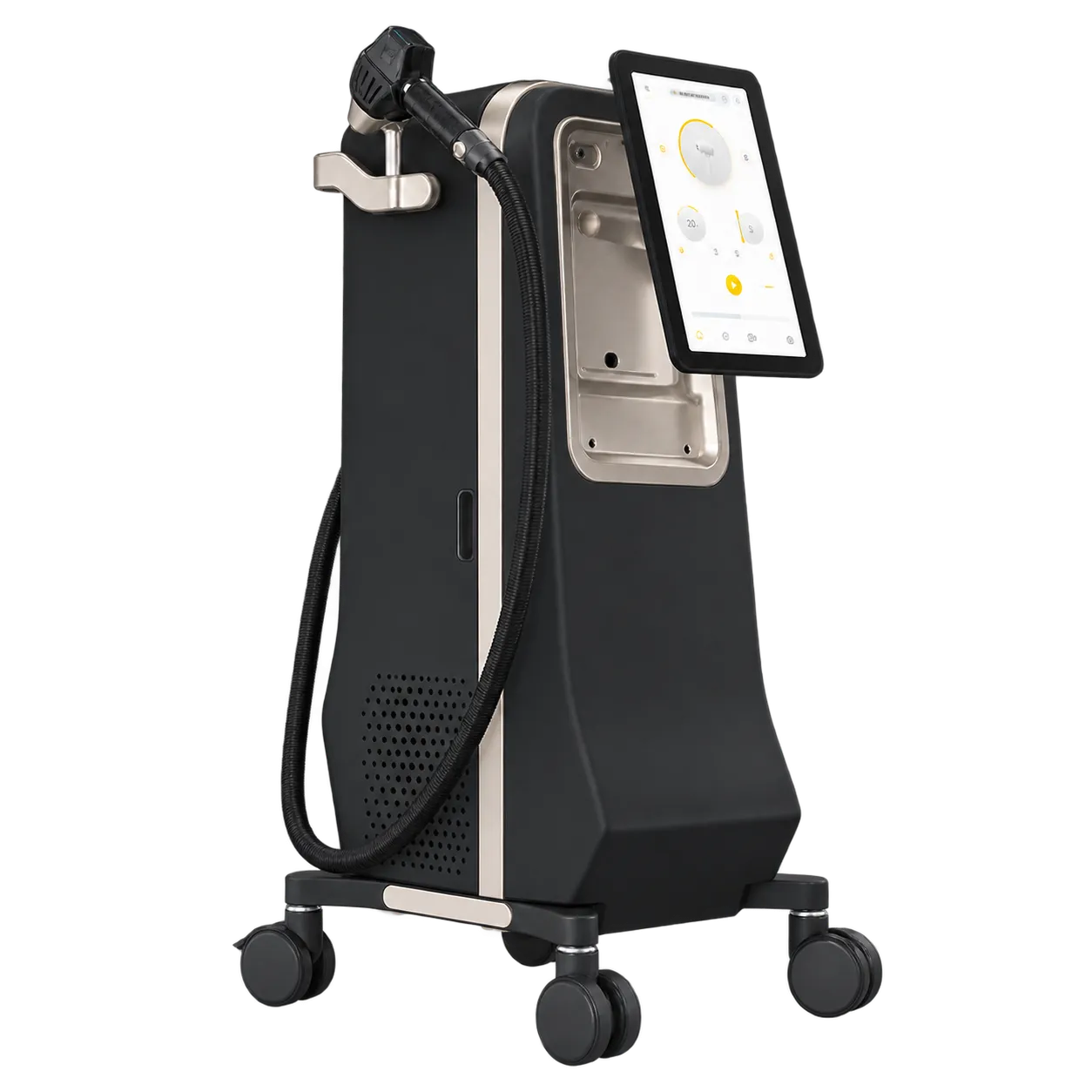
Aesthetic clinics and salons running hair removal lists are the buyers for a platform like this. Three wavelengths on one handpiece let a service work across skin types in the same session list, and the largest spot (12 × 40 mm) suits legs, backs, and other broad areas, while the 8 × 8 mm spot handles the face and smaller contours.
The licensing position decides where it can go. A London clinic will need its special treatment licence in place, with a Laser Protection Adviser appointed and local rules written for this machine. Welsh sites register with Healthcare Inspectorate Wales. In Scotland, independent clinics register with Healthcare Improvement Scotland. Councils elsewhere in England vary, so confirm the position with the environmental health team before ordering.
Client pathways matter as much as the settings. Skin typing, a patch test, and a documented consent conversation come before the first full session, and the record should show wavelength, energy, pulse duration, rate, spot size, and any skin reaction so a colleague can repeat or adjust the treatment safely.
Medical services considering it for anything beyond cosmetic hair reduction need a different conversation. Treating a diagnosed condition changes the device status, the professional indemnity position and the regulatory route, and this platform is presented for cosmetic work.
Private clinics and salons usually buy direct, while larger groups run new equipment past their insurer and their Laser Protection Adviser first. The conformity documentation required for those procurement routes is issued by the manufacturer and provided by the seller.