
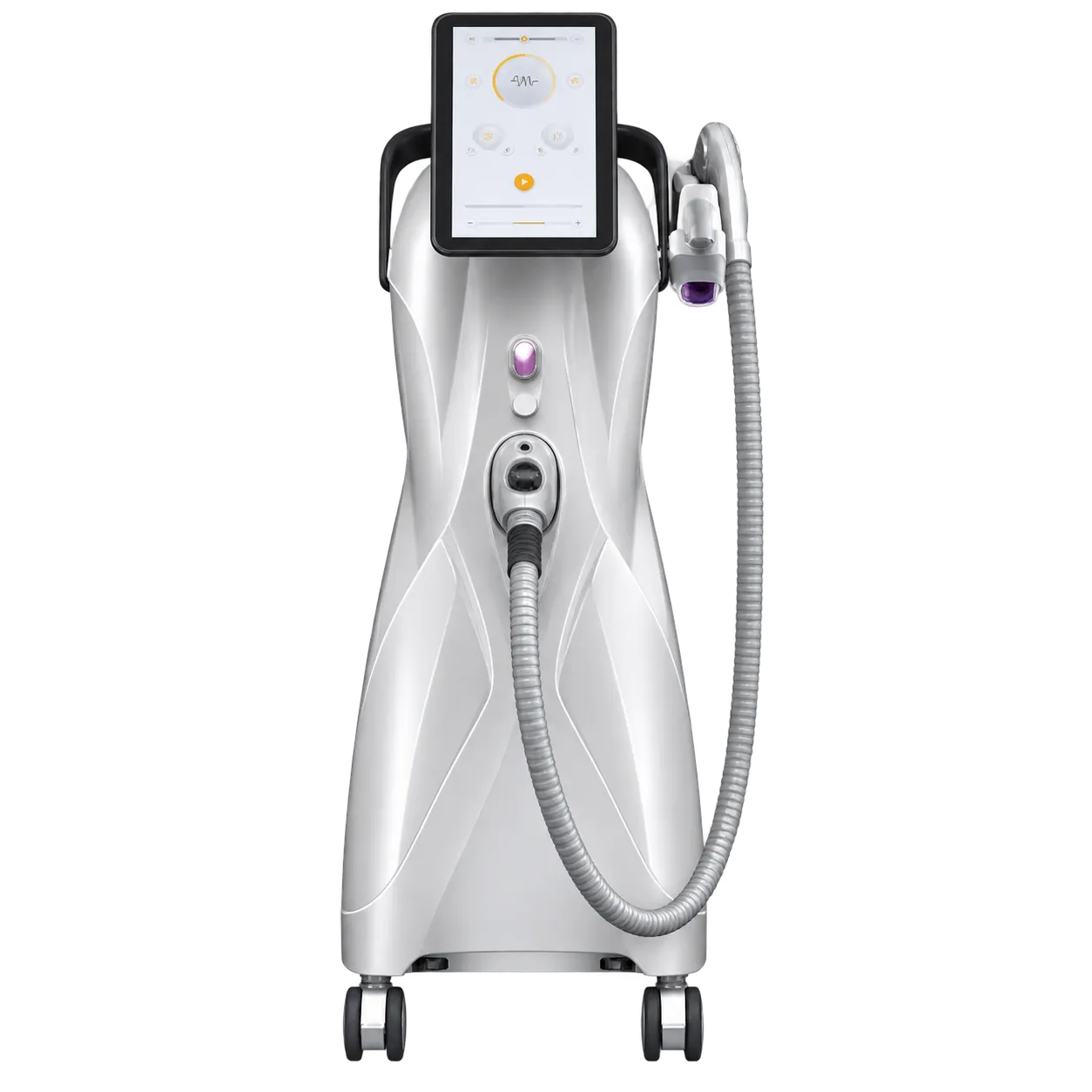
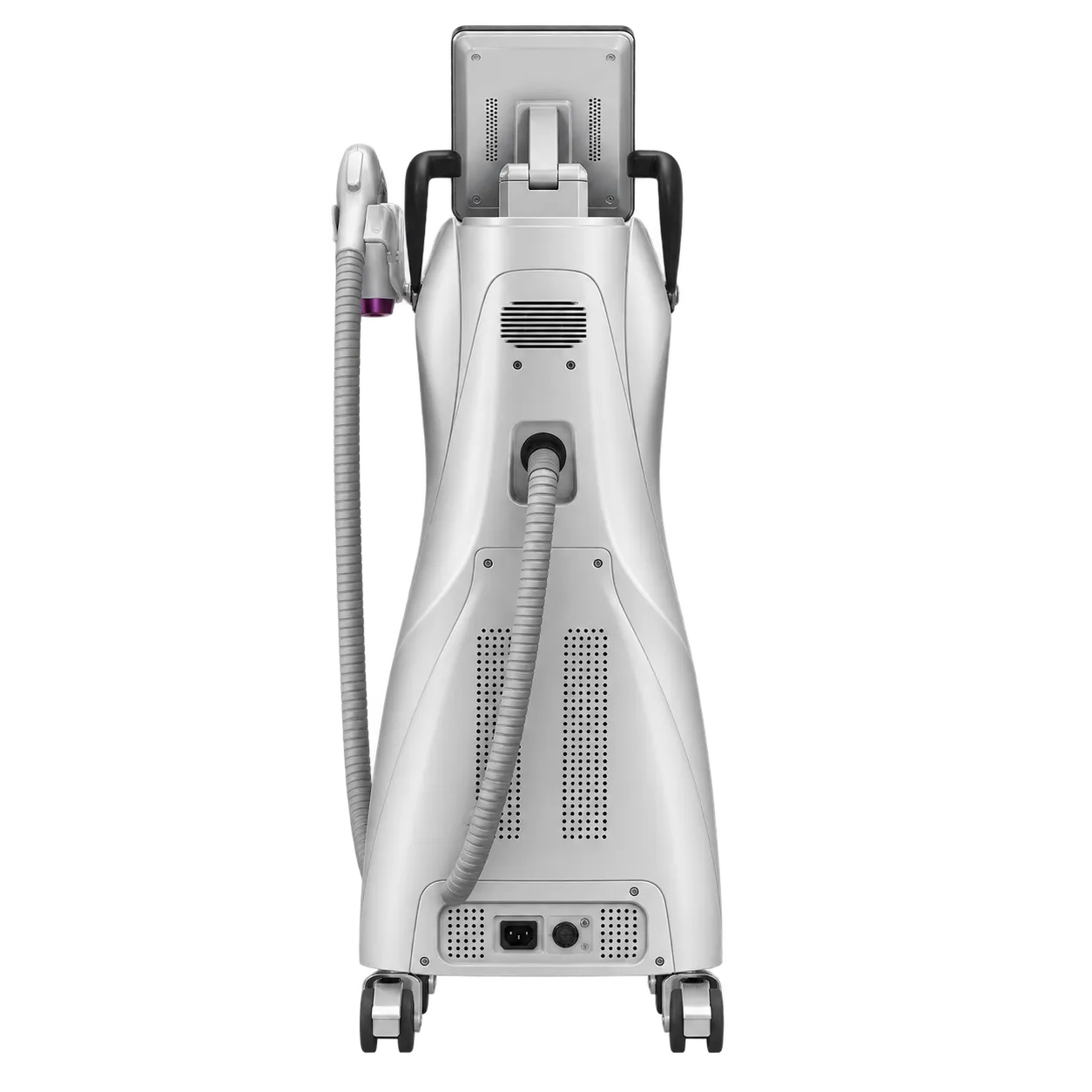
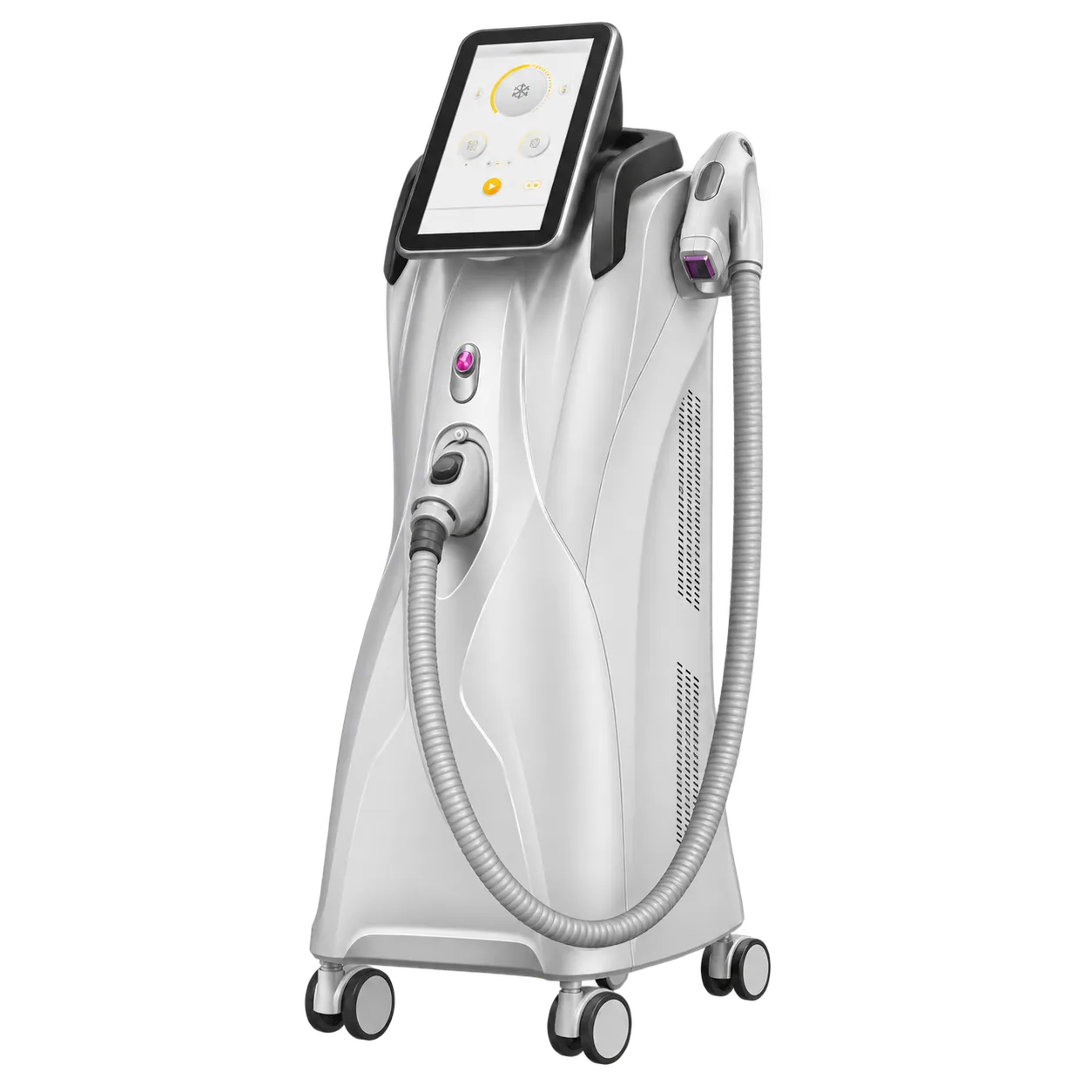
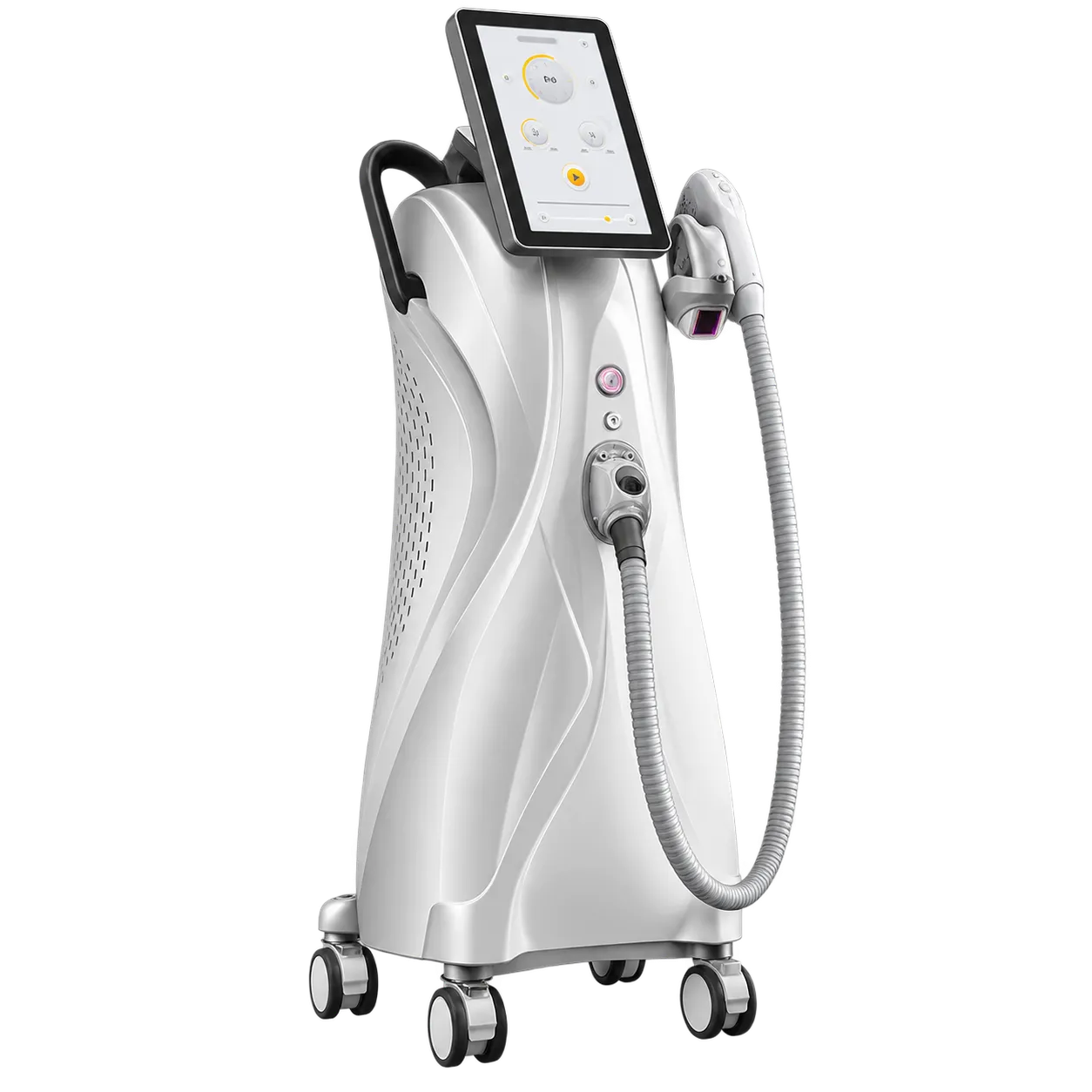
If the modality is confirmed as expected, the buyer is a salon or aesthetic clinic running hair removal lists, where large areas such as legs, backs, chests and arms carry the workload and smaller spots handle facial contours. Nothing about that use case can be planned properly, though, until the supplied wavelengths and spot sizes are known.
Skin typing is the part most exposed by the gap. A platform supplying four wavelengths can take a wide range of skin types, with the longest wavelength reserved for deeper tones. A single-wavelength machine cannot, and a service that has already advertised treatments for all skin types will have a problem it cannot fix after delivery.
Room planning is the second exposure. Without a weight, a footprint or a current draw, a buyer cannot confirm lift access, floor loading, socket provision or where the trolley parks between lists. Services fitting out a new room to date should hold the order rather than design around assumed figures.
Licensing is the third. A council licensing officer, an insurer and a Laser Protection Adviser will each ask for the specification and the conformity documentation. None of them will accept a model code alone, and applications submitted with gaps tend to come back rather than be refused outright, which costs weeks.
Single-site owners tend to buy direct; multi-site groups put the purchase through procurement. Either way, the conformity documentation comes from the manufacturer through the seller, and here it is the first thing to ask for, not the last.