
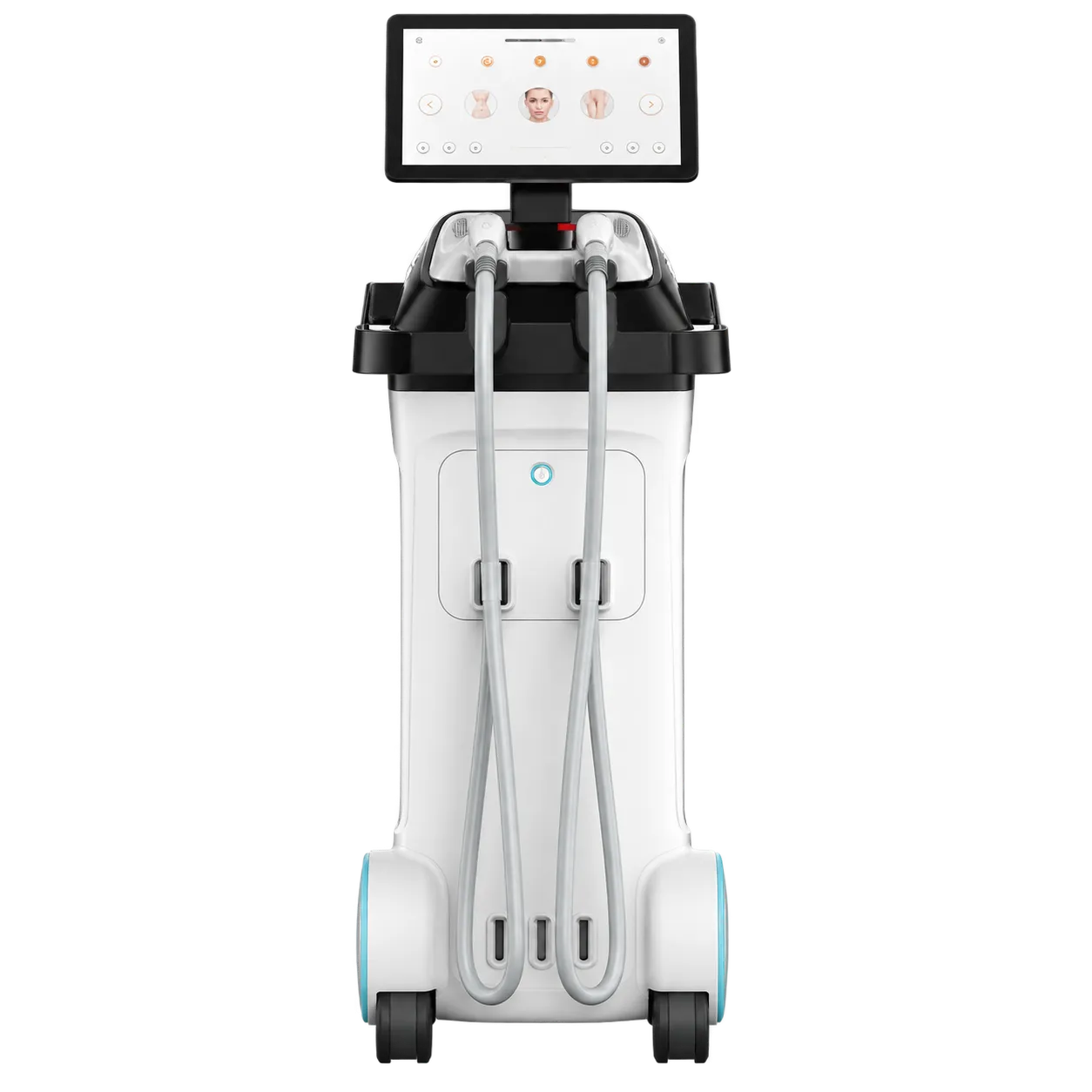

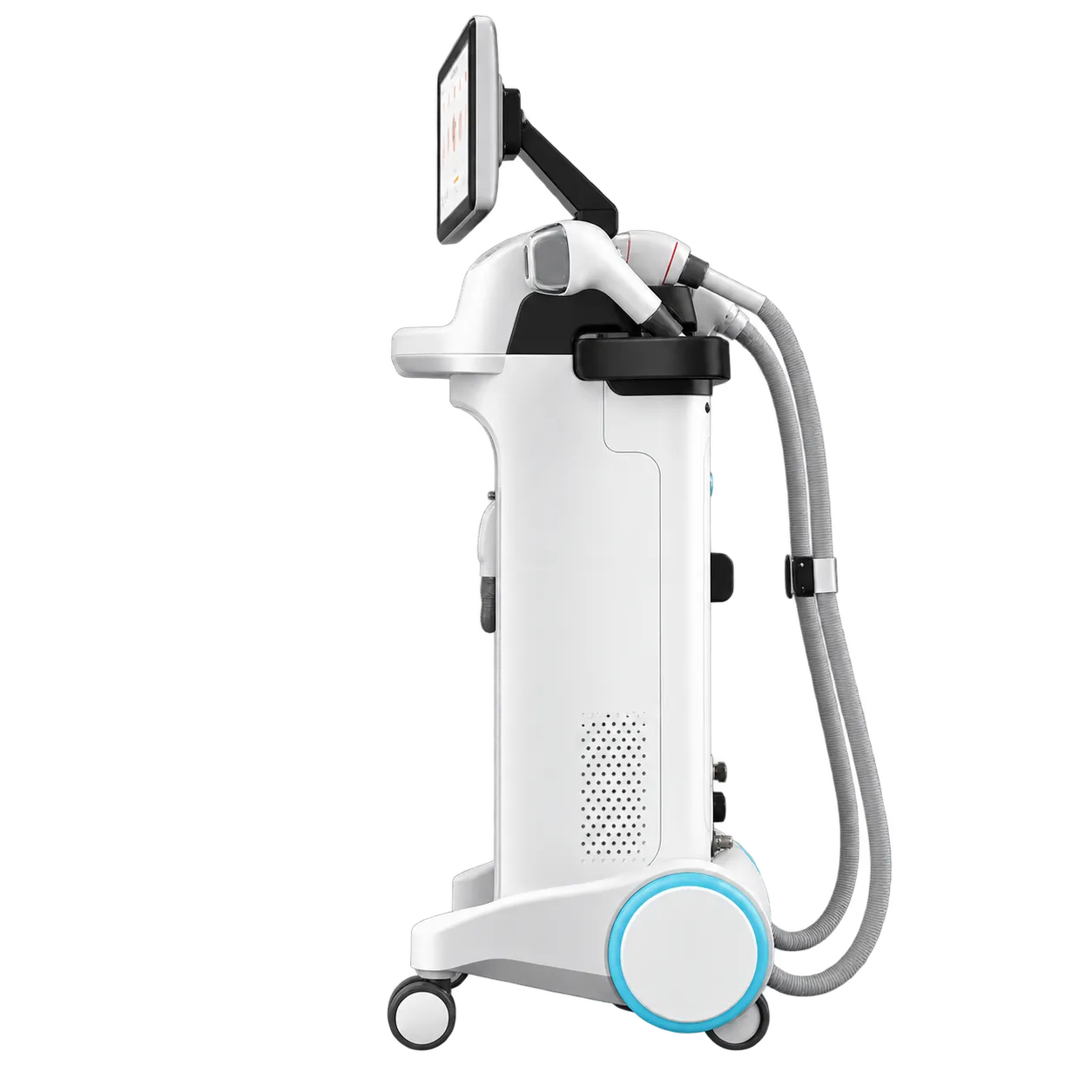
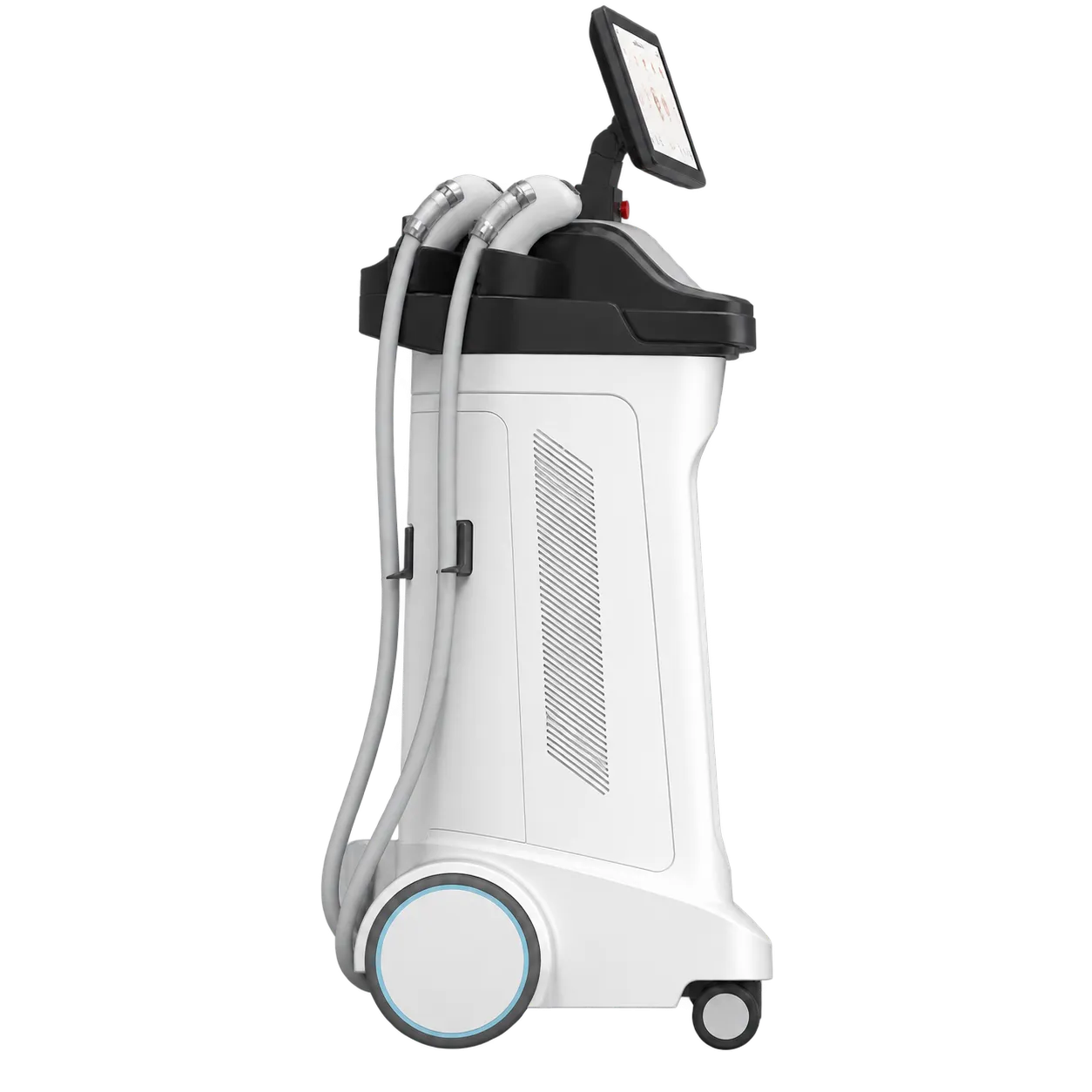
Aesthetic clinics, cosmetic dermatology services, and salons running full-course bookings are the buyers. The work is legs, backs, chests, underarms, bikini lines and faces, sold as a course, not a single visit, because only part of the follicle population responds at any one appointment.
The choreography is the same whoever is on the couch. Skin arrives shaved and clean, the operator picks the window for the area, everyone in the room puts on eye protection, the cooled window goes down, and the passes overlap until the area is covered. Then the aftercare sheet goes home, and the next appointment is booked to the published spacing.
Client selection sits in front of all of that. Dark hair on lighter skin responds fastest; darker skin types need the longer wavelength, lower starting energy,y, and more visits; and light, grey, or red hair will not respond at all. A tan, a recent holiday or a photosensitising medicine moves the appointment, not the settings. Published cohort work puts the highest complication risk on facial sites, recent sun exposure and the darker skin types, which is where a course most often needs slowing down.
Paperwork follows the same rhythm. Patch test, consent, baseline photograph, then a line in the notes for every area treated with the window, wavelength, energy, pulse width and rate. Where a site runs several operators, the training record against each name matters as much as the settings, because it is the first thing an insurer or a council officer asks to see. The manufacturer issues the conformity documents, and the seller passes them to the buyer.