
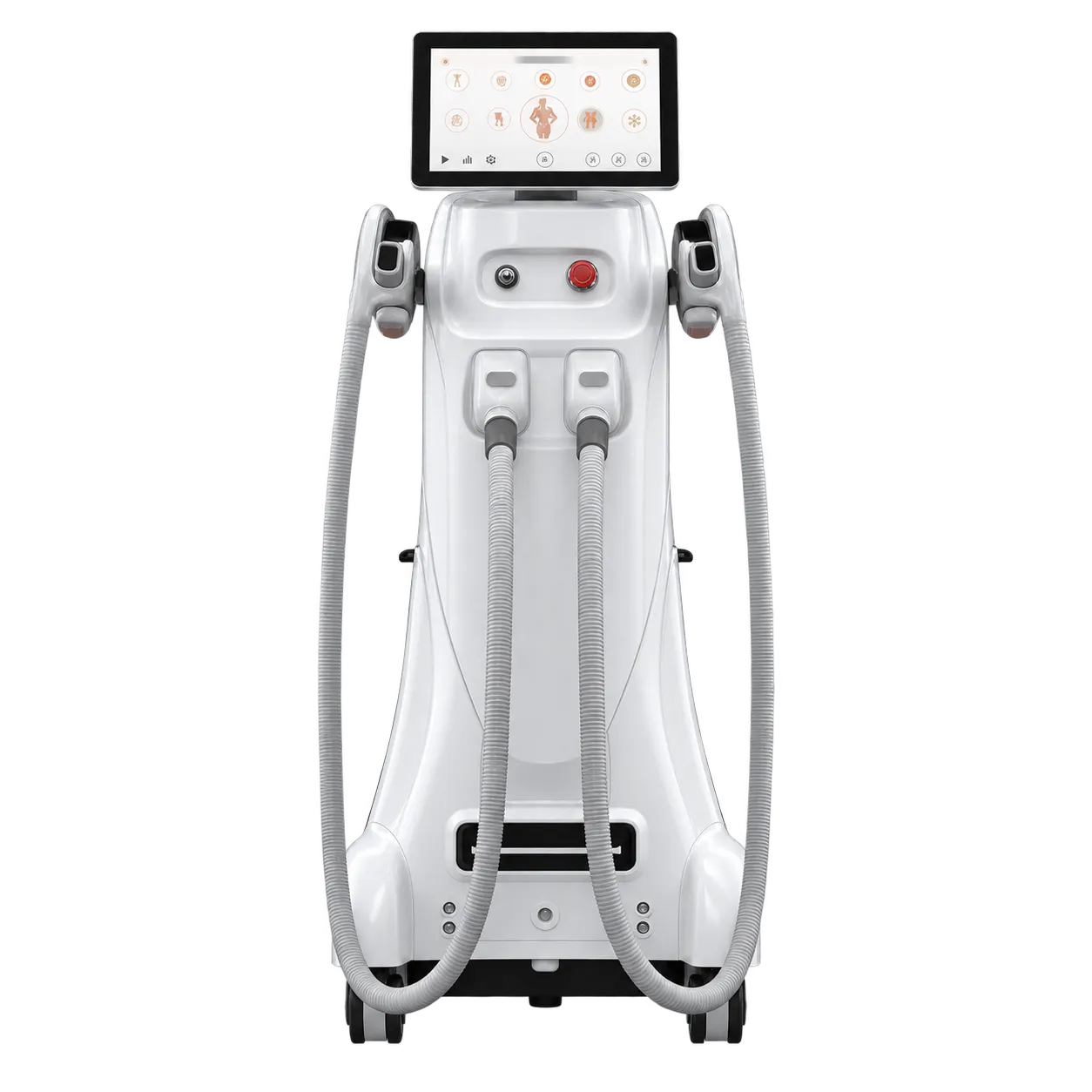
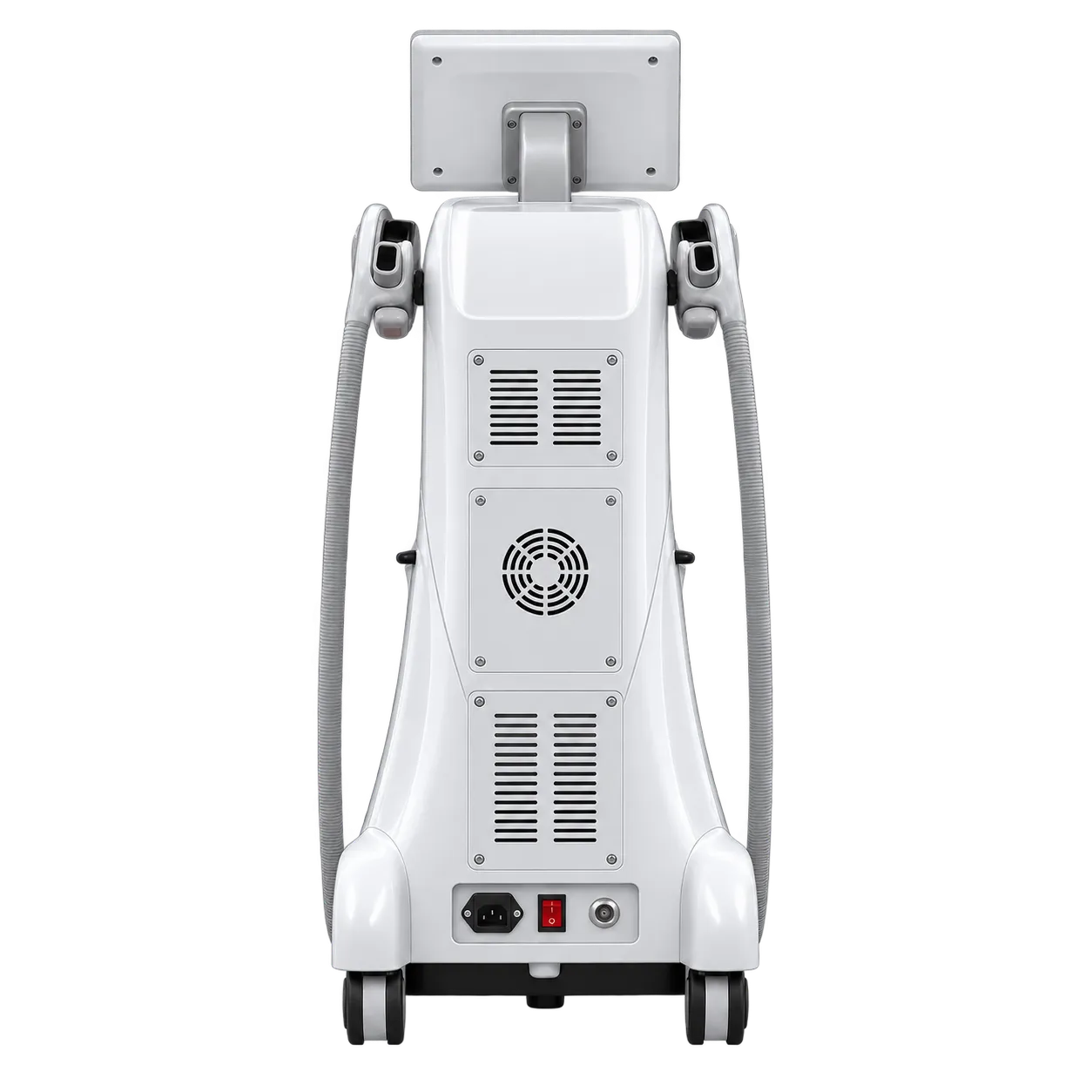
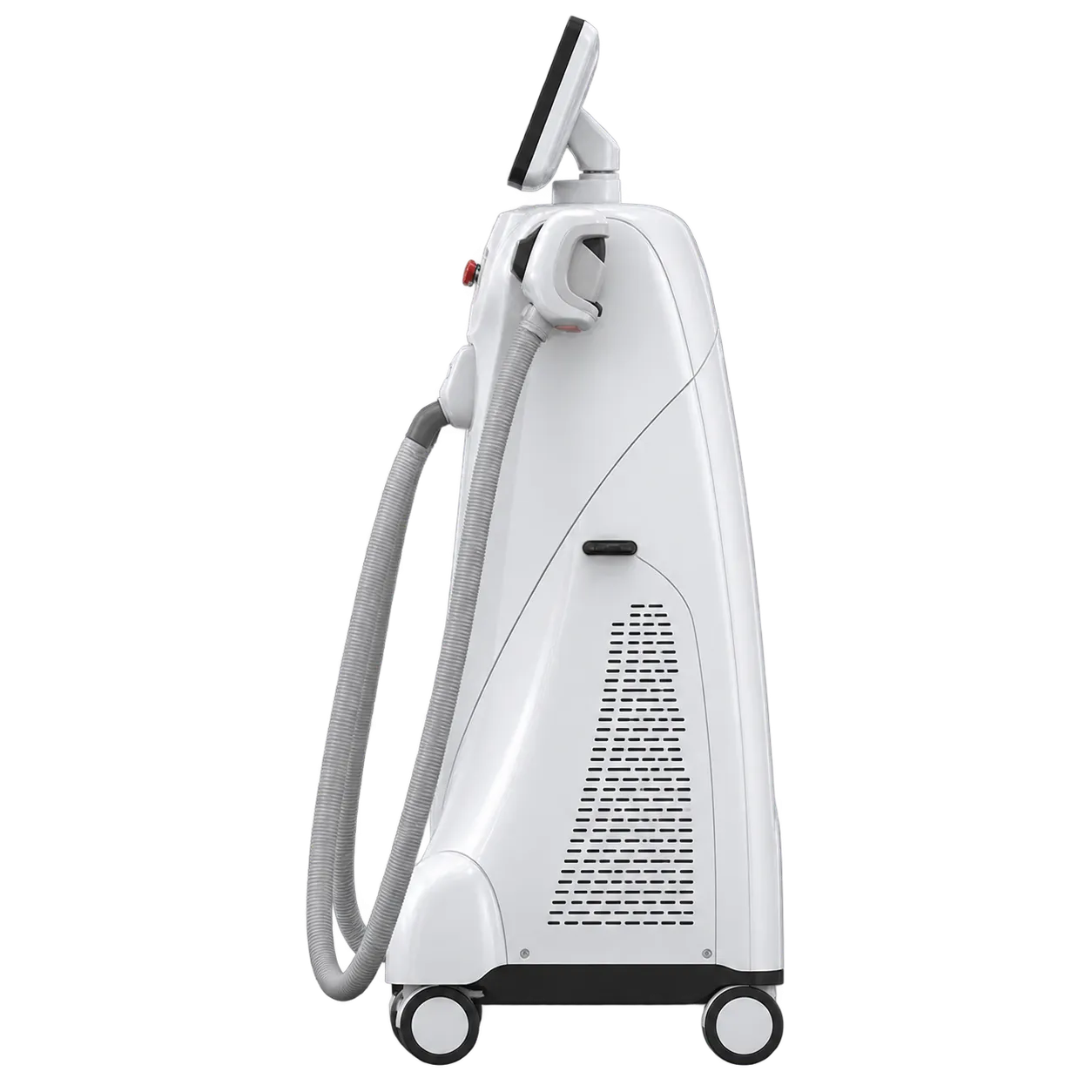
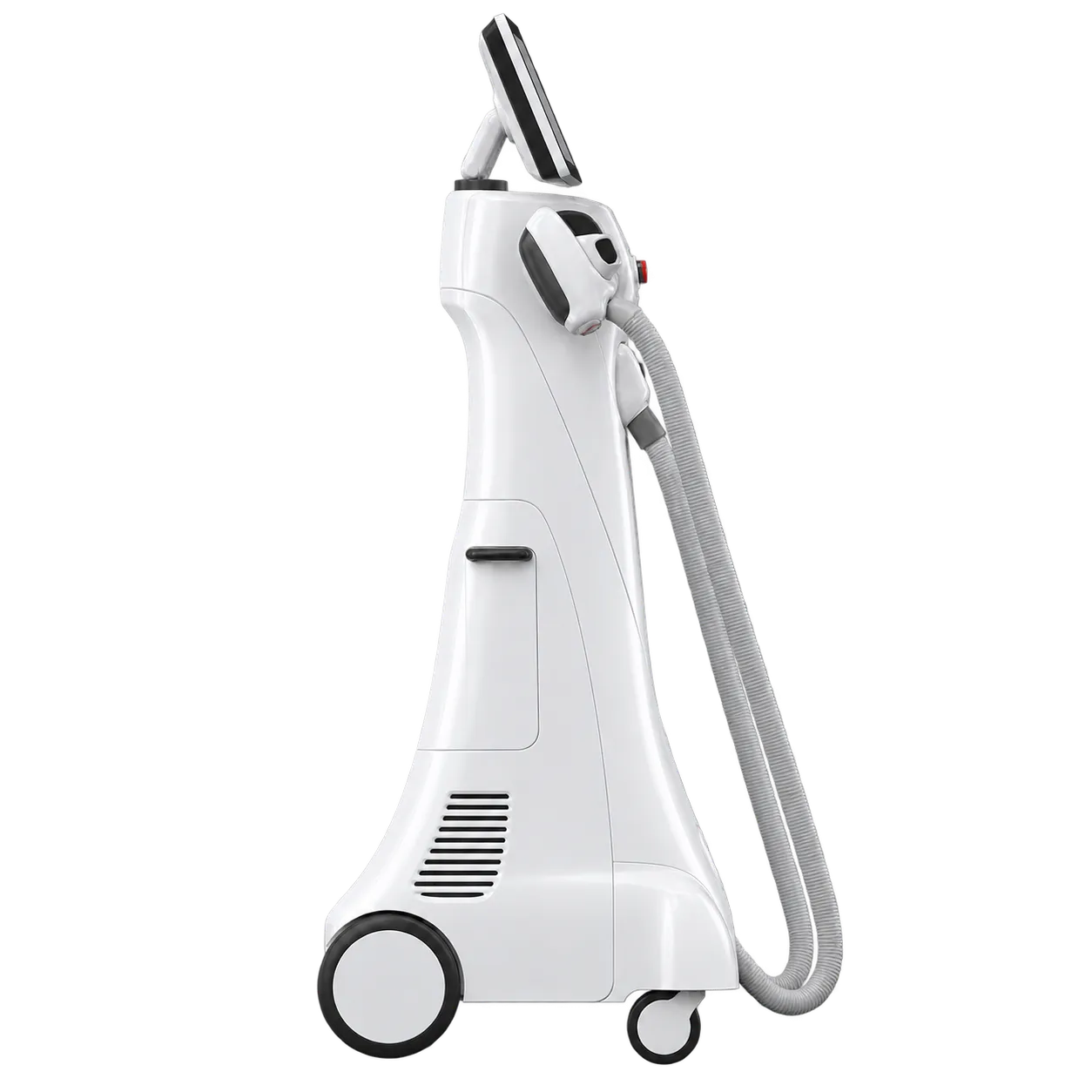
Aesthetic clinics, cosmetic dermatology services, and multi-room salons are the buyers, treating legs, backs, chests, underarms, bikini lines, and faces over a series of appointments. A platform with several handpiece positions suits a site running more than one room or more than one operator, because the machine is only as safe as the weakest user.
Client selection decides most of the risk. Dark hair on lighter skin responds fastest and carries the least risk; darker Fitzpatrick types need longer wavelengths and lower starting fluence, and light, grey, or red hair will not respond at all. A tan, a recent holiday or a photosensitising medicine each push a session back. Published cohort work puts the highest complication risk on facial sites, recent sun exposure and the darker skin types, which is exactly where a rushed first session does the damage.
Every appointment leaves a paper trail. Skin type, test patch result, wavelength, window, fluence, pulse width and rate all belong in the notes, with a baseline photograph and the signed consent. Where a site runs several operators, the register of who is trained on which handpiece matters as much as the settings, because that is the record an insurer or a council officer will ask for.
Room discipline finishes the job. The treatment area is controlled during emission, everyone present wears eyewear, extraction runs while the beam fires, and the room is ventilated between clients. Conformity documents come from the manufacturer, and the seller passes them to the buyer with the quotation.