
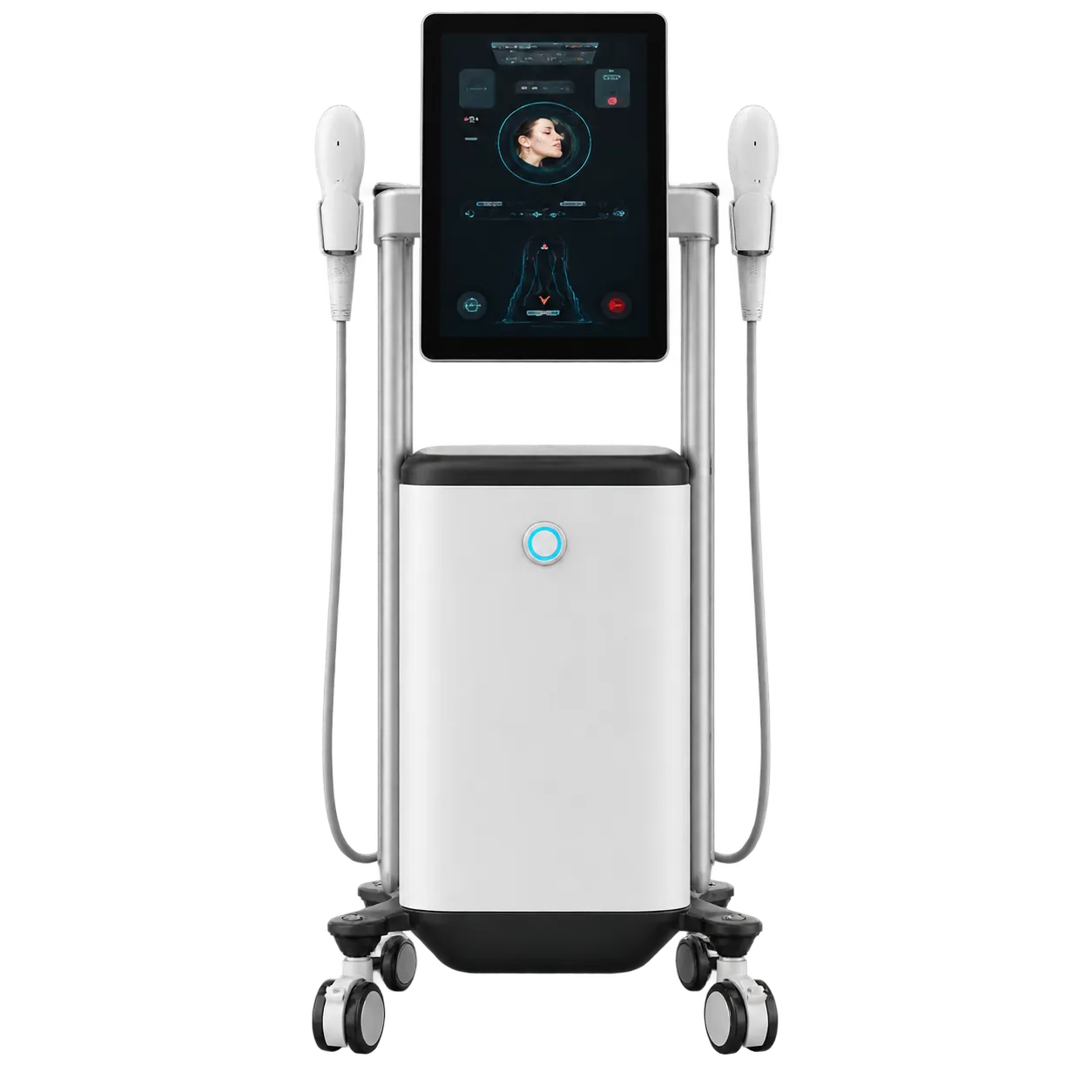
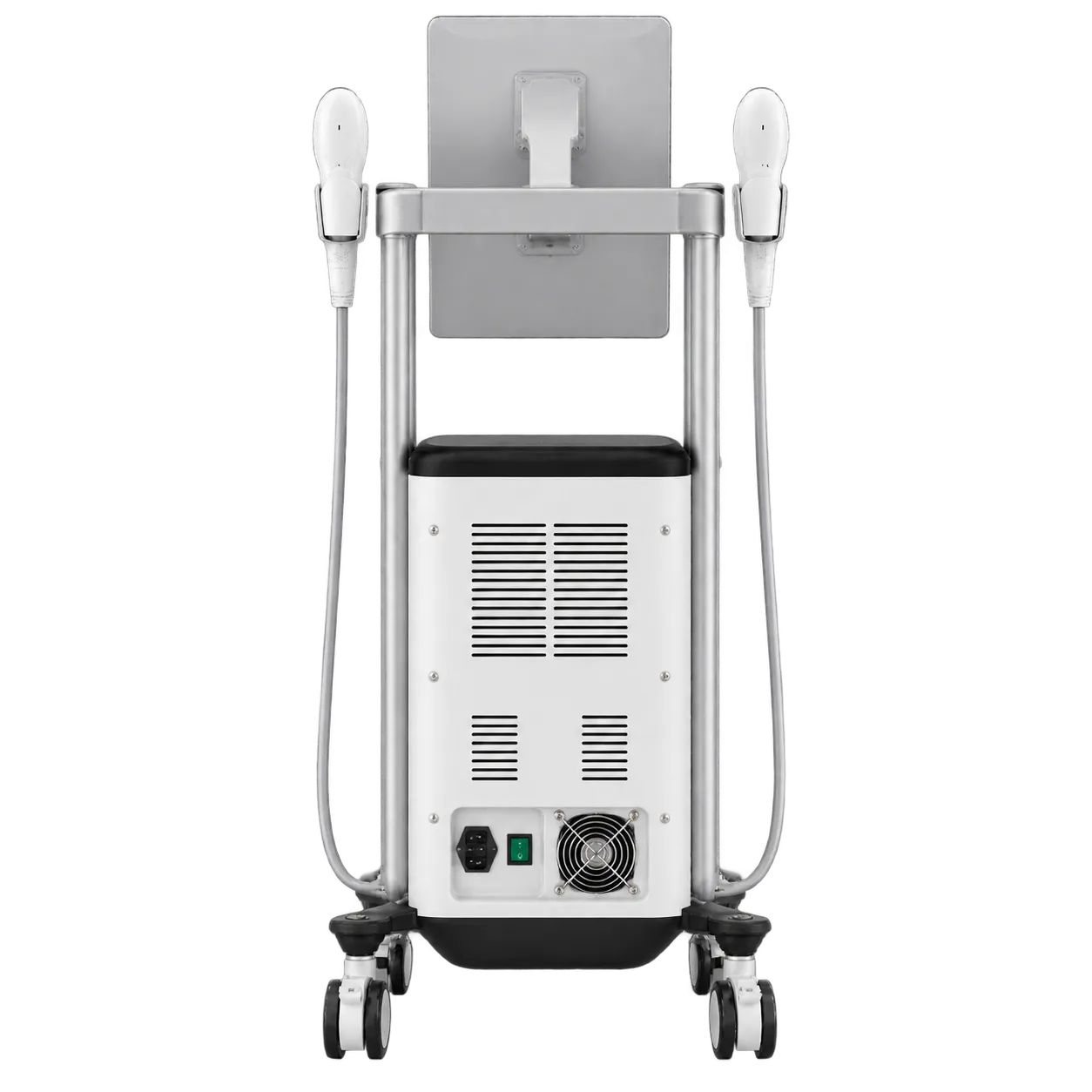
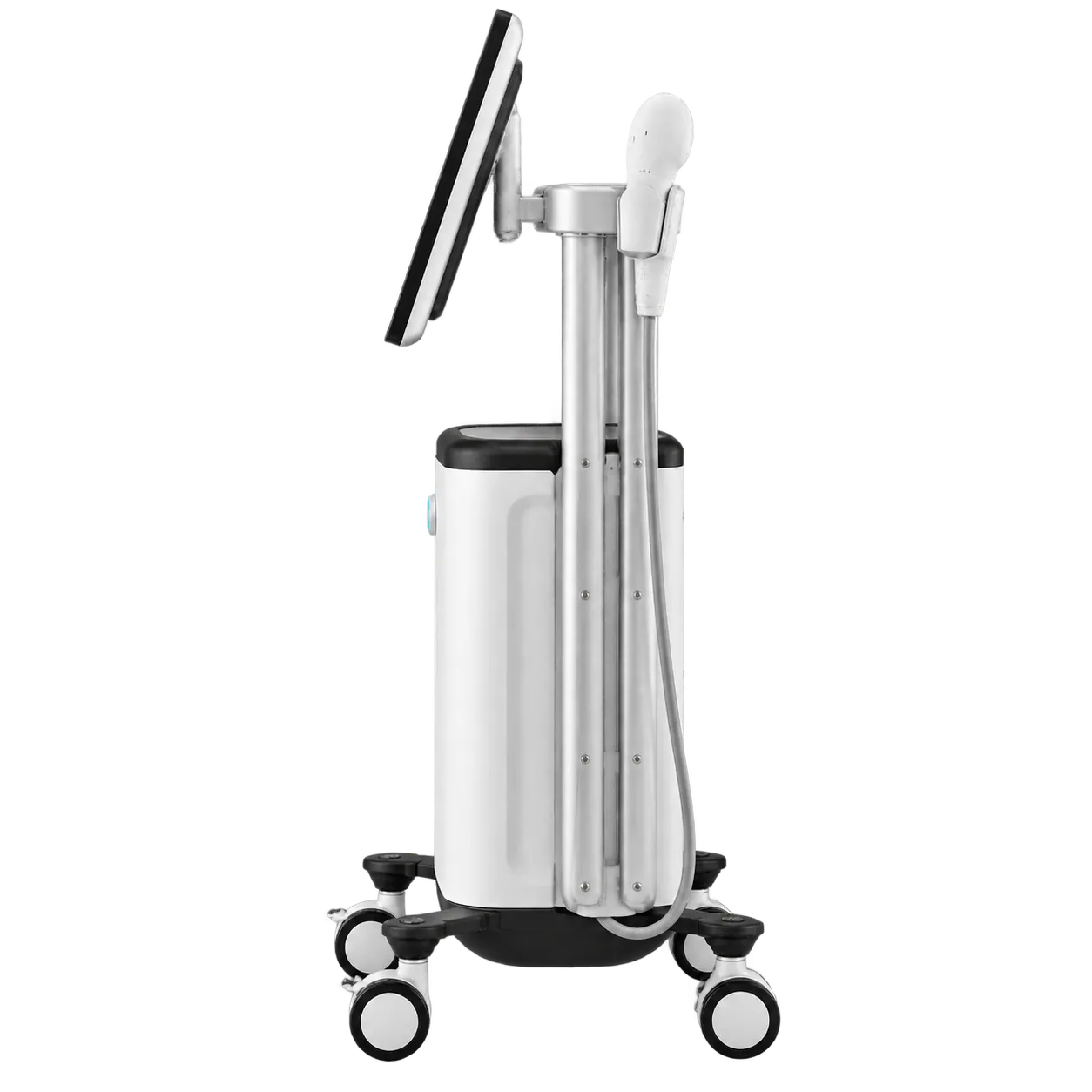
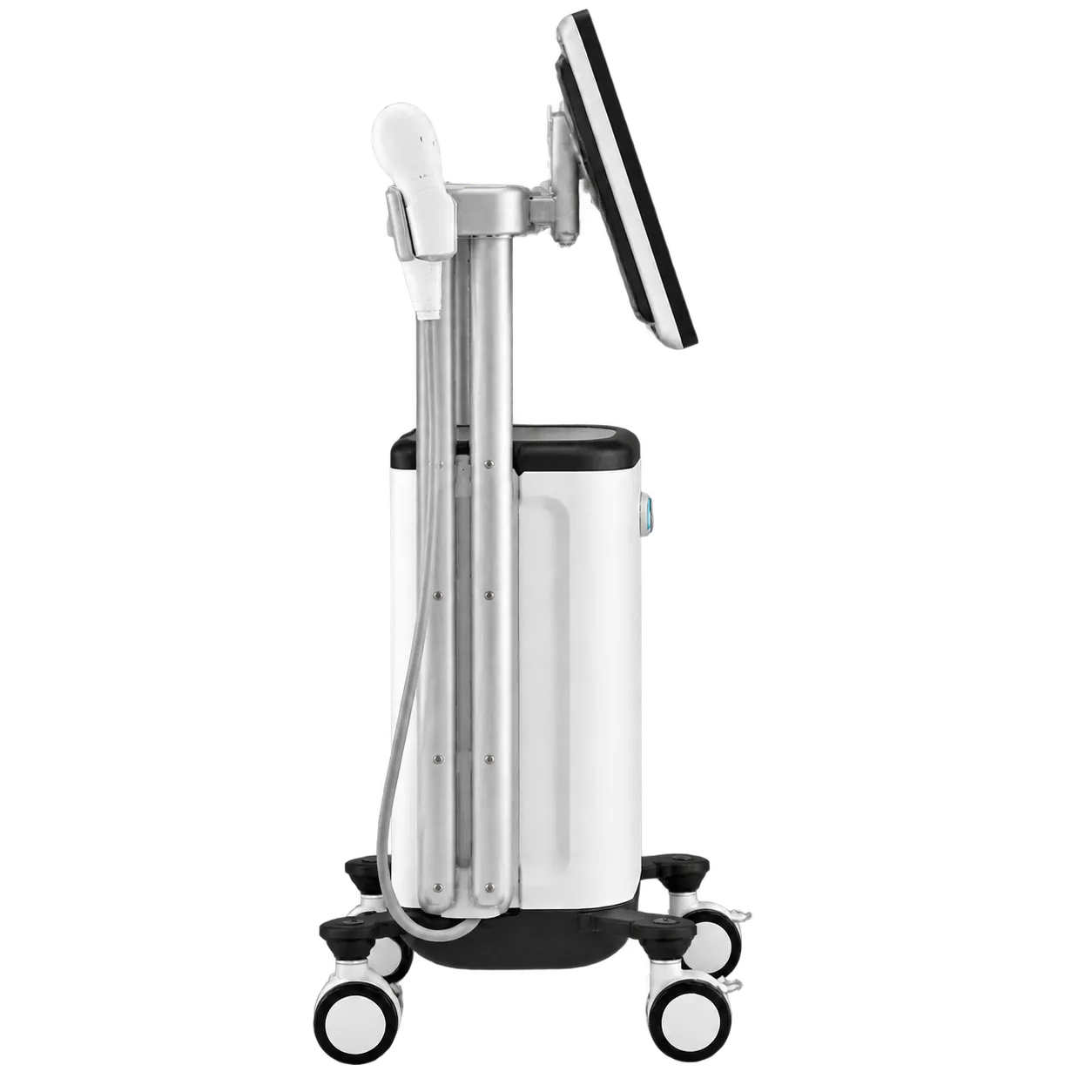
The lower face and neck are central to HIFU work. Softening along the jawline, early jowls, a loosening neck and mild sagging over the cheeks are the most common reasons clients ask for it, and the 4.5 mm SMAS depth combined with a 3.0 mm dermal pass is the standard pairing for those areas.
The brow and upper face follow. A modest brow lift, forehead lines and crepey skin around the eyes are treated at shallower depths, usually 1.5 and 3.0 mm, with careful mapping around the orbit. Results build over three to six months, so most practices schedule a review appointment at three months and avoid promising an immediate change. Before-and-after photographs taken under the same lighting make that review far more useful.
Body tightening and fat reduction are possible only with deeper cartridges or a body handpiece. Abdomen, arms and thighs are the usual targets, and any fat-reduction claim should be presented cautiously and checked against the regulatory position for the market where the practice operates.
The station suits aesthetic clinics, cosmetic surgery units offering non-surgical lists, dermatology practices and established salons with trained operators, a private treatment room and a habit of photographing and reviewing results. It is unsuitable for clients with heavy laxity or implanted electronics, and for any practice that cannot plan cartridge replacement. Obligations include screening records, operator training, a burns and complications procedure, cartridge line tracking and any registration the local council requires. The conformity documentation required for those inspection routes is issued by the manufacturer and provided by the seller.