
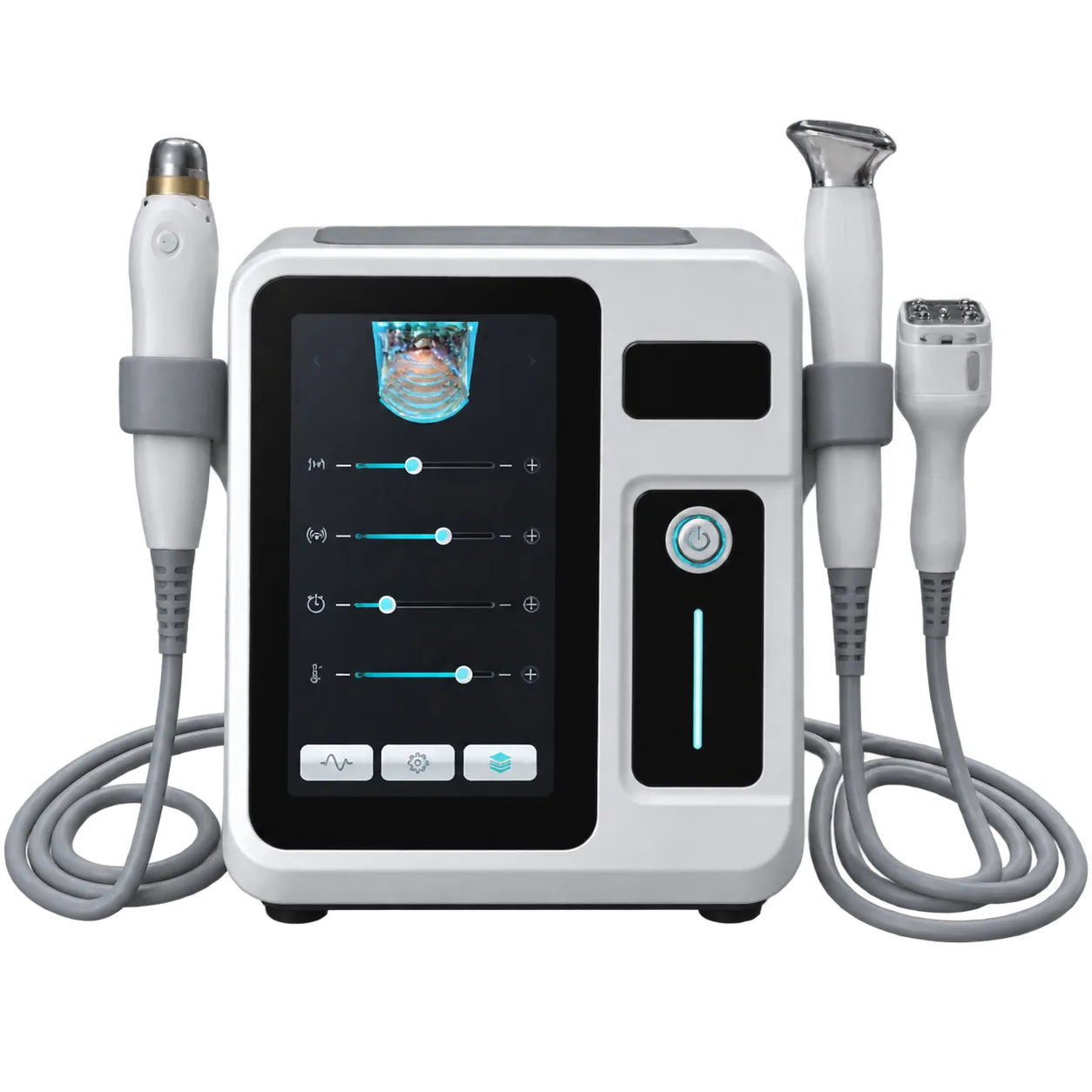
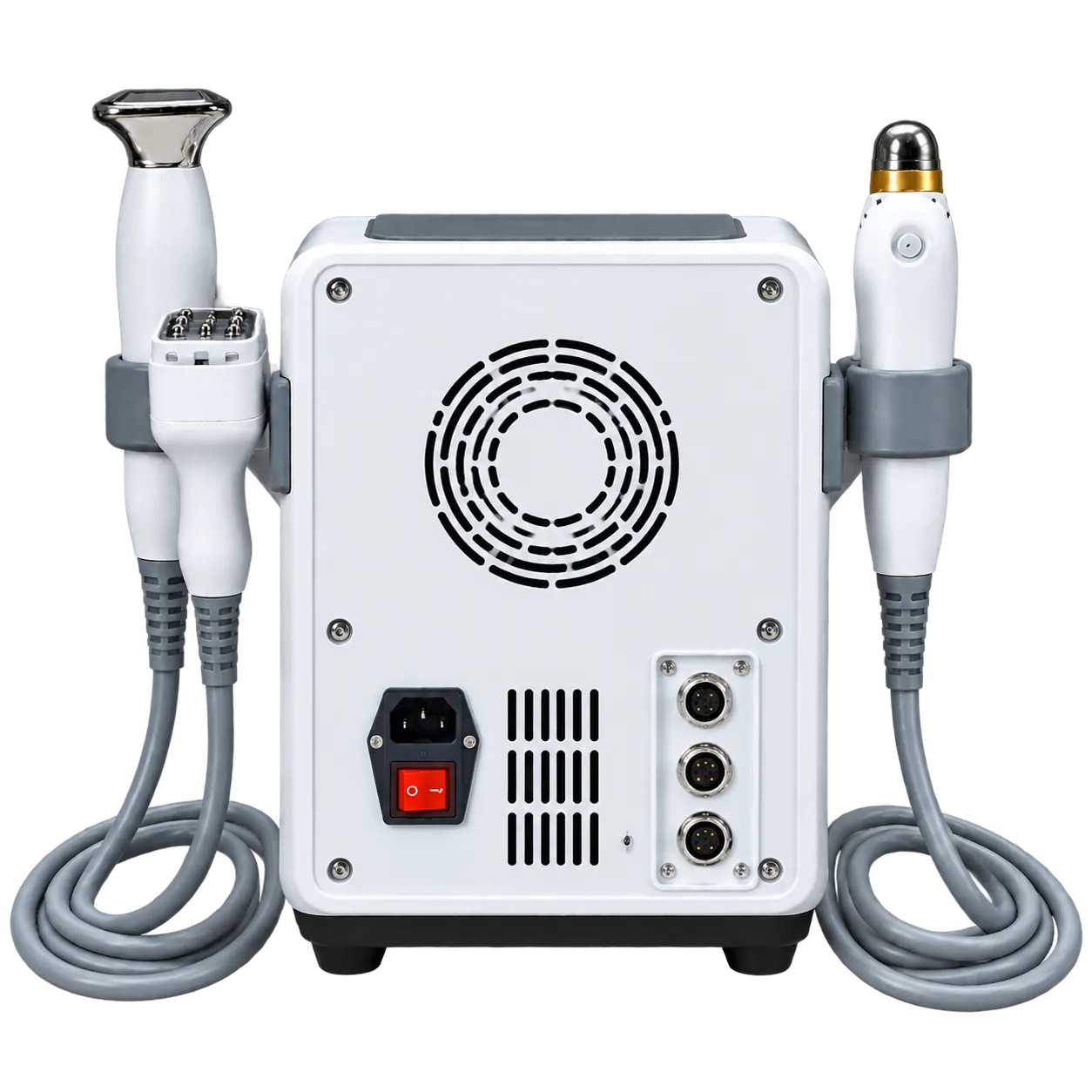
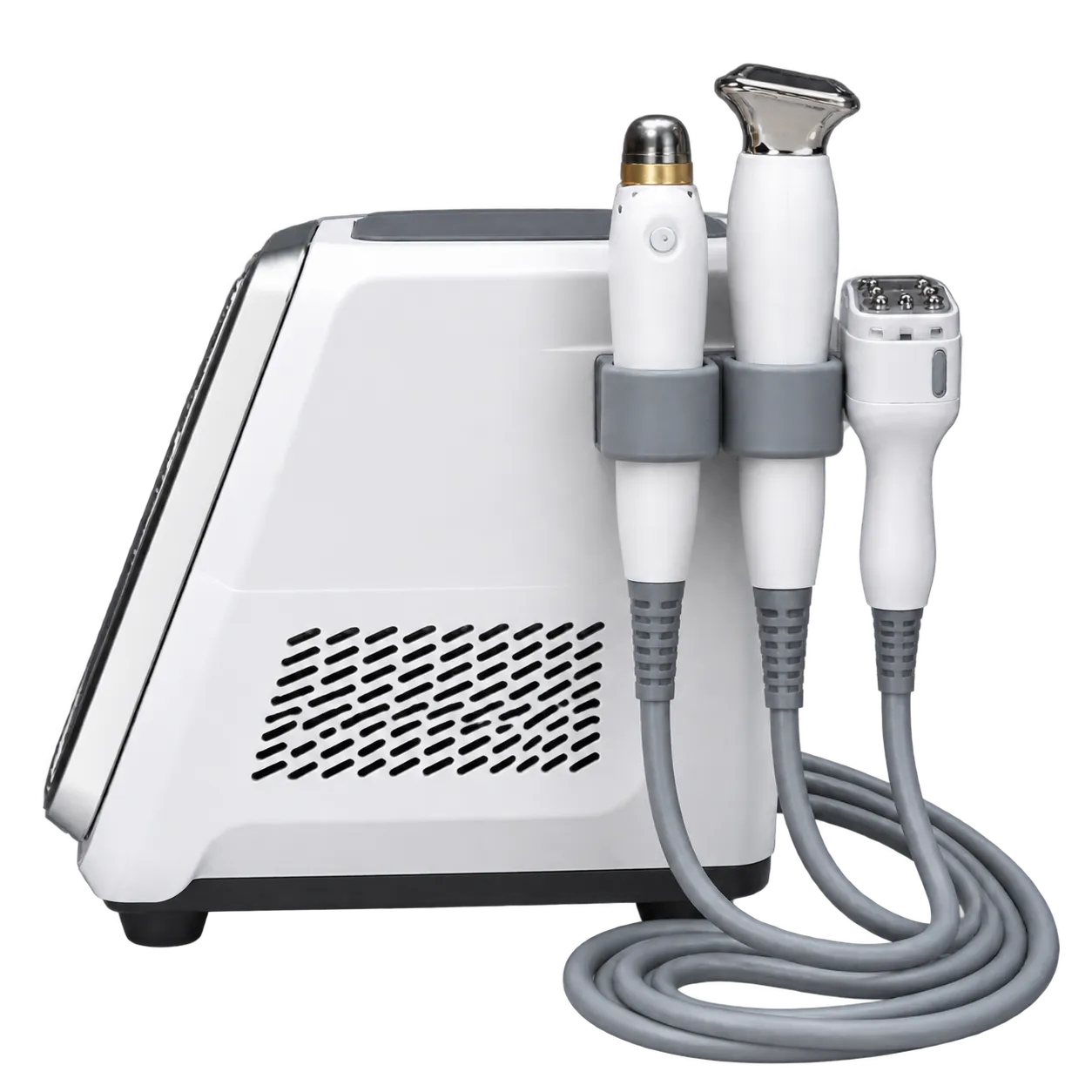
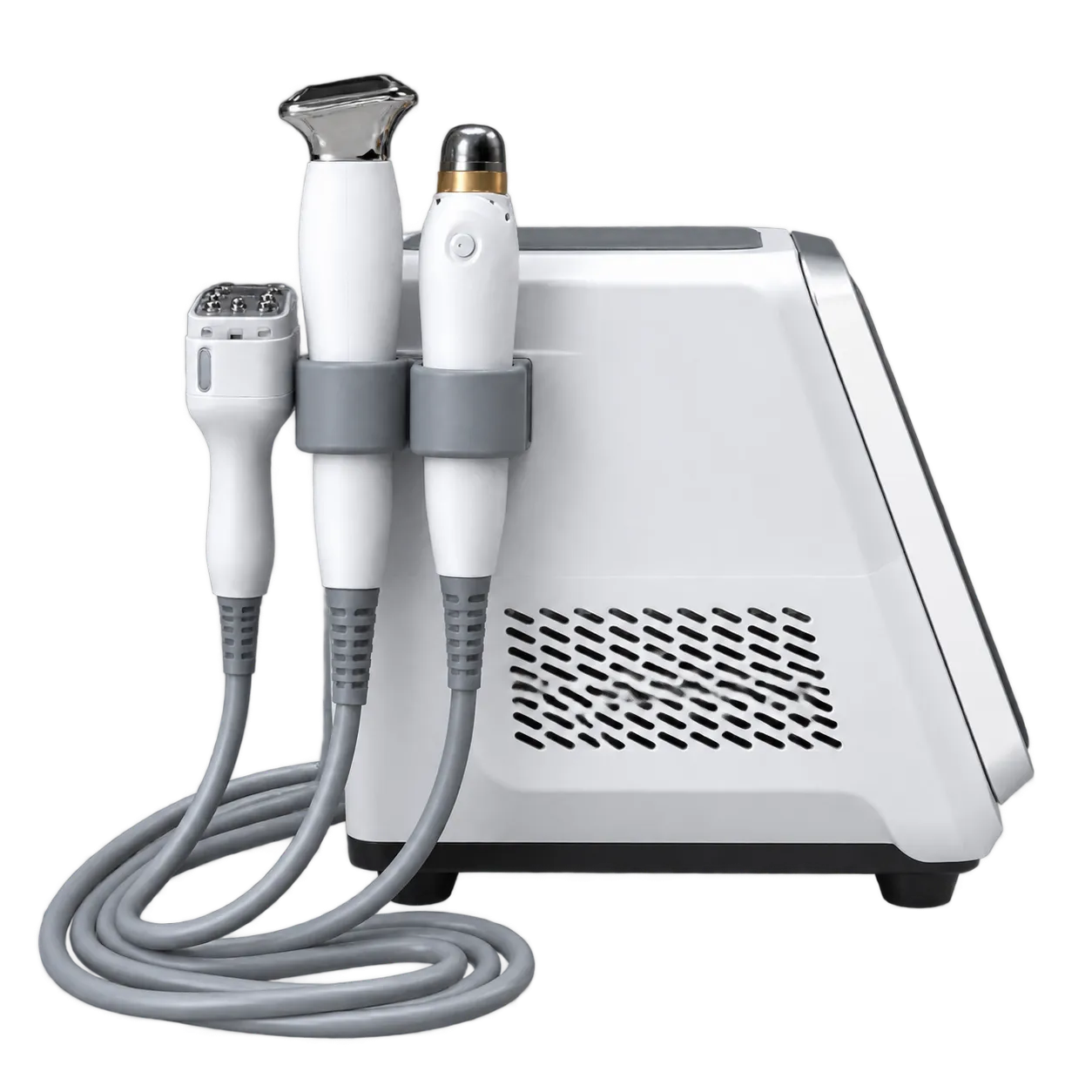
The TRF4 fits skin clinics, beauty rooms with trained practitioners and dermatology-led practices that want RF microneedling from a console small enough for a side table. Handles on both sides let the operator work from either side of the couch without reaching across the client.
Acne scarring and stretch marks lead the caseload, followed by enlarged pores, fine lines and crêpey skin. Most courses run to three or four sessions a month or so apart, with photographs under the same light at each visit. The matrix head listed at platform level suits broader, shallower work, and the microneedle tips suit scar-focused treatment at chosen depths.
Supply planning is where this service succeeds or stalls. Each needle session consumes a sterile tip, so the clinic should hold enough stock to cover several weeks of bookings, record batch numbers against each client, and know exactly how long reorders take. Handles need cleaning between clients with a product the manufacturer approves, and their service interval should be known.
Screening and aftercare follow the same pattern on every visit. Active skin infection, cold sores, implanted electronic devices, bleeding risk and pregnancy are checked on the consent form, and aftercare covers gentle skincare, sun protection and warning signs. Each spent tip is dropped into a sharps bin and leaves as clinical waste.
Beyond the UK, needling services face comparable infection control, waste and premises rules set by local authorities. The conformity documentation those purchasing routes require is issued by the manufacturer and provided by the seller.