
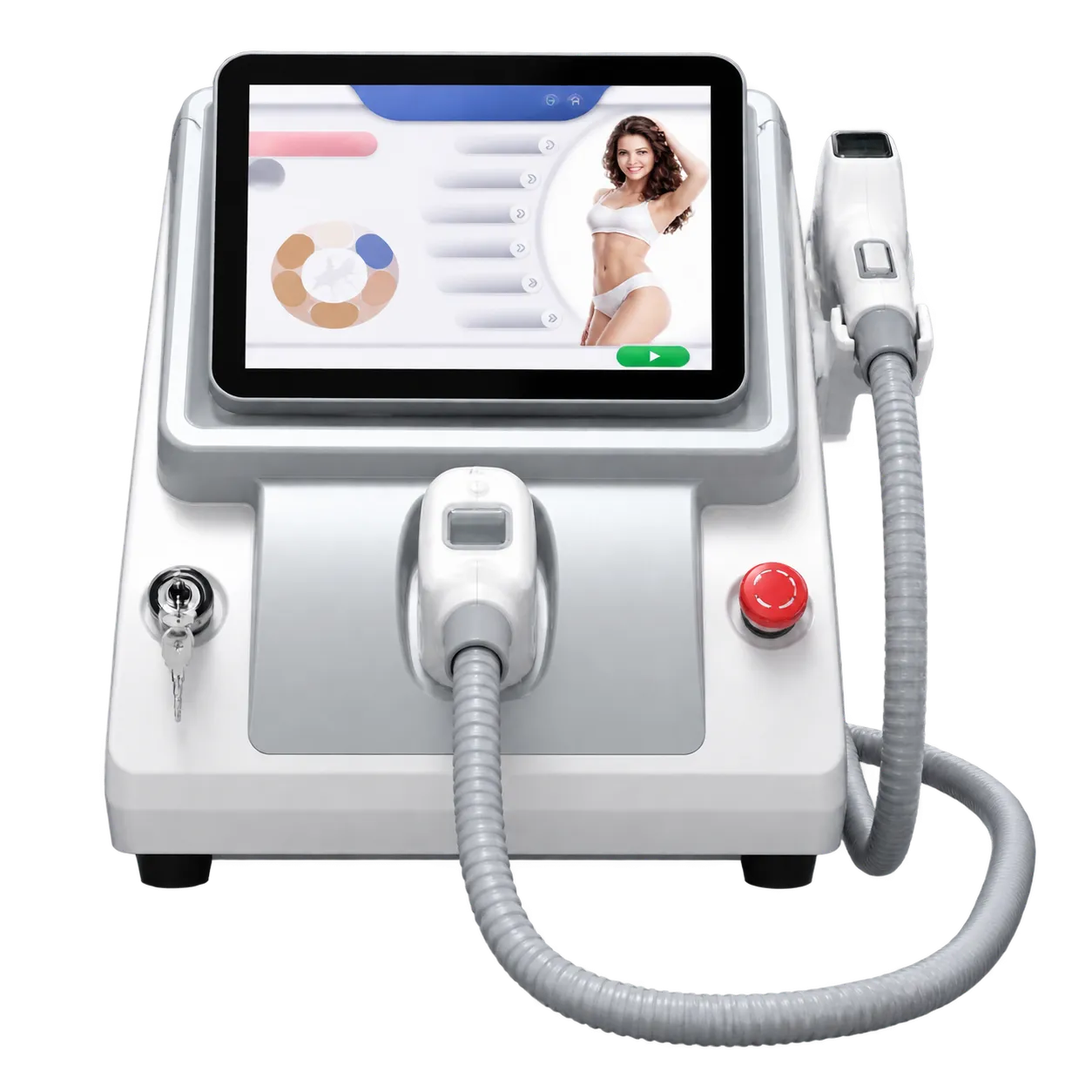
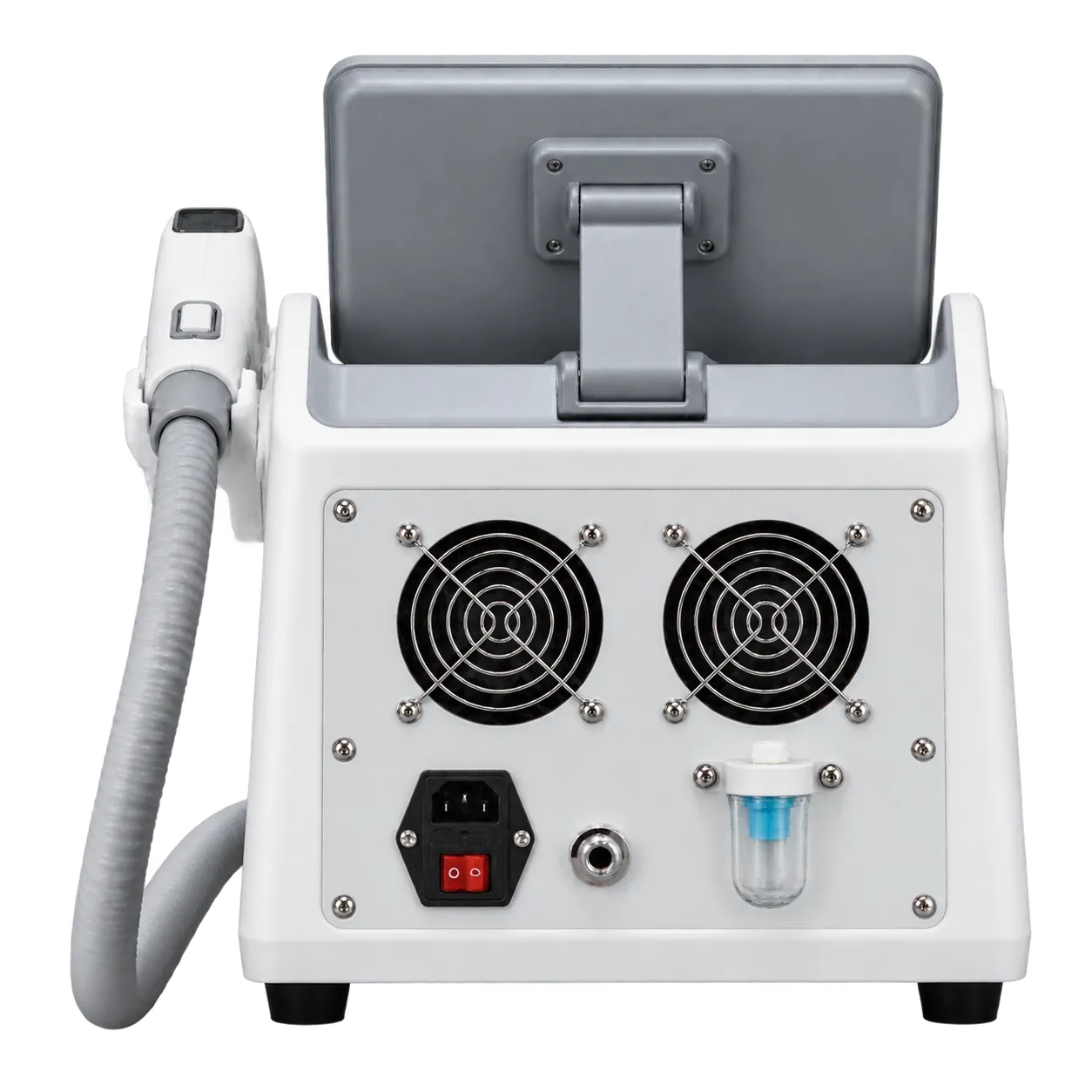
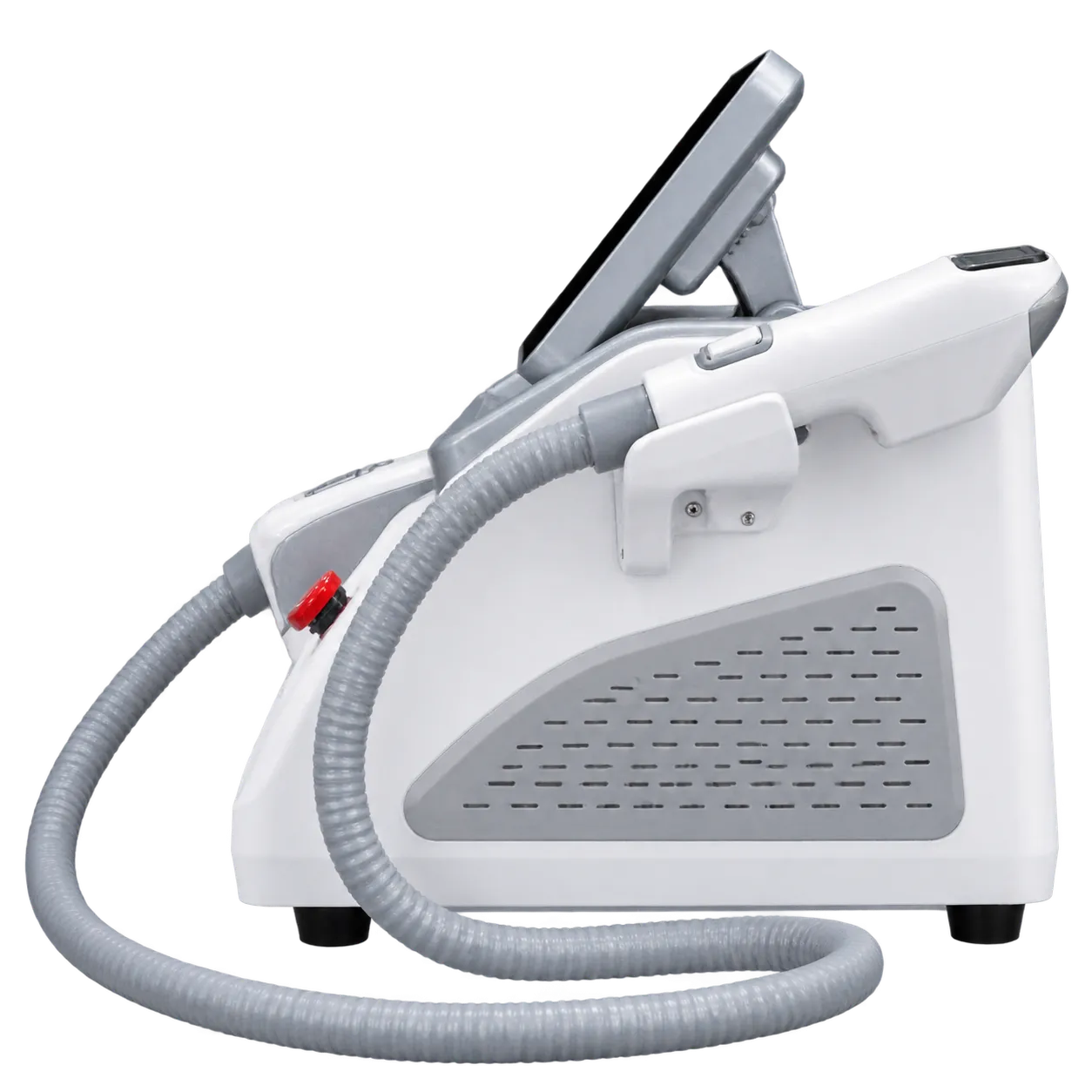
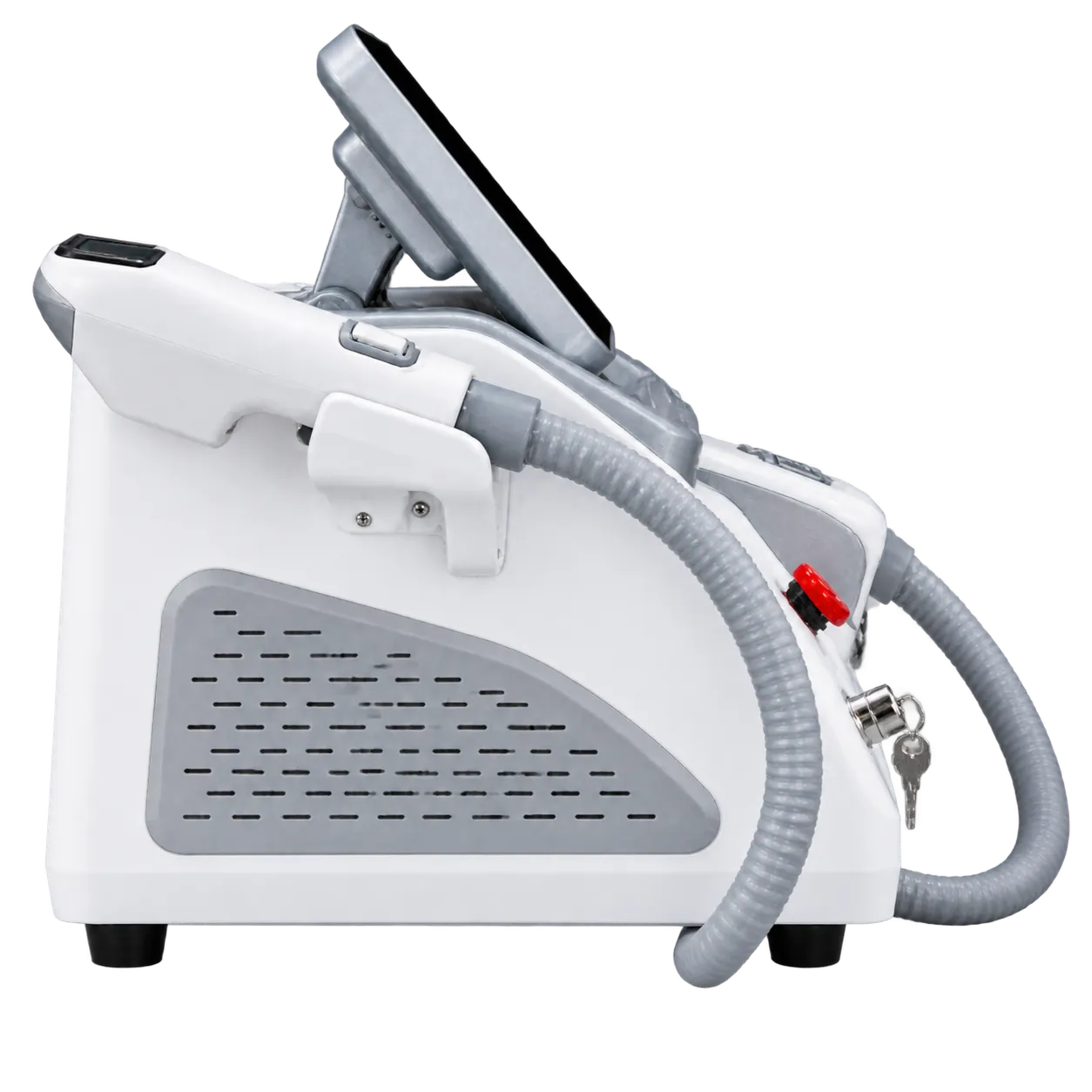
Smaller aesthetic clinics, dermatology practices with a cosmetic list and salons employing trained laser operators are the natural buyers. The work spans facial areas such as the upper lip, chin, and hairline, alongside underarms, bikini line, legs, and backs, delivered as a spaced course so each follicle is caught in its growth phase.
The client list decides the business case as much as the machine does. Dark hair on lighter skin fills a diary with courses that finish well; darker skin types extend the course and need the longer wavelength, and light or grey hair falls outside what any diode laser can do. A clinic that screens honestly at consultation keeps reviews strong and complaints low. Referring unsuitable clients elsewhere is part of running the service well, not a lost booking.
Facial work deserves its own protocol. Facial hair is often finer, published cohorts link facial sites with a higher complication rate, and clients notice every mark. Conservative starting settings, a patch test on the same area and a slower build of energy across the course are the sensible defaults, with photographs taken under the same lighting at each visit.
The safety framework follows the laser class, whatever the caseload. A Laser Protection Adviser writes the local rules, sets up a controlled area with signage and eyewear before the first client, and extraction handles the plume produced by burning hair. Licensing depends on the nation and the council, and the seller supplies the conformity documents with the order.