
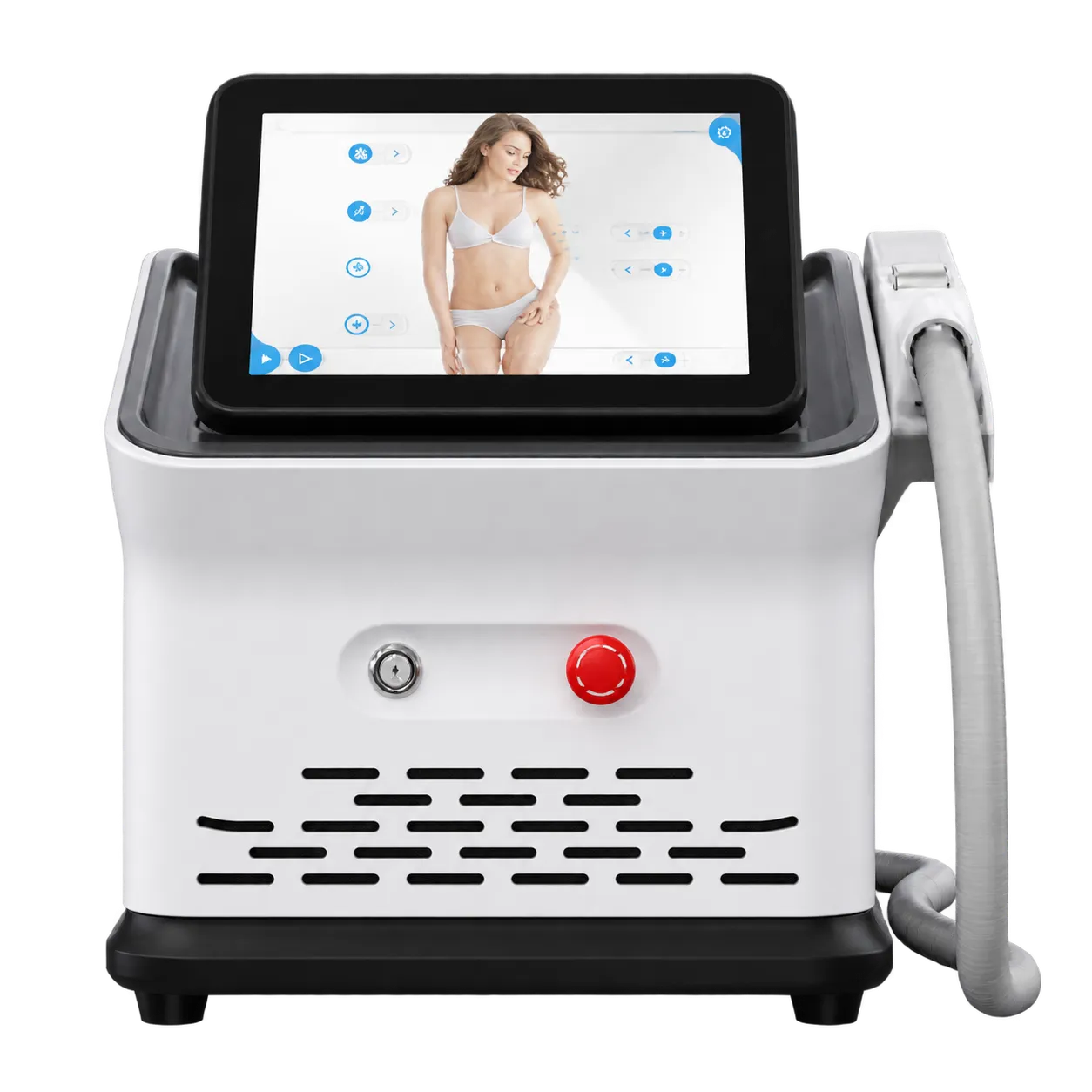
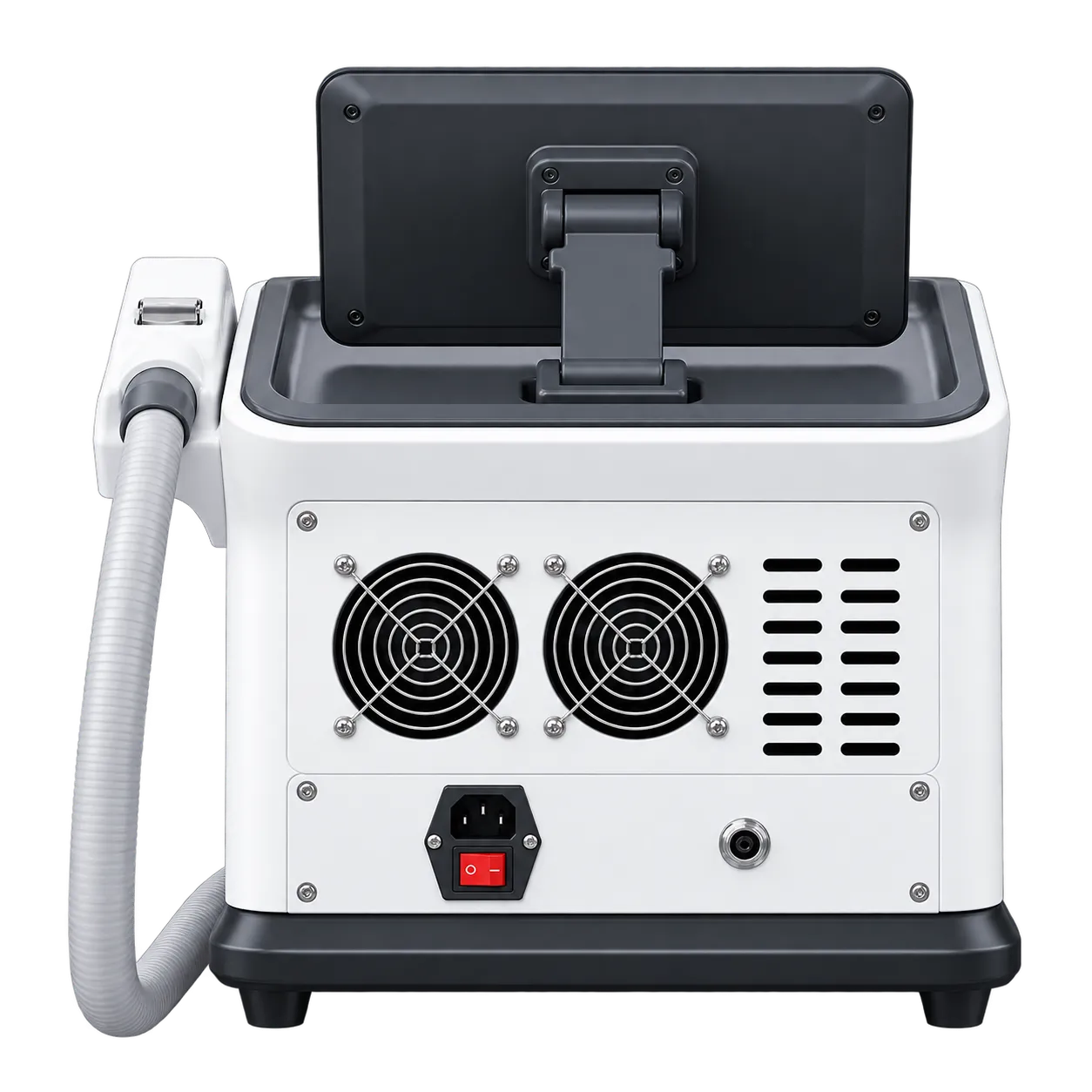
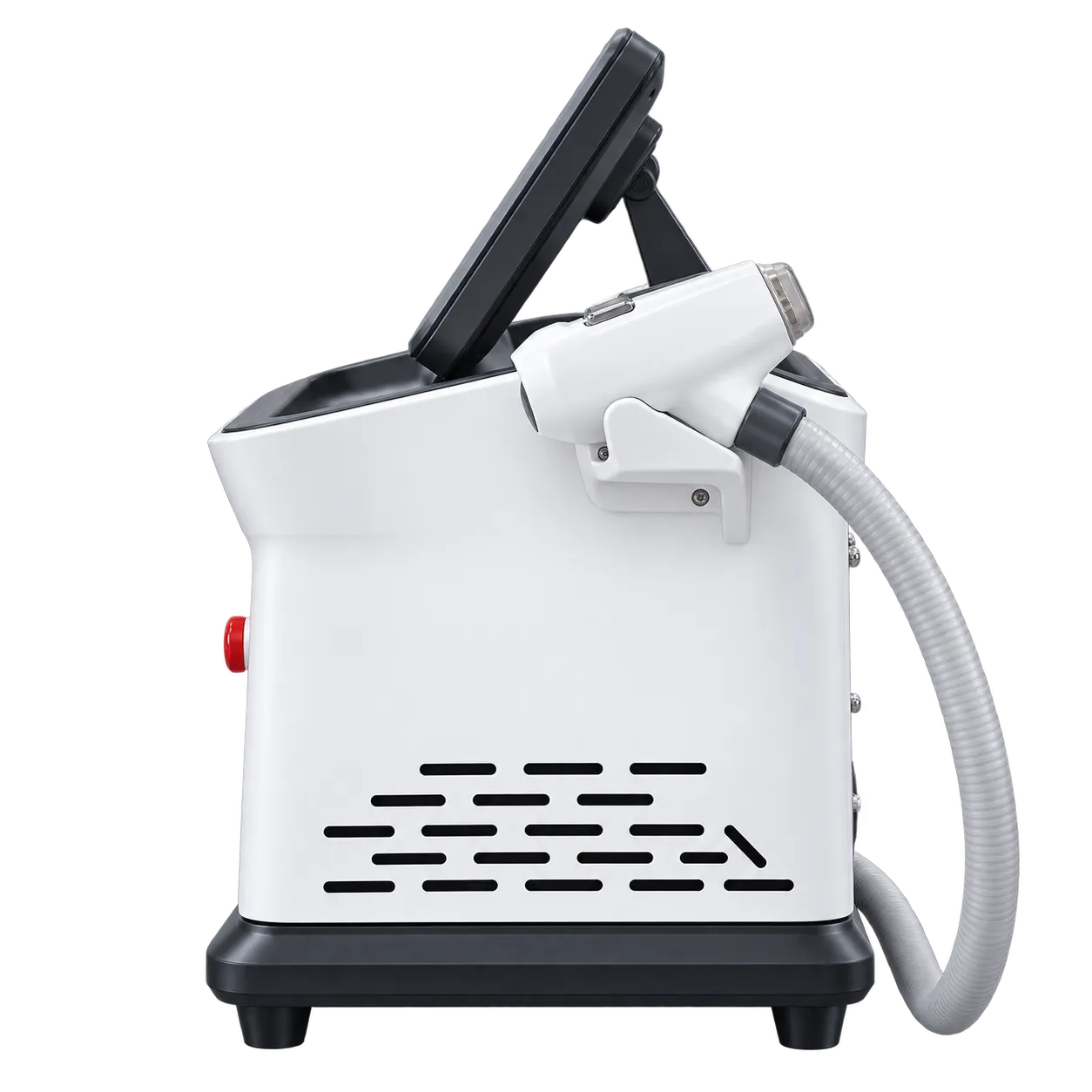
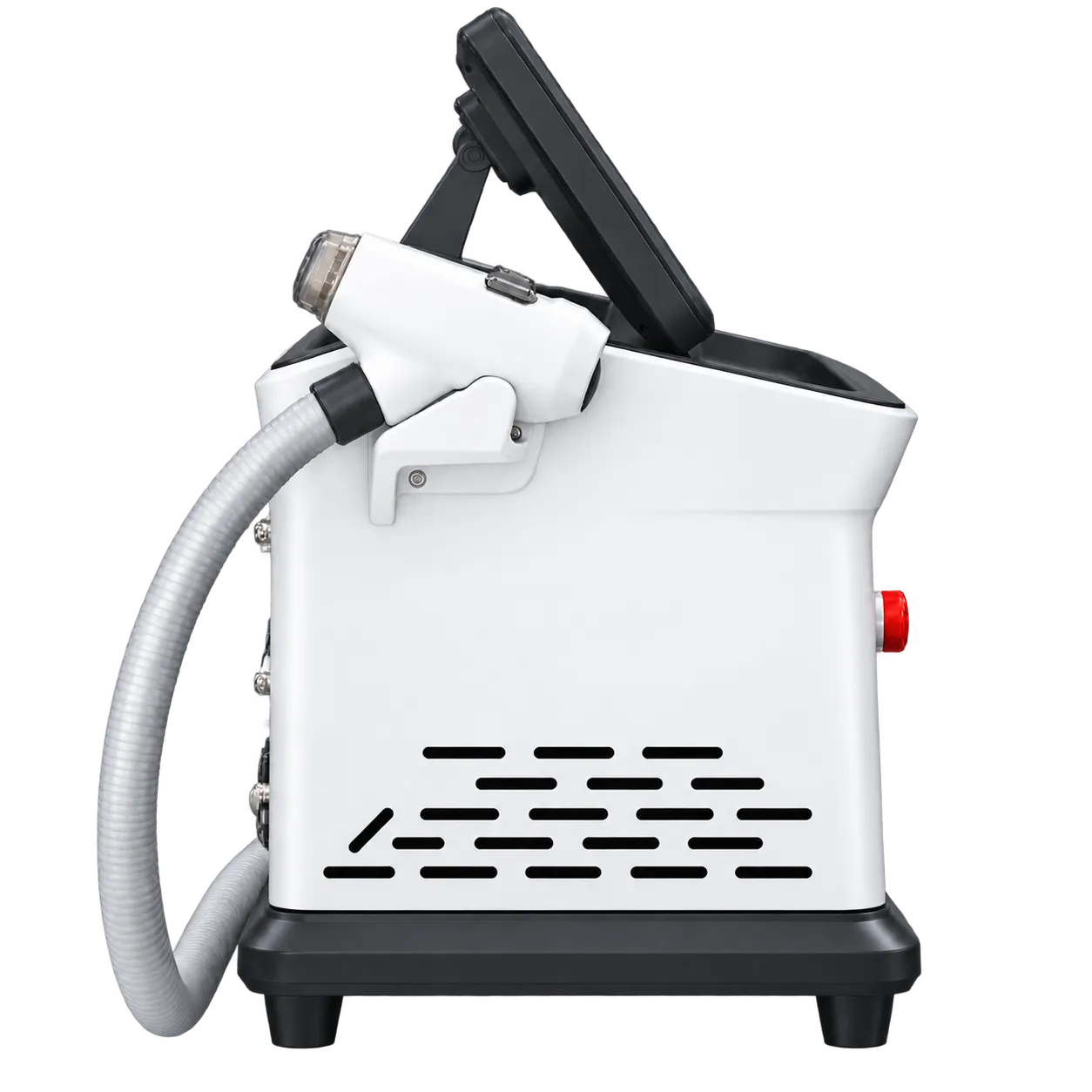
Aesthetic clinics, cosmetic dermatology services, and salons with limited floor space are the buyers, along with mobile practitioners who work across multiple sites. The treatment is the same as on any diode platform: legs, underarms, bikini line, back, chest, and face, delivered as a spaced course so each follicle is caught during its growth phase.
The tabletop format changes where treatment can happen, not how it's controlled. A clinic with one dedicated laser room gets a compact unit that leaves more floor for the couch. A clinic that wants to move the machine between rooms needs each room prepared, assessed, and covered by local rules, which usually means blinds, signage, and a reflective-surface check in every one.
Client selection follows the usual physics. Dark hair on lighter skin responds best; darker skin types need longer wavelengths and careful settings; and red, grey, white, or fine blonde hair lacks the pigment to respond. A patch test at the intended settings, a consent that names burns and pigment change, and a baseline photograph belong in the notes before the first full session.
Mobile work adds its own discipline. Each venue needs its licence position checked, its room assessed by the adviser and its local rules in place before the first client, and the operator travels with eyewear marked for every fitted wavelength. The manufacturer issues the conformity documents, and the seller passes them to the buyer with the order, ready for each venue's file.