
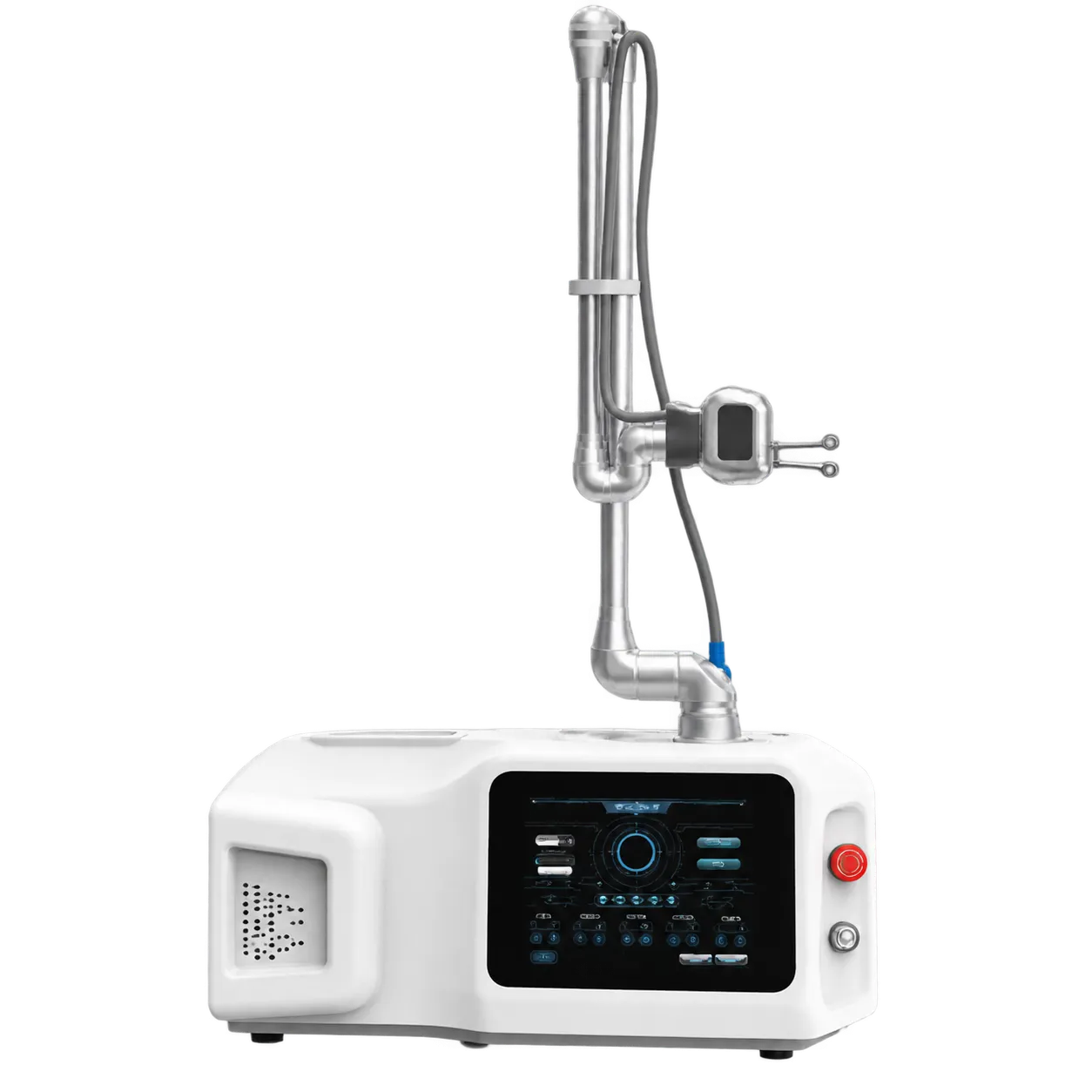
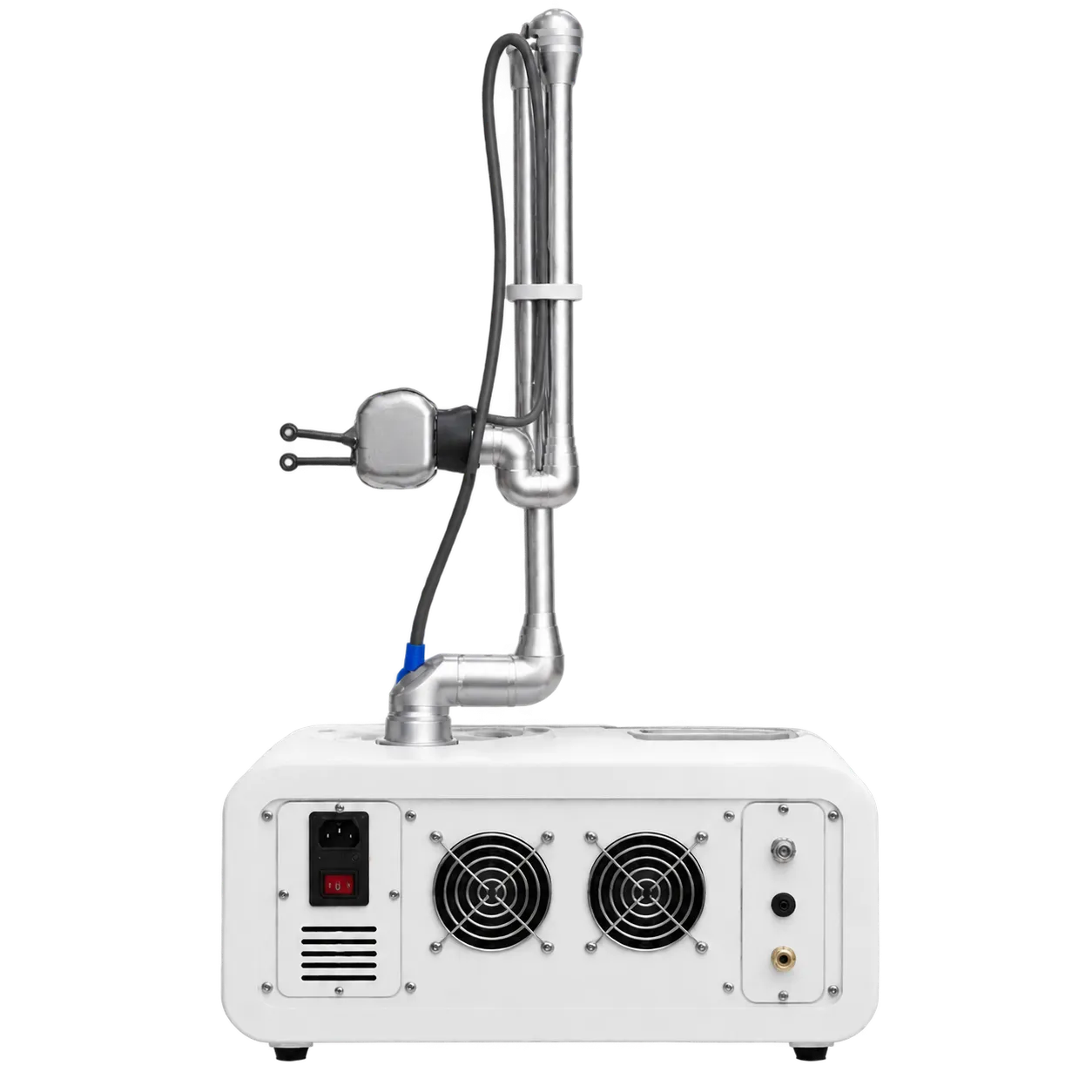
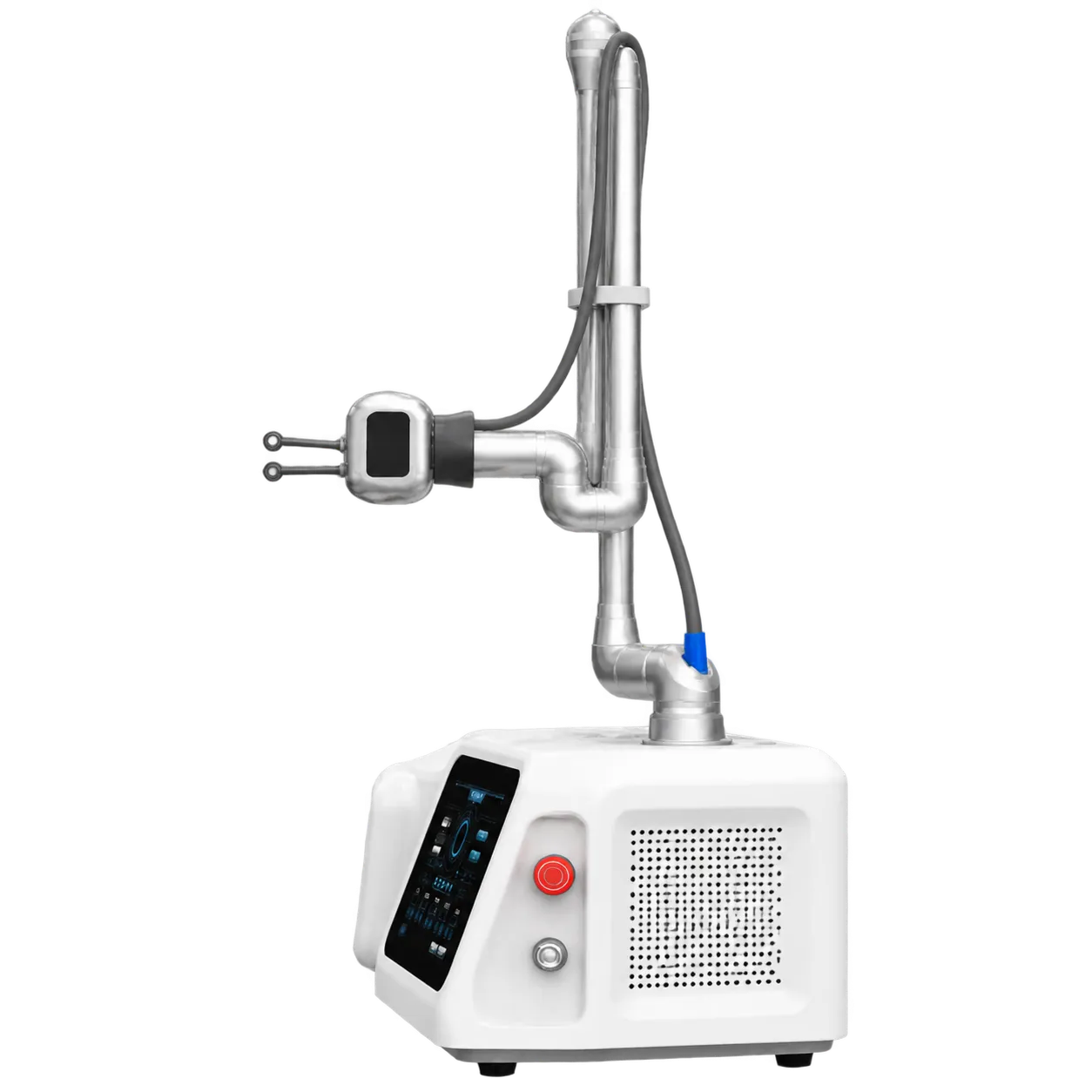
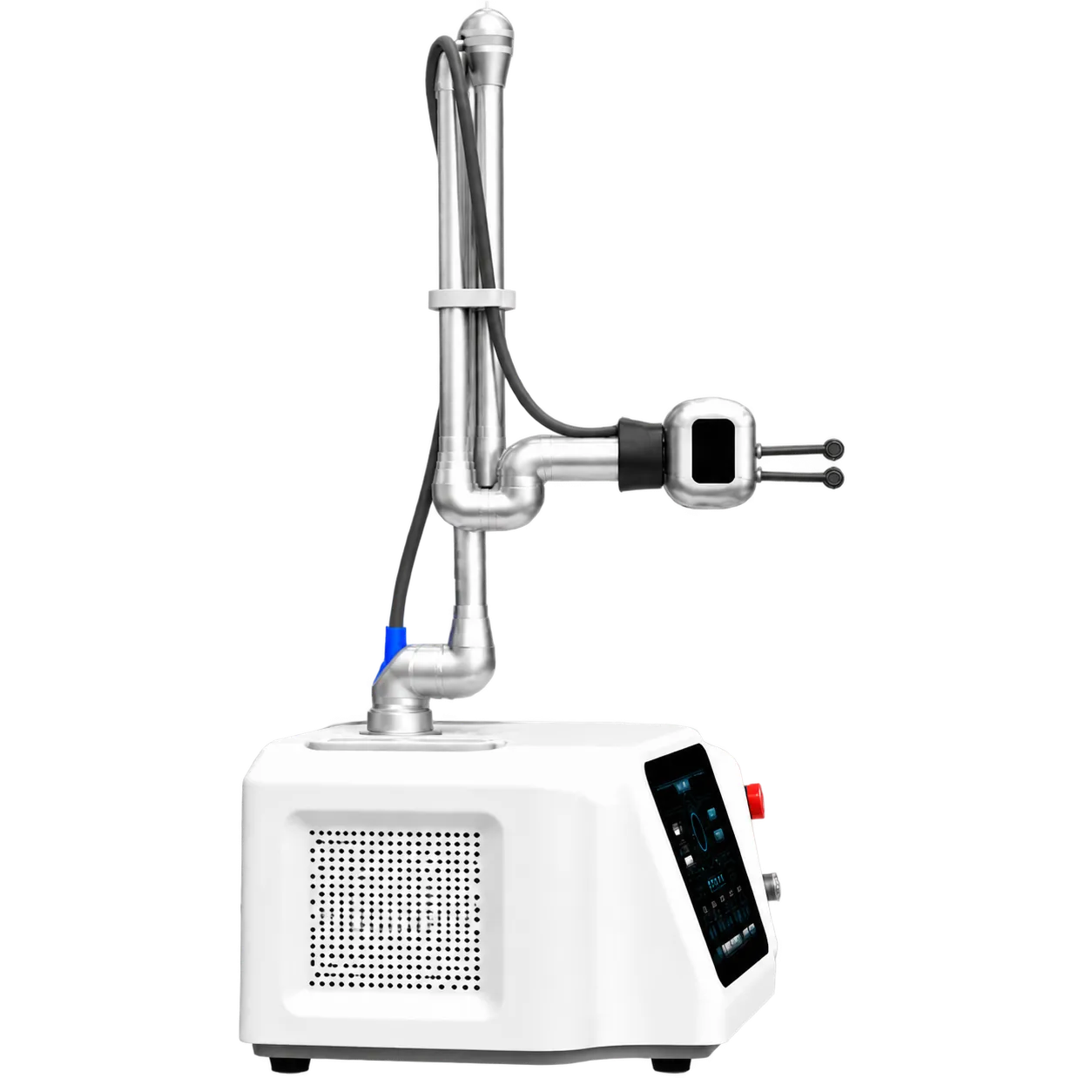
TF1 suits skin clinics run by doctors, plastic surgery practices, and aesthetic groups across several sites that want ablative fractional resurfacing without committing a room to a floor-standing tower. Its tabletop base can live on a trolley in one room, move to a second room for scheduled lists, or travel between sites in a group.
The caseload centres on atrophic acne scarring and textural photoageing. Broad, sloping scars on lighter skin improve most, usually across a handful of sessions spaced weeks apart, and crêpey skin beneath the eyes is a frequent second request. The general page also describes a continuous cutting mode, which qualified practitioners use for small growths.
Mobility is the operational question. A group sharing one console across sites needs a compliant controlled area at each location, with room-specific rules from the laser safety adviser, goggles matched to far-infrared light, door signs and fume extraction close to the skin. Registration and insurance must cover each premises. Transport, arm locking and post-move output checks should be written into a procedure and logged.
Client selection stays the same wherever the console goes, and so does the paperwork. Skin type, cold-sore history, keloid tendency, medications and expectations are assessed at consultation, and healing time is agreed in writing. Clients with darker skin need a specialist protocol under prescriber oversight.
Overseas, clinics face comparable rules on laser rooms, premises and oversight, framed in their own legislation. The conformity documentation required for those purchasing routes is issued by the manufacturer and provided by the seller.