
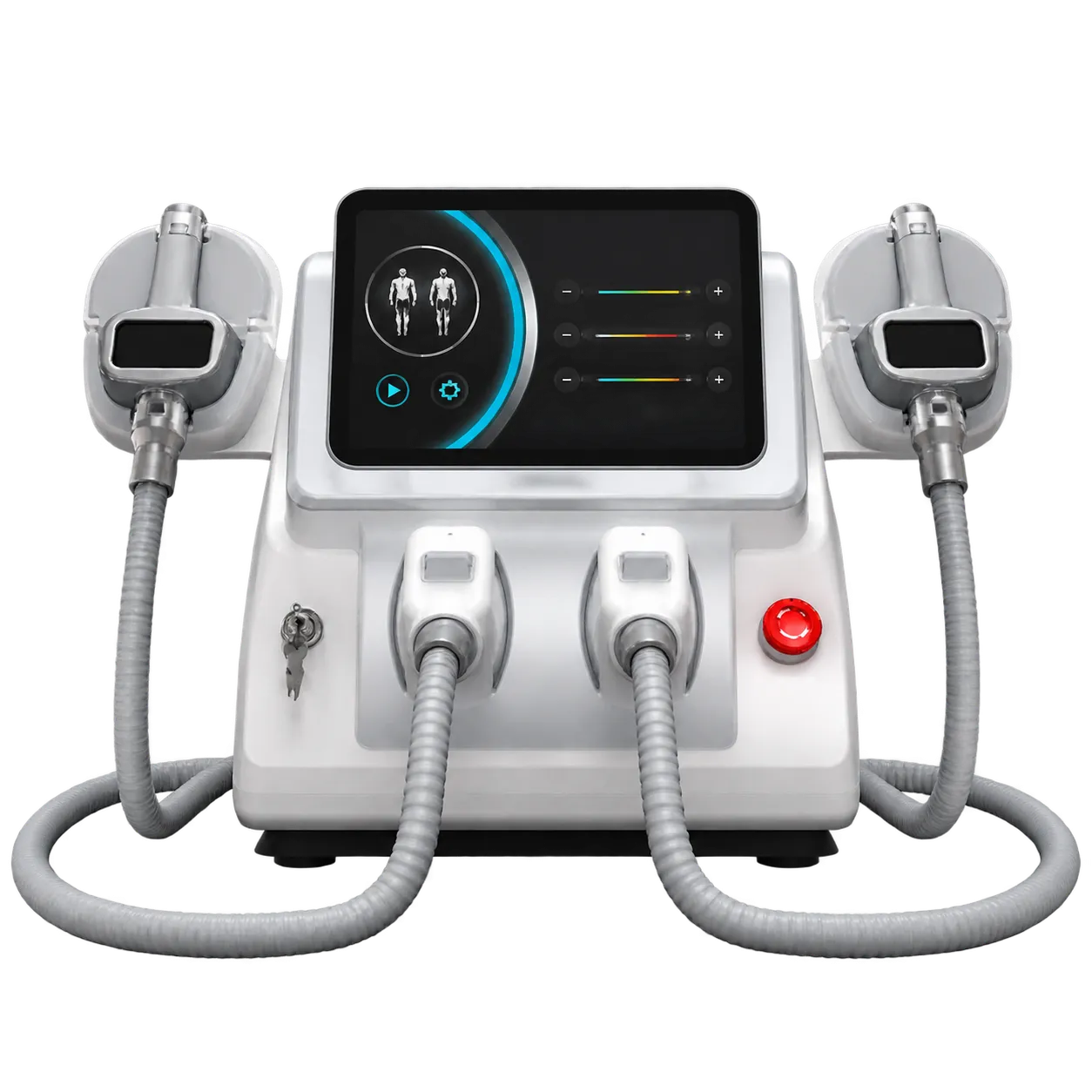
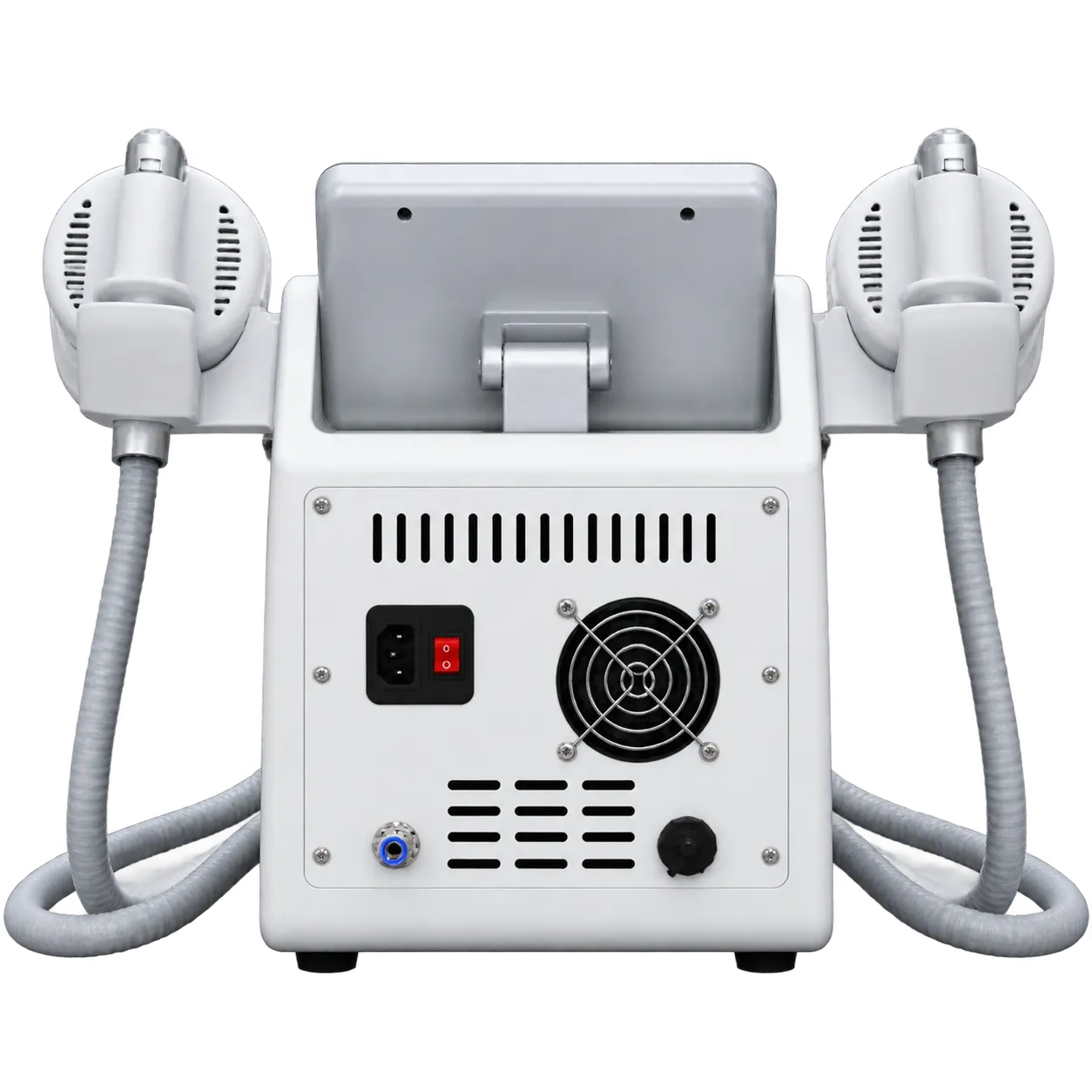
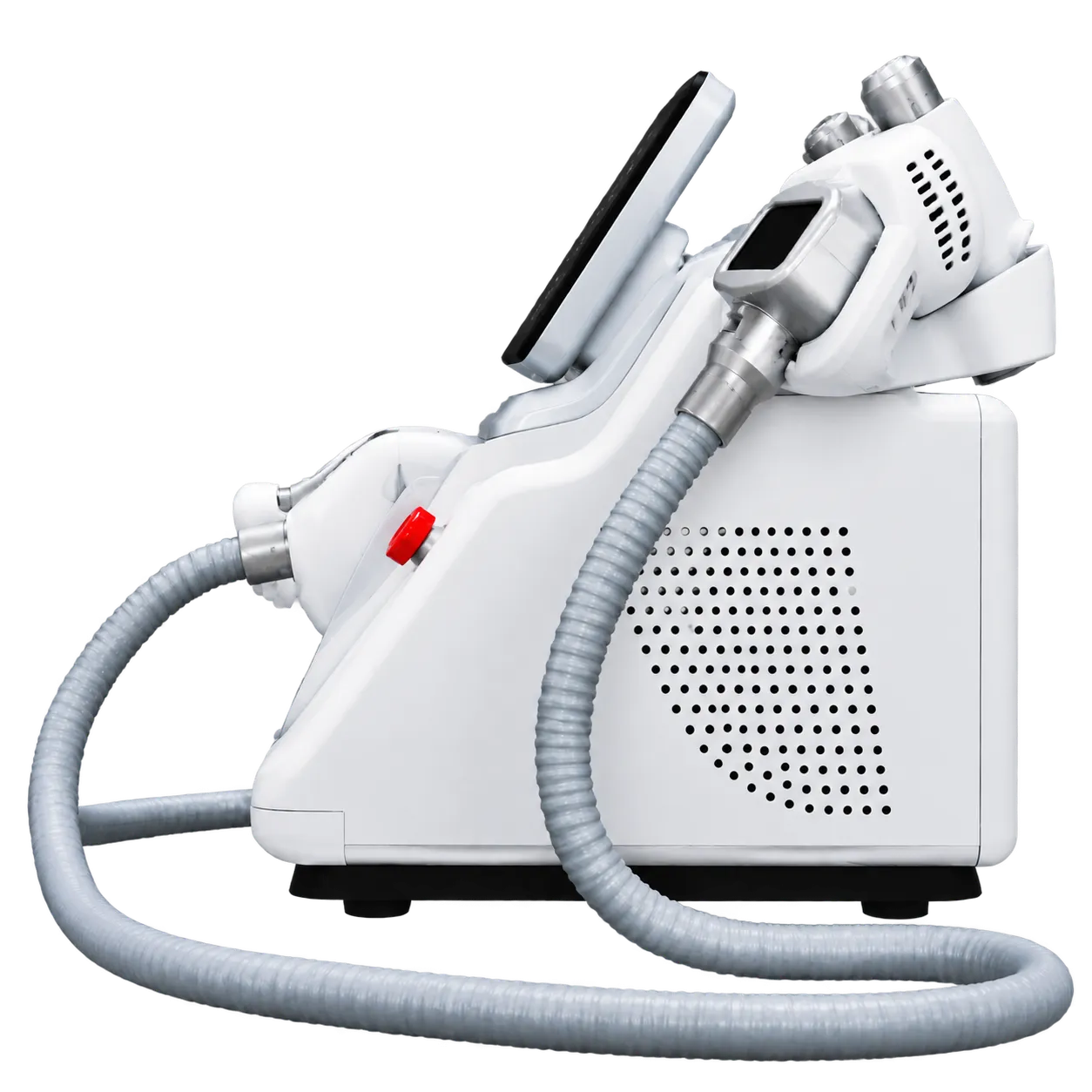
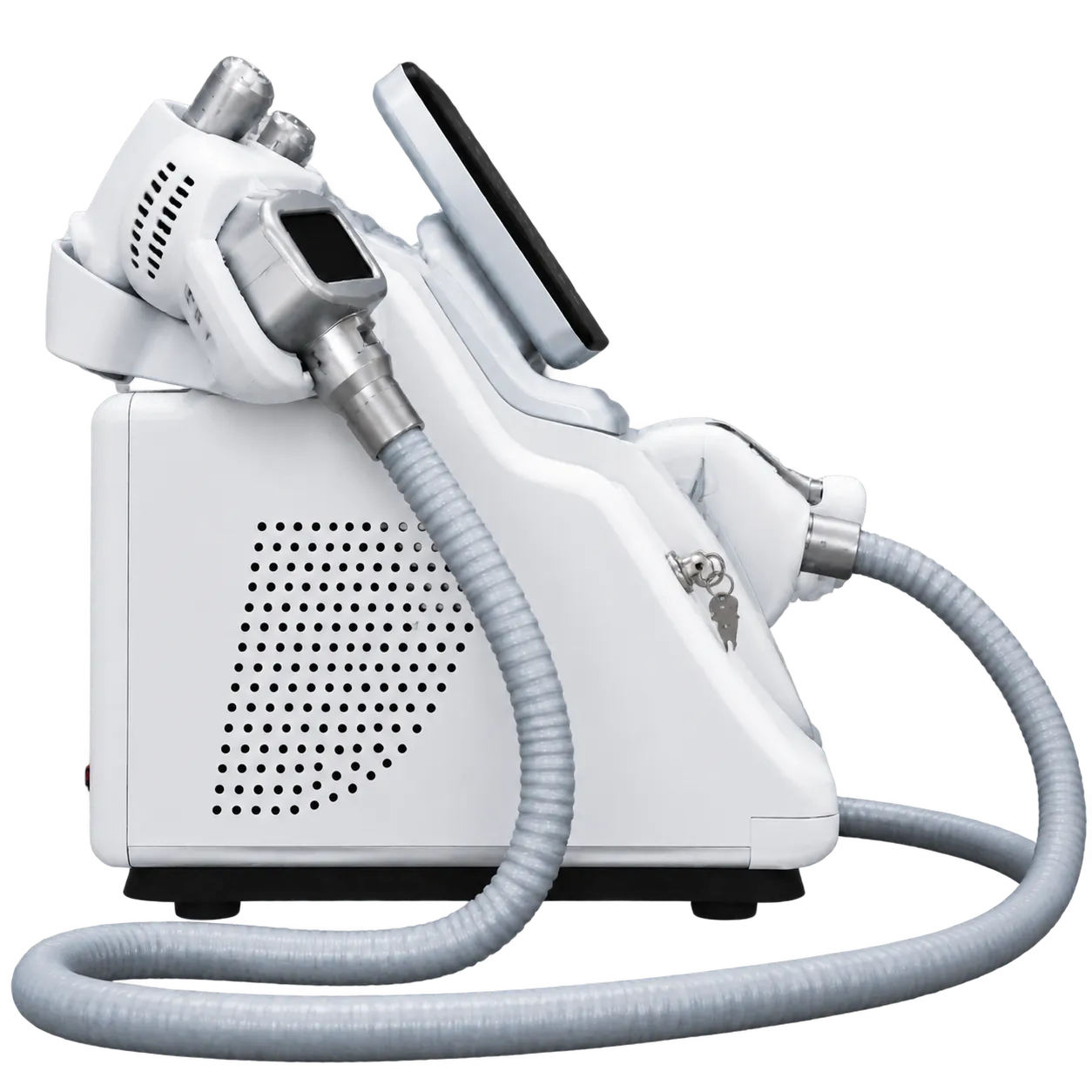
Aesthetic clinics use the TCL6 for flank and abdominal bulges in clients close to their target weight. A structured consultation, with a pinch test, photographs and a written contraindication check, decides who is treated and sets expectations before any booking is taken. Declining an unsuitable client at this stage costs far less in reputation later.
Beauty salons with trained operators offer smaller areas such as the upper arms, inner thighs and bra line. The compact tabletop format fits a standard treatment room, and the snap-on cups change quickly between clients and sites. Short appointments for small areas fit easily around facial and body treatments already on the menu.
Chin contouring is a popular add-on for clients with soft submental fat. It needs the smallest cup, precise placement, and careful profile photography, and you should decline clients with loose skin in the neck, because removing fat can make laxity more visible.
Fitness studios and wellness centres attract clients who have reached a stable weight but keep a stubborn area. Honest messaging, framed as contouring and never as weight loss, keeps these services on the right side of advertising rules.
Mobile and home-visit practitioners value a unit that travels on a trolley between rooms. Each site still needs a stable surface, a dedicated socket, a treatment couch and enough space for both handle cables, plus a way to keep membranes and cleaning supplies clean in transit.
Doctor-led cosmetic practices can pair cryolipolysis with medical screening for clients whose history raises doubts, and manage complications such as prolonged nerve pain or paradoxical adipose hyperplasia through established referral routes.