
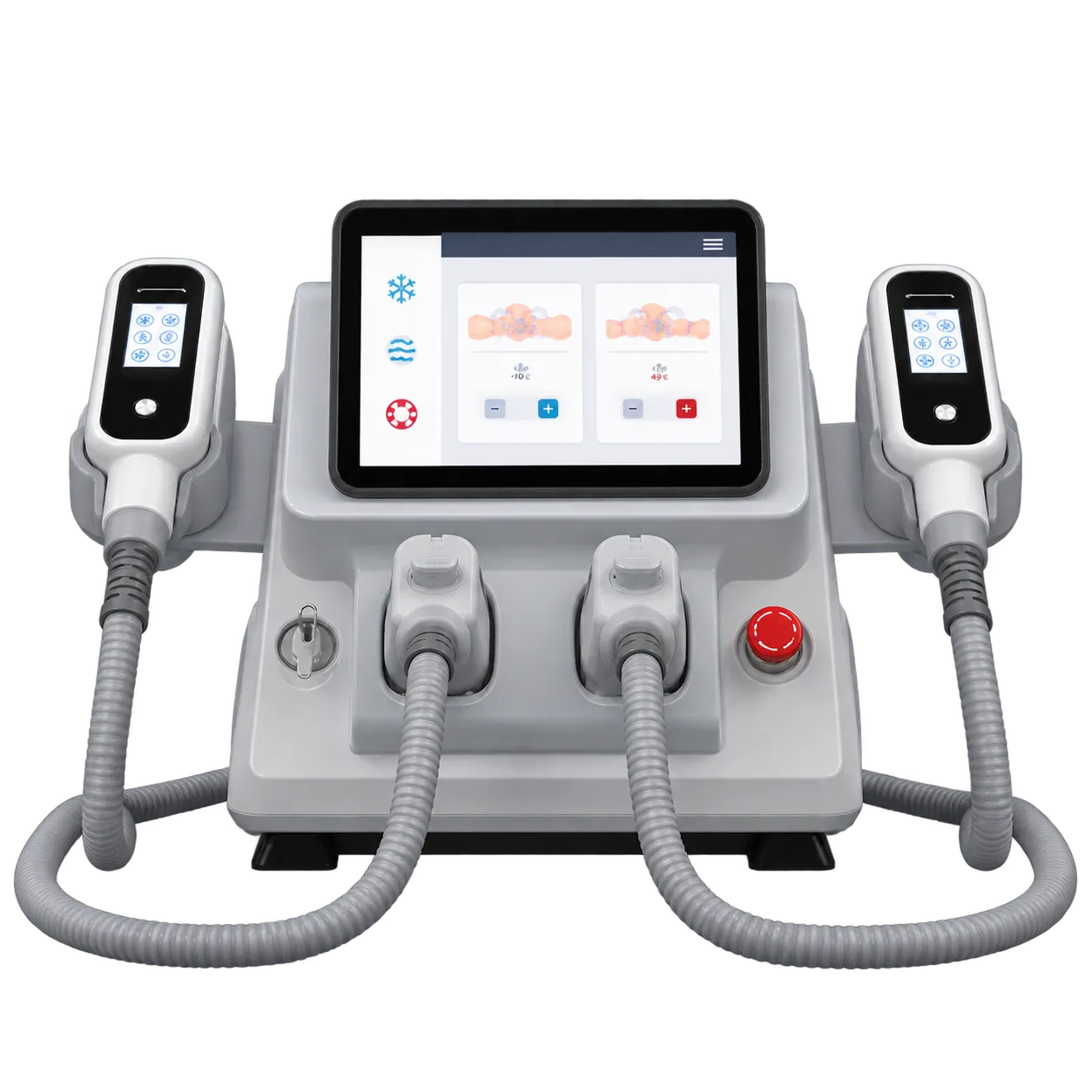
Aesthetic clinics and beauty salons use portable cryolipolysis for localised fat on the inner knees, inner thighs, upper arms and flanks. Clients close to their target weight with a soft, pinchable area suit the treatment, and consultations should explain that it contours a defined area without reducing overall weight. Baseline photographs and measurements make gradual change visible at follow-up.
Knee contouring is a common paired treatment. The smaller cup families fit the inner knee, and both knees can be treated together with an operator watching each site throughout the cycle and massaging each knee once its cup is removed.
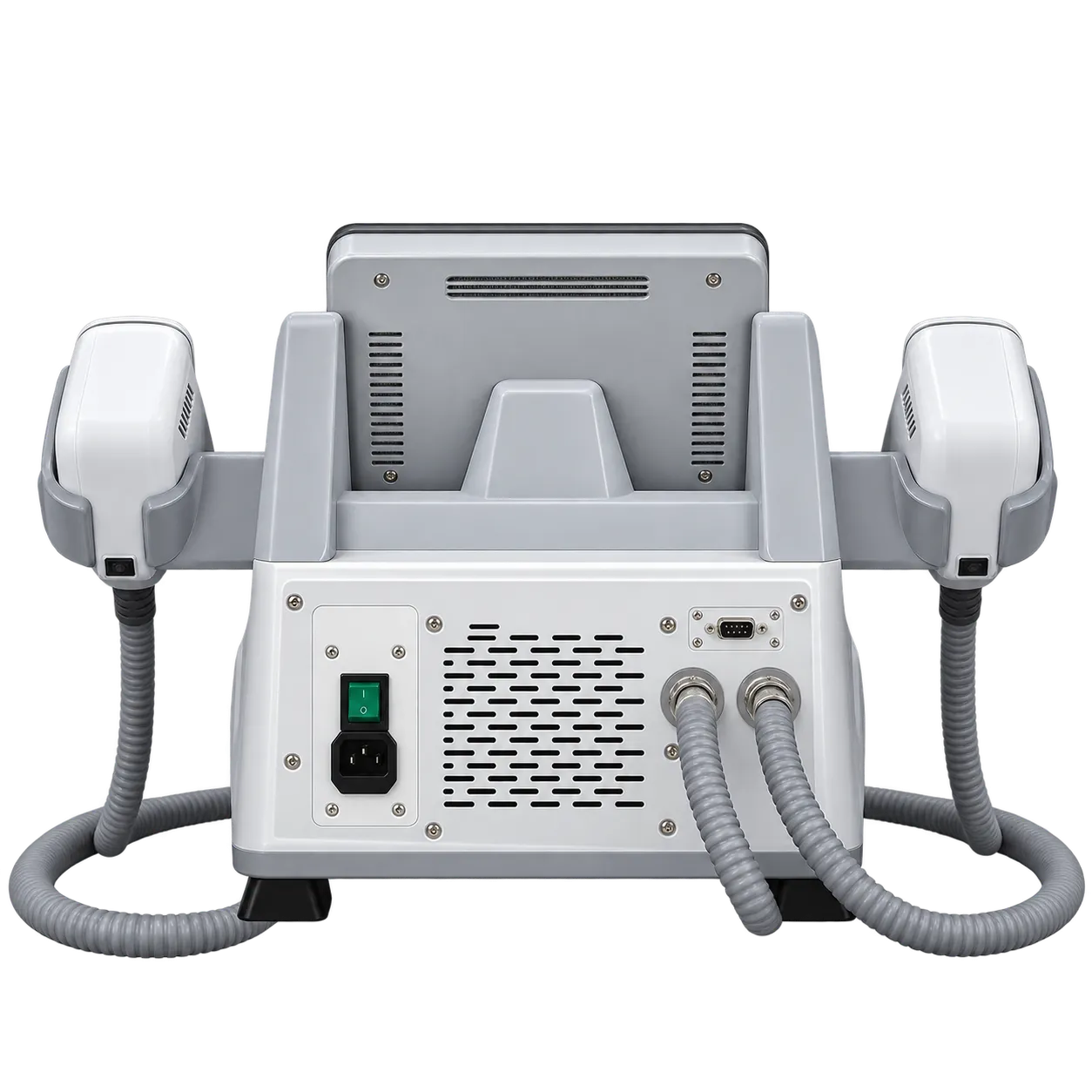
Busy salons benefit from a maintenance routine that keeps the unit available. A named person who checks water level, filter and hose connectors at the start of each day prevents cooling faults from cancelling appointments, and the same person can reorder pads and filters before stock runs low.
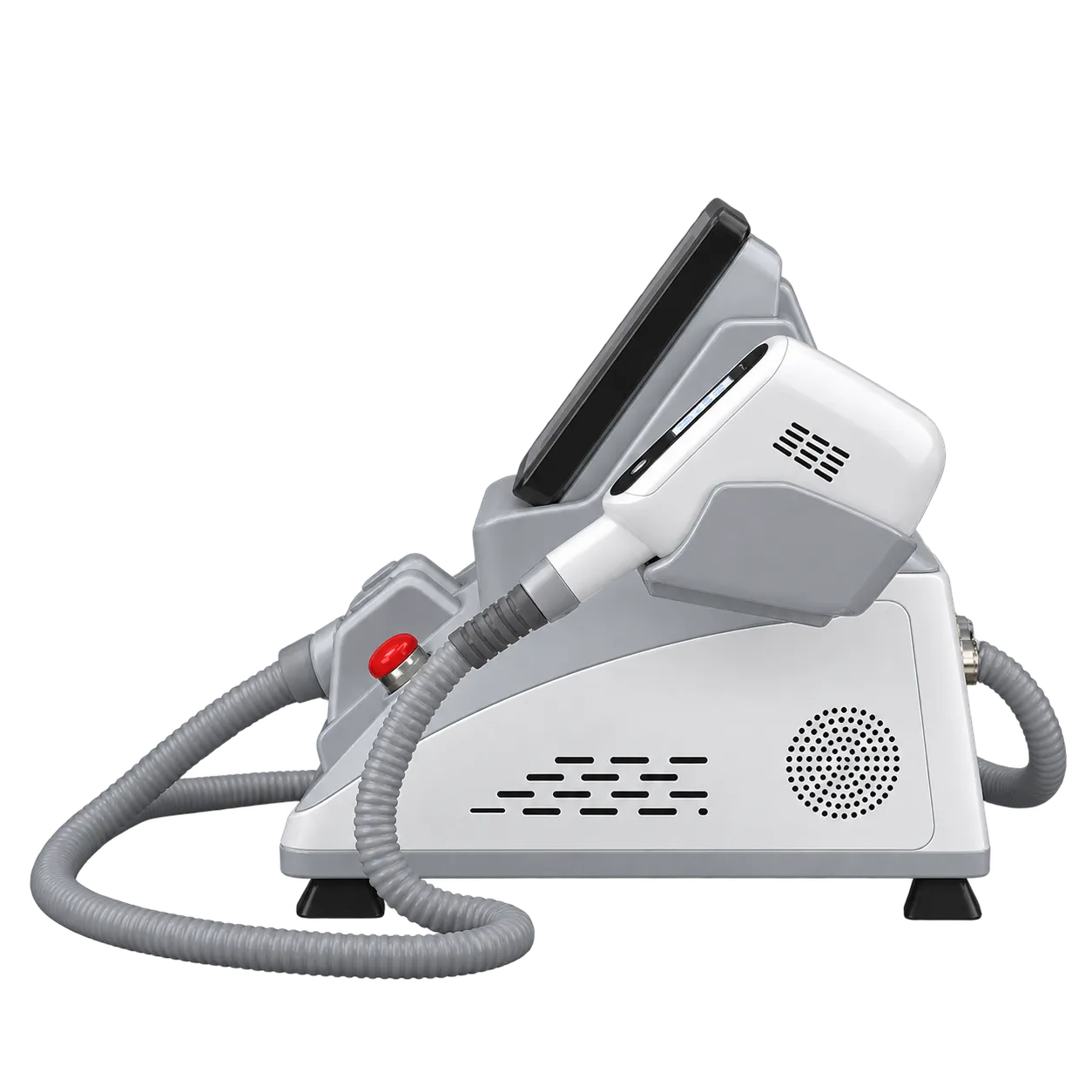
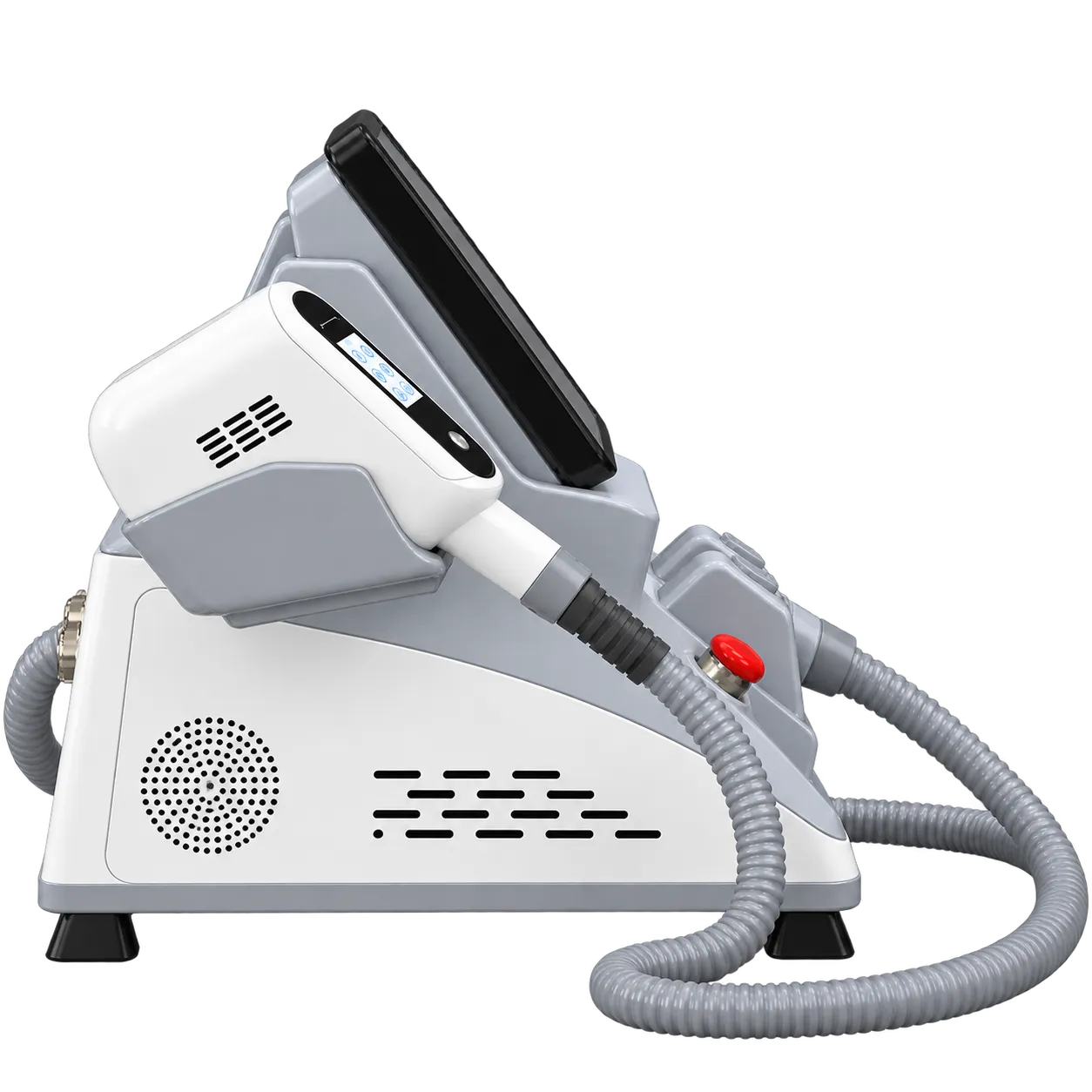
Mobile practitioners value the tabletop format, provided the unit is transported upright and checked for leaks after each move. Each site needs a stable bench, a suitable socket, anti-freeze pads and space around the vents.
Multi-site groups sharing units need a single service log per unit, recording water changes, filter replacements, sensor alarms and engineer visits, so any fault history travels with the equipment.
Doctor-led practices can screen clients with complex histories and manage complications such as frostbite, prolonged nerve pain or paradoxical adipose hyperplasia through established referral routes. Every practice needs a written protocol, aftercare instructions and a complication plan before the first client.