
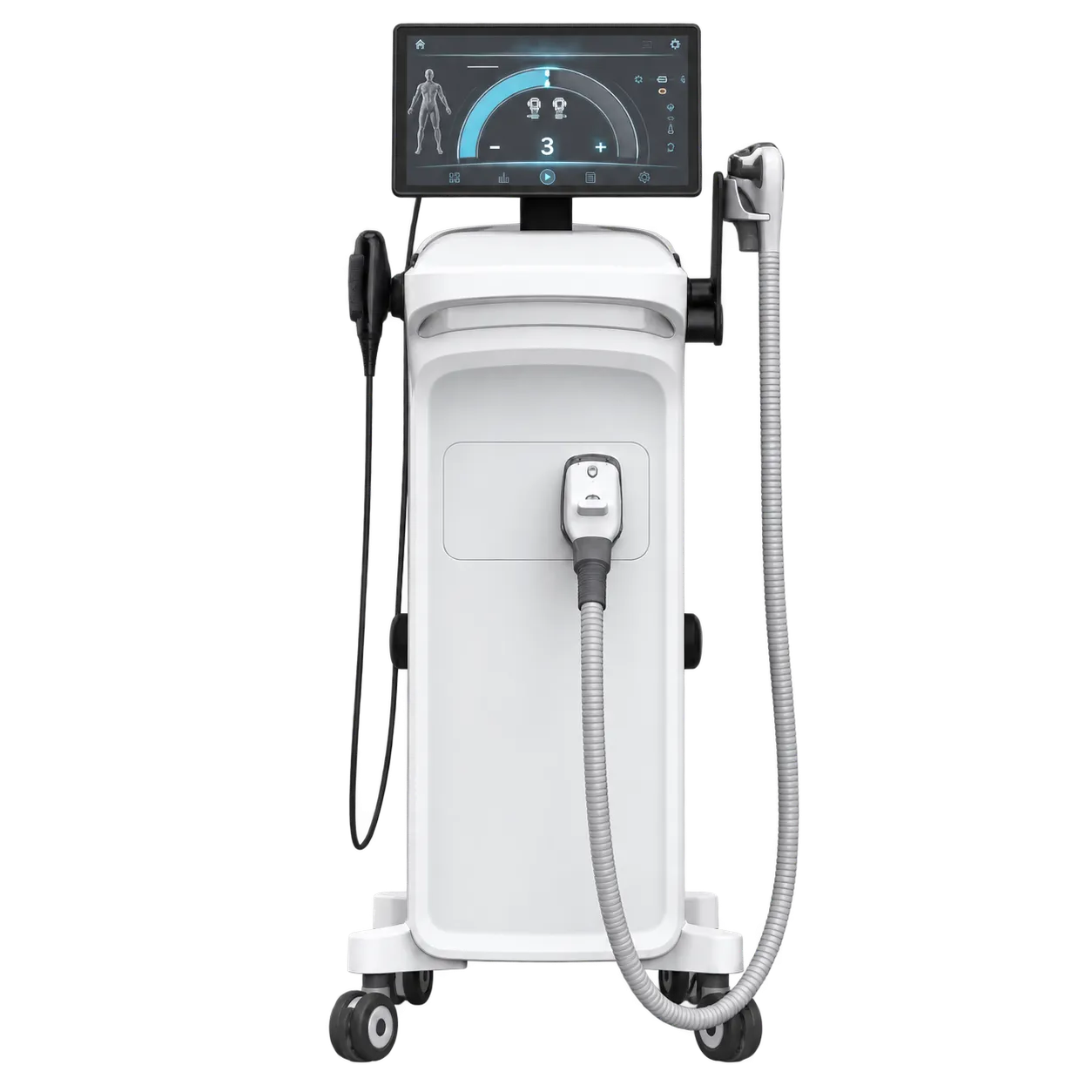
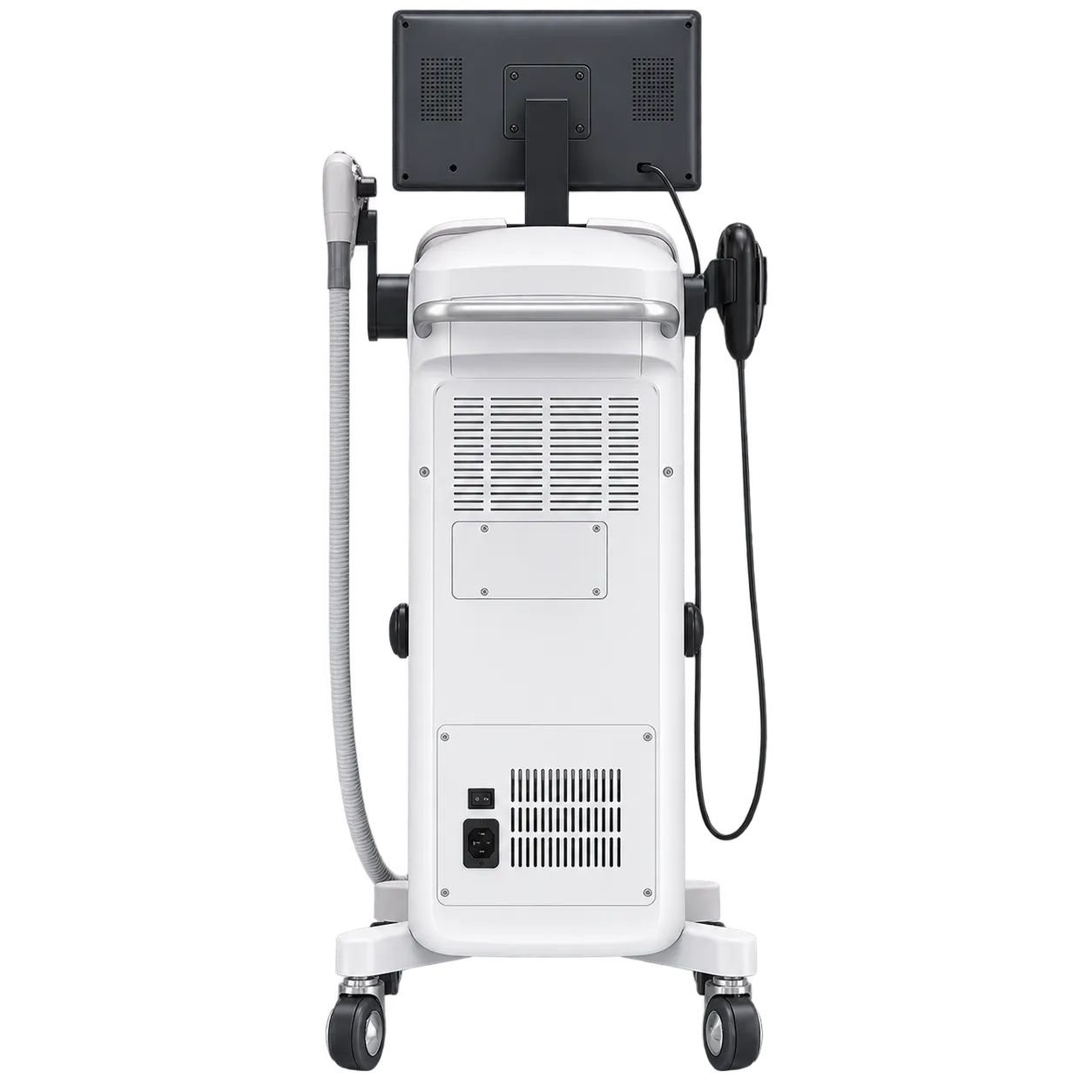
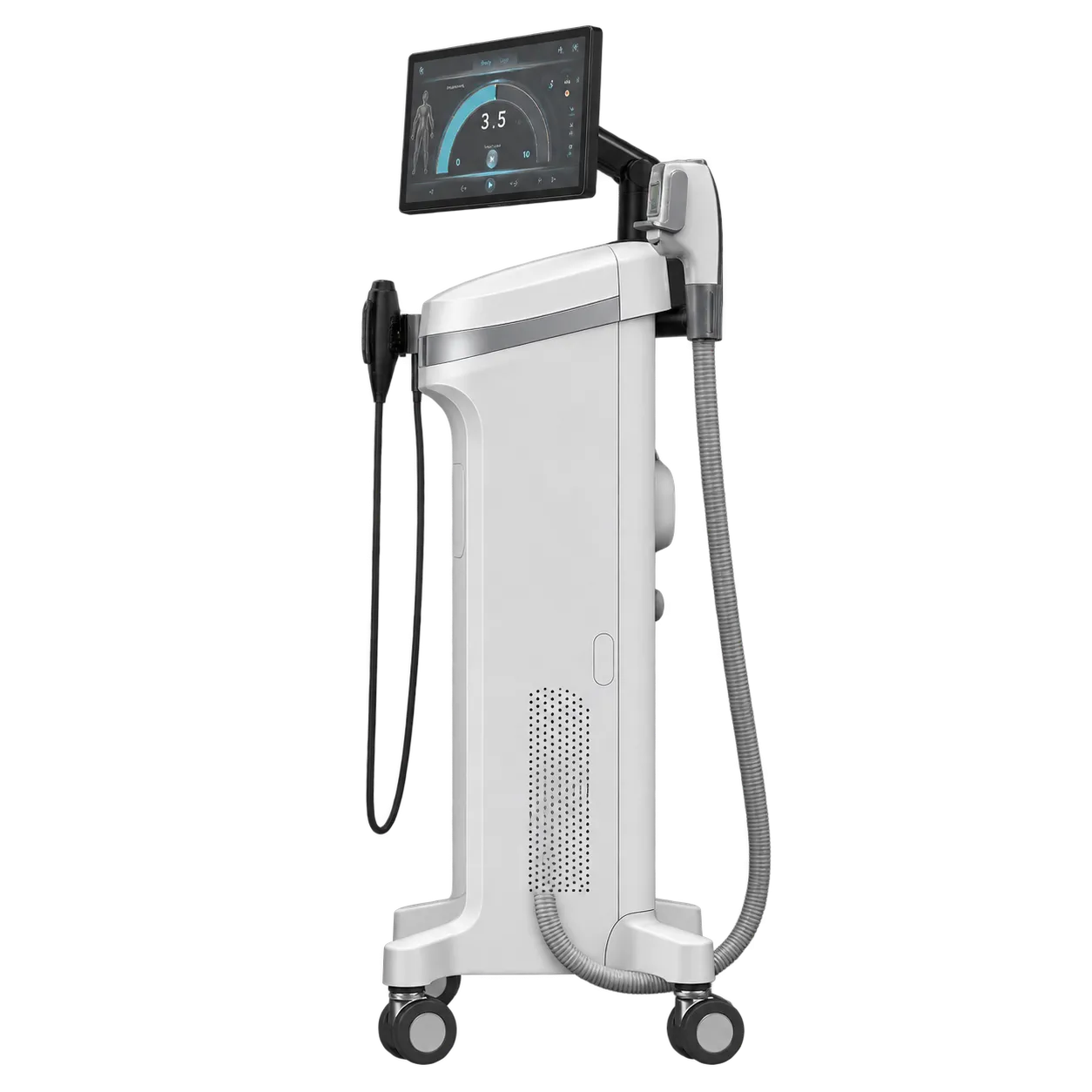
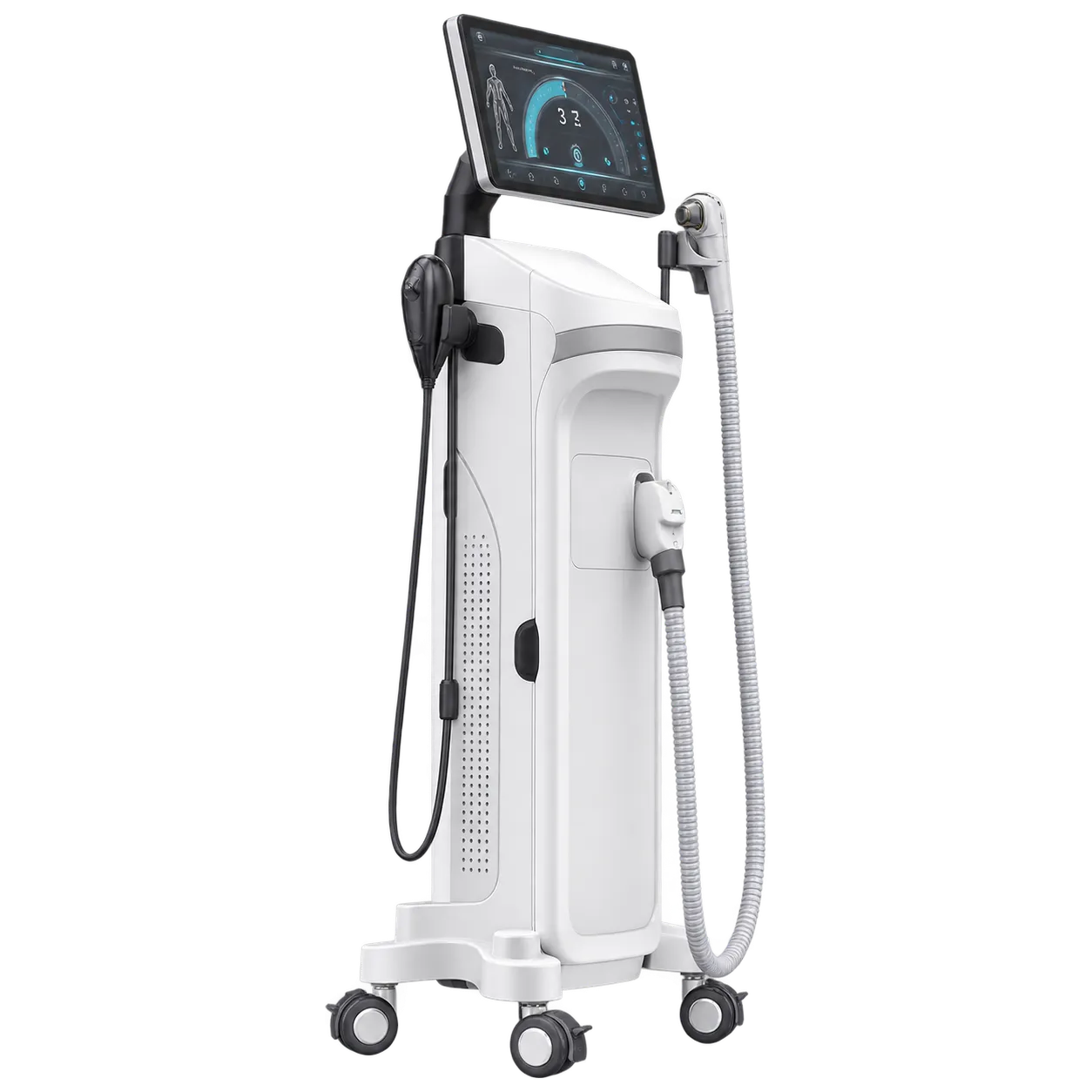
Aesthetic clinics, cosmetic dermatology services and salons with trained laser operators are the buyers, particularly those that already keep digital client records and want the laser to sit inside that system. The clinical work is the usual course of hair reduction on legs, underarms, bikini line, back, chest and face.
Connectivity changes the admin around each appointment more than the treatment itself. If the console holds client names, treatment histories and photographs, then consent forms, the privacy notice and the retention policy all need to mention it, and staff need to know who may see, export or delete those records. A clinic that would rather keep client identities off the machine can use anonymous codes on the console and keep the key in its main record system.
The AI parameter module suits a busy list, as long as it is treated as advice. Each client still gets a skin assessment, a patch test at the intended settings and a record of what was actually delivered. Dark hair on lighter skin gives the best results; darker complexions call for the longer wavelength with cautious settings, and red, grey, white or fine blonde hair has too little pigment to respond.
The laser safety framework runs alongside the data one rather than instead of it. A Laser Protection Adviser, local rules, a controlled area, eyewear for everyone present and plume extraction are all still required. The manufacturer issues the conformity documents covering the laser and the radio, and the seller passes them to the buyer with the order.