
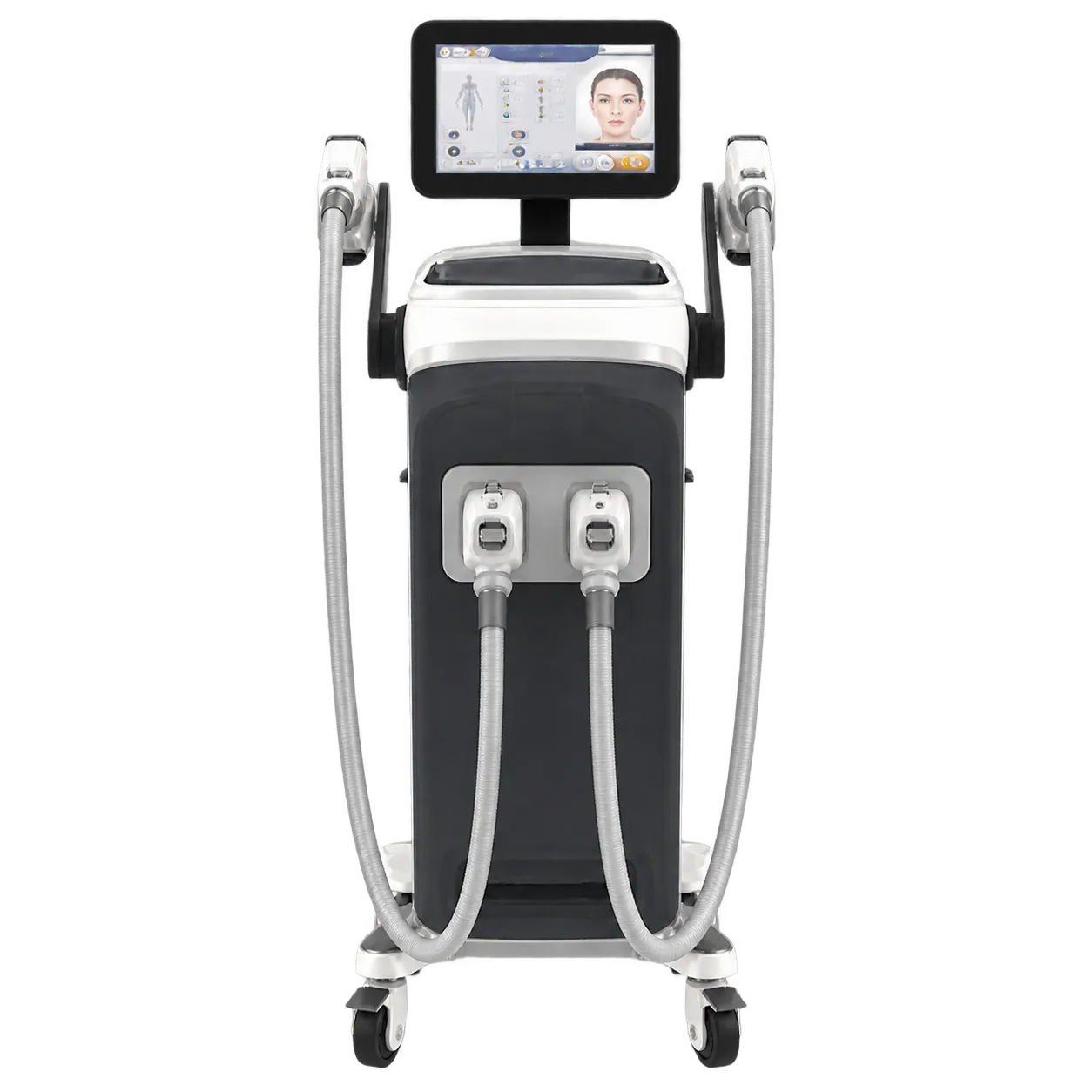
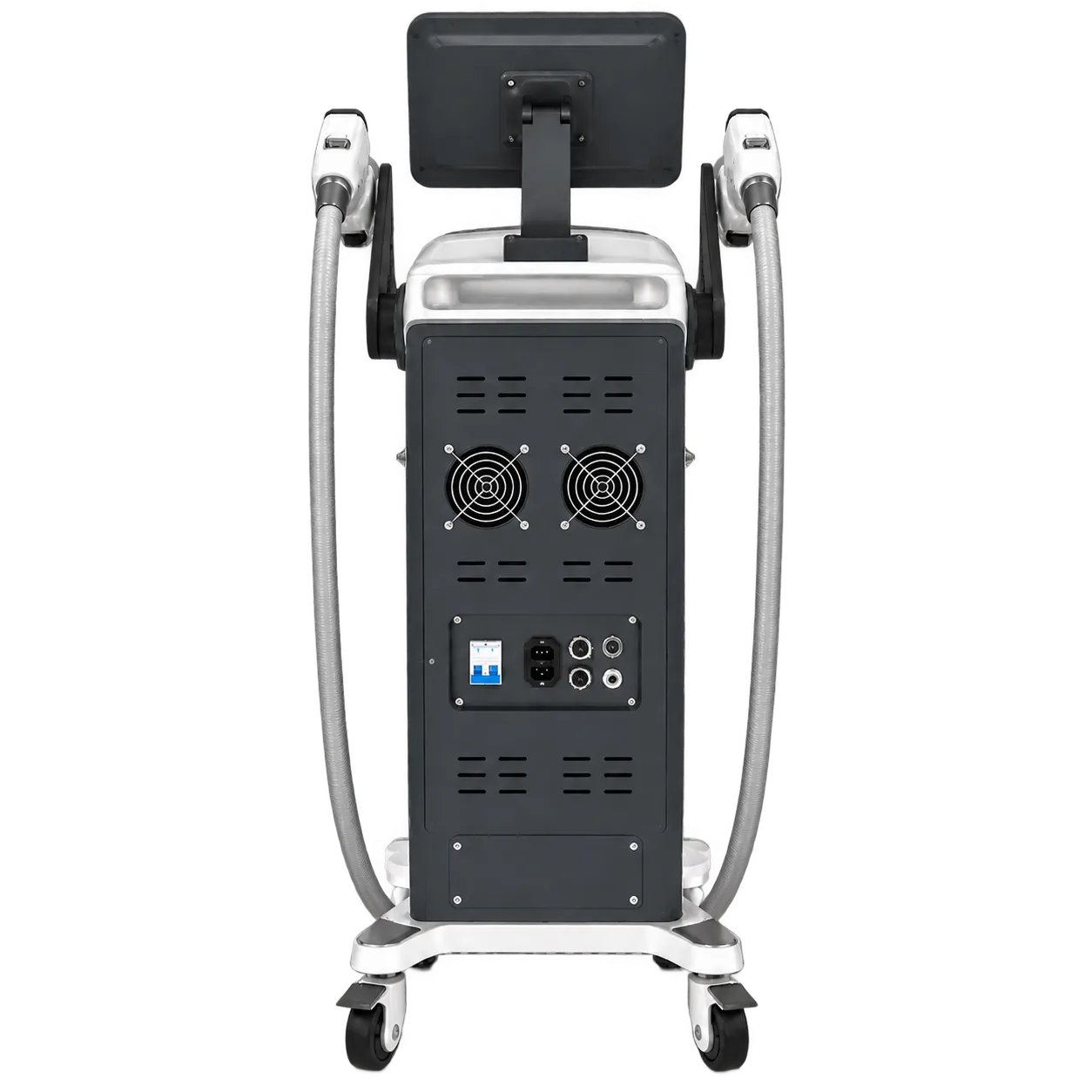
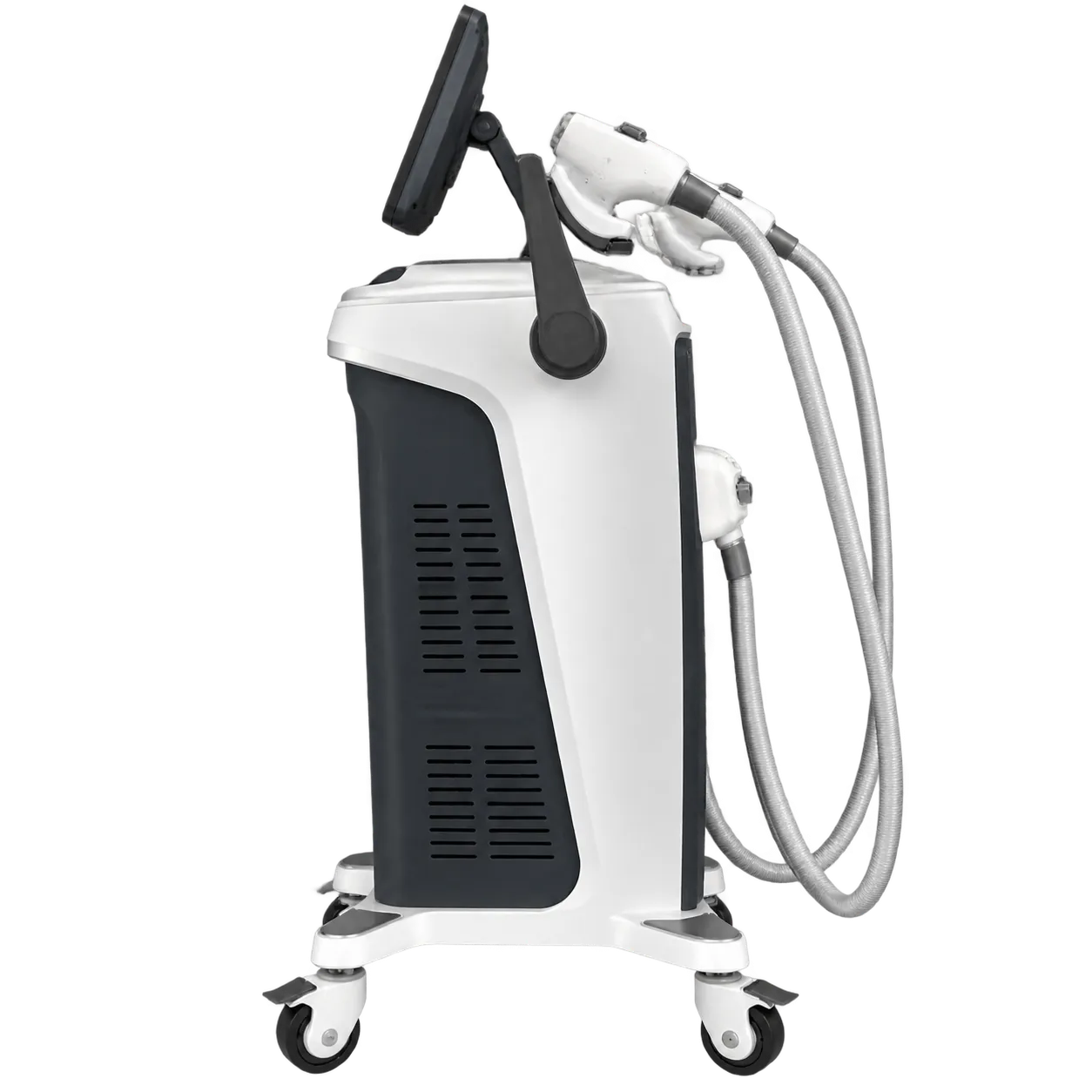
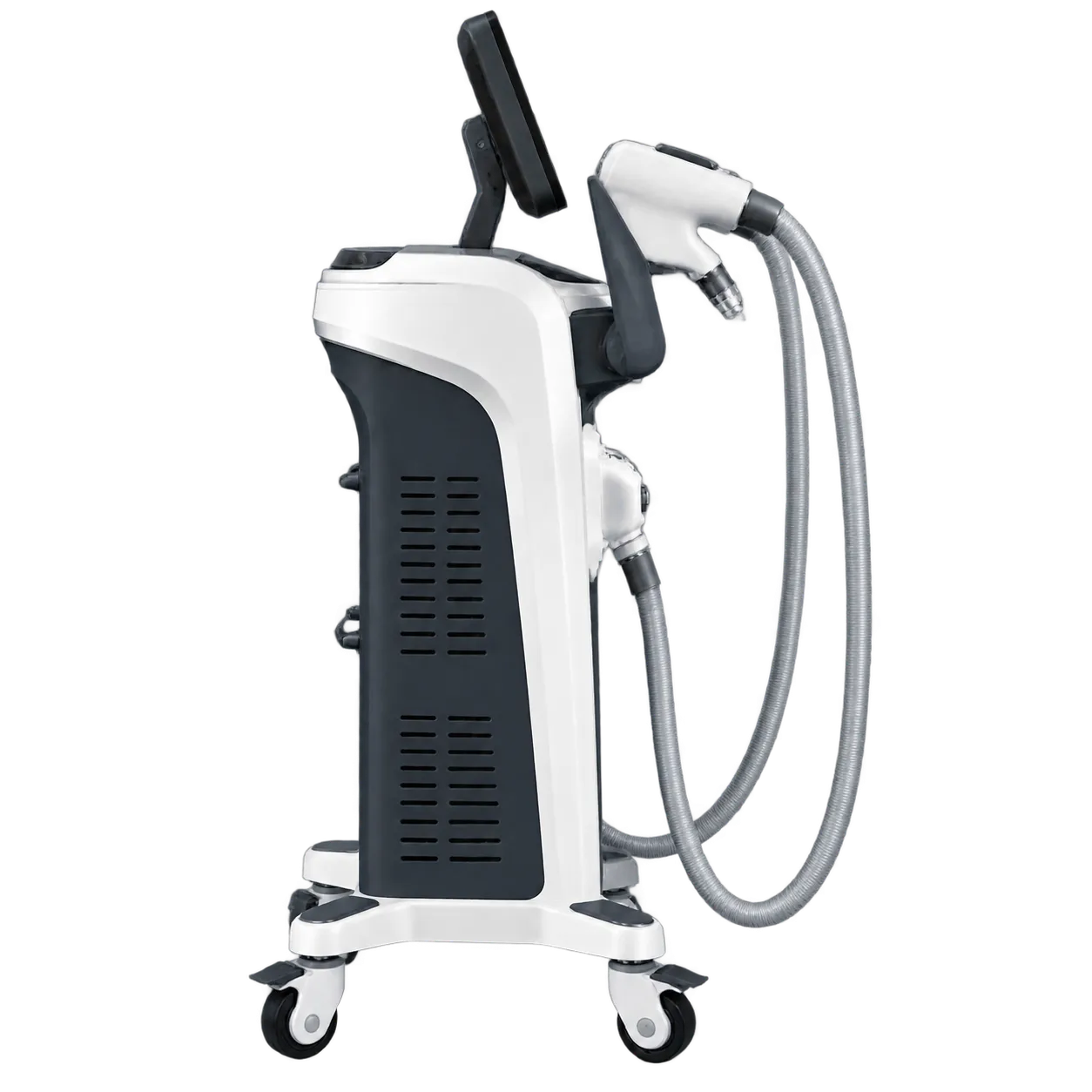
Salons and aesthetic clinics with a steady body-hair caseload are the buyers here, because the speed argument only pays where large areas come through week after week. Legs, backs, chests and arms suit the wide spot and the fast rate, while faces, necklines and other small areas need the 12 × 12 mm spot and slower, more careful work.
Capacity planning should start before the order. Decide the areas the service sells, estimate the coverage each needs, then match that to the handpiece being quoted rather than to the top figure in the brochure. A service selling full-leg packages on a 10 Hz handpiece will run longer appointments than the marketing suggests.
Skin typing drives the clinical side. When the quoted handpiece supplies more than one wavelength, the service can treat a wider range of skin types, with 1064 nm normally reserved for darker skin. A record of wavelength, energy, pulse width, rate and spot size belongs in every client file, alongside the patch test result and the consent note.
Staffing follows throughput. A busy list needs enough trained operators for the eyewear, the controlled area and the record keeping to hold up when the room is running all day, and the local licensing conditions will usually specify who may operate. Rotas should also leave room for eyewear checks and tip cleaning between clients.
Independent sites generally buy direct, while groups check with their insurer and their adviser before signing. The conformity documentation those procurement routes require is issued by the manufacturer and provided by the seller.