
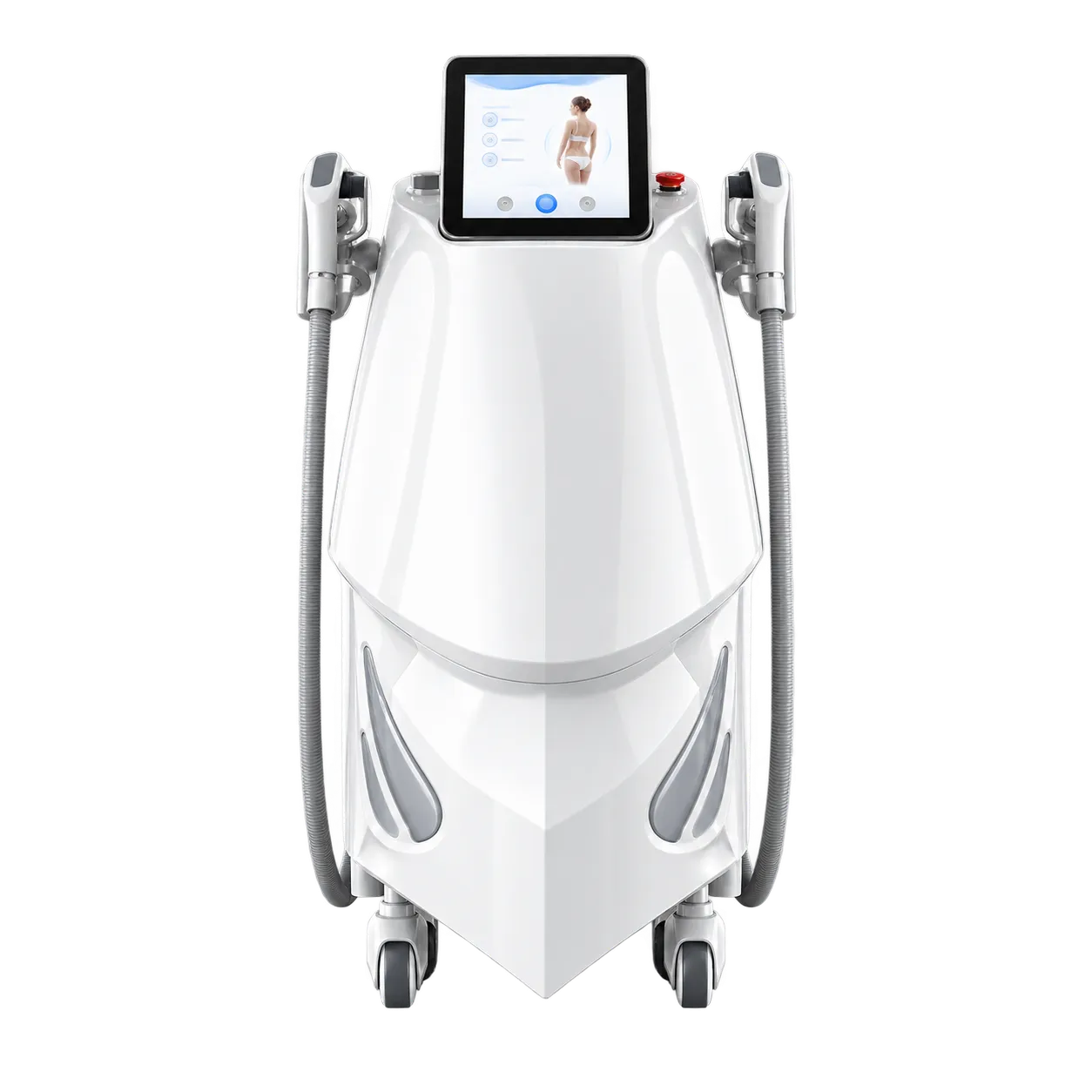
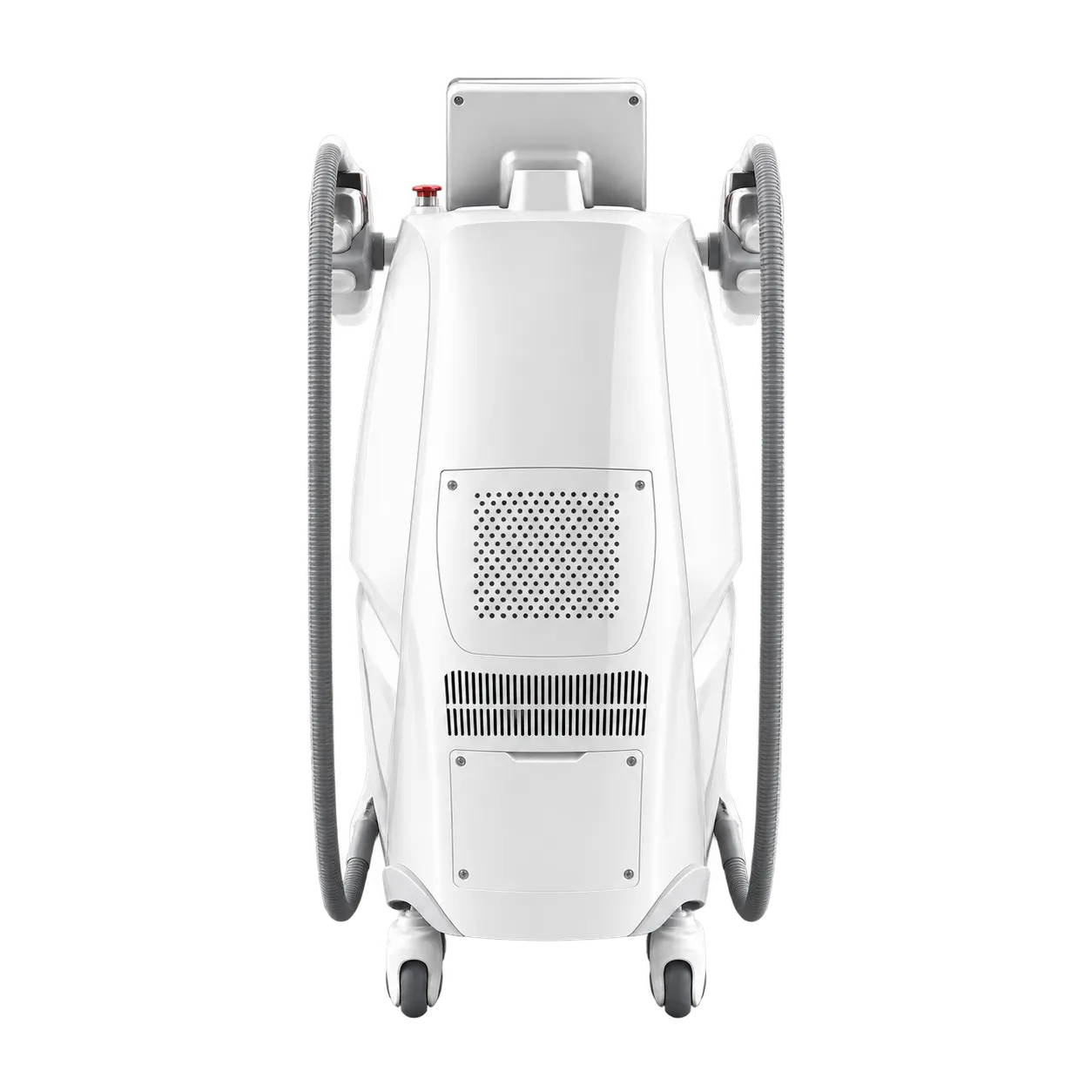
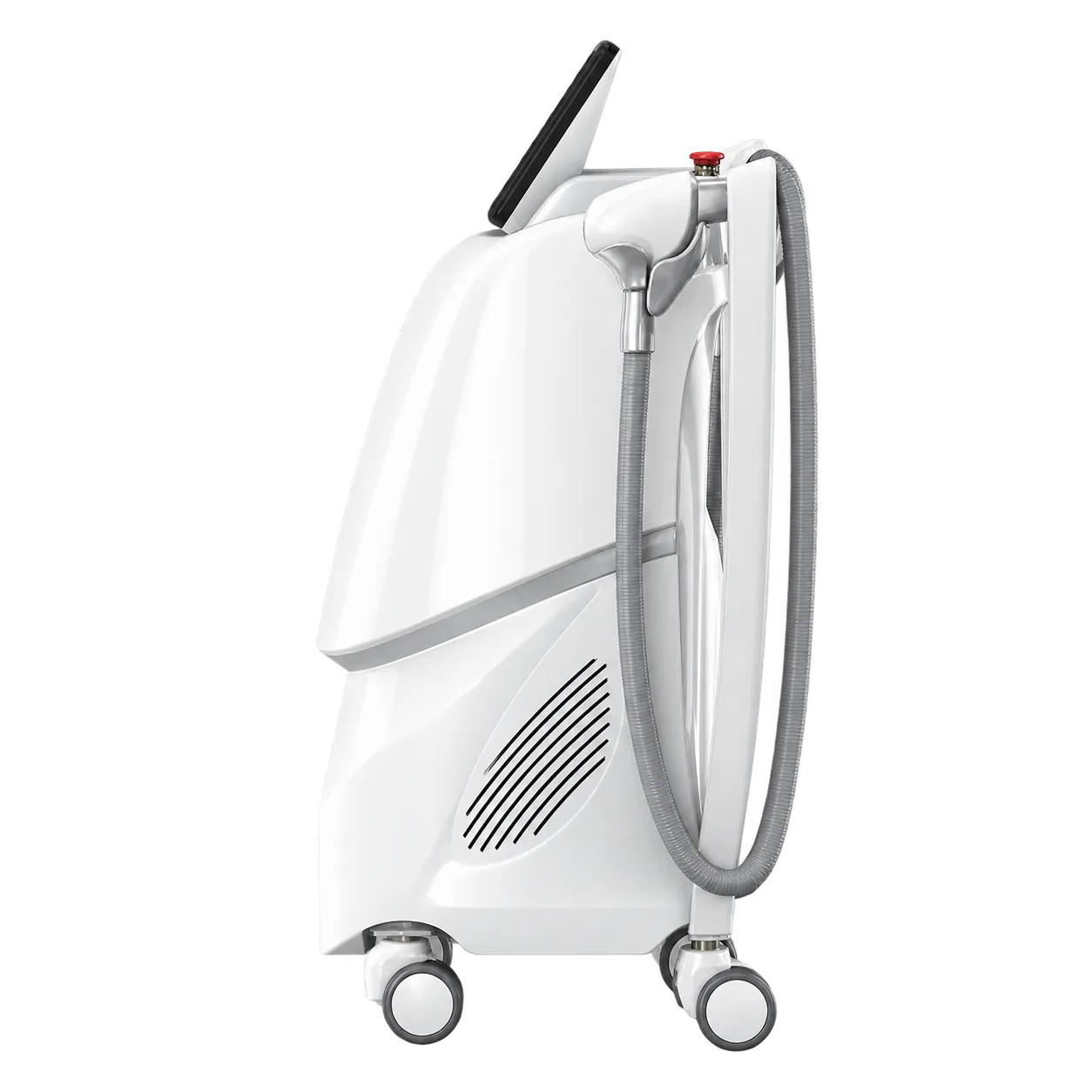
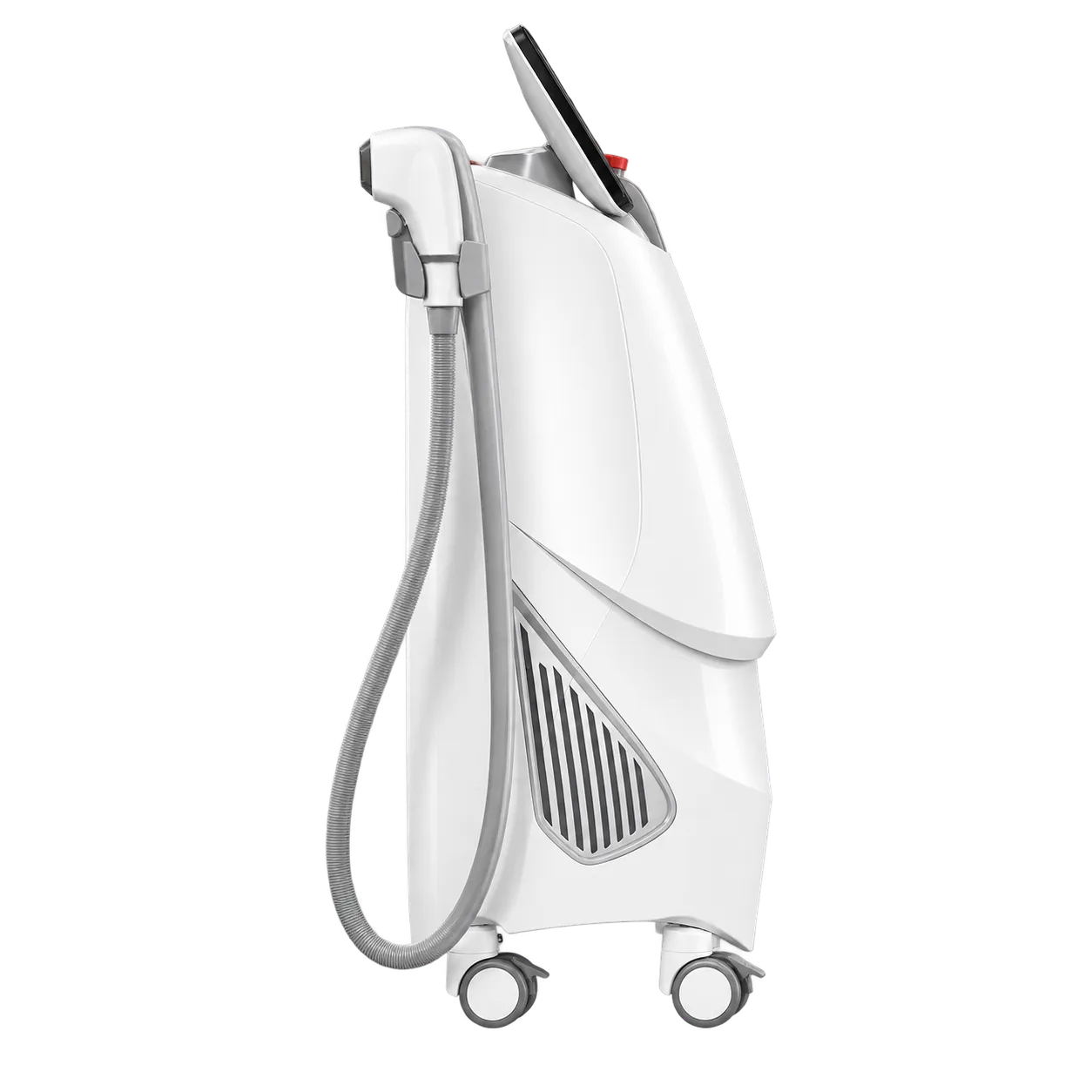
Aesthetic clinics, spas and body-treatment salons offering localised contouring are the expected buyers. Typical work covers the abdomen, flanks, thighs and upper arms, with smaller applicators used under the chin. None of it is a weight-loss treatment, and consultations that blur the distinction produce complaints.
The first operational decision is one the buyer cannot yet make: which safety regime applies. A cooling system needs cold-injury precautions, a membrane on every application and screening for cold-related disorders. A vacuum radiofrequency system needs burn precautions and screening for implants and heat-sensitive conditions. A service should not write protocols, book rooms or train staff until the supplier has confirmed which it is.
Outcome measurement matters more here than in most aesthetic work, because contour change is gradual and easy to dispute. Fix the measurement landmarks, standardise photograph lighting and posture, record weight at baseline and discharge, and keep the evidence with the consent form. That record protects the client relationship as much as the clinical file.
Scheduling follows modality too. Cryolipolysis cycles hold an applicator in place for a fixed period, so two applicators can shorten a multi-area course. Vacuum radiofrequency is an active technique that keeps the operator engaged throughout. Knowing which one applies changes how many clients a room can serve in a day.
Consumable planning belongs in the same conversation. If the machine is a cooling system, membrane stock becomes a daily check, and a list cannot run without it. Independent spas and clinics usually buy direct, while groups run body equipment through procurement and their insurer. The manufacturer issues the conformity documentation, and the seller provides it.