
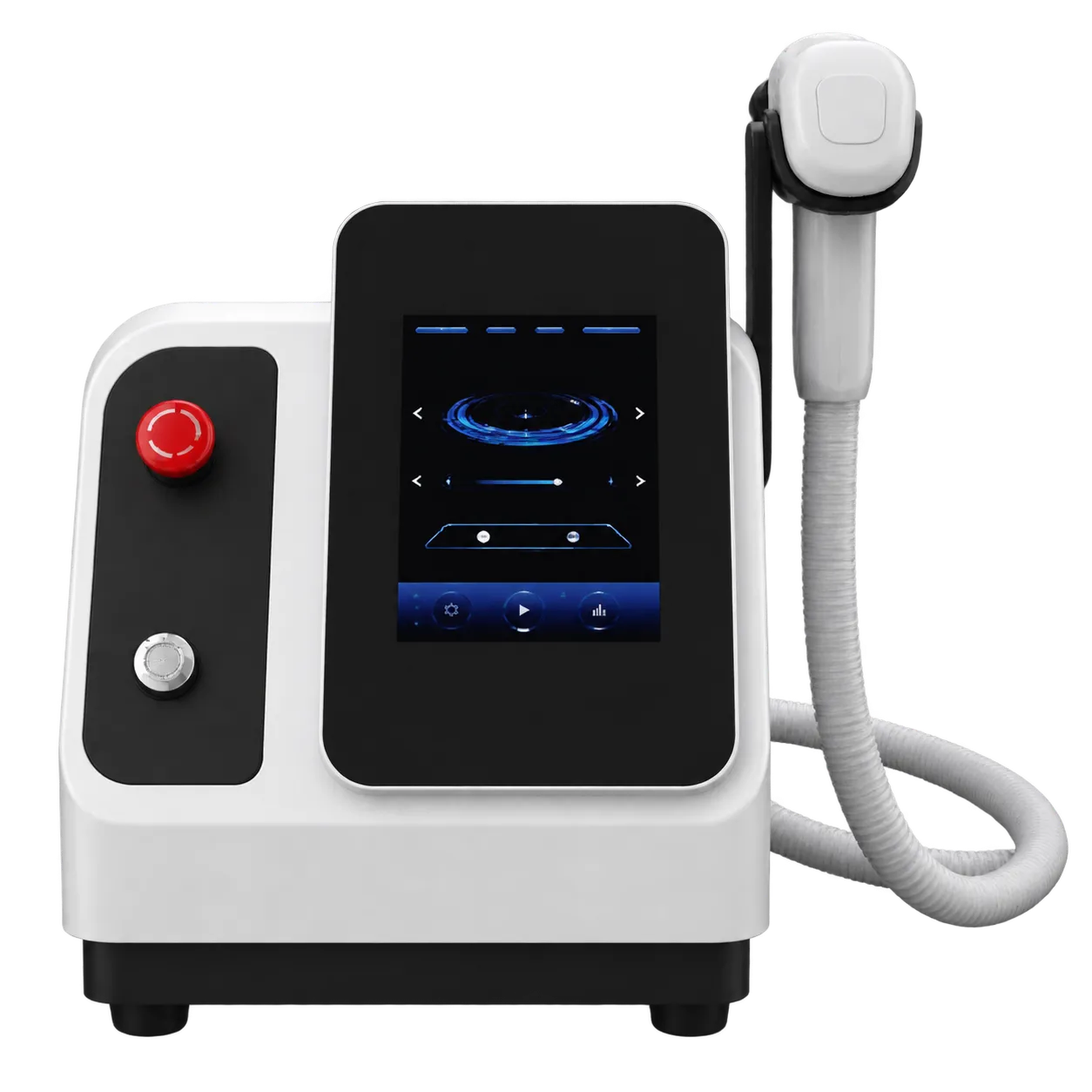
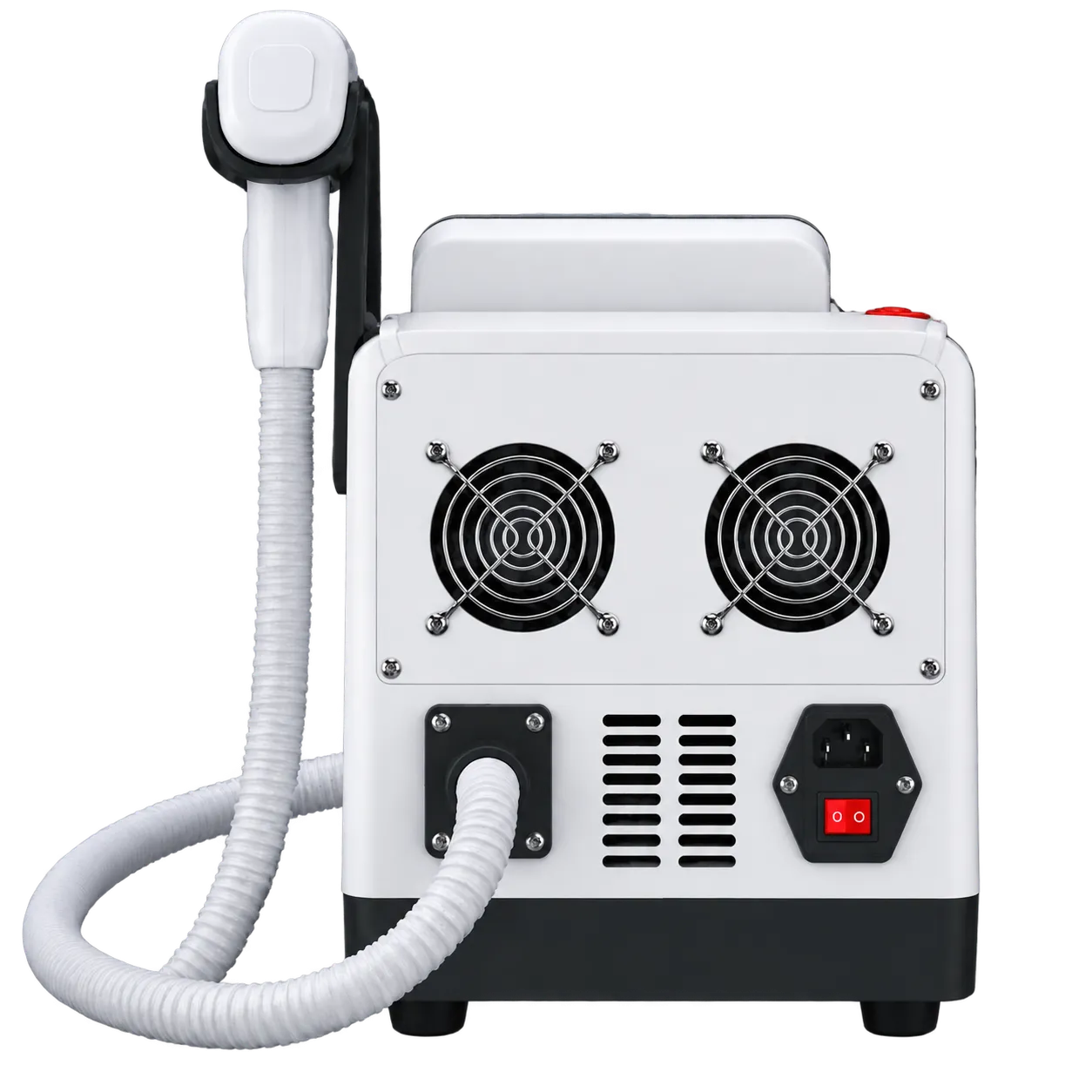
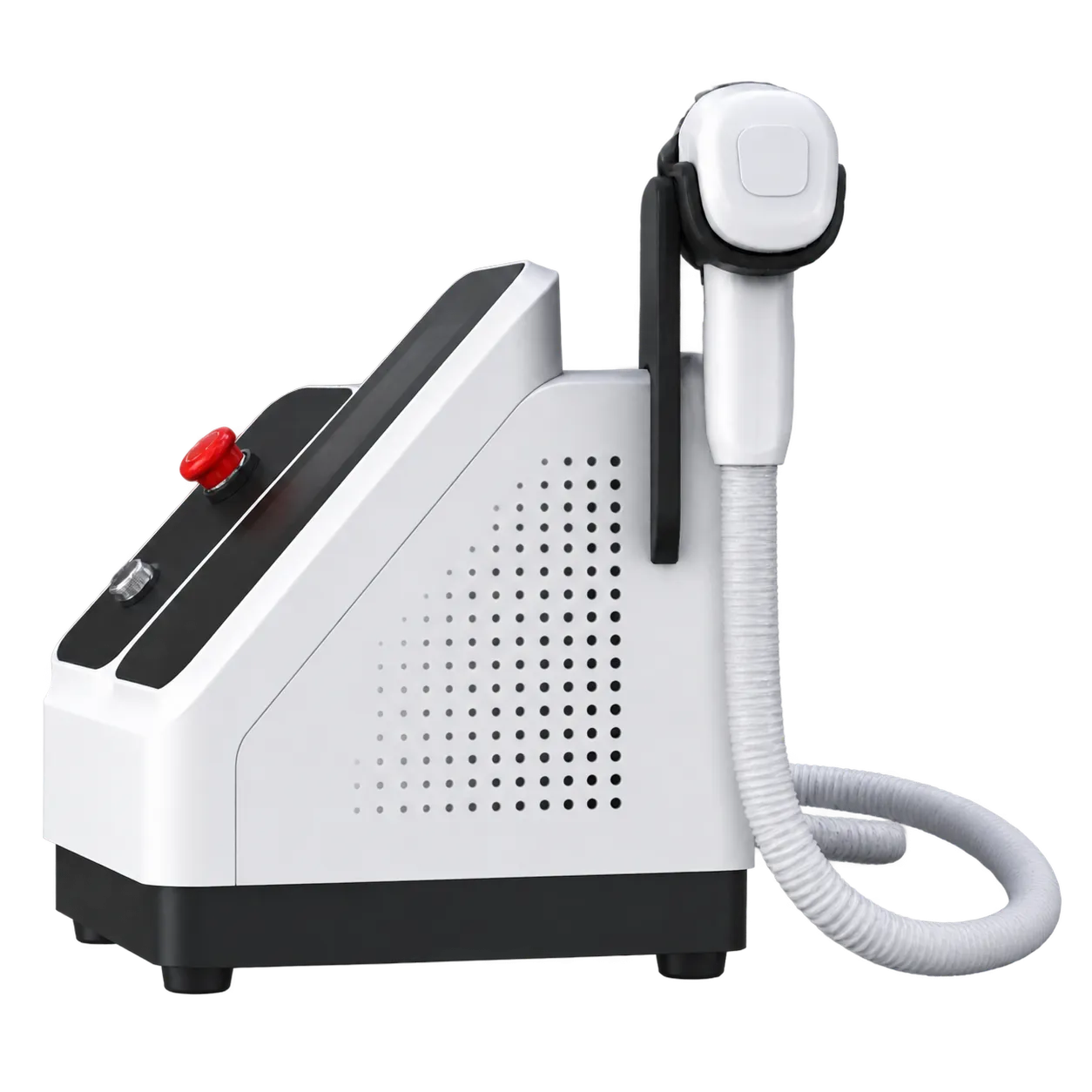
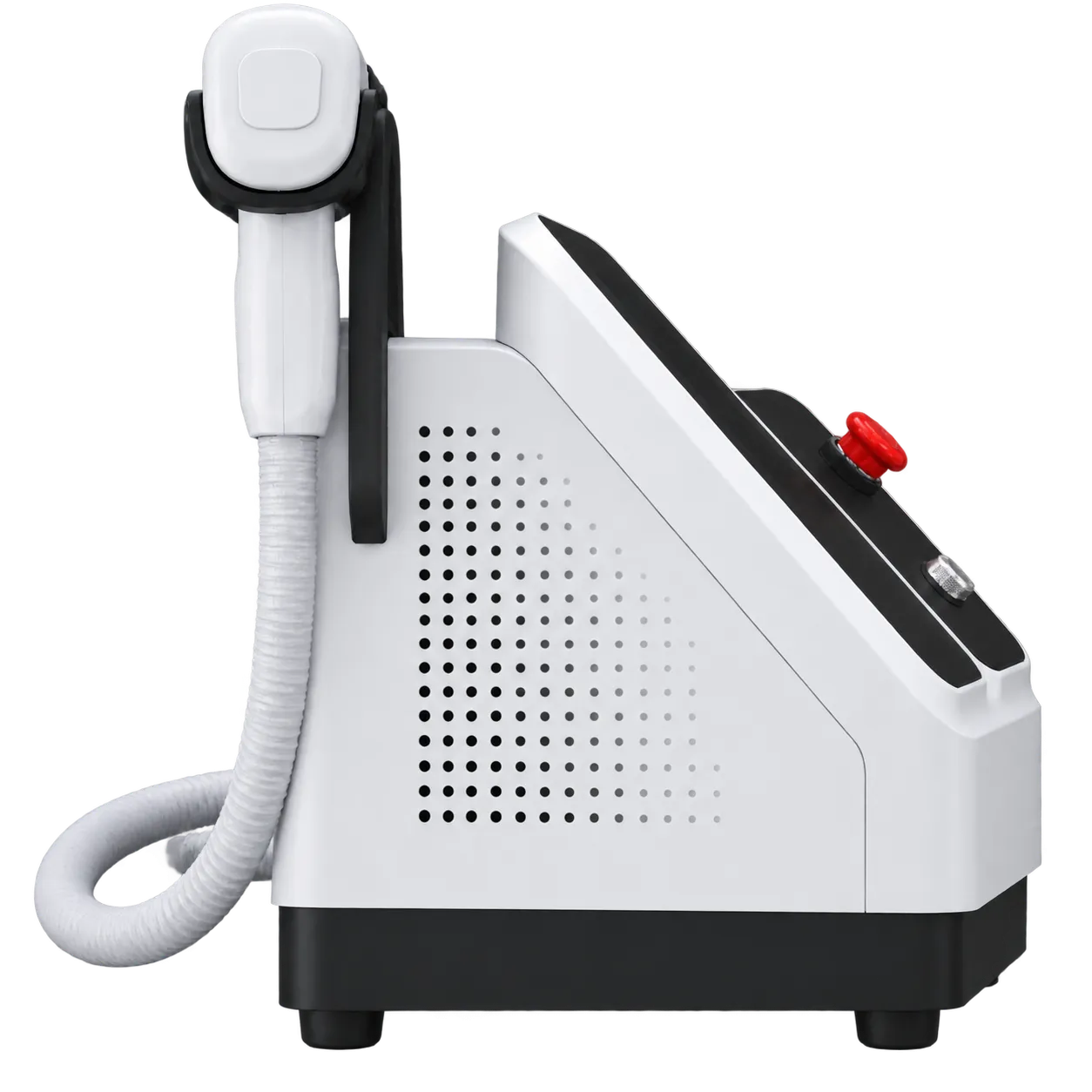
The QL VII suits beauty clinics, tattoo removal studios, and brow studios that want tattoo, pigment, and carbon skin work from one bench unit. Its menu splits into three strands, and each asks something different of the room.
Tattoo work runs on the 1064 nm line for black and dark blue ink and the 532 nm line for red and orange. Amateur and faded single-colour tattoos make up the easier end of the caseload, and clients with multicoloured professional pieces need an honest conversation about what three wavelengths can reach. Brow and lip pigment removal suits brow studios asstudios, as long as every permanent make-up client gets a test spot first.
Pigment work covers freckles, sun spots, age spots and coffee spots, with birthmarks and nevus of Ota for practitioners experienced in diagnosing them. Carbon laser rejuvenation fills the gaps in the diary with short sessions aimed at oil, texture and the look of pores, and it should be marketed with the modest claims the evidence supports.
All three strands share one safety set-up. The room needs a door interlock connected to the laser where the design allows, a warning sign at the entrance, eyewear to BS EN 207 for every wavelength, and local rules written with the Laser Protection Adviser. Carbon sessions may add a plume extractor to that list. The employer's duties under the Control of Artificial Optical Radiation at Work Regulations 2010 apply throughout.
Clinics outside the UK generally meet the same requirements under their own laser safety and premises rules. The conformity documentation required for those purchasing routes is issued by the manufacturer and provided by the seller.