
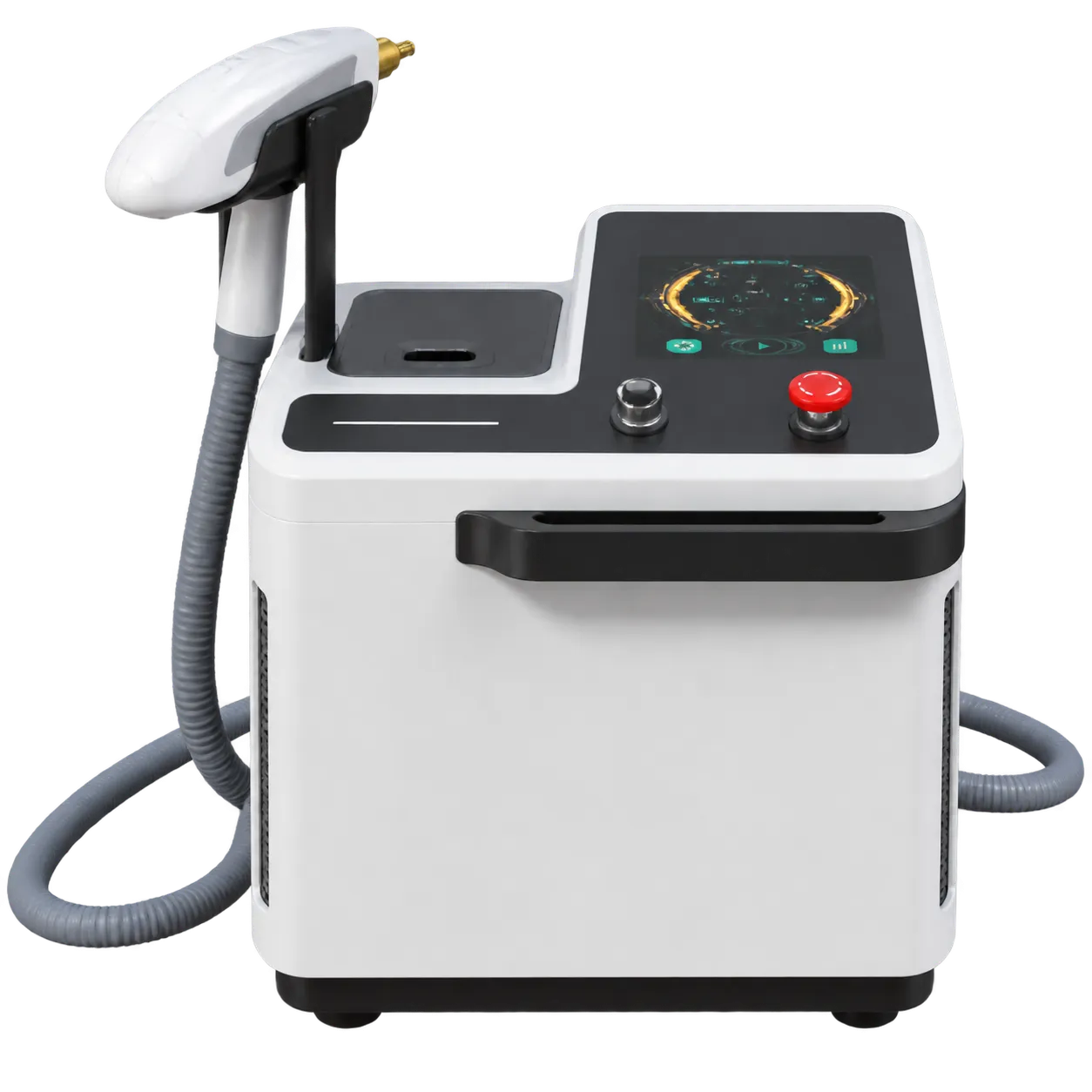
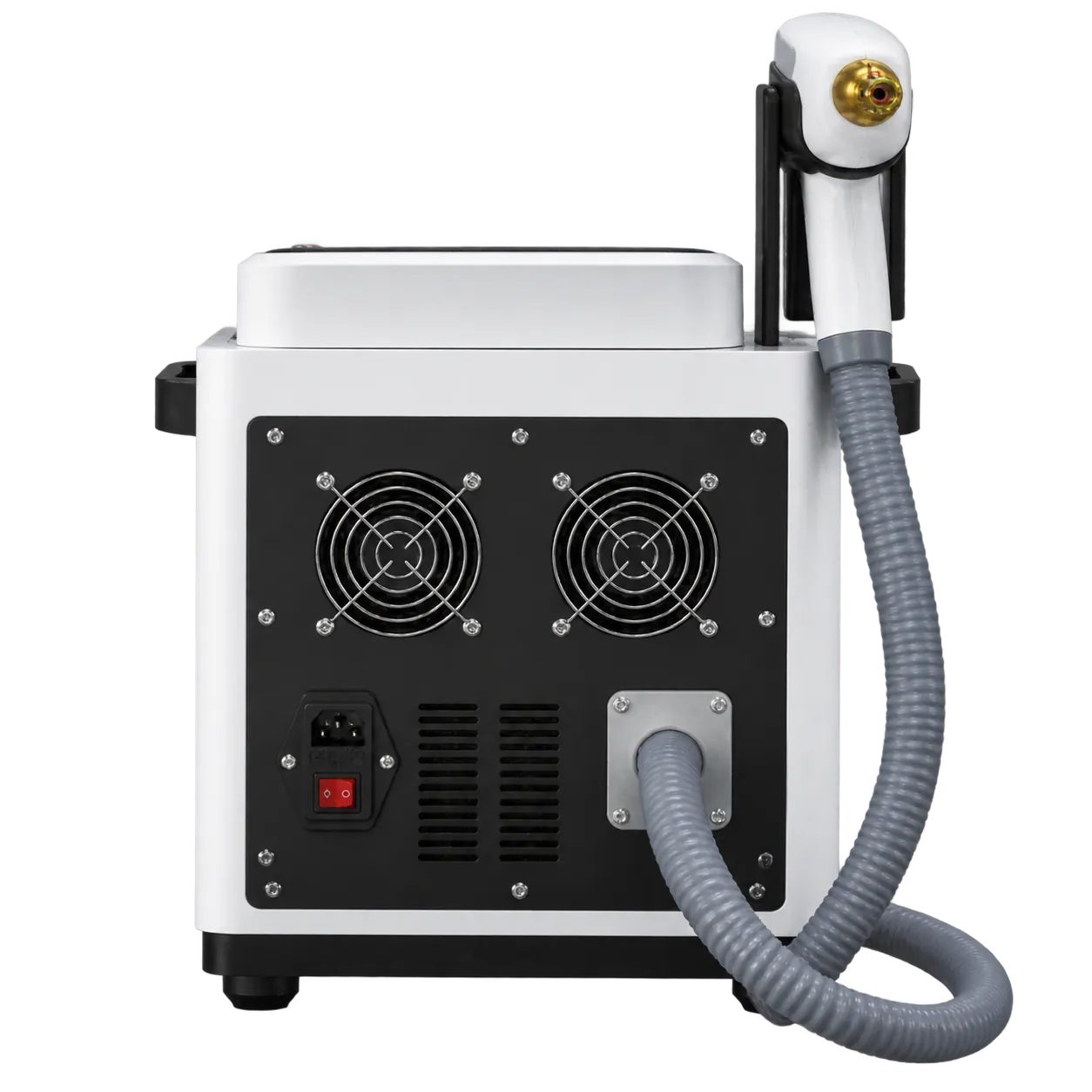
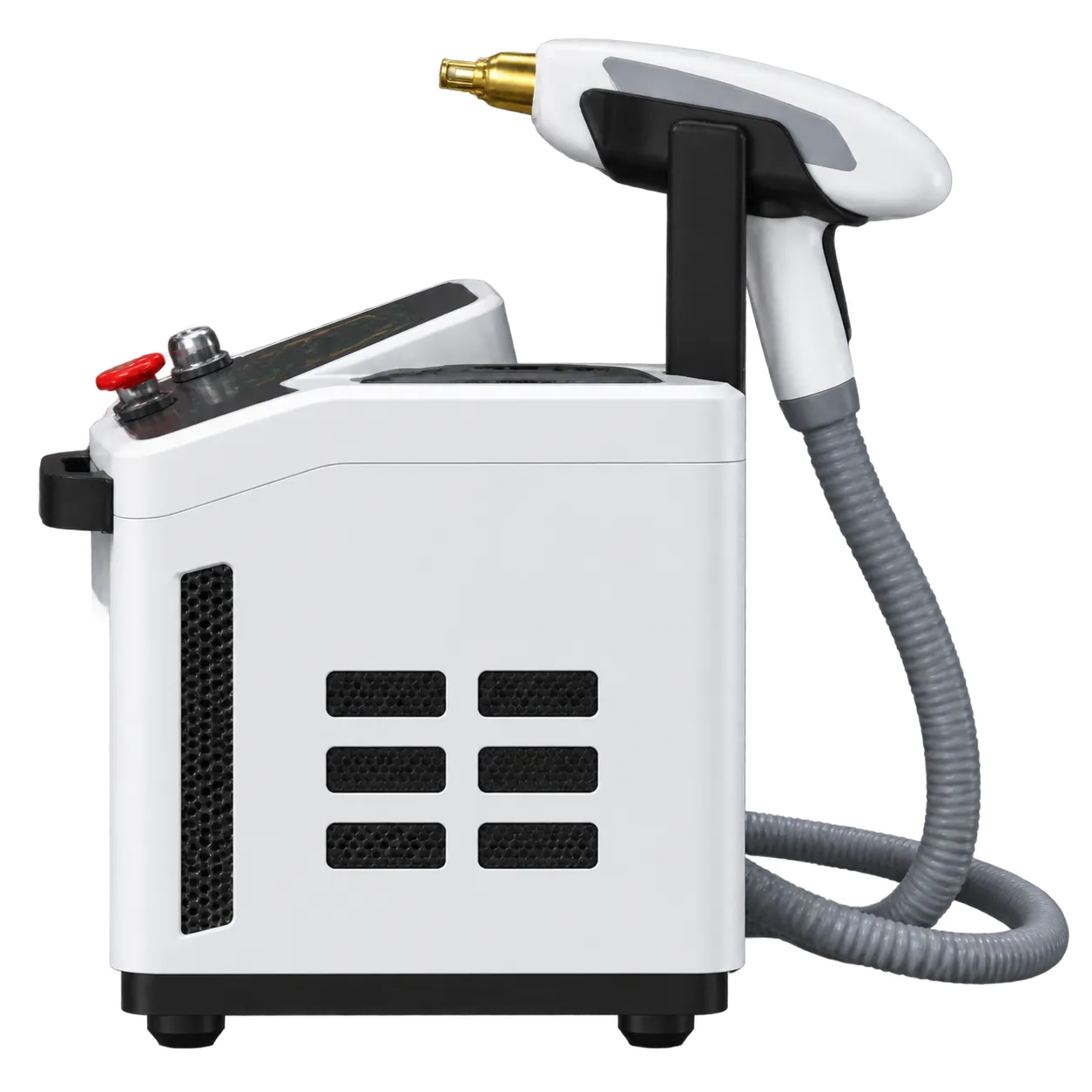
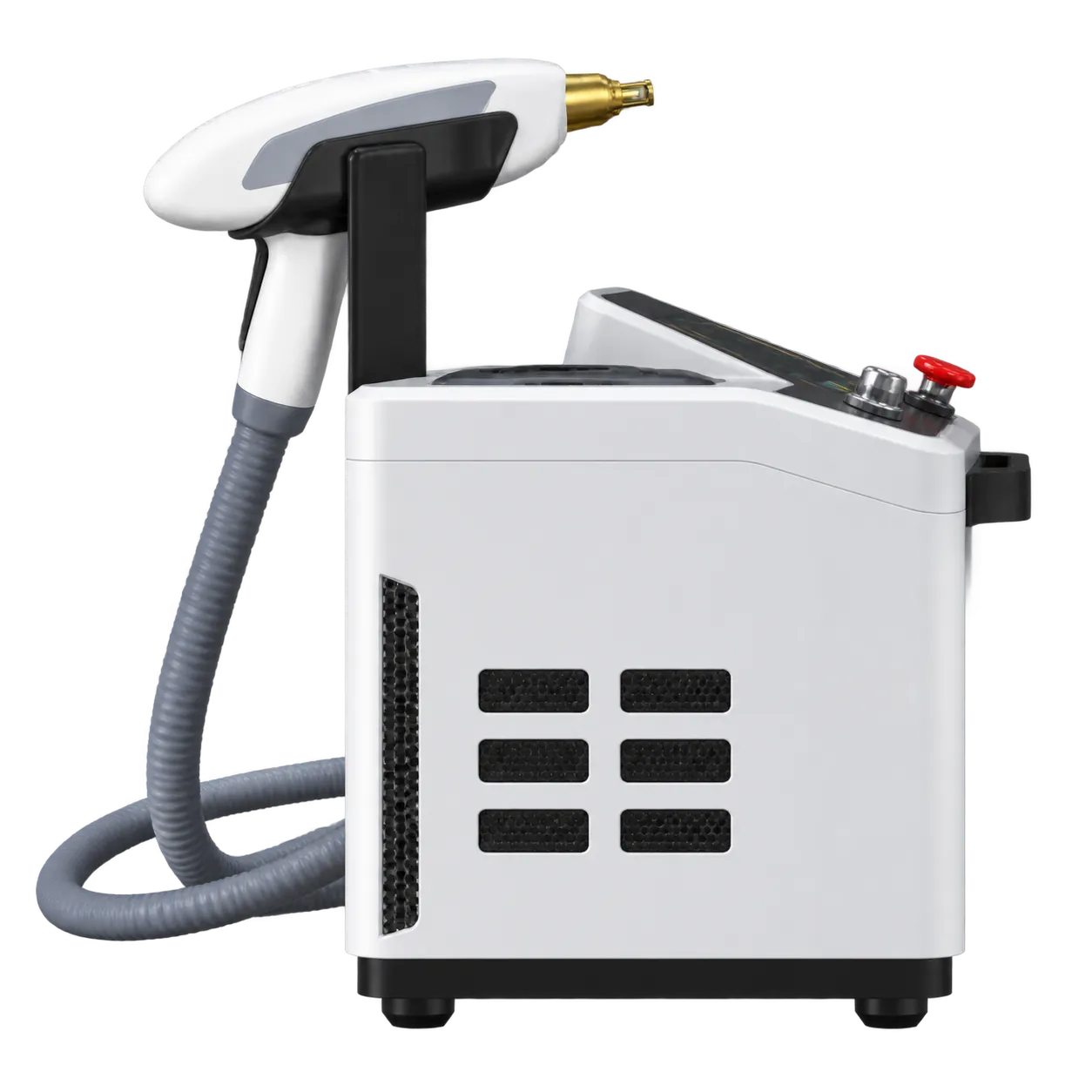
Tattoo parlours adding removal to their services are a natural fit. The 1064 nm output targets black and dark blue ink, and published reviews describe nanosecond Q-switched Nd: YAG lasers as safe and effective for black tattoos. A parlour that already manages hygiene and consent can extend those systems to laser records, provided it first sets up a controlled room.
Aesthetic clinics use the 532 nm output for freckles and sun spots on lighter skin types. Every lesion needs a confident diagnosis before treatment, so clinics without a doctor on the team should arrange a referral route for anything uncertain.
Permanent makeup artists handle correction requests for faded or misplaced brows and lip liner. This work carries the highest risk of ink darkening, and test patches with a written waiting period protect both the client and the practice.
Salons offering carbon facials use the 1320 nm handpiece for oily skin and visible pores. It is a short appointment that books well as a repeat service, and modest claims keep it on the right side of advertising rules.
Mobile practitioners and small studios value the benchtop format because the cabinet can sit on a stable trolley in a compact room. Each location still needs its own risk assessment, signage, and compliance with local rules before the laser is used, and the adviser should review every new room before the first appointment.
Doctor-led dermatology and cosmetic practices can treat pigmented lesions under their own clinical governance, using the conformity documentation the manufacturer issues through the seller.