
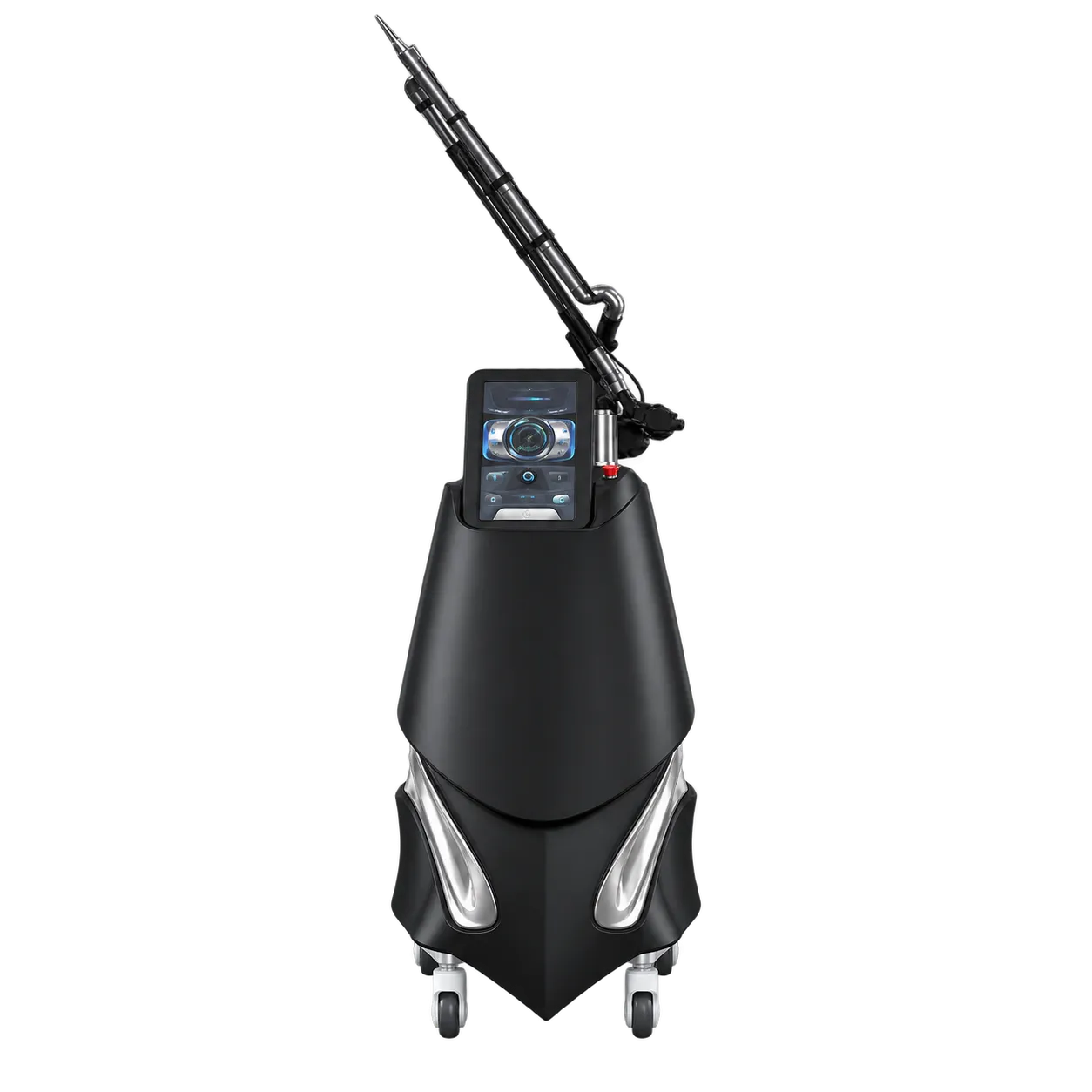
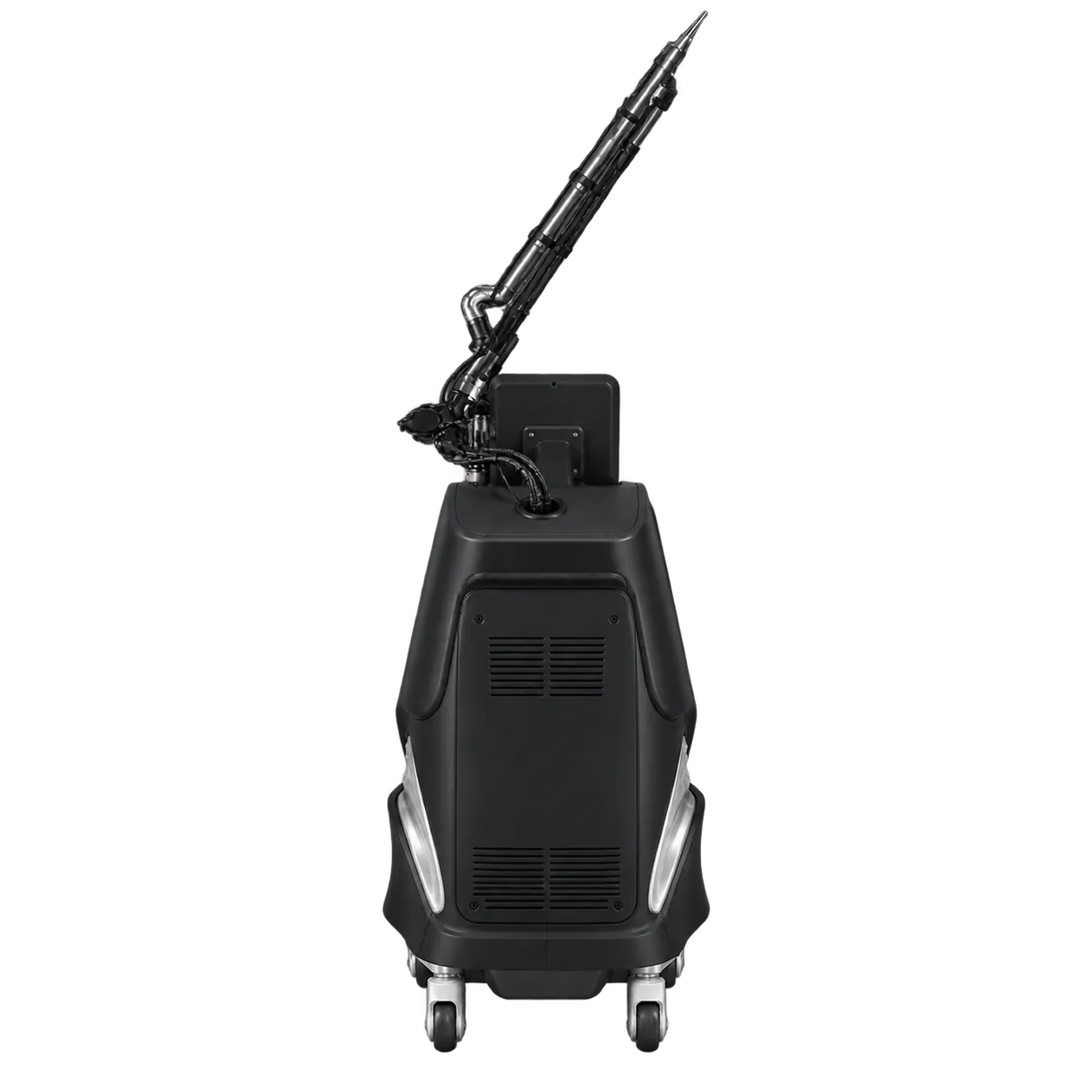
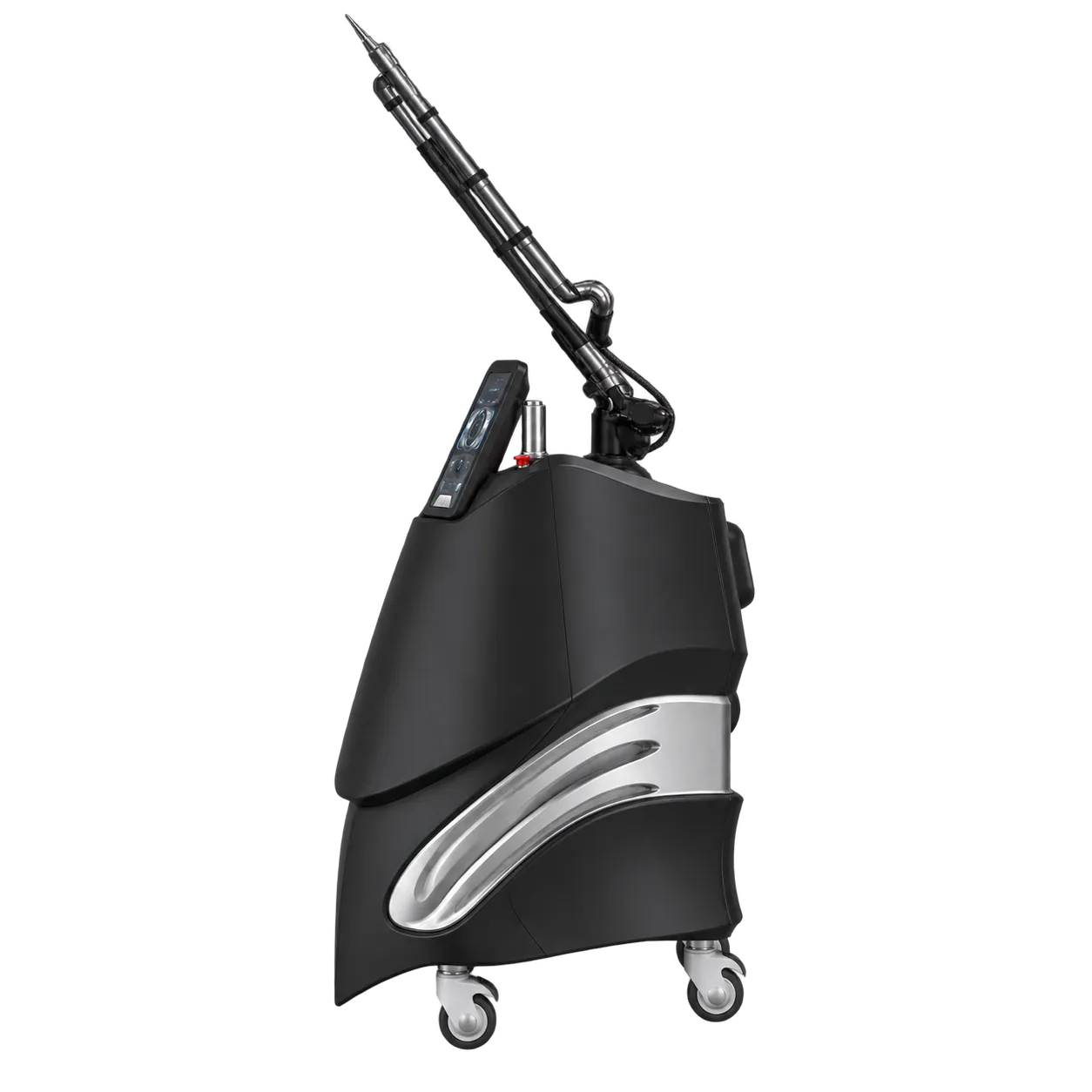
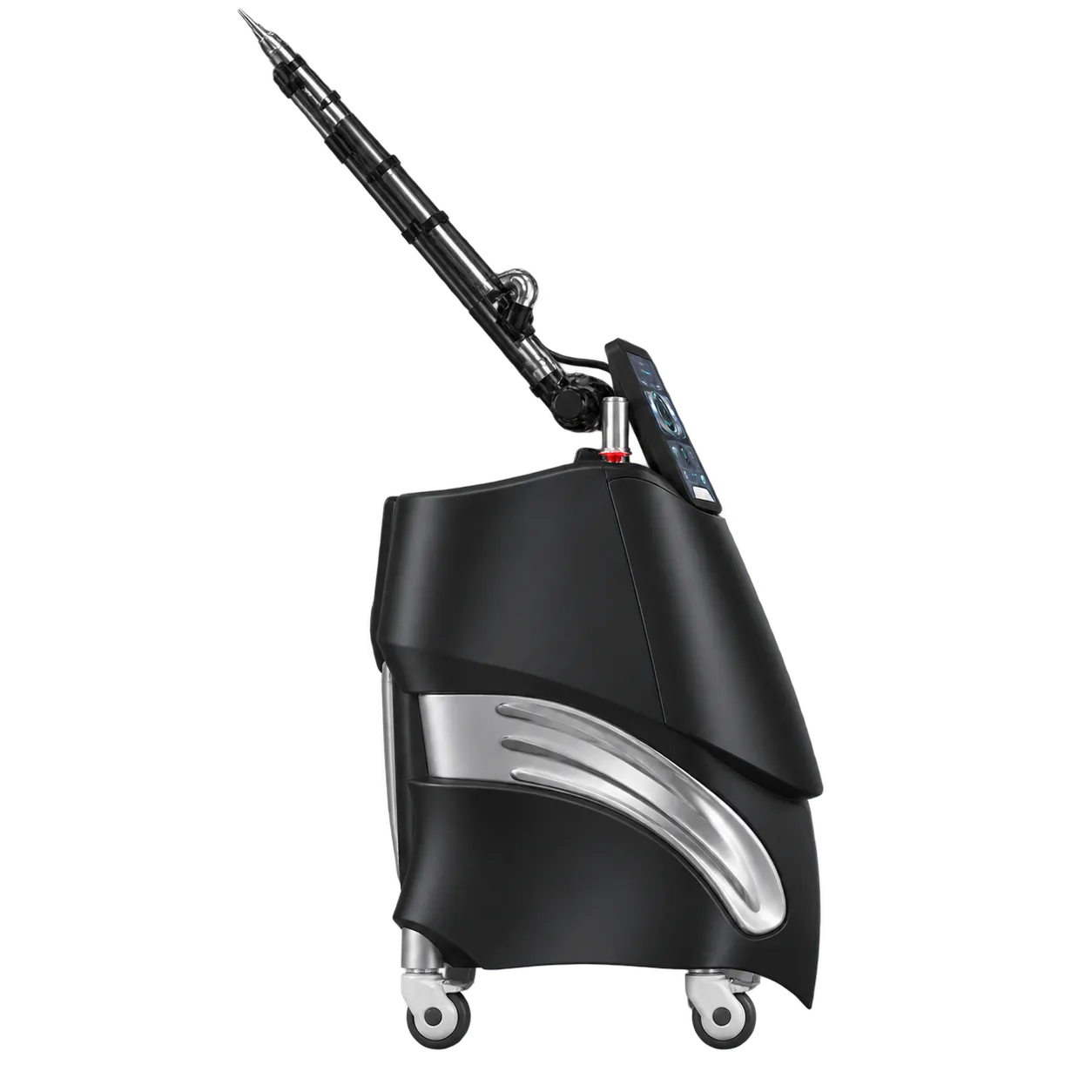
The PSII targets laser clinics, tattoo removal studios, dermatology services, and cosmetic practices that already run, or are ready to set up, a controlled laser room. Its core wavelength pair covers dark professional and amateur ink at 1064 nm, with 532 nm targeting red and warm tones.
Pigment work forms the second line of business. The manufacturer positions 1064 nm for dermal pigment and 532 nm and 755 nm for epidermal lesions such as sun spots and freckles. Any lesion of uncertain nature needs clinical assessment before it is treated as cosmetic pigment, and the clinic's protocols should reflect that pathway.
A typical course runs through consultation, a patch test, and repeated sessions spaced several weeks apart. That rhythm suits practices with steady appointment books, and clients prepared to return over months.
Every setting that installs it takes on the same core duties. Under the Control of Artificial Optical Radiation at Work Regulations 2010, the employer must assess the risk to staff, and MHRA guidance sets out the Laser Protection Adviser, local rules and controlled area arrangements a compliant room needs. Clinics in Wales, Scotland,d and Northern Ireland must register with their national regulator before treating anyone, and London clinics often need a borough special treatment licence.
For buyers outside the UK, the same obligations usually arrive under local names, from laser safety officers to premises licensing. The conformity documentation those procurement routes require is issued by the manufacturer and provided by the seller.